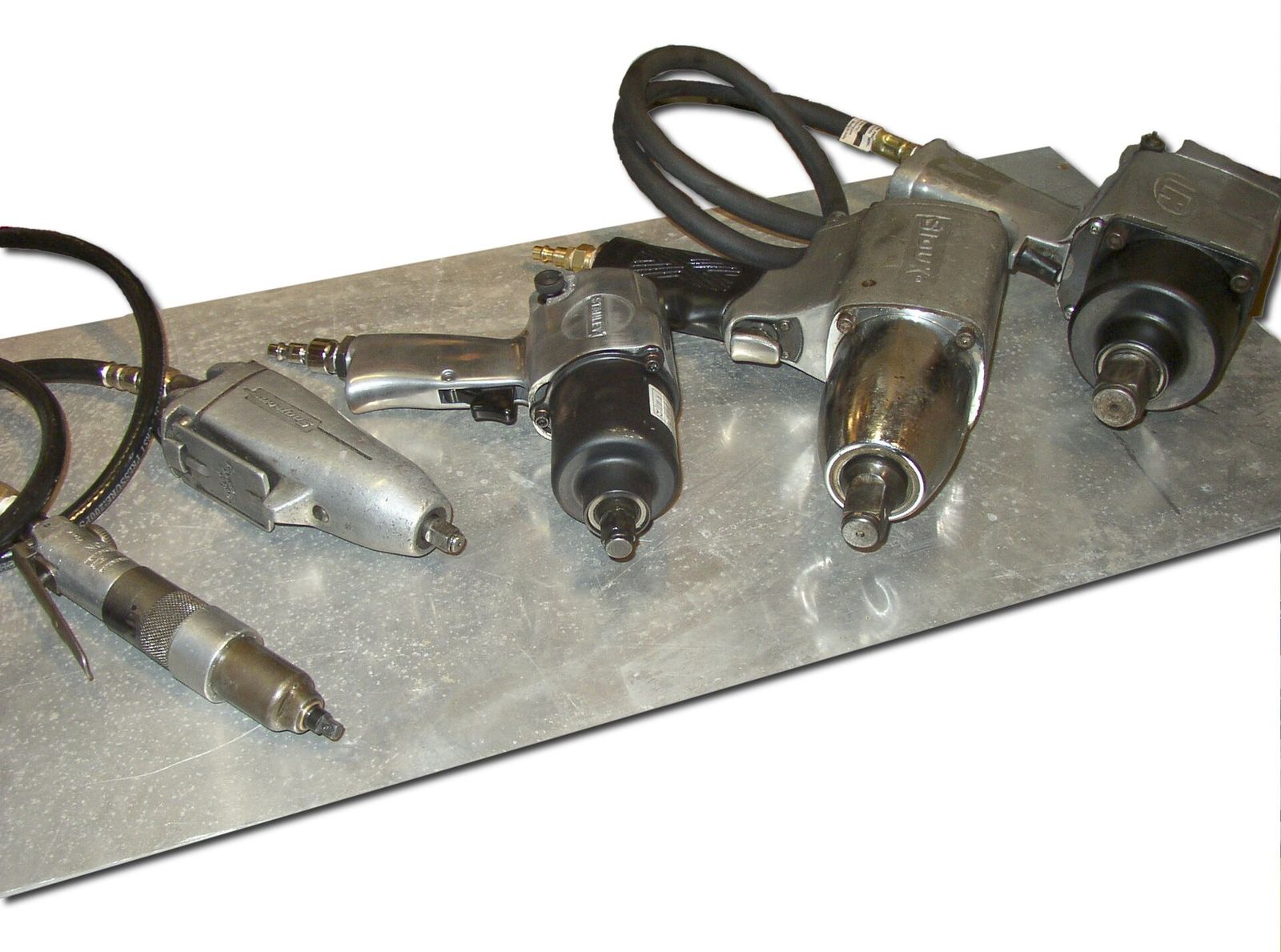
Tools & DIY
Impact wrenches explained: torque figures, anvil sizes, cordless vs air
How impact wrenches work, what fastening and breakaway torque mean, which anvil size and retention to choose, and how cordless, corded and air models compare.
Guides to buying well and travelling well
Power tools, workshop gear and doing the job right.
How impact wrenches work, what fastening and breakaway torque mean, which anvil size and retention to choose, and how cordless, corded and air models compare.
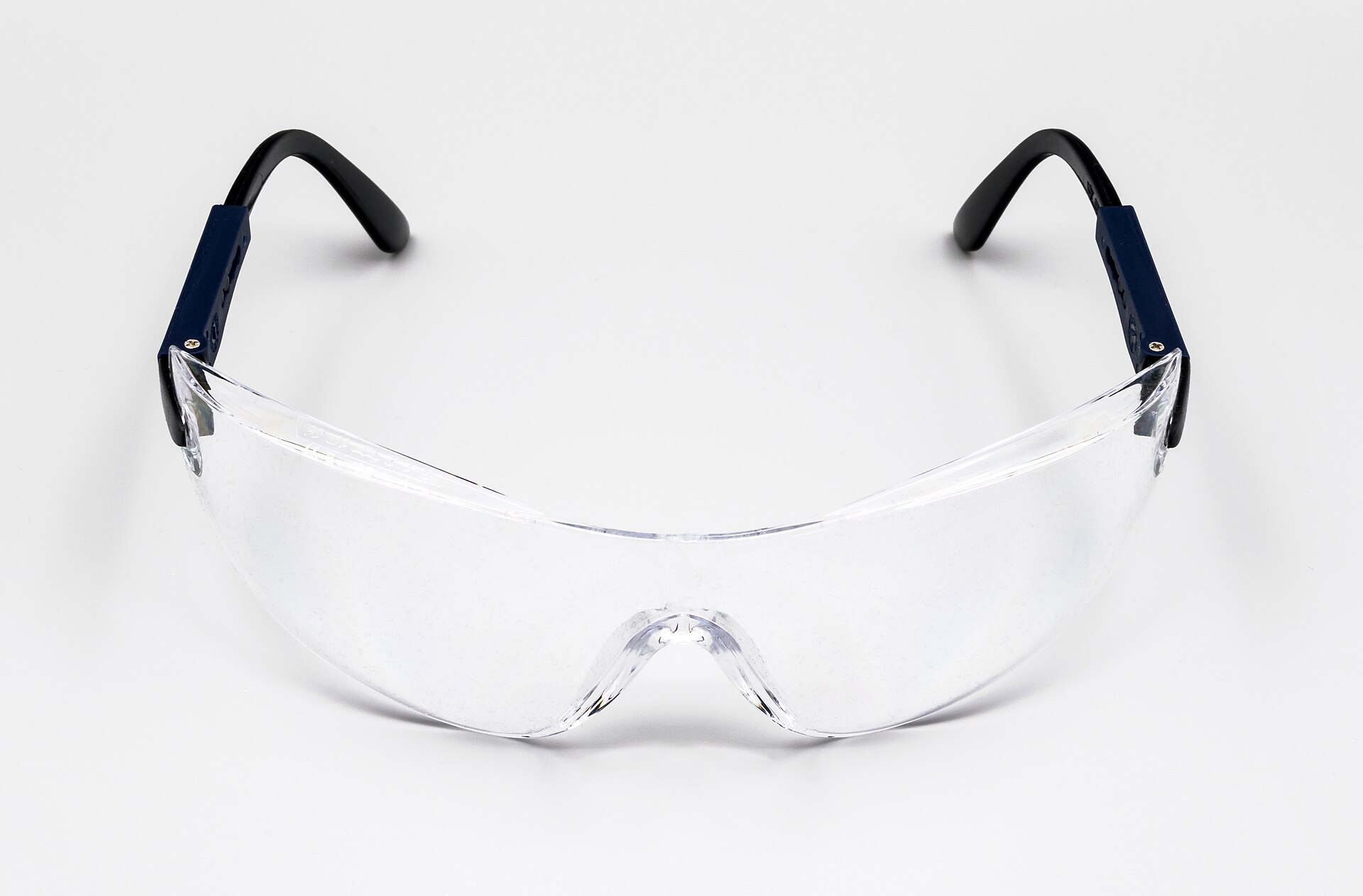
What Z87+, EN 166, NRR, SNR, N95, FFP3 and filter codes mean, how to choose safety glasses, hearing protection and respirators, and how to get a proper fit.
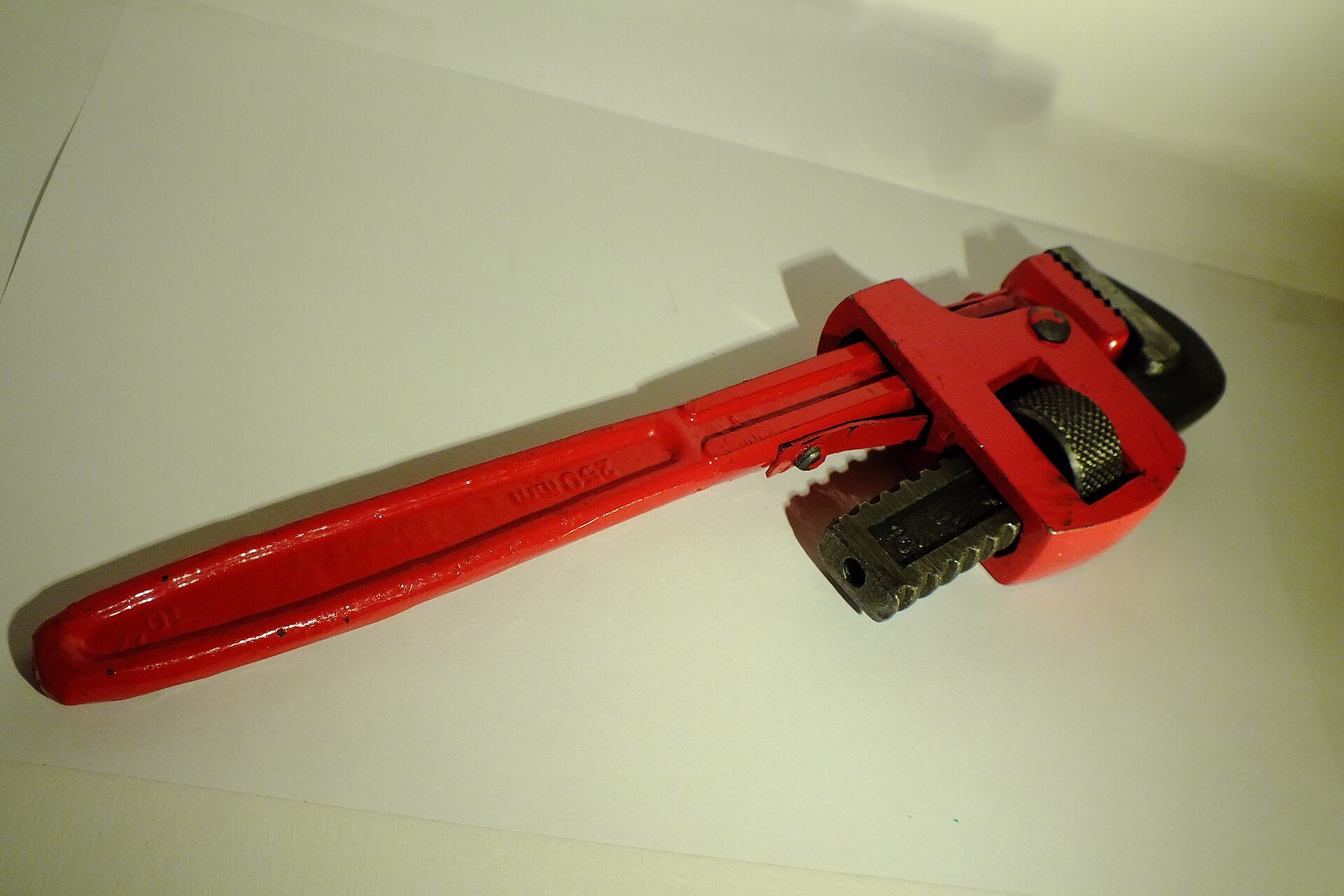
The plumbing tools worth owning, from plungers and drain snakes to pipe wrenches, tubing cutters and PEX crimp, clamp and expansion tools, and how to use them safely.

How to choose a 6 or 8 in bench grinder, which wheel and grit suit sharpening or shaping, how to set the tool rest and guards, and how to fit and use wheels safely.
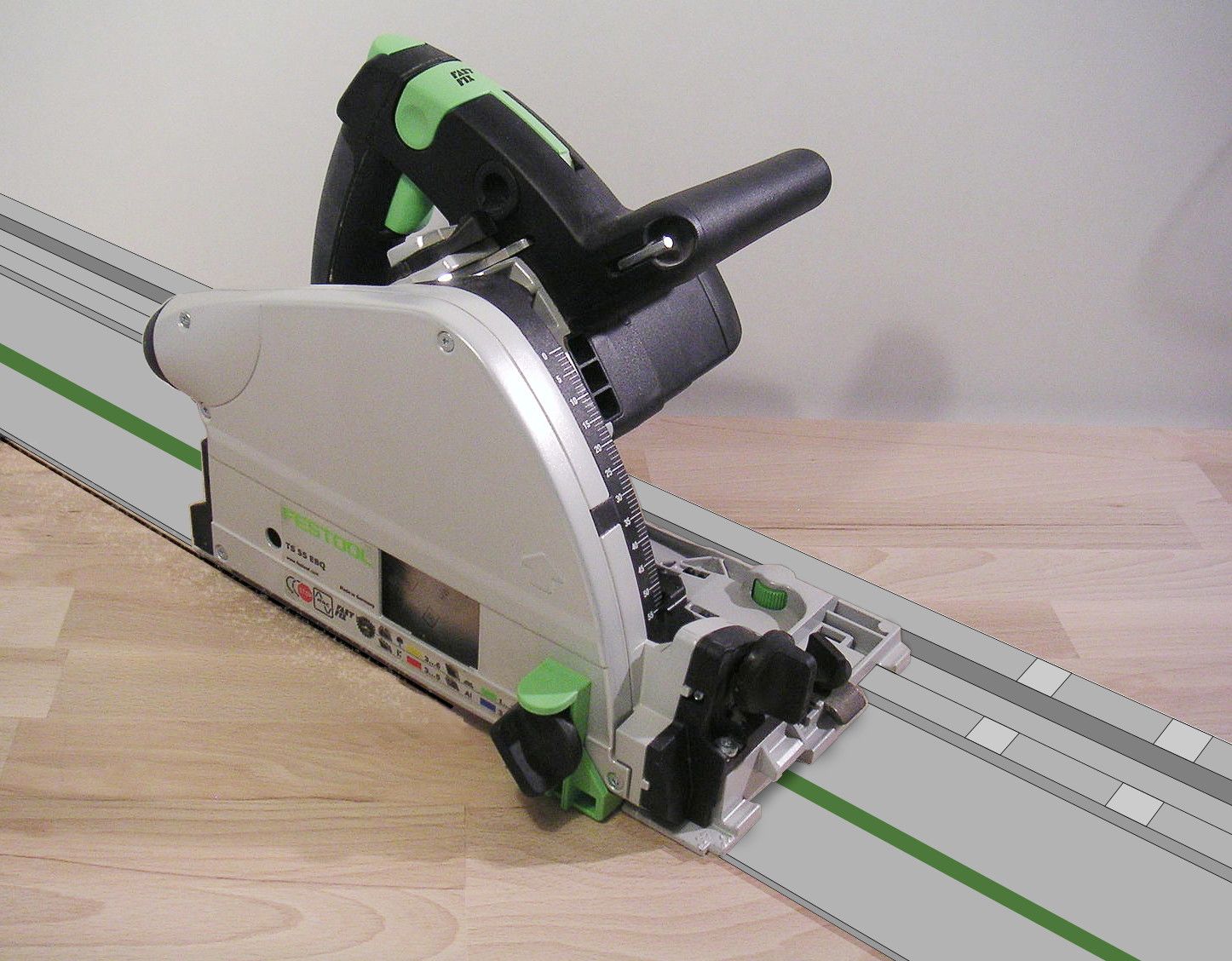
How a track saw and its guide rail make clean, straight cuts, which rail lengths and blade sizes to choose, and when a circular saw with a guide does the job.

What the numbers on an auto-darkening welding helmet mean: light and dark shades, sensor count, switching speed, delay, EN 379 optical class and safety markings.
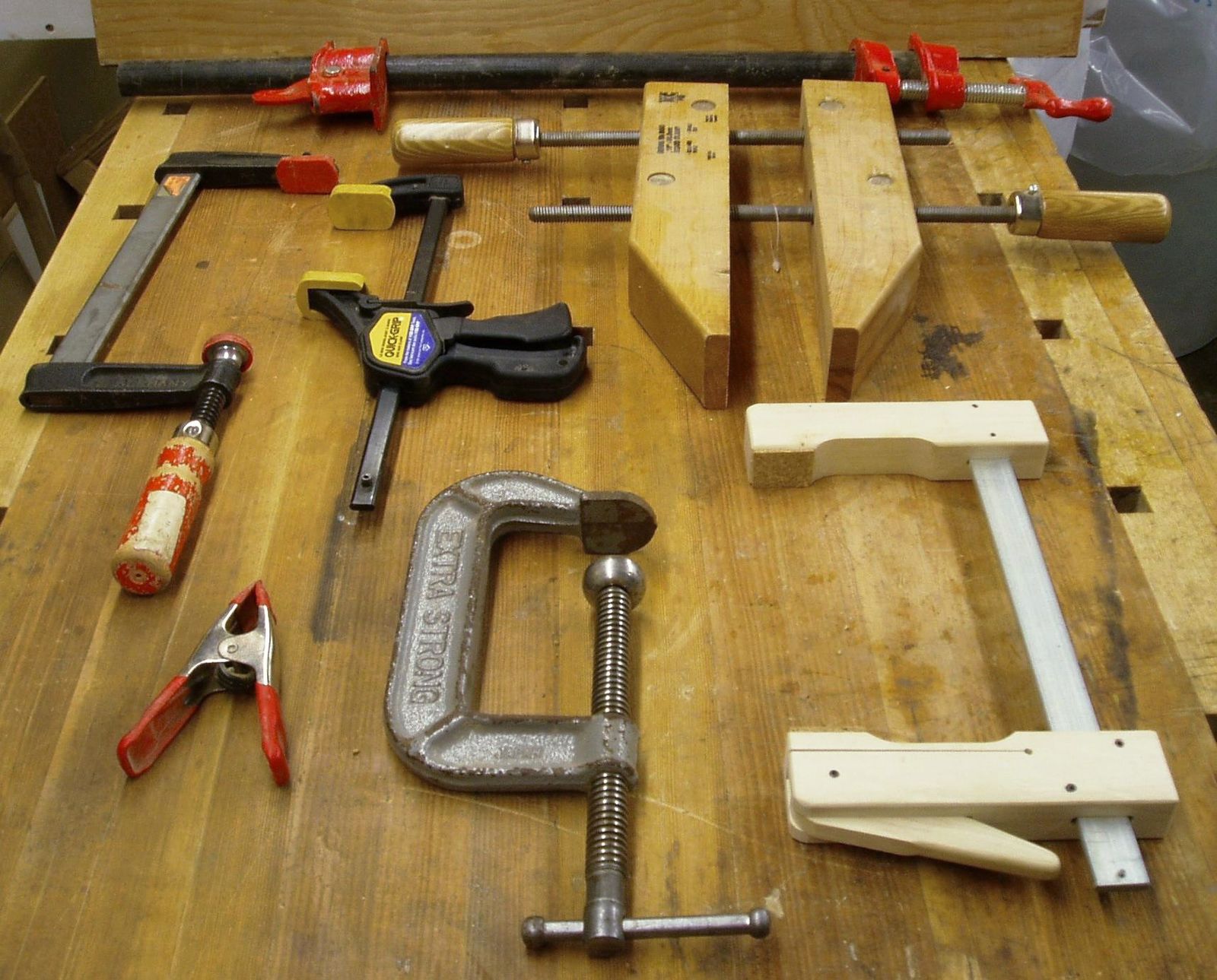
How F-style, one-handed, parallel, pipe, bar, spring and C-clamps differ, what capacity and throat depth mean, and how many clamps a home workshop really needs.
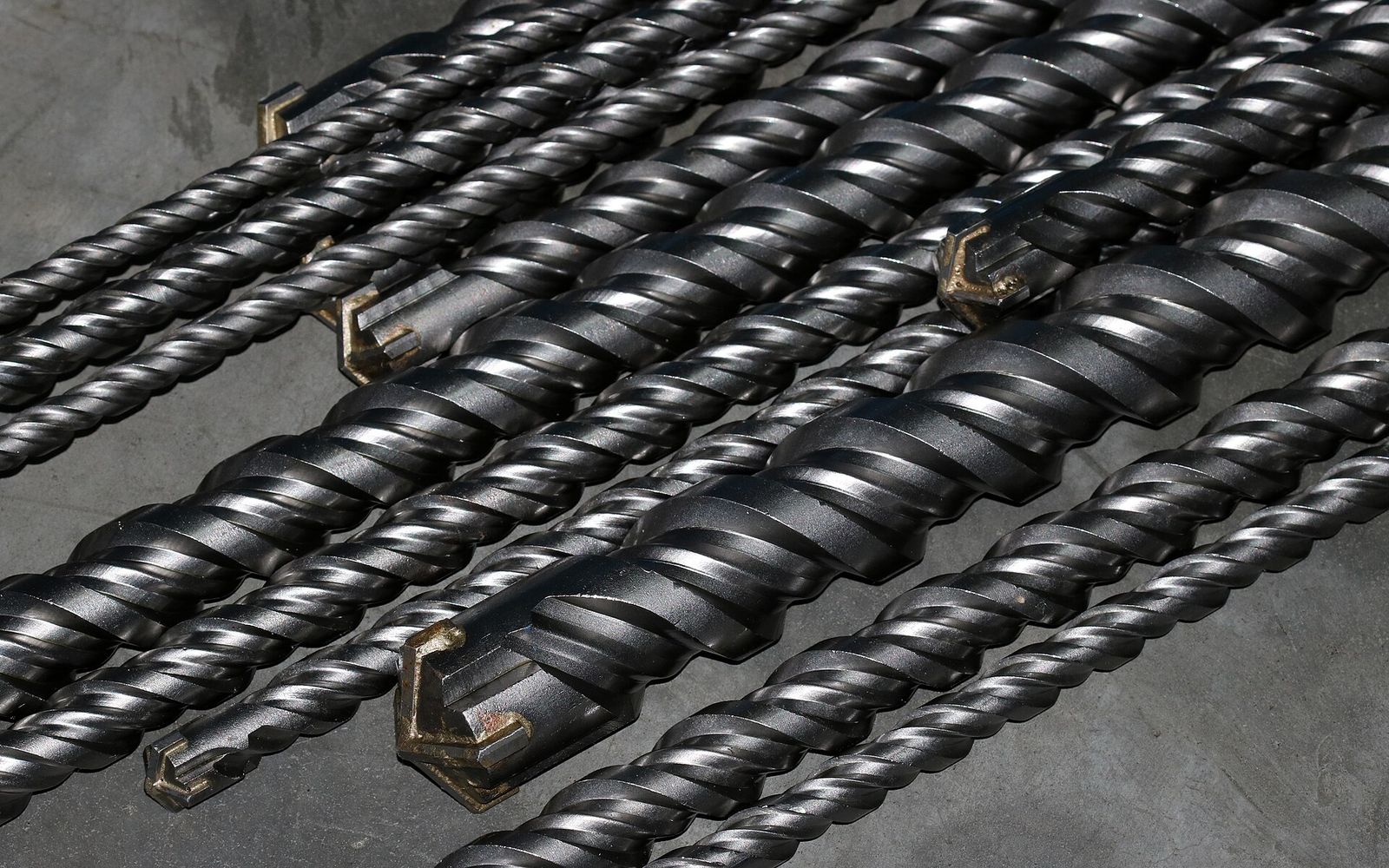
Which drill bit suits wood, metal, masonry or tile, what HSS, cobalt and carbide mean, what bit coatings really add, and how to drill cleaner, safer holes.
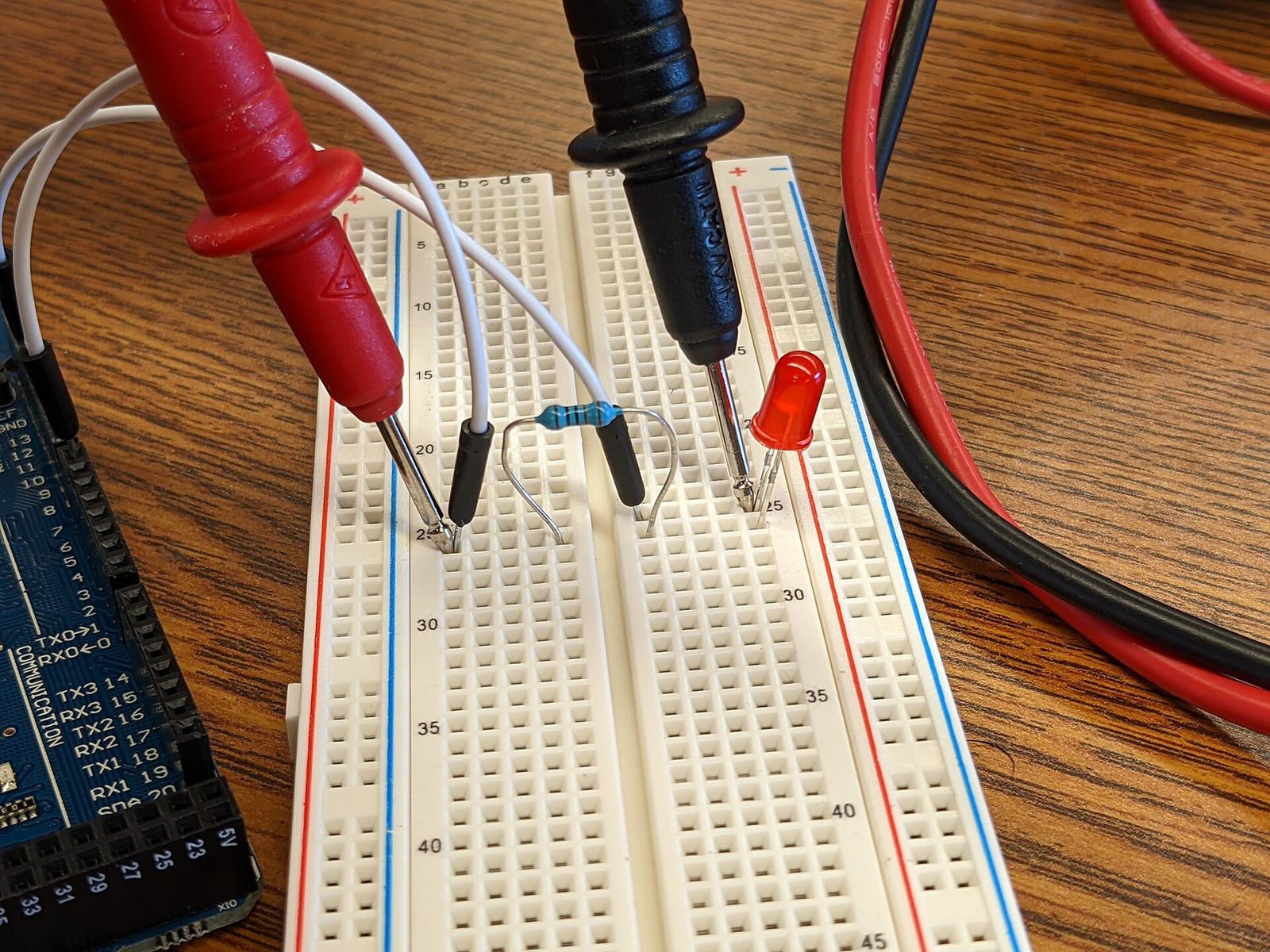
What a digital multimeter measures, what counts, accuracy, true RMS and auto-ranging mean, and how CAT safety ratings tell you where a meter is safe to use.
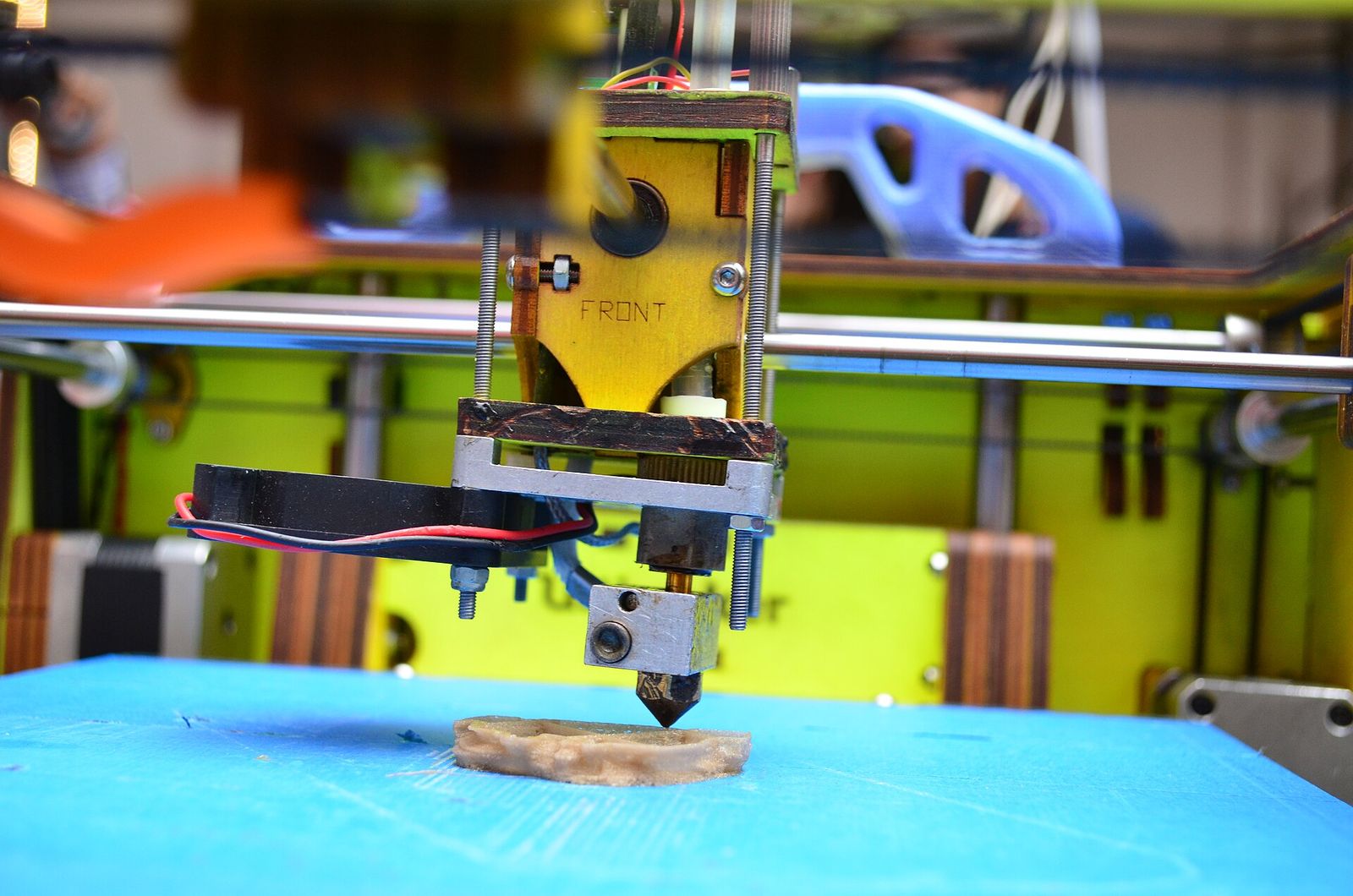
How filament (FDM) and resin 3D printers differ, what build volume and features matter, which filaments to start with, and how to handle fumes and resin safely.
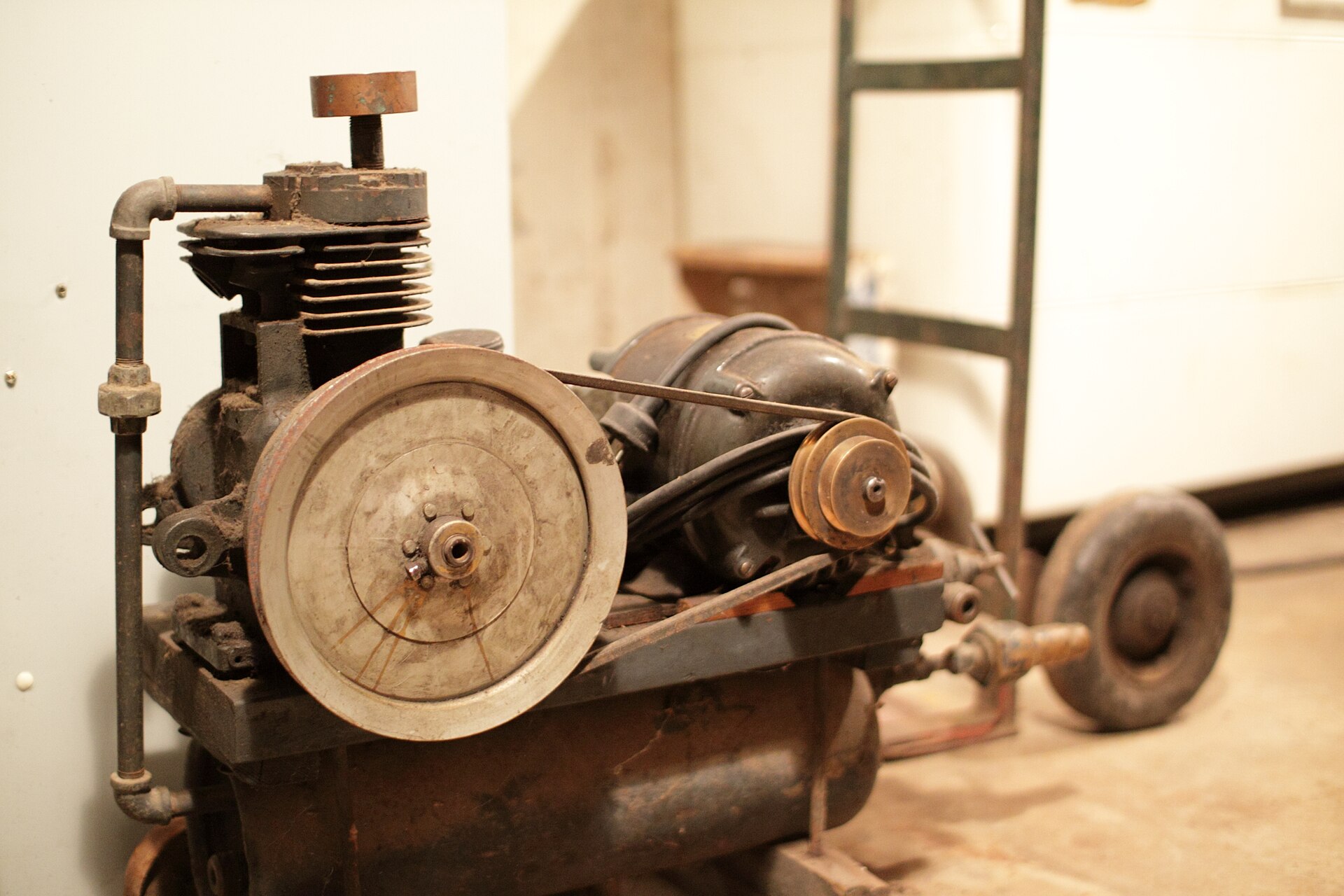
How to read compressor specifications, why CFM at 90 PSI matters more than tank size or horsepower, and how to match a compressor to your nailers and air tools.

How to choose an angle grinder size, which disc to fit for cutting, grinding or masonry, how guards and switches protect you and how to avoid kickback.

The four welding processes compared, plus what 120 V versus 240 V, amperage, duty cycle and multi-process machines mean for a first-time buyer.

Crosscuts, rip cuts, angles and sheet goods: how the three most common power saws differ, what their sizes mean and which to buy first for your projects.
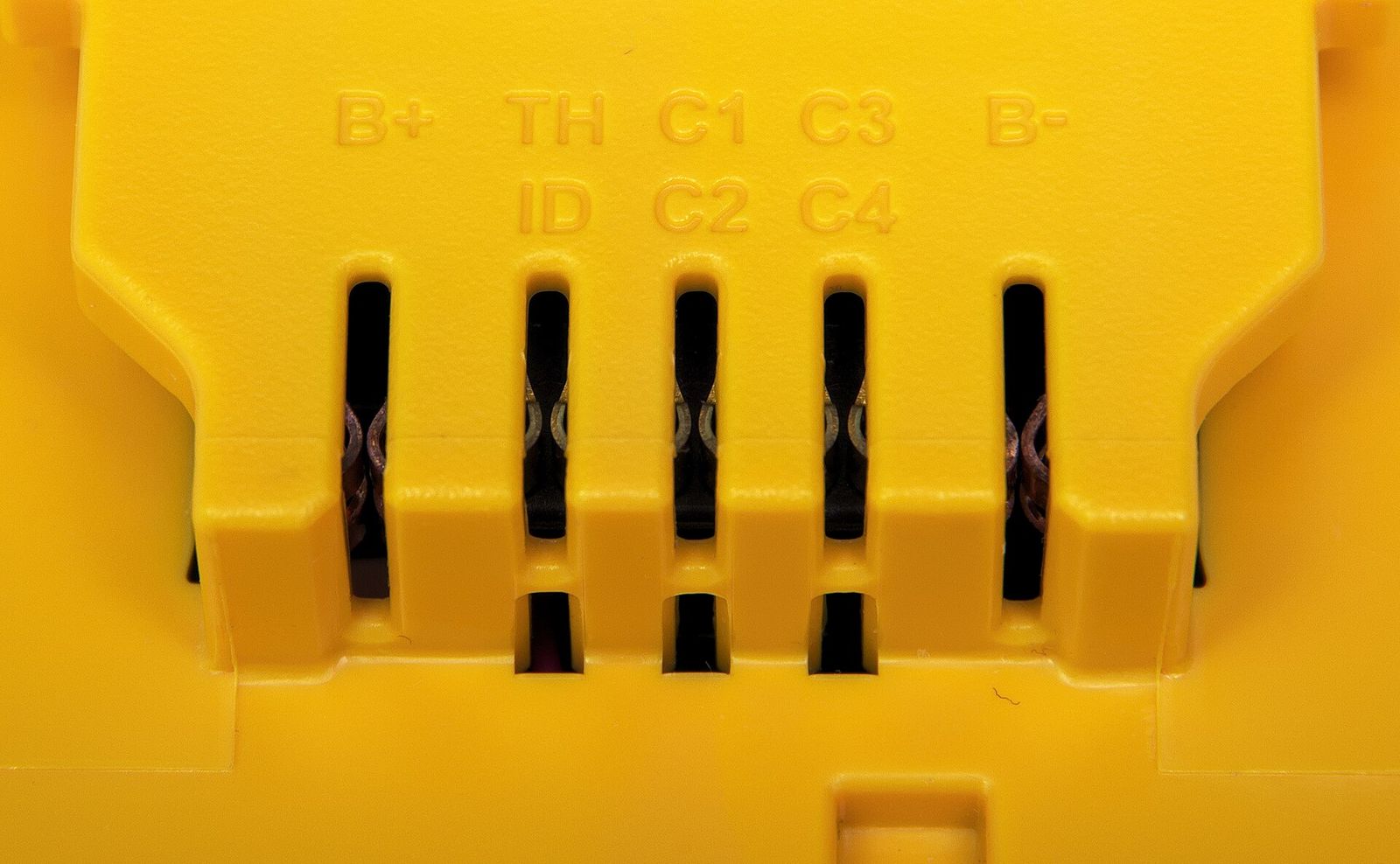
What voltage, amp-hours and brushless motors really mean for cordless tools, and why the battery platform you pick matters more than any single tool.

Optical versus electrical power, what a hobby diode laser can and can't cut, which materials must never be lasered, and how to handle fumes, fire and eyes.
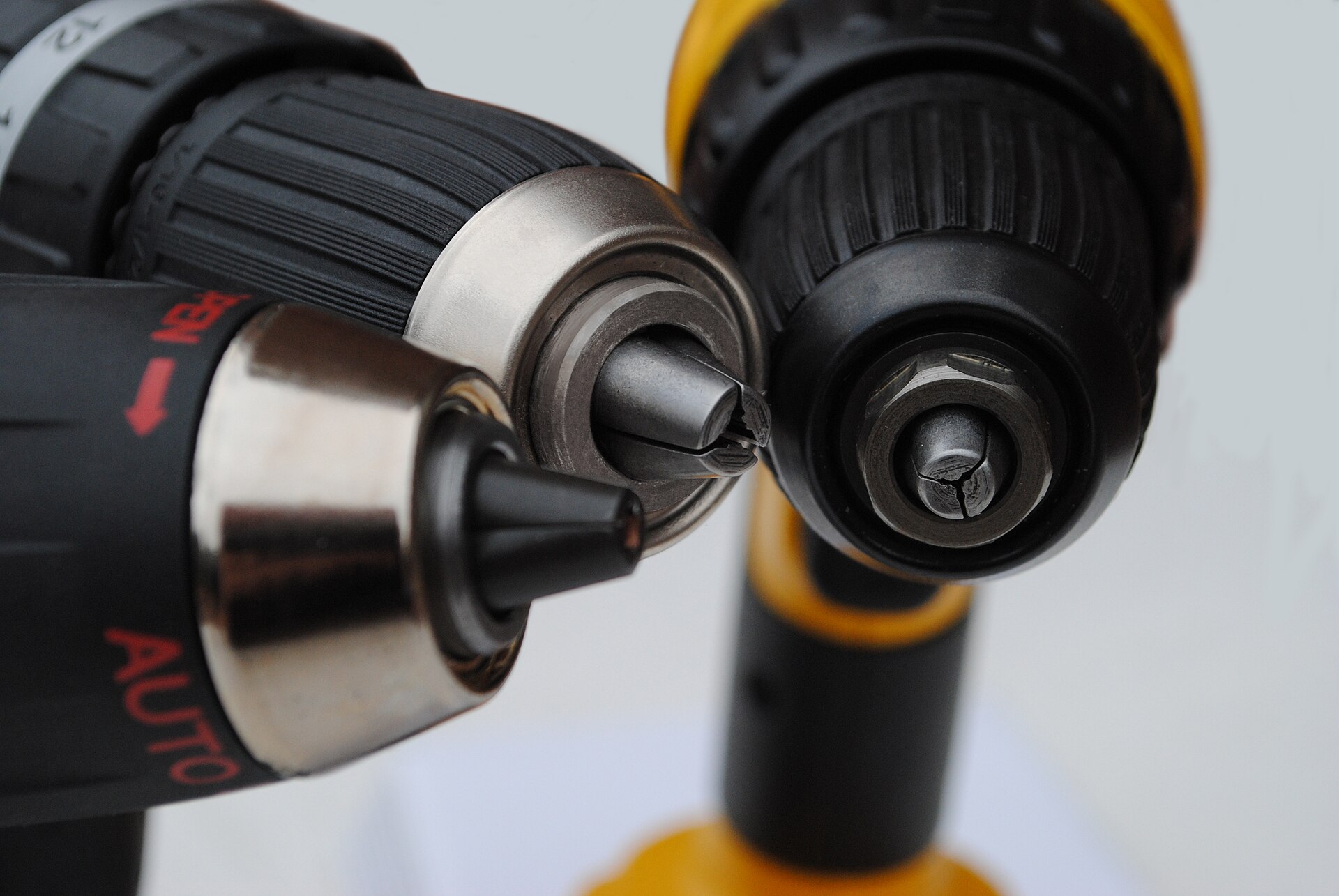
Clutch versus impact mechanism, torque figures, brushless motors, battery voltage and amp-hours, and when you need a hammer drill, explained in plain terms.
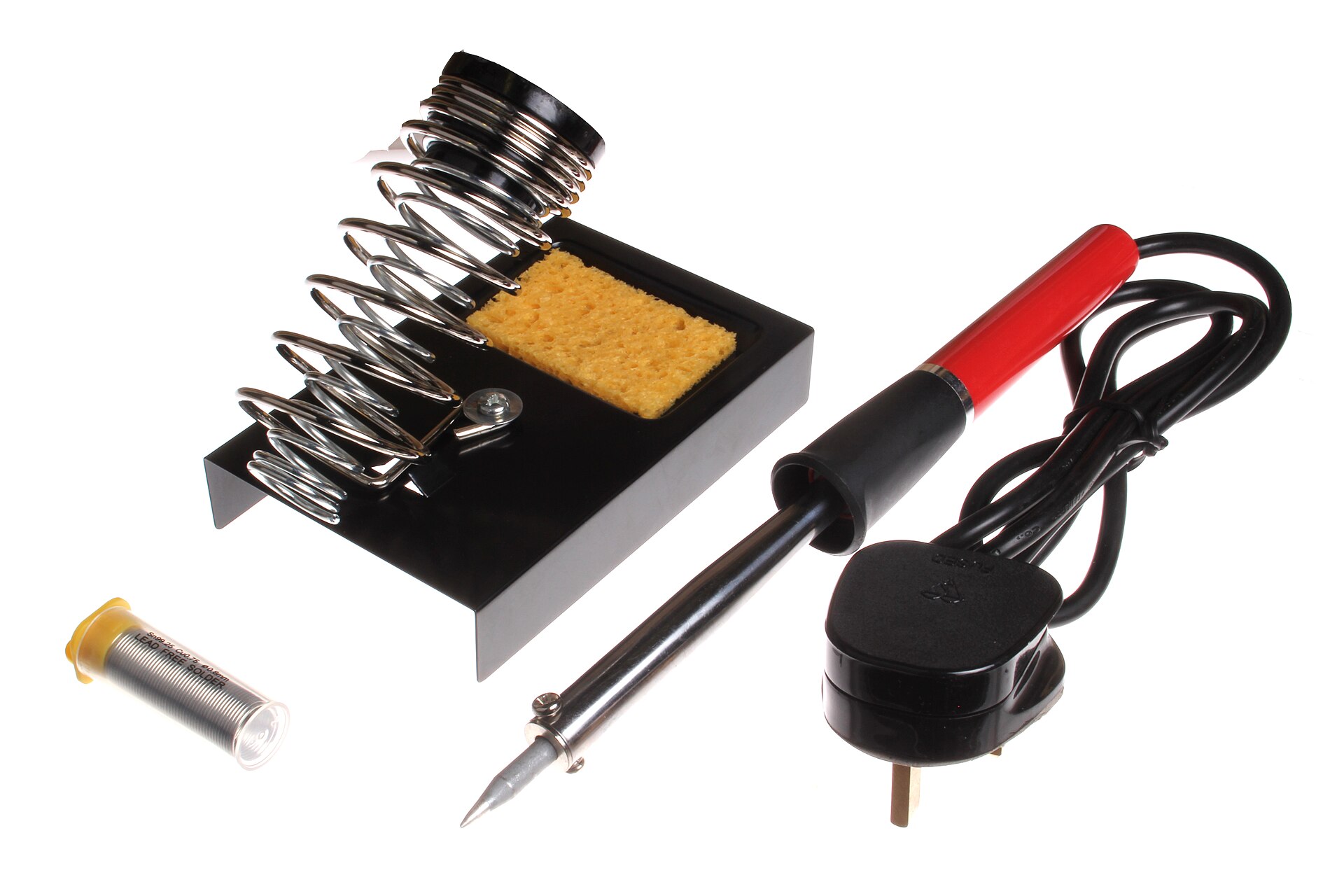
What heat guns and soldering irons are for, how temperature control, nozzles and tips work, and the fire, fume and lead-paint precautions to take.
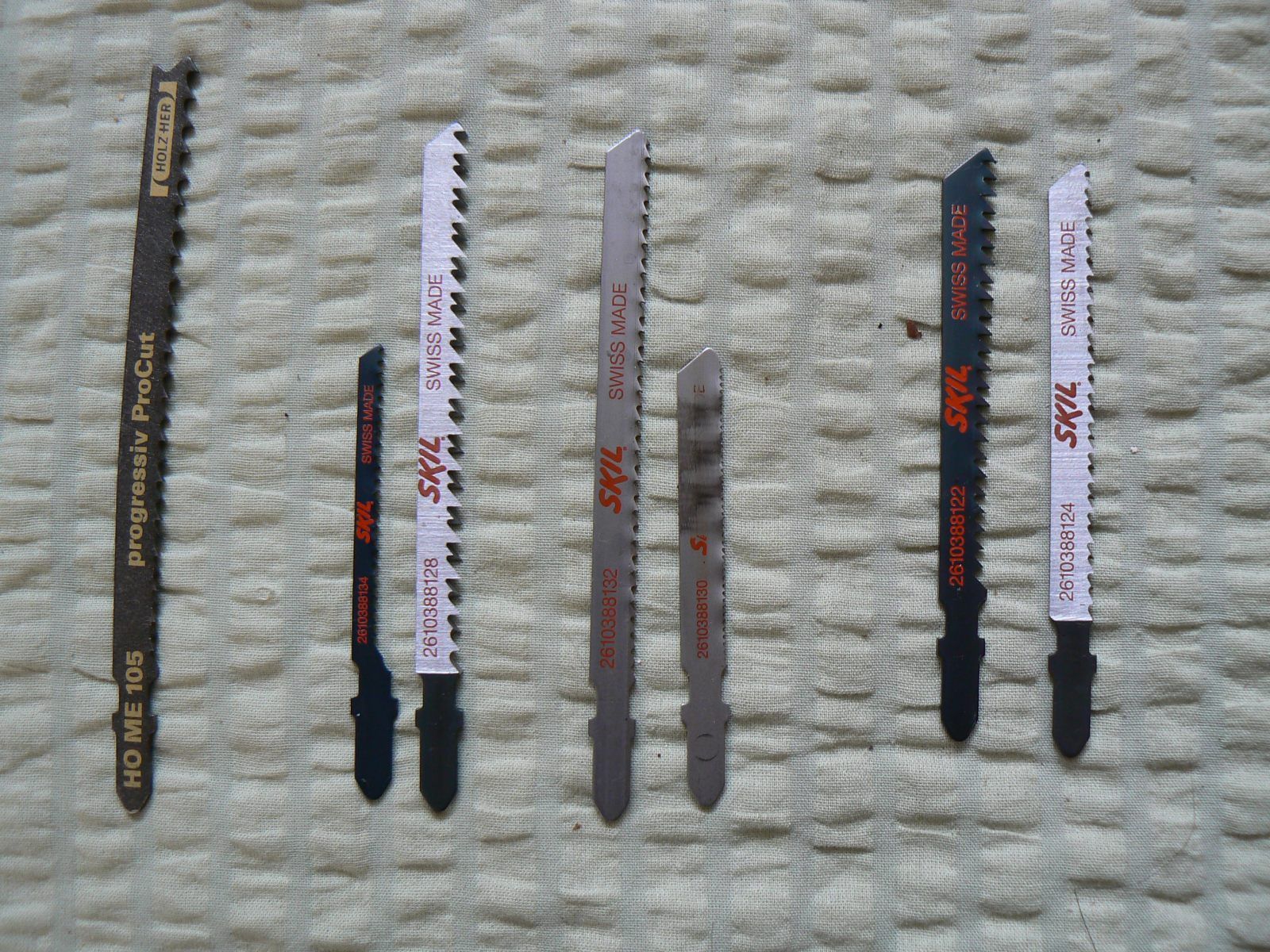
Both saws cut with a blade that moves back and forth, but one is for curves and the other for demolition. Here's how they differ and how to pick the right blade.
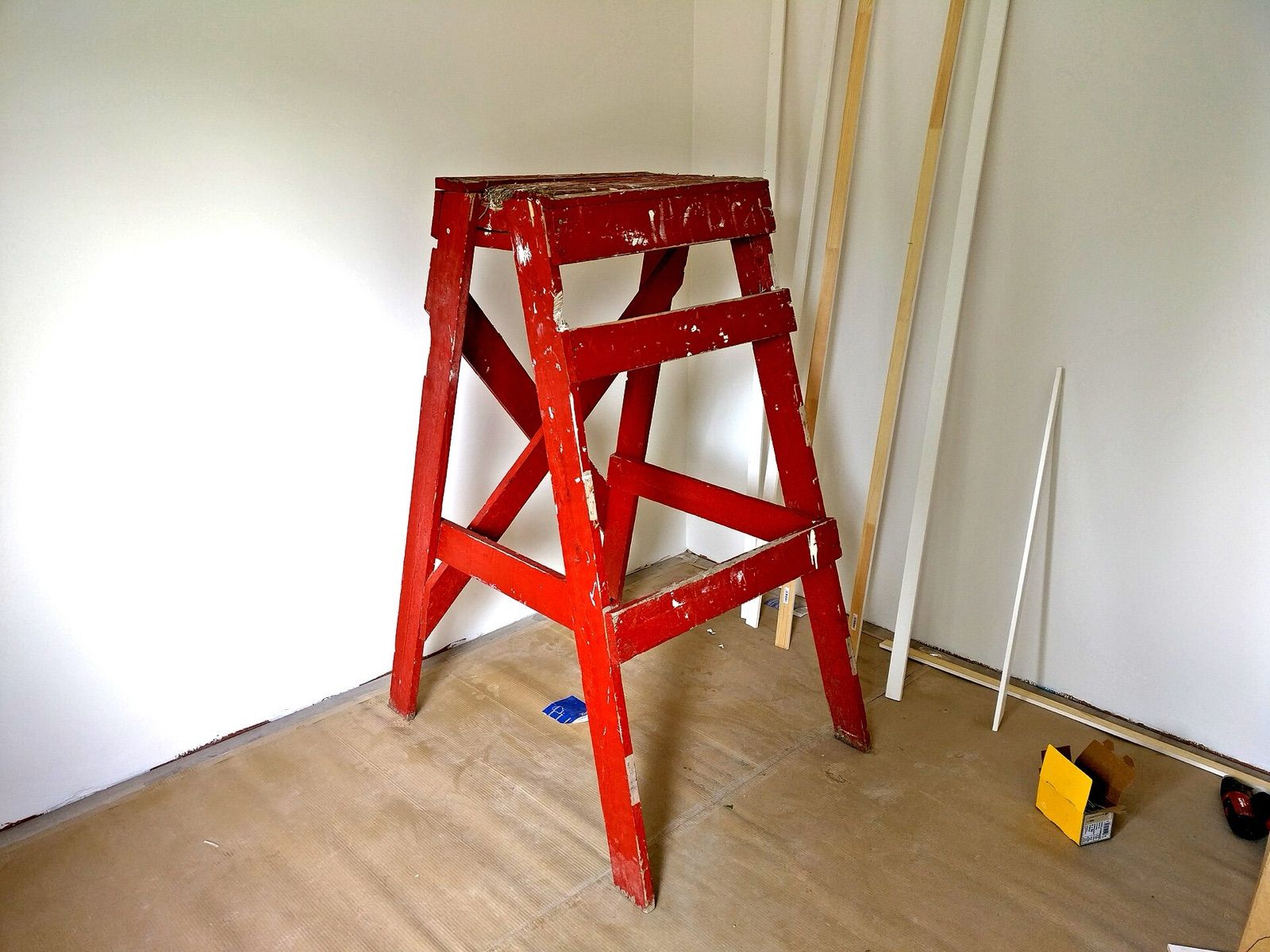
Stepladders, extension and multi-position ladders compared, what duty ratings and materials mean, how to size a ladder, and how to stay safe near power lines.
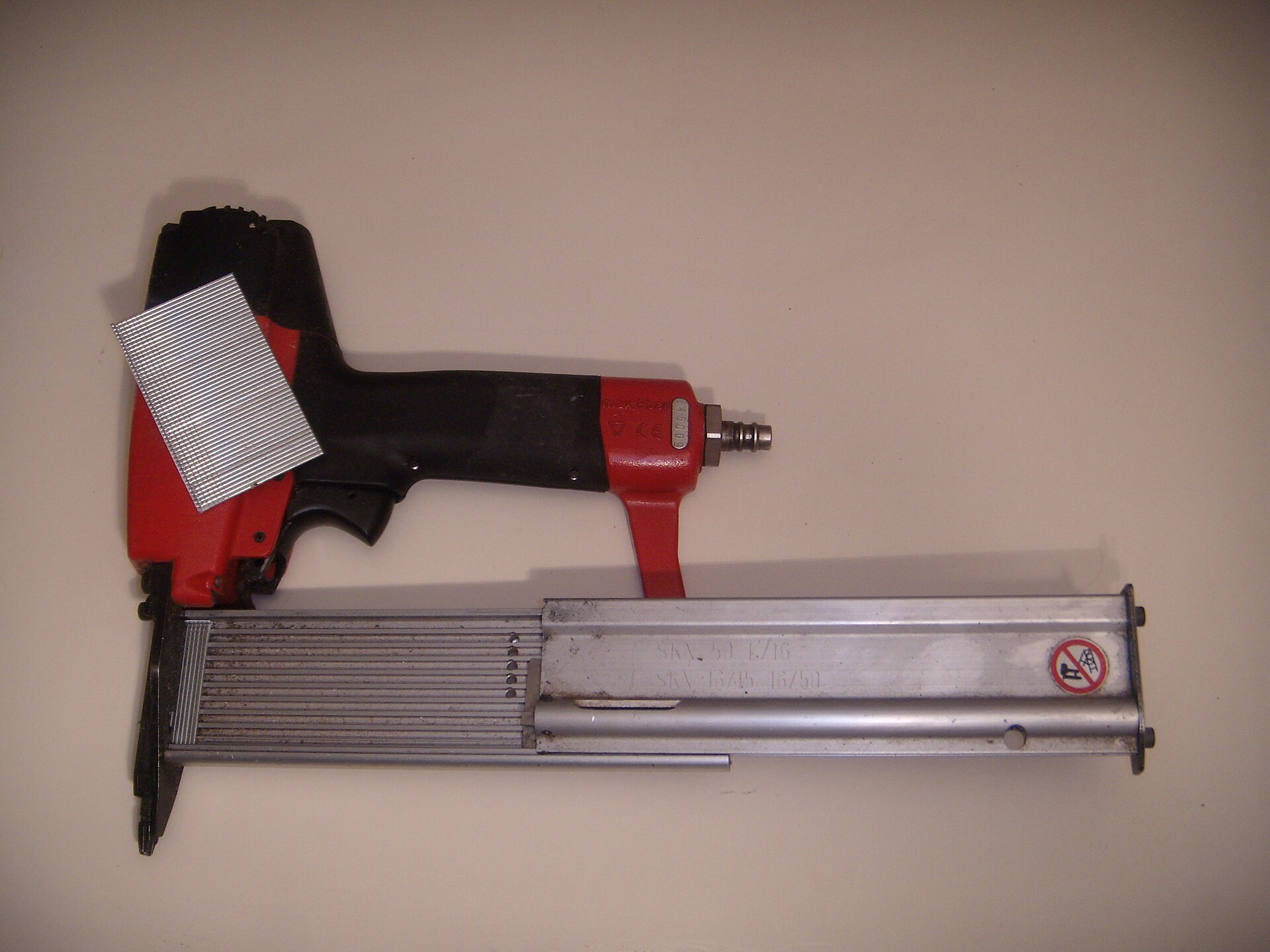
Which nailer suits trim, framing or roofing, what nail gauge and collation angle mean, and how pneumatic and cordless nail guns compare for home projects.
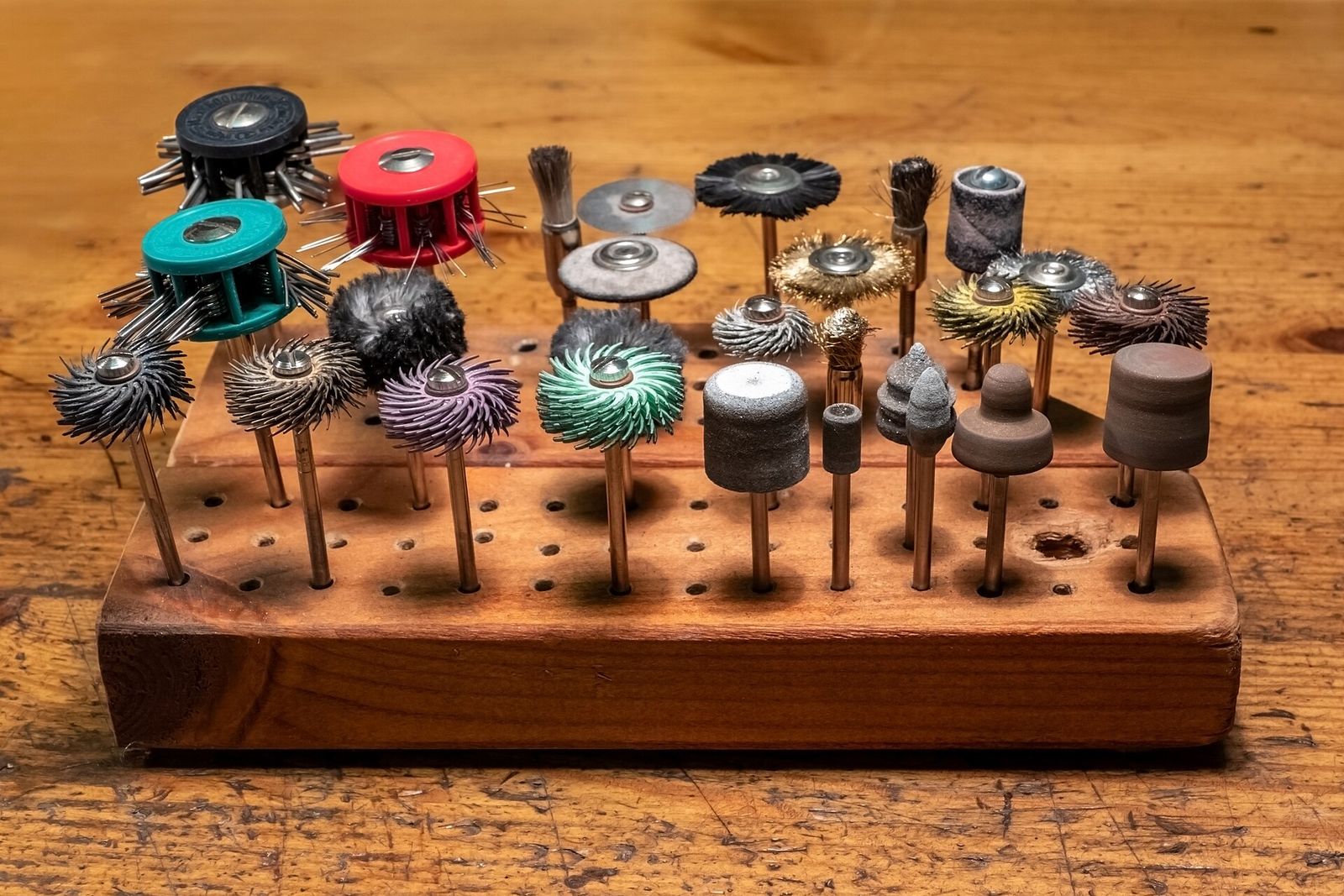
An oscillating multi-tool and a rotary tool look like cousins but do very different jobs. Here's how each works, which accessories matter and which one you need.
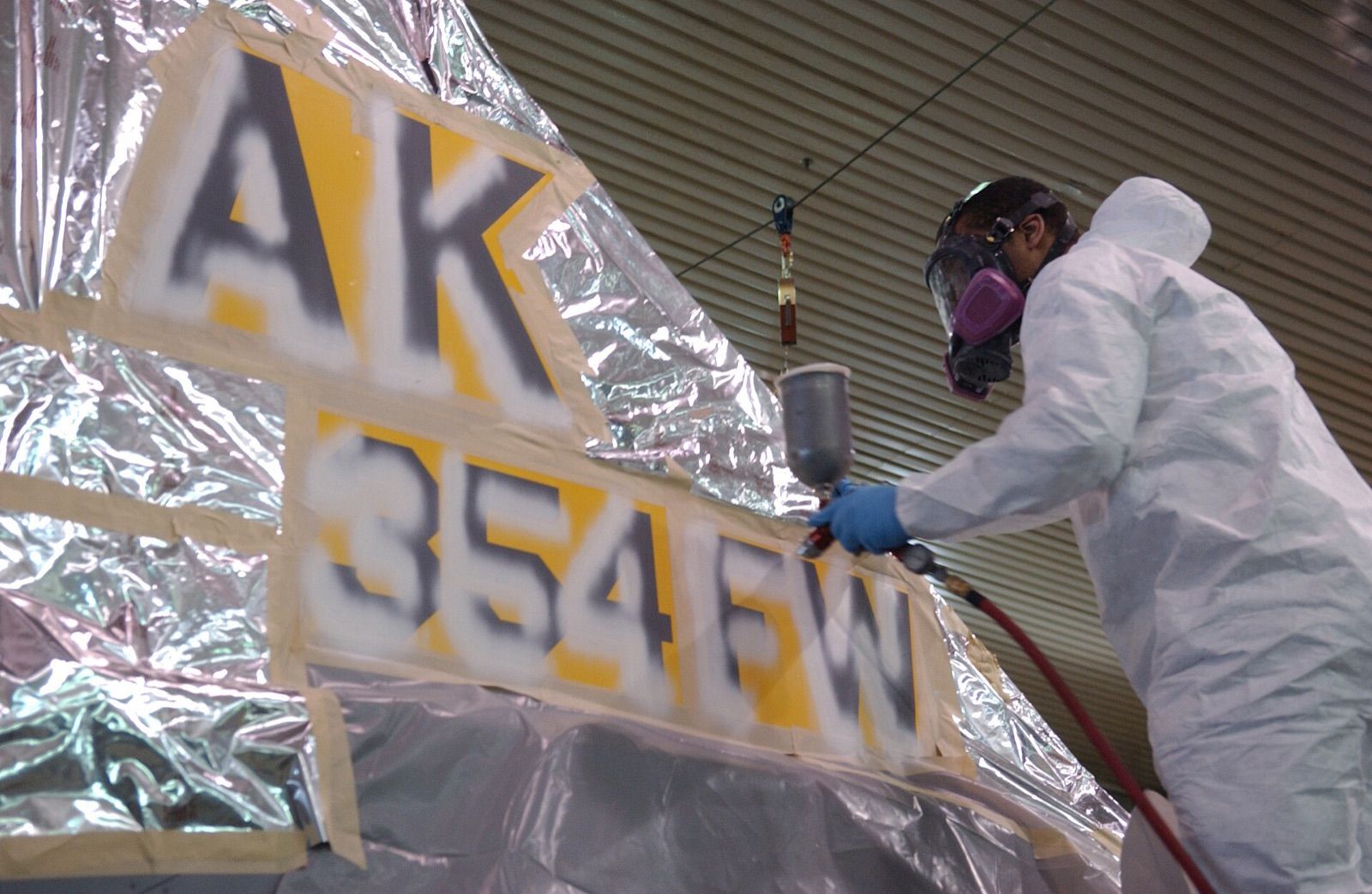
How airless, HVLP and air-assisted sprayers differ, what tip sizes mean, how to thin paint, and how to control overspray and stay safe while spraying.
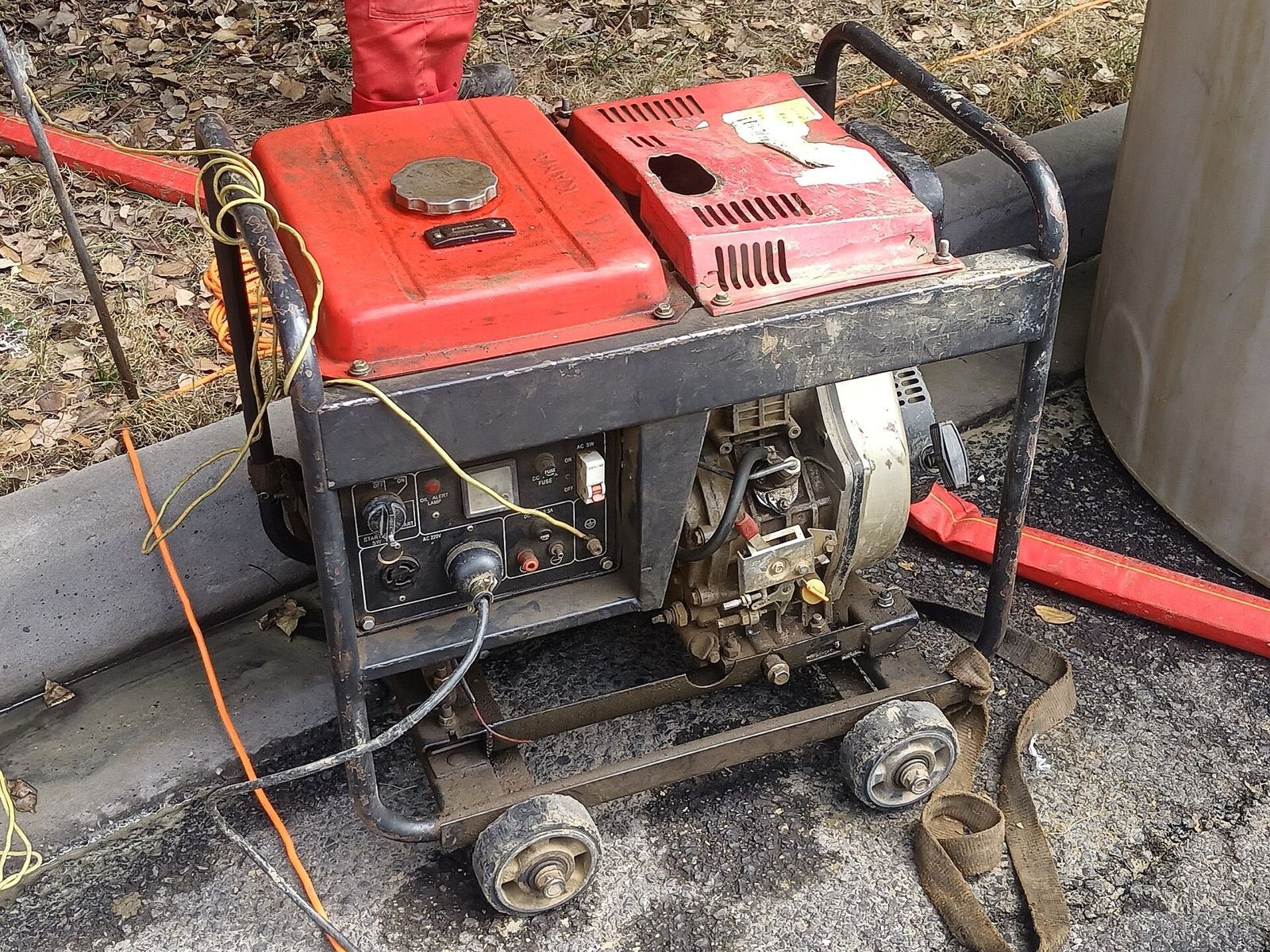
Inverter versus conventional generators, running and starting watts, fuel choices, transfer switches and the carbon monoxide rules that keep households safe.

PSI gets the headlines, but flow and nozzles decide how fast you actually clean. Here's how to read the numbers and match a pressure washer to the job.
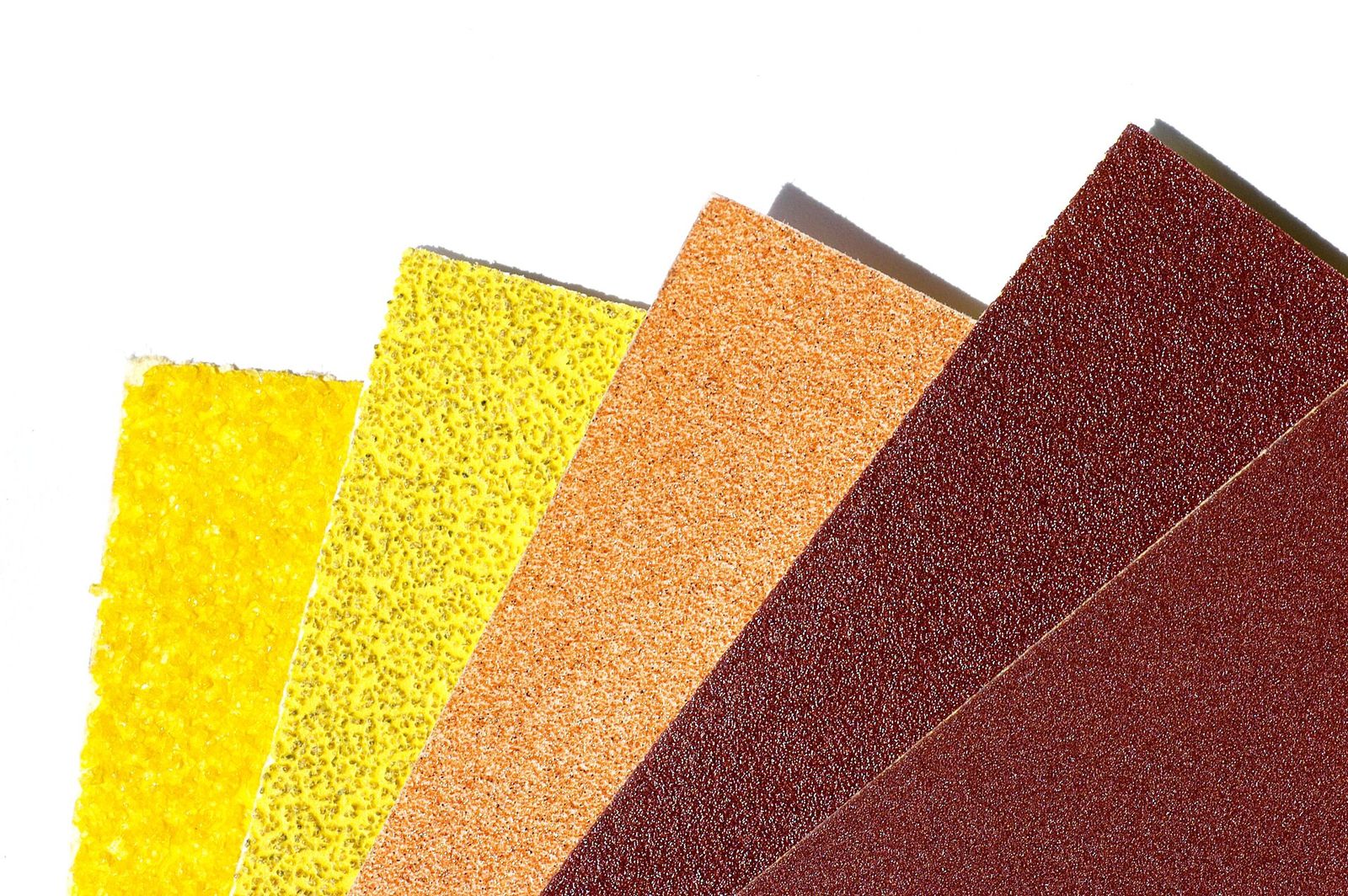
Which power sander suits which job, how sandpaper grits work, when to move to the next grit and why dust extraction matters for your finish and your lungs.
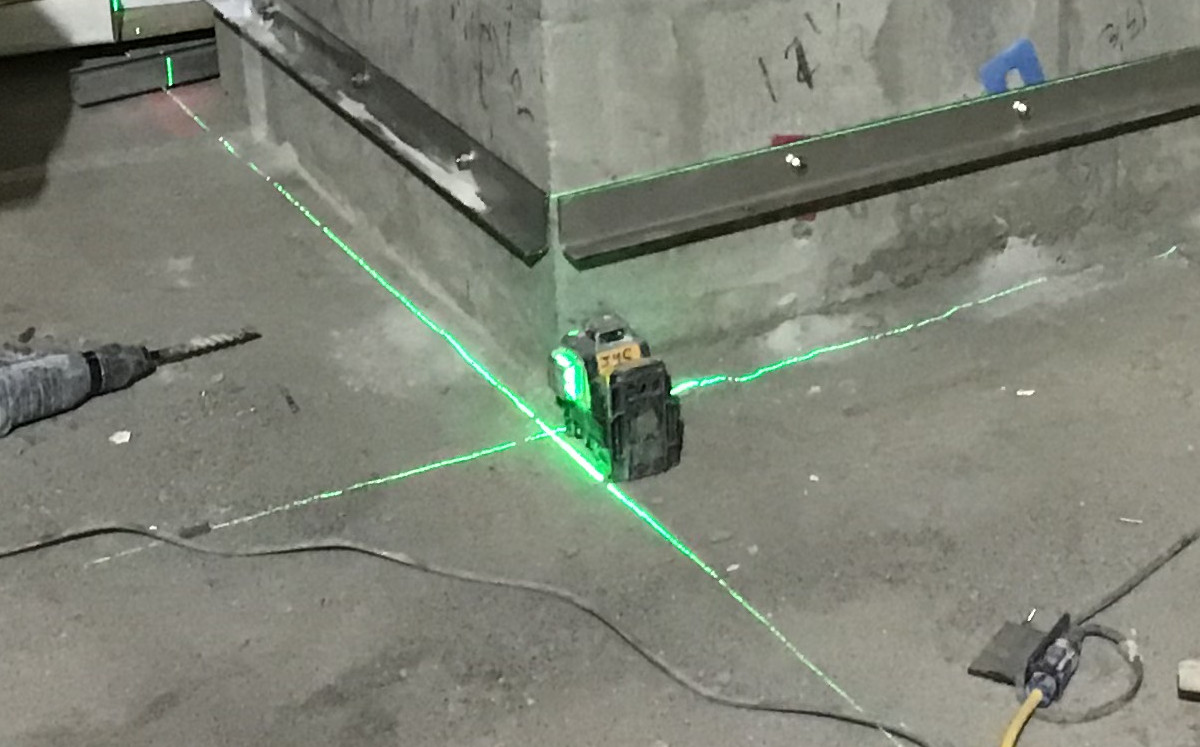
Magnetic versus electronic stud finders, line versus rotary lasers, and what accuracy figures really mean when you hang shelves, cabinets and tile.
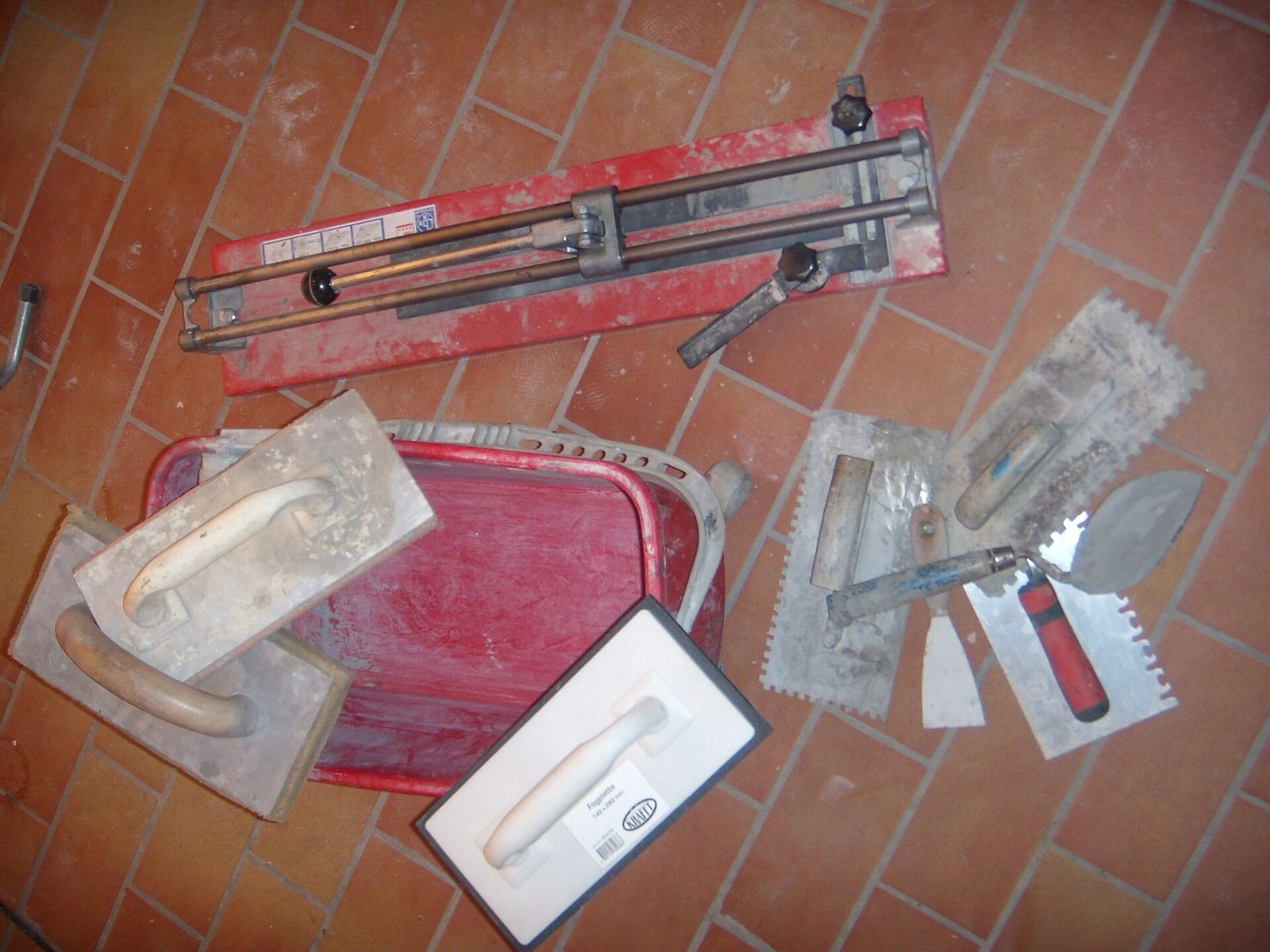
Which tile-cutting tool suits which job, how wet saws and manual cutters compare, which diamond blades and trowels to use, and how to control silica dust.
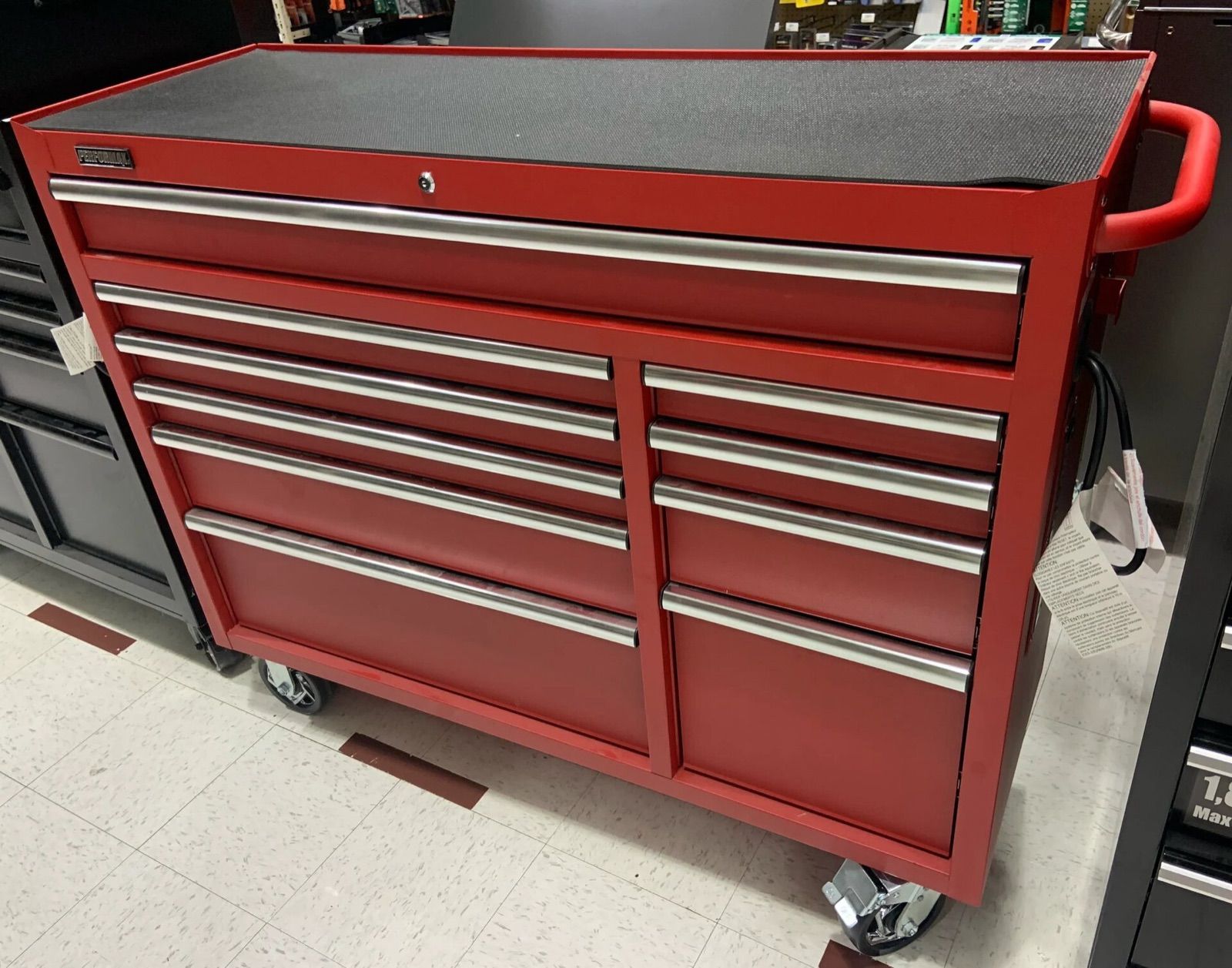
How to choose tool storage: rolling cabinets and top chests, wall systems and stackable cases, plus what drawer slides, steel gauge and load ratings mean.
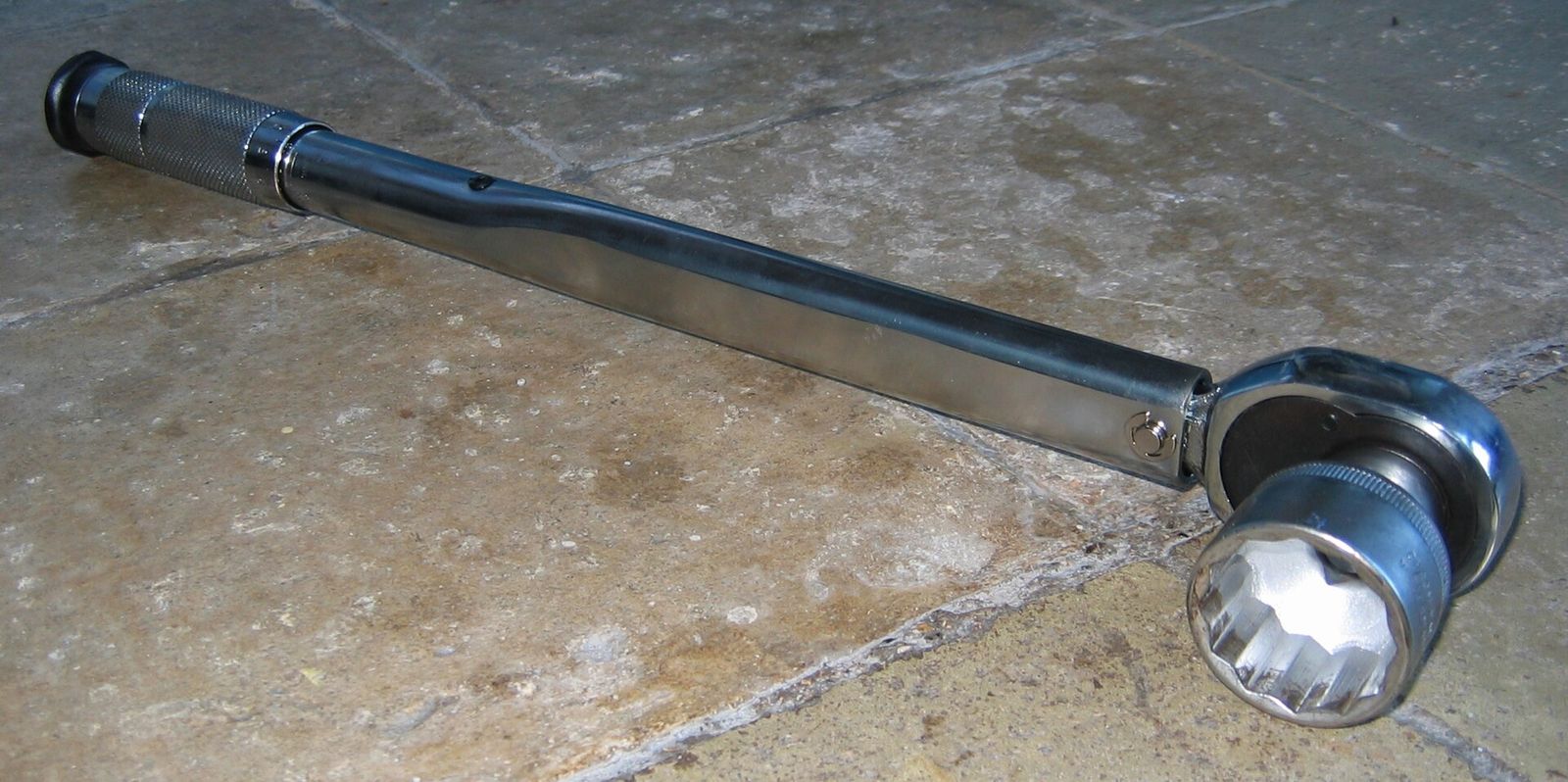
How click, beam and digital torque wrenches work, choosing the drive size and range, converting N·m and ft-lb, using one correctly and keeping it calibrated.
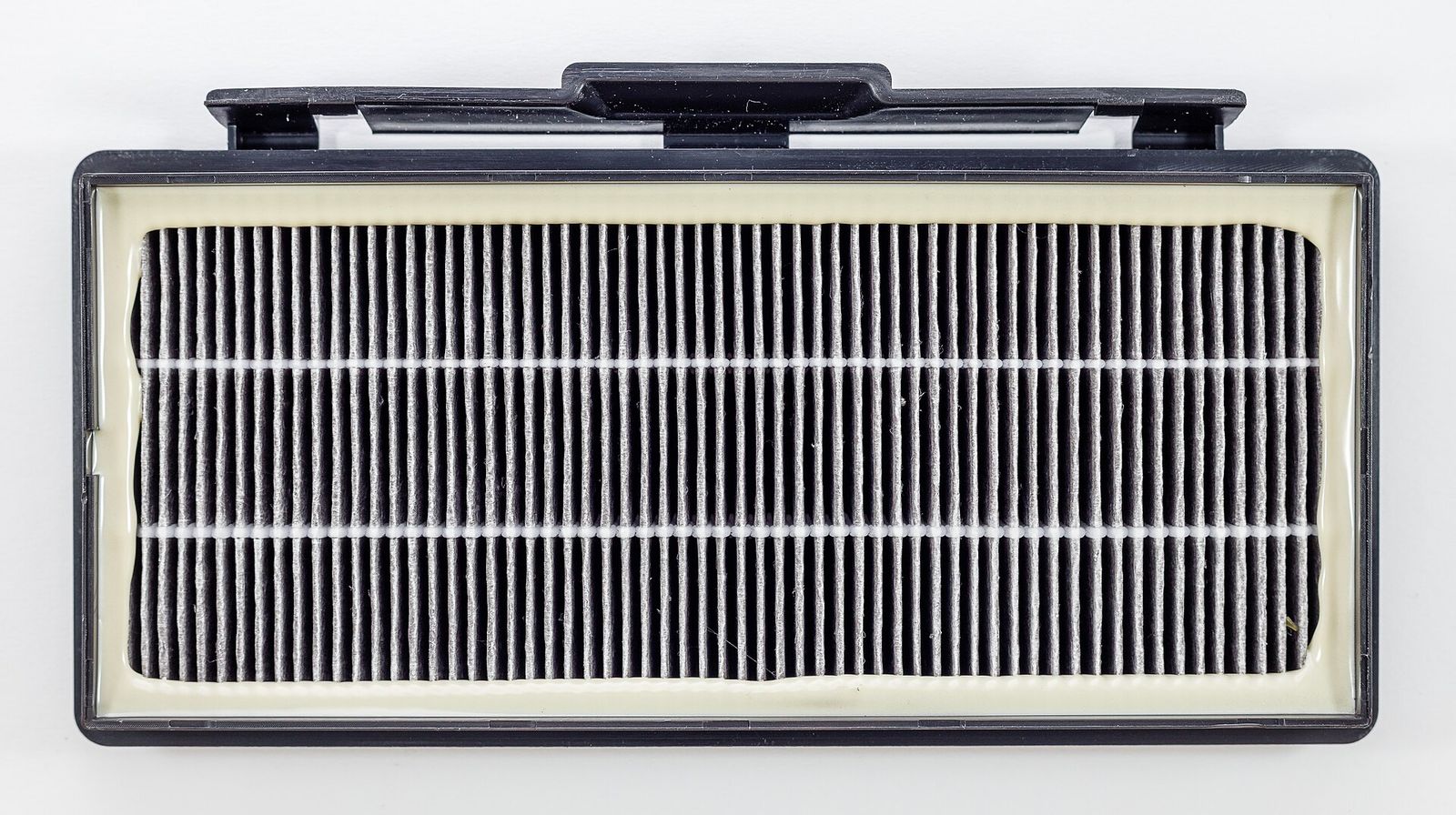
Why peak horsepower tells you little, how airflow and sealed lift describe real suction, and which filters and accessories turn a shop vac into dust control.
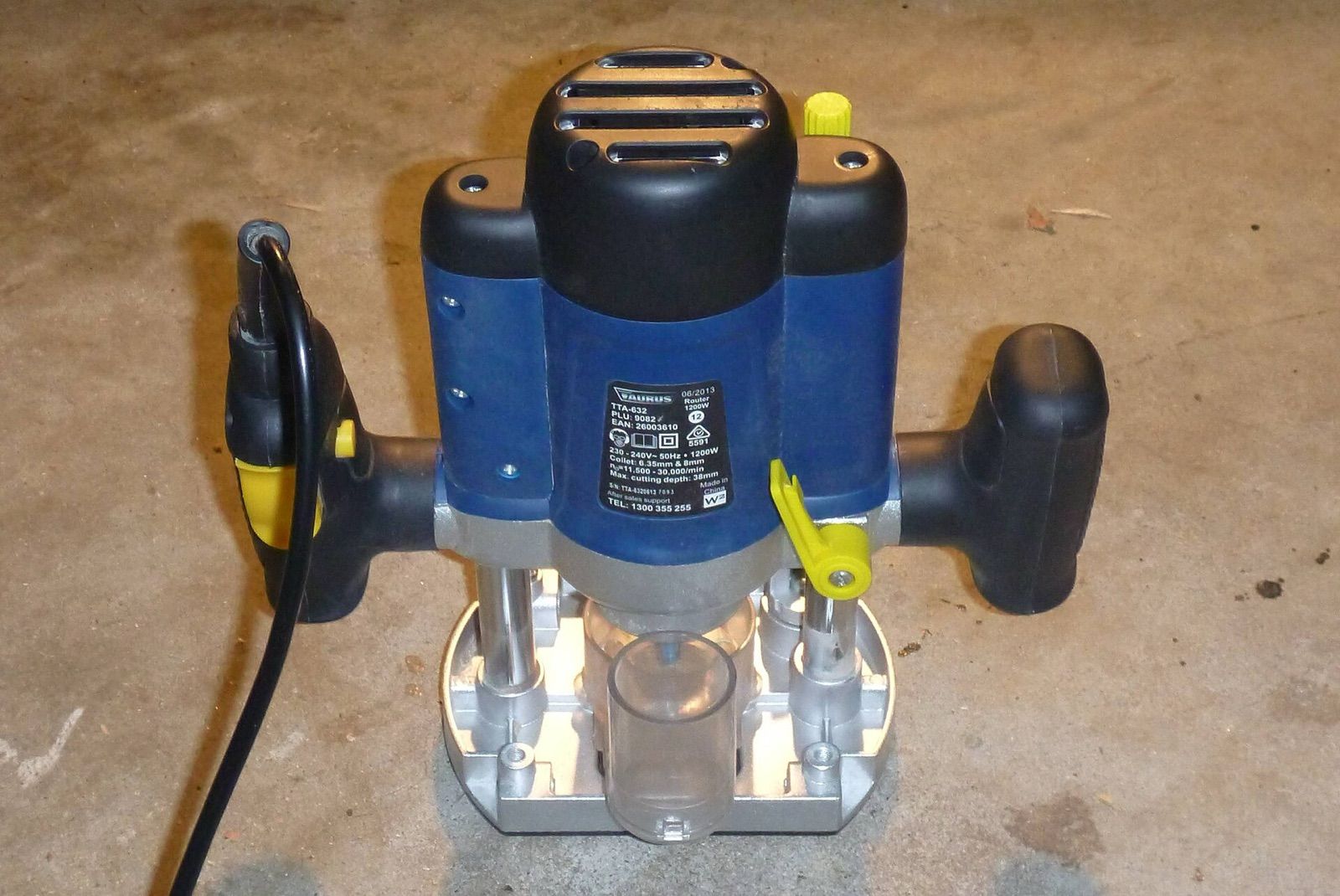
How fixed-base, plunge and trim routers differ, what power, speed and collet size mean, which bits to start with, and the safety rules for routing.
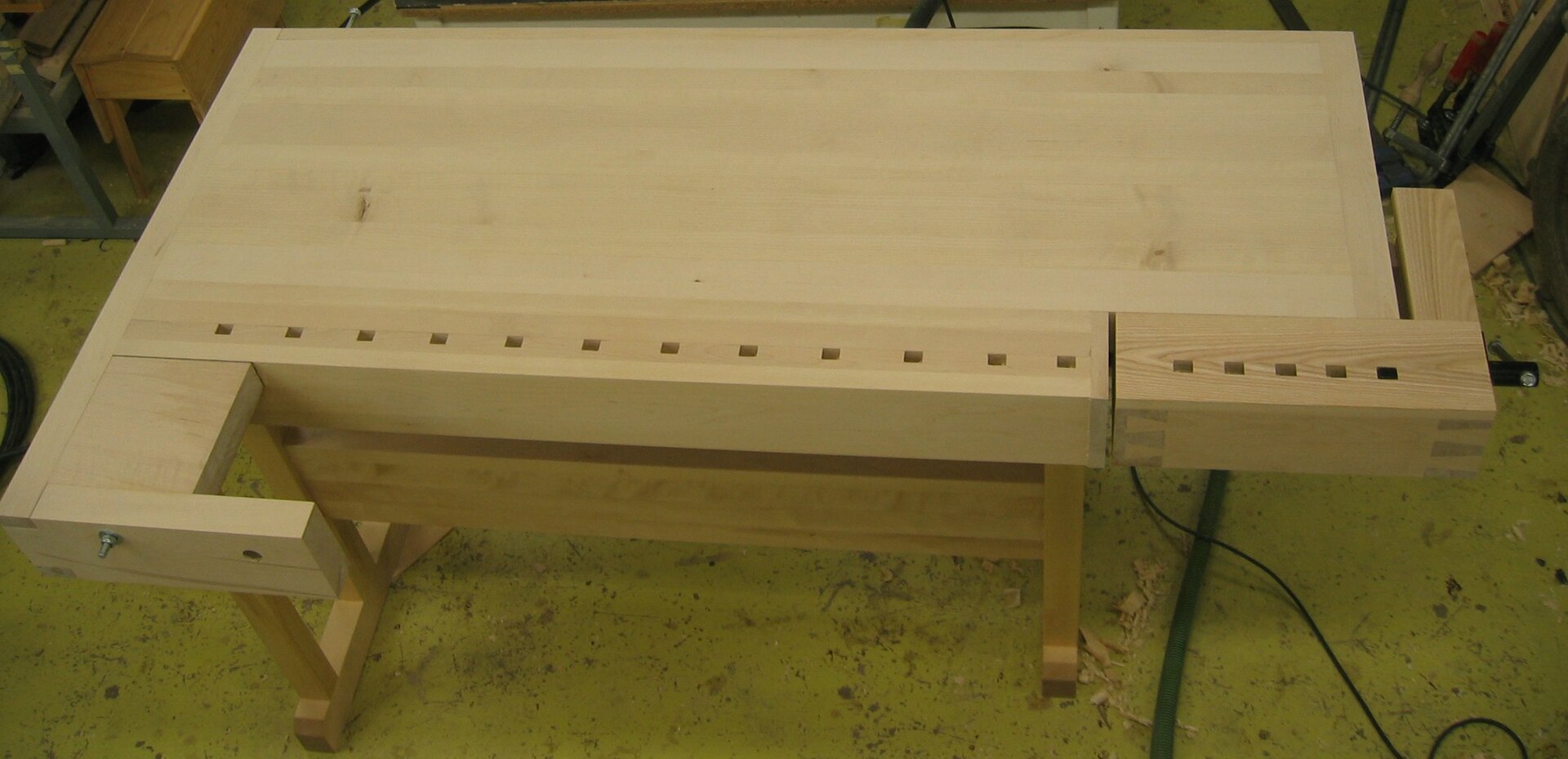
How to pick a workbench height and top, what load ratings mean, and how engineer's vises differ from woodworking face and end vises, with mounting tips.
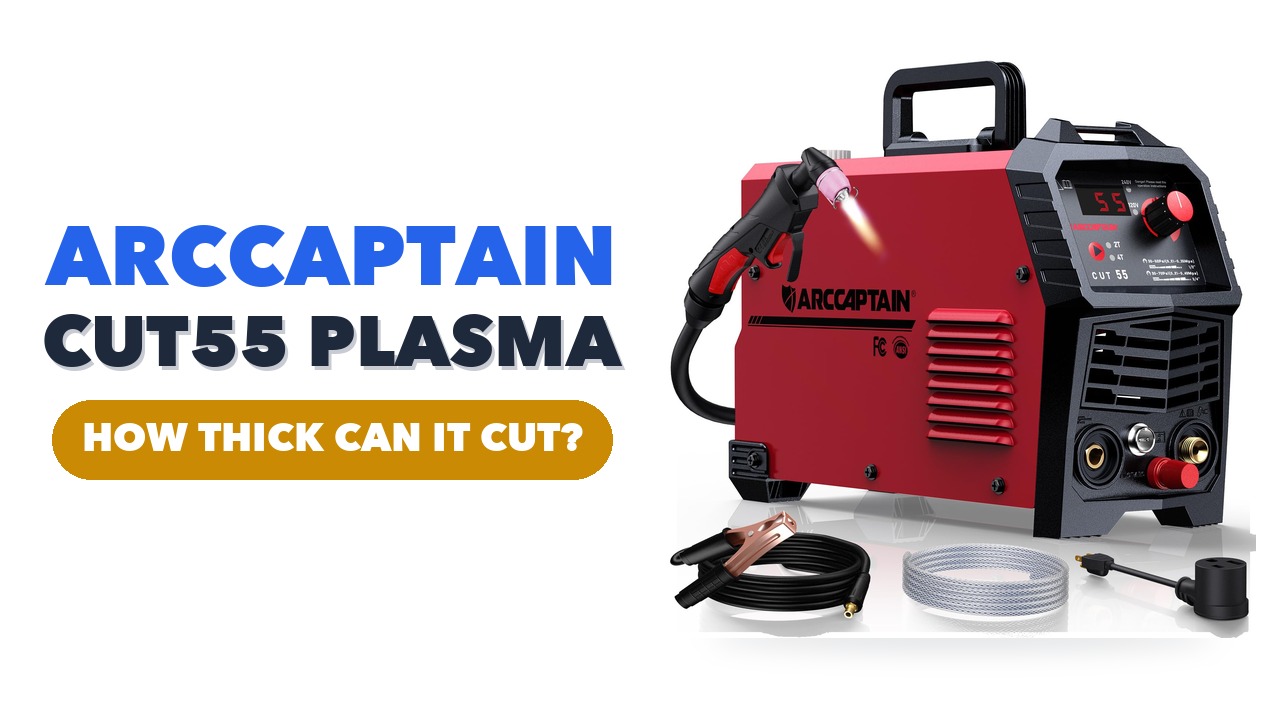
A 55A dual-voltage plasma cutter with a non-touch pilot arc, rated for 1/2-inch clean cuts on 240V. What the ARCCAPTAIN's specs mean for air, power and use.

An auto-darkening welding helmet with a 180° view, four sensors and grind, cut and weld modes. What the ARCCAPTAIN LY800J's shade numbers and specs mean.
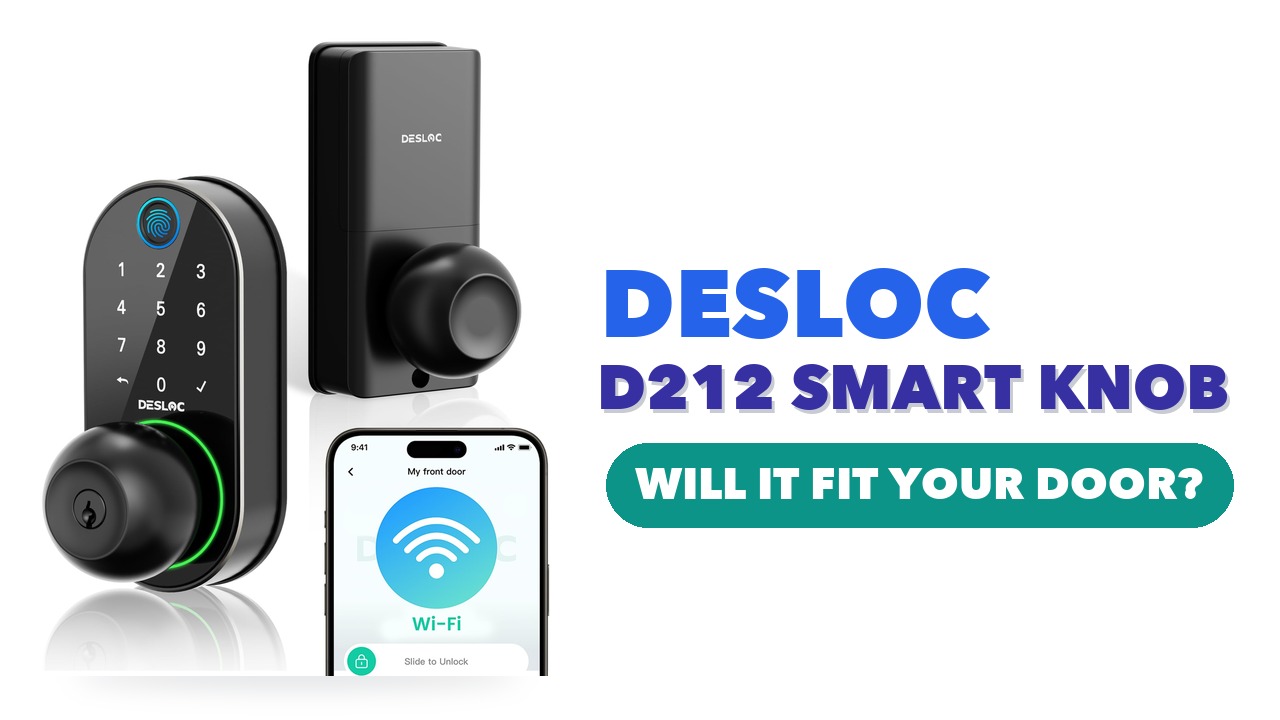
A Wi-Fi fingerprint door knob lock with a keypad, app control, temporary codes and auto-lock, certified to BHMA Grade 3. What its features mean and how to check the fit.
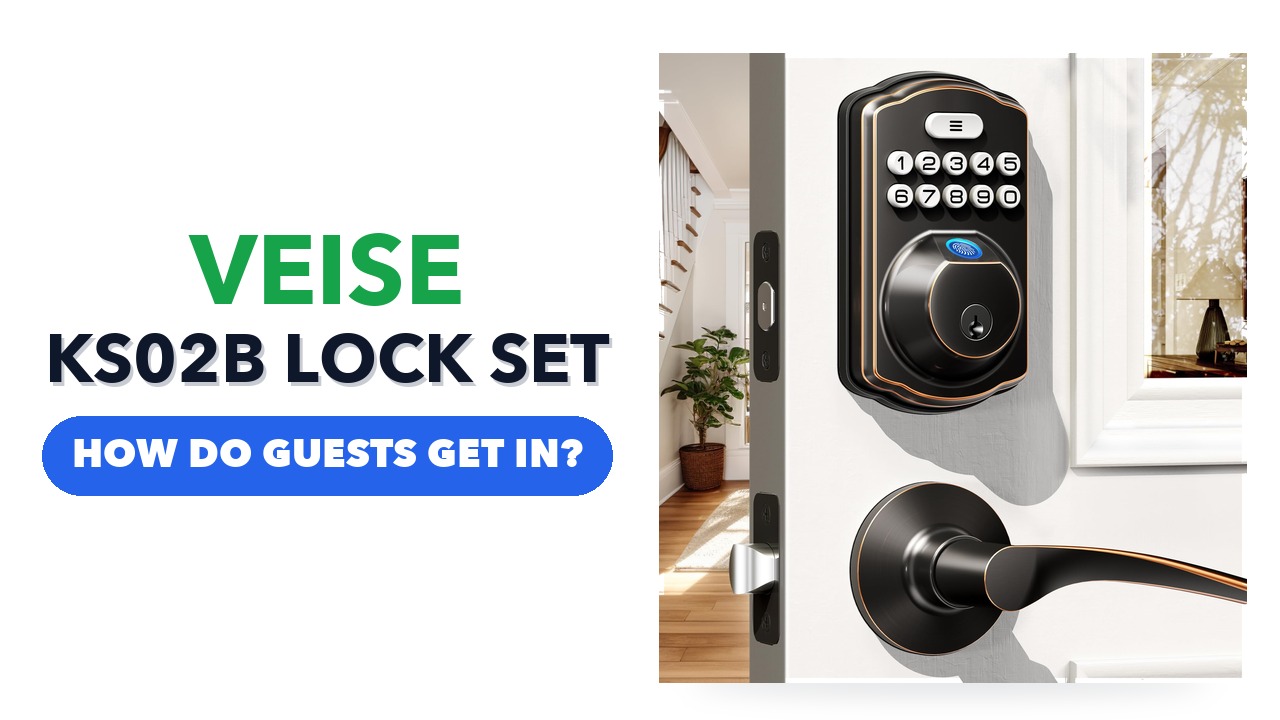
A fingerprint and keypad deadbolt with two matching lever handles, one-time codes, auto-lock and ANSI/BHMA Grade 3 certification. What it does and how to check the fit.
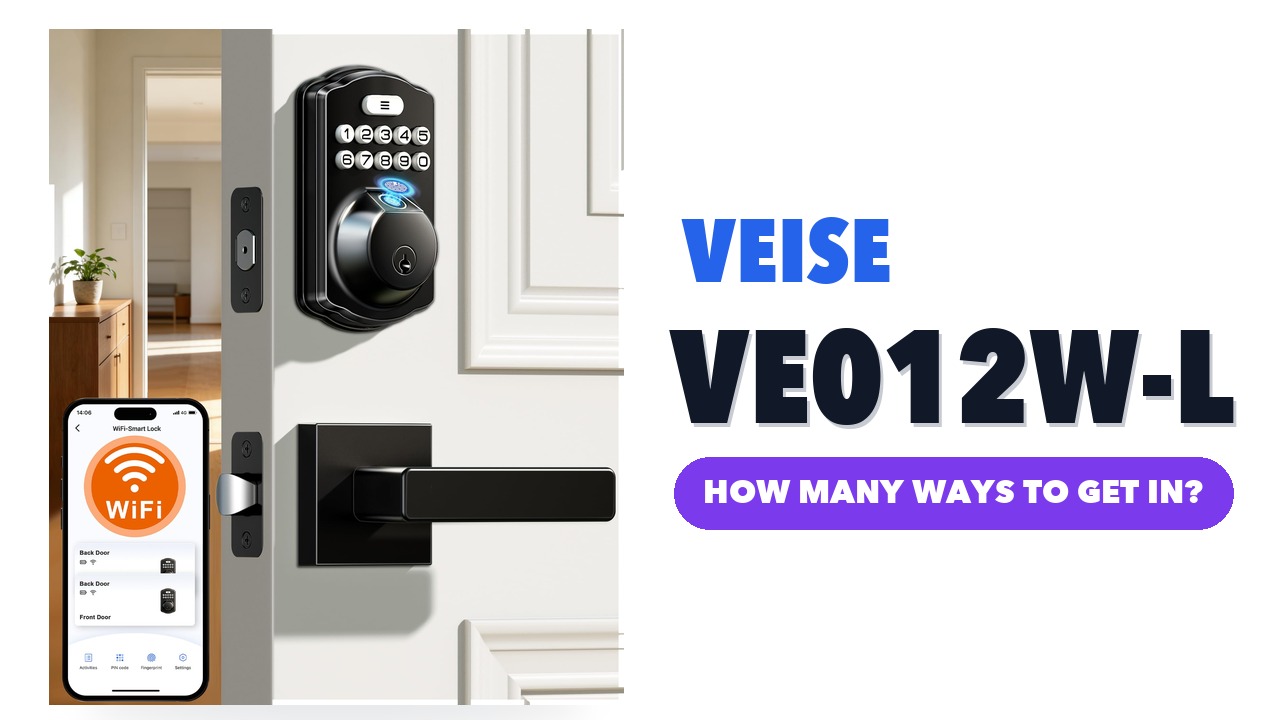
A Wi-Fi keypad deadbolt with a fingerprint reader, app control, guest codes and a matching handle set. What the Veise's features mean and how to check the fit.
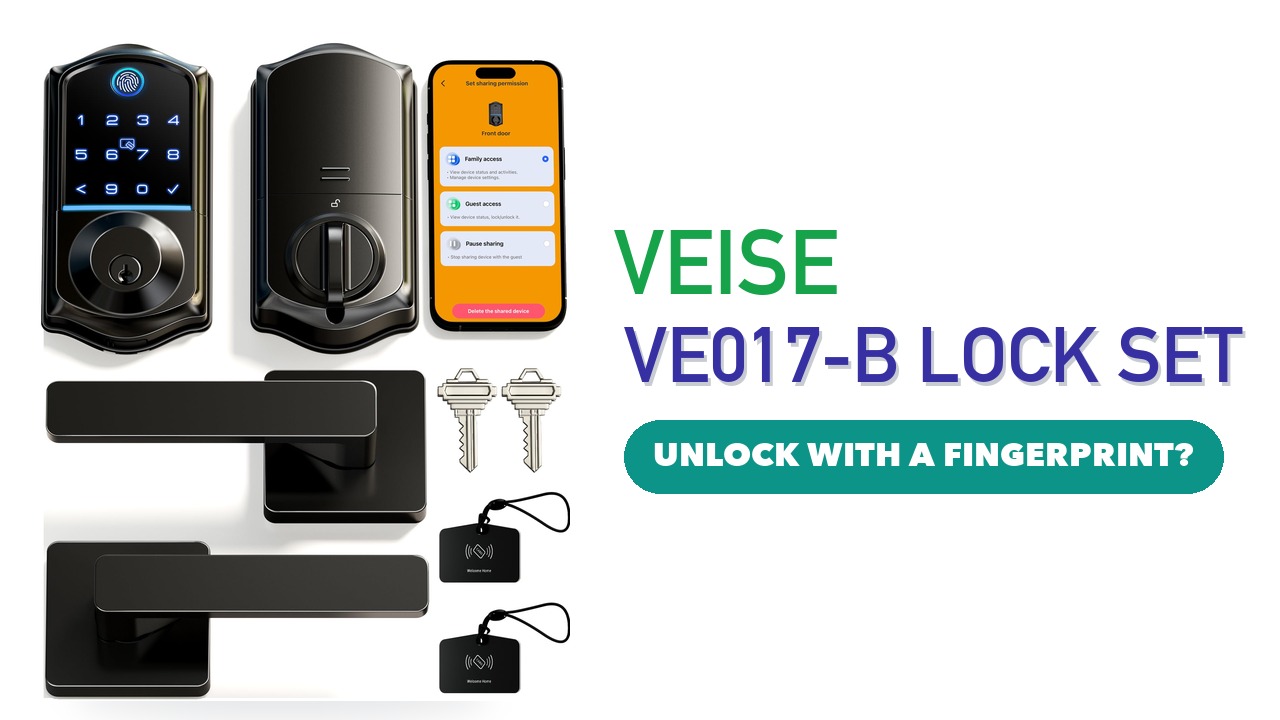
A fingerprint smart deadbolt with a matching lever handle set, 100 custom codes, app access and auto-lock. What the Veise VE017-B's features mean for your door.
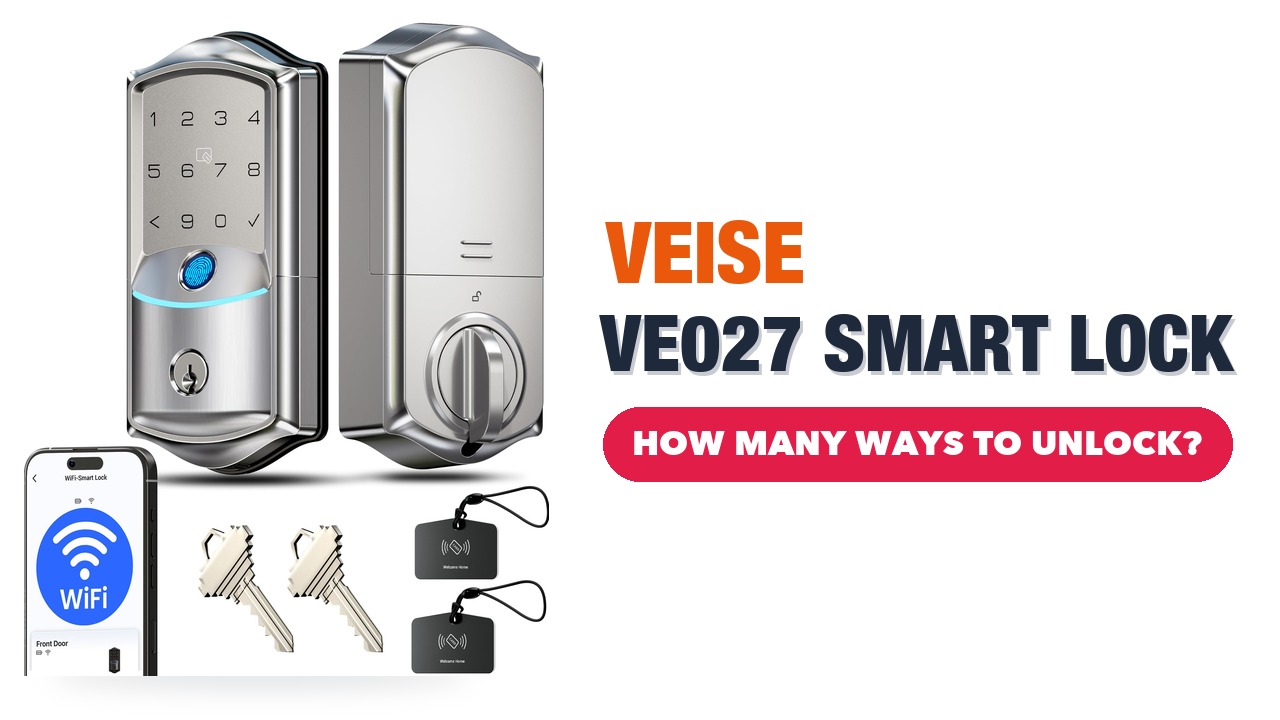
A Wi-Fi smart deadbolt with a fingerprint reader, keypad, cards, keys and app control, no hub needed. What its features mean and how to check it fits your door.
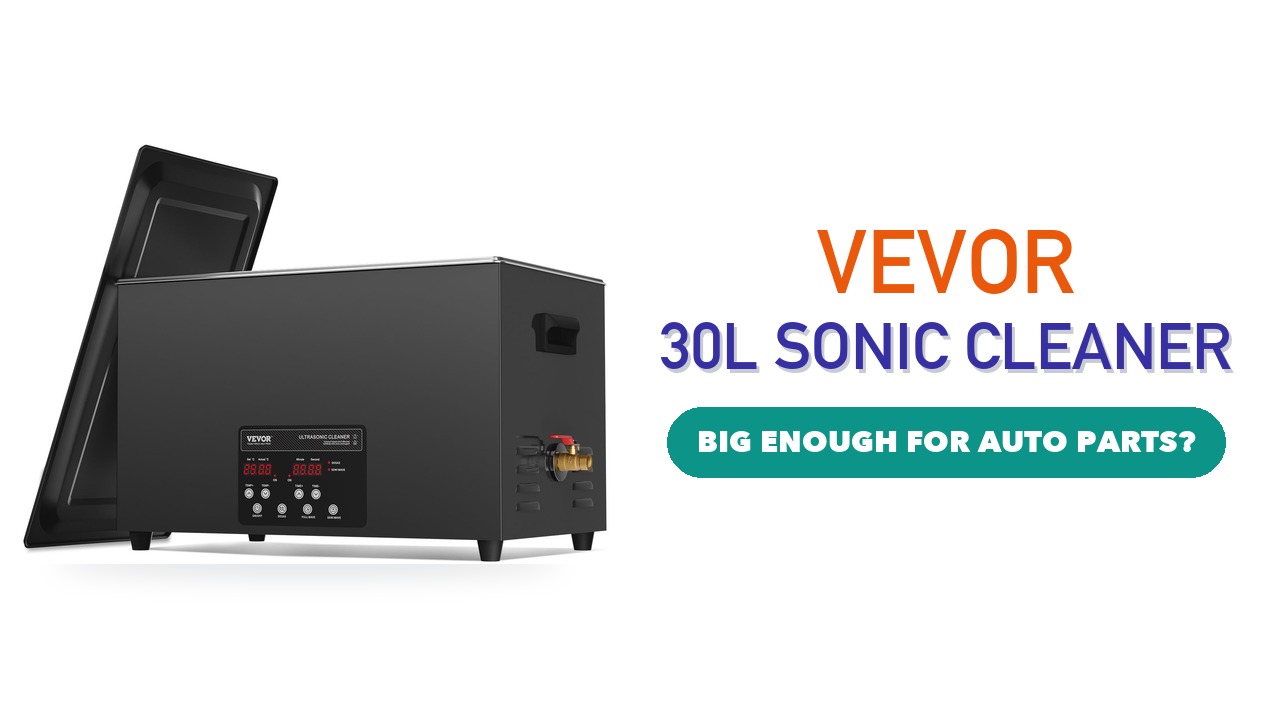
A 30-litre, 40 kHz ultrasonic cleaner with a heater up to 80°C, two power levels and a degassing mode. What the VEVOR Sonic Cleaner's specs mean in practice.
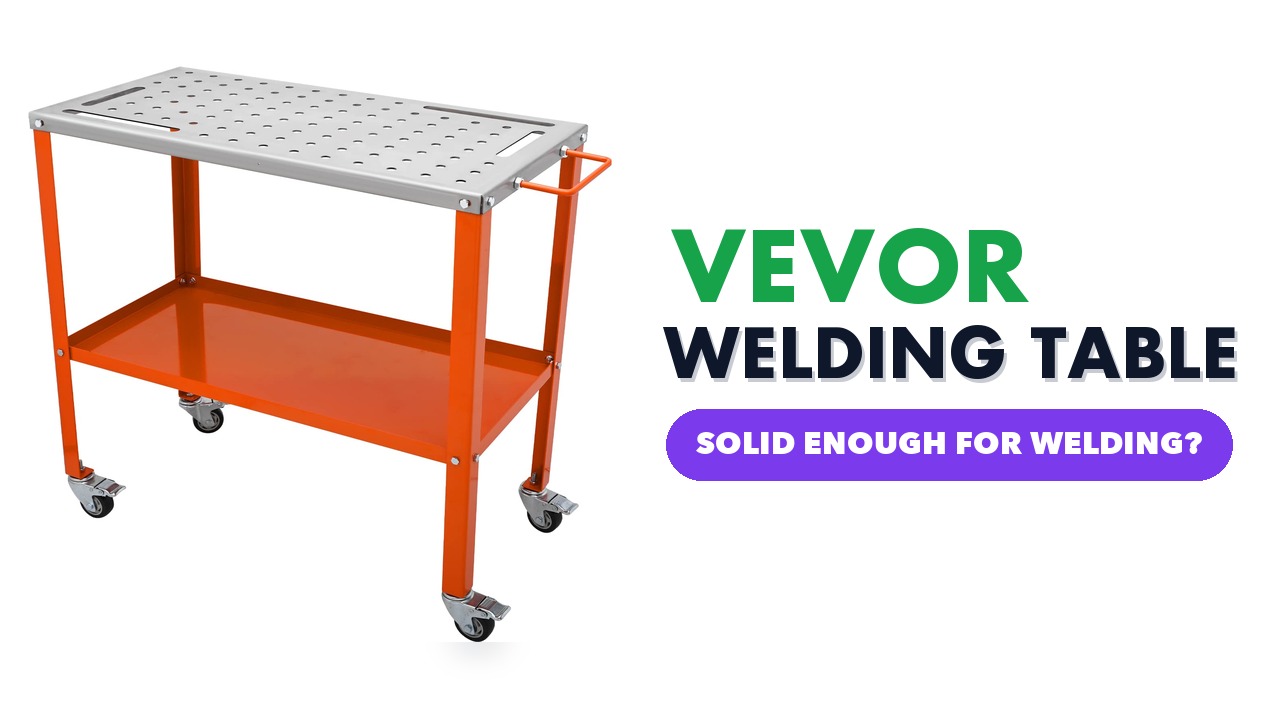
A rolling carbon steel welding table with a 36 x 18 inch top, 94 fixture holes, four tool slots and a listed 1,200 lb load capacity. What its specs mean.
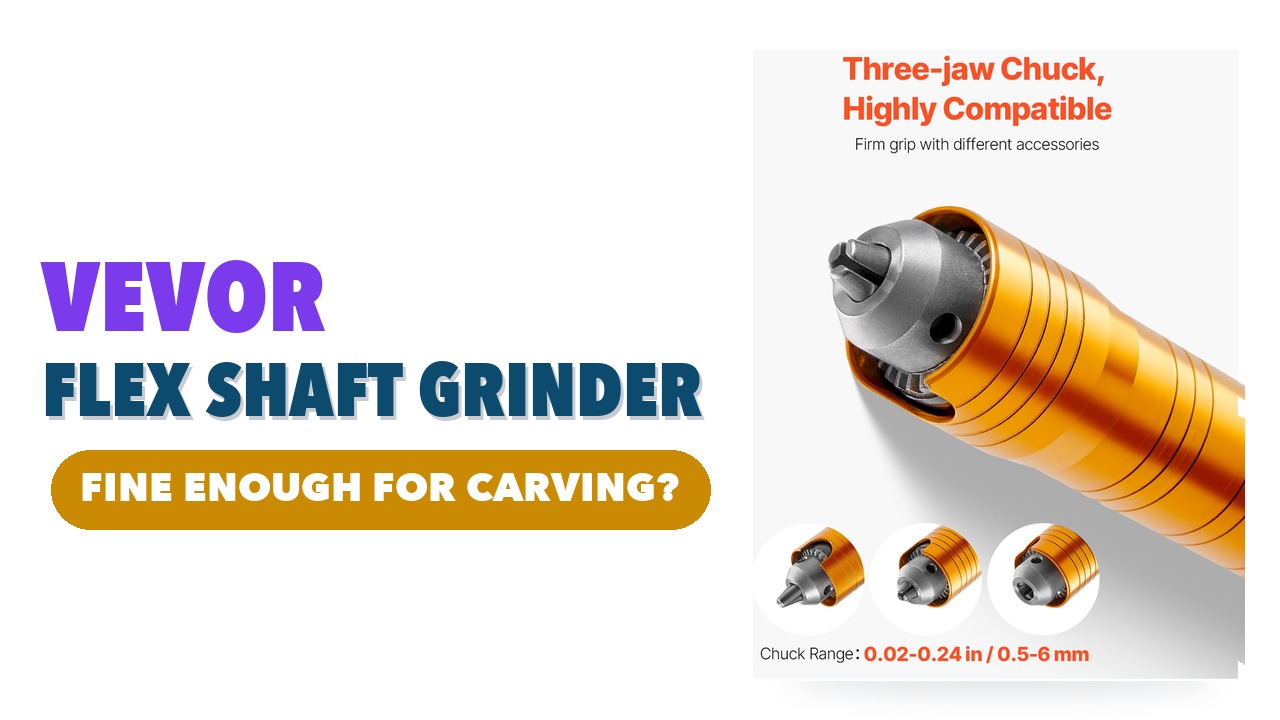
A hanging-motor flex shaft grinder with a 1200W motor, 30,000 RPM, a three-jaw chuck and 31 accessories. How the setup works and what it suits, from carving to polishing.
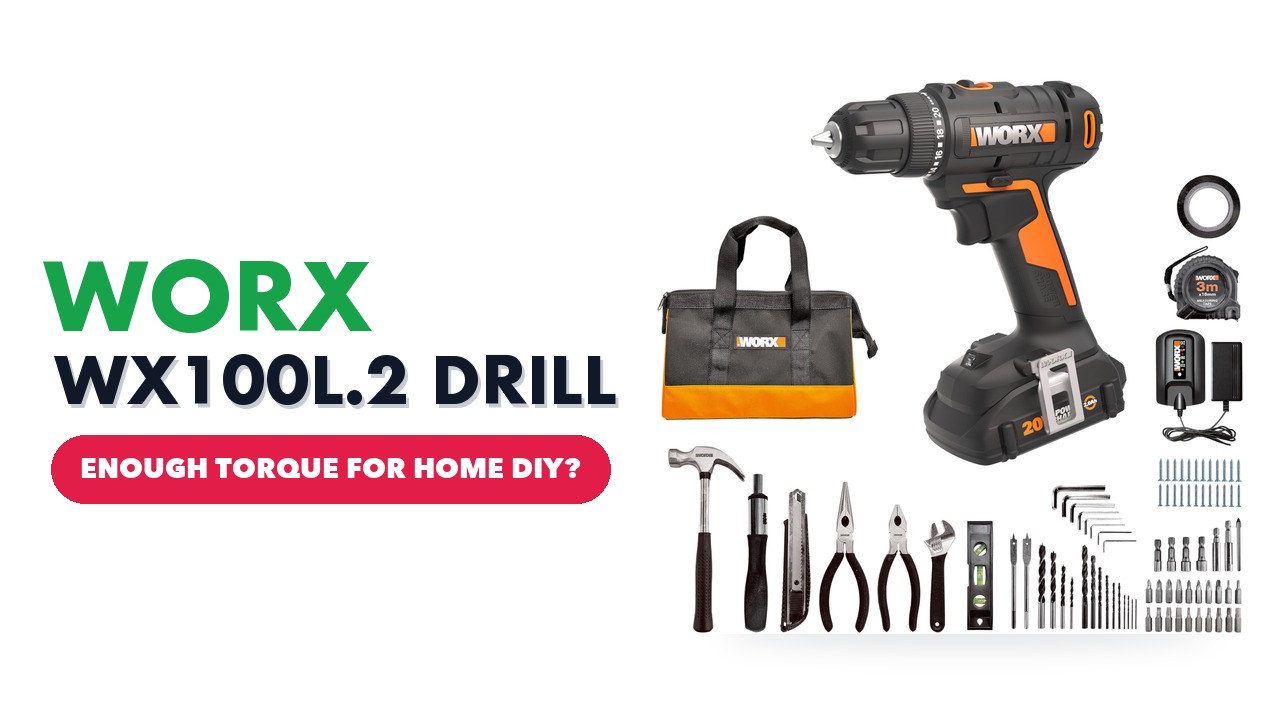
A compact 20V 3/8-inch drill driver with 265 in-lbs of torque, two speeds and an 84-piece accessory kit. What its specs mean for assembly, hanging and home repairs.
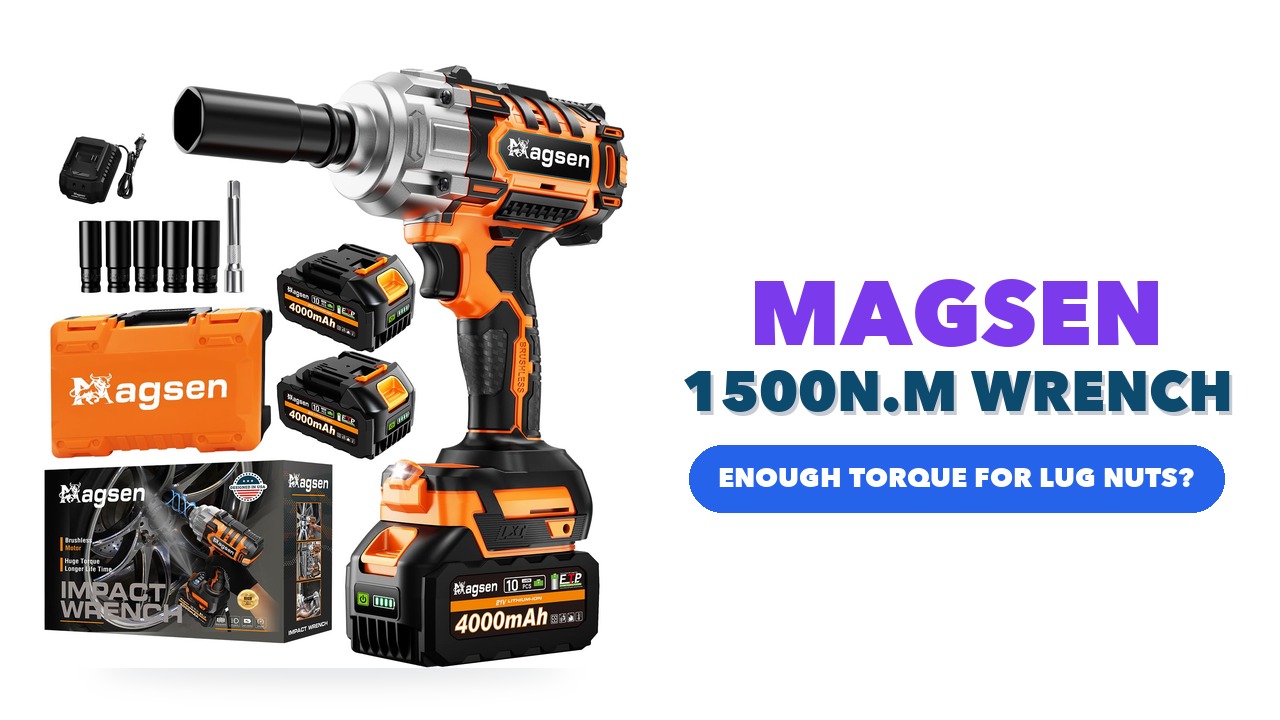
A cordless 1/2-inch impact wrench with a brushless motor, up to 1500 N·m of loosening torque and three speeds. What its specs mean for wheel nuts and heavy bolts.
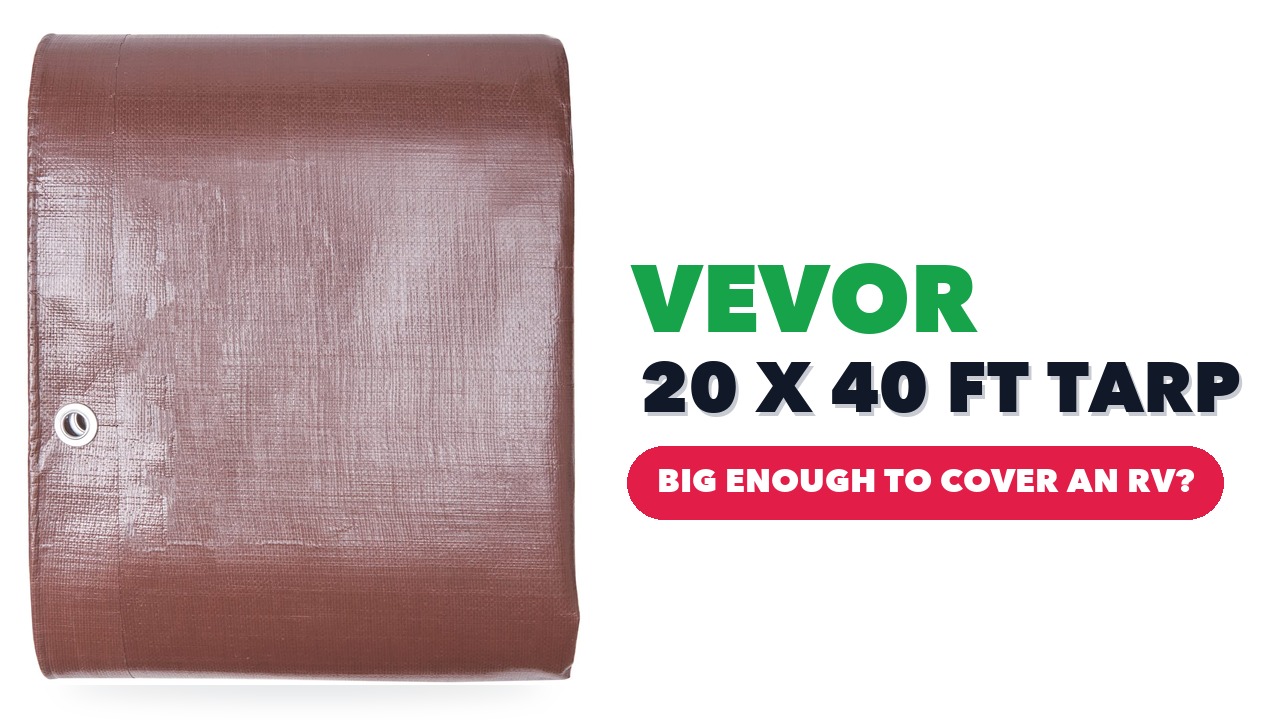
A 20 x 40 ft waterproof polyethylene tarp, 16 mil thick, with a 16 x 16 weave and grommets every 18 inches. What the specs mean and what to check.
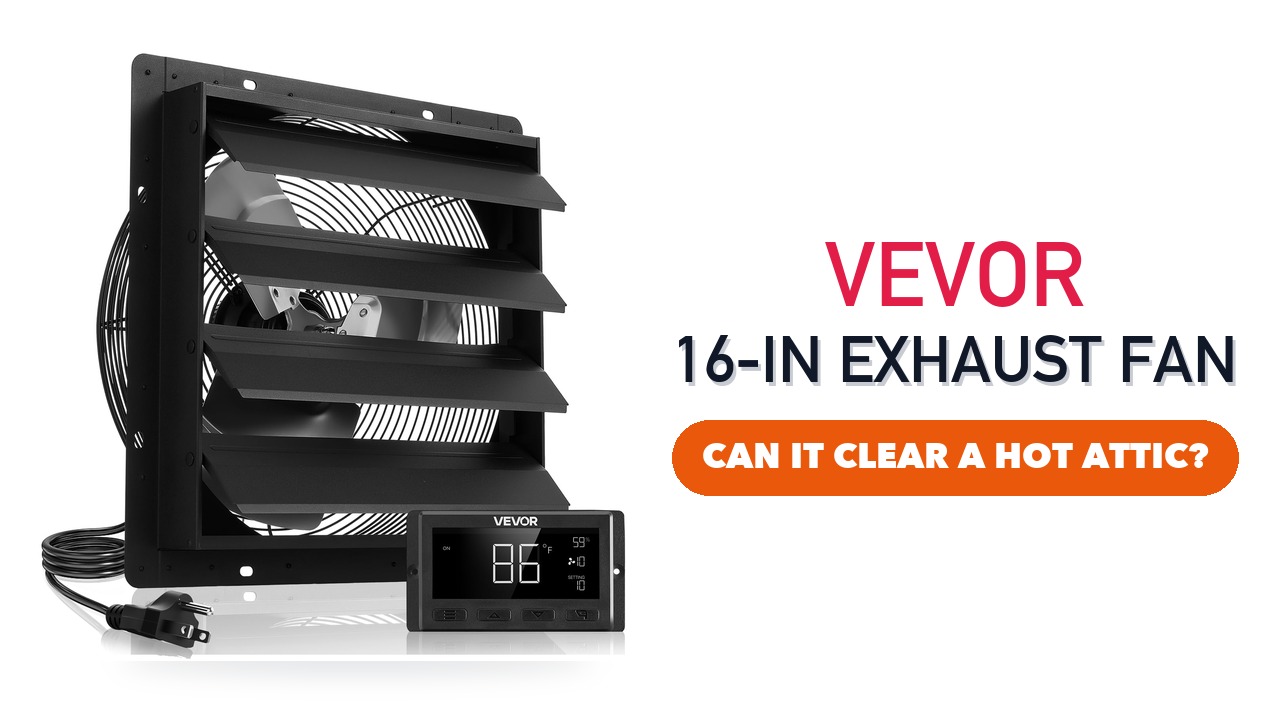
A 16-inch wall-mounted exhaust fan with automatic shutters and a temperature and humidity controller: what 3000 CFM and an EC motor mean for attics and sheds.
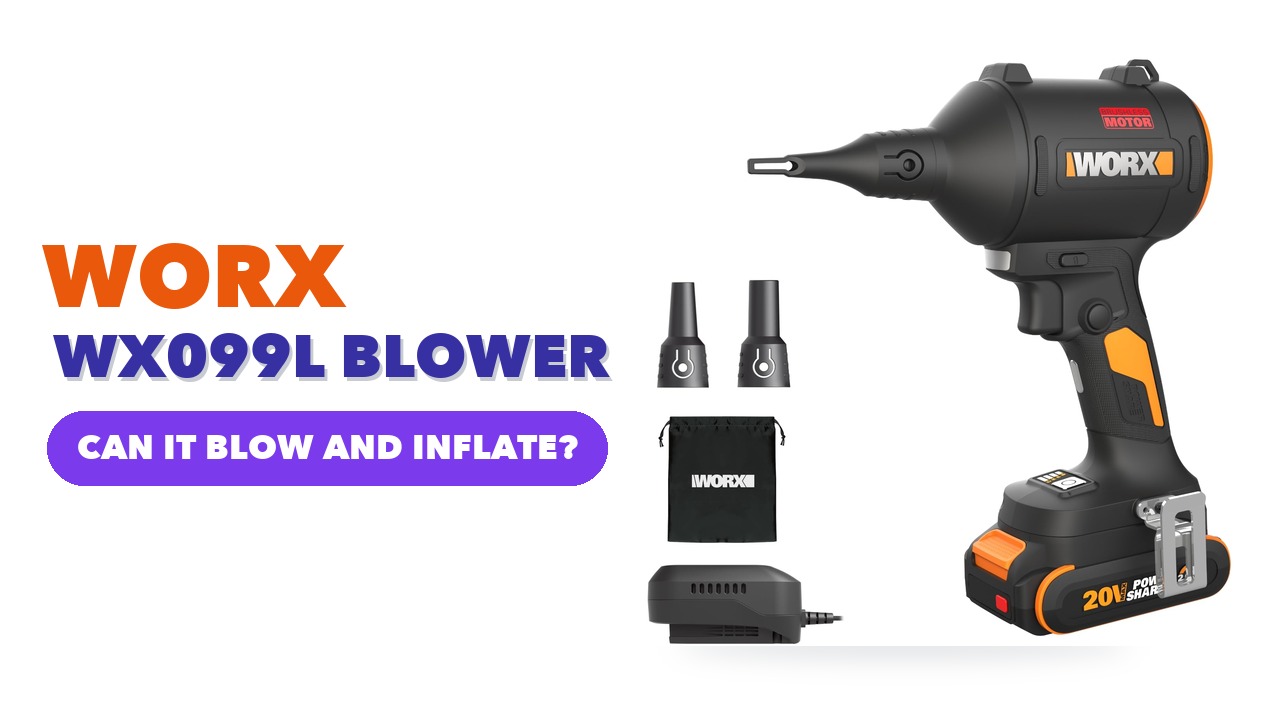
A 20V PowerShare air duster and inflator with a brushless motor, 470 MPH air speed and three nozzles: what its specs mean and the jobs it suits.
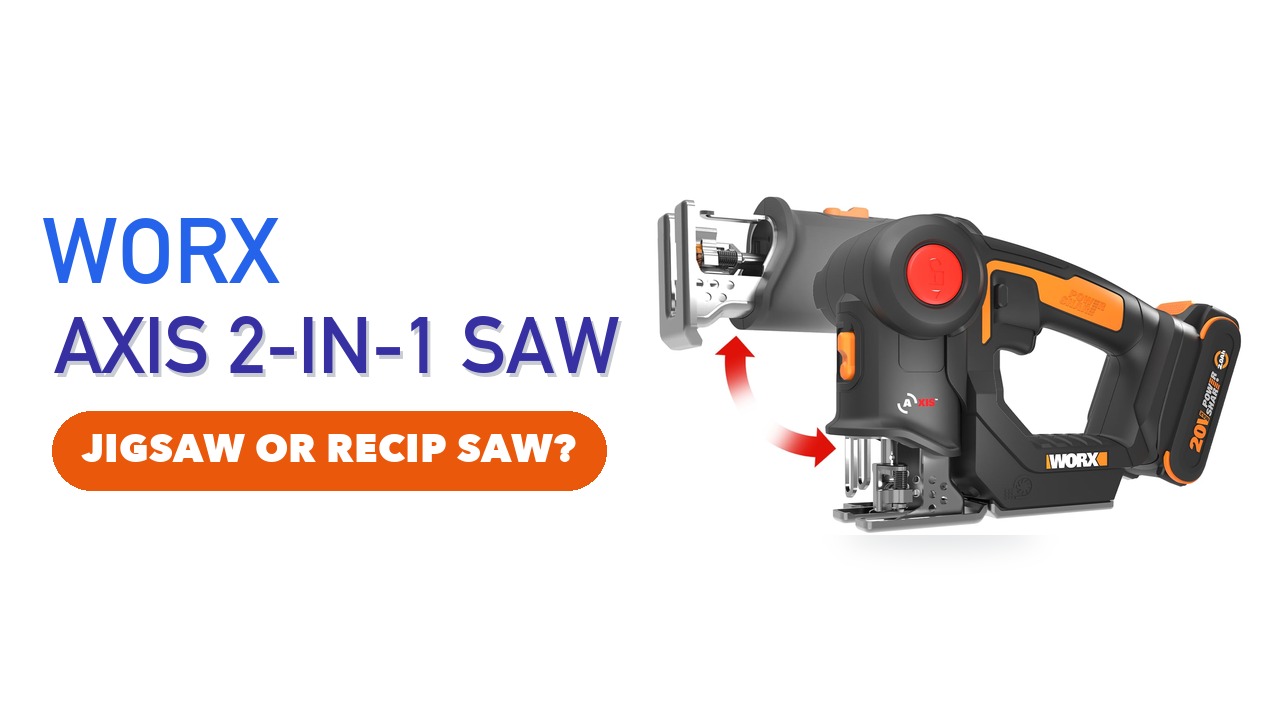
A cordless 20V saw that switches between jigsaw and reciprocating modes with a pivoting head. What the stroke, orbital action and blade options mean.
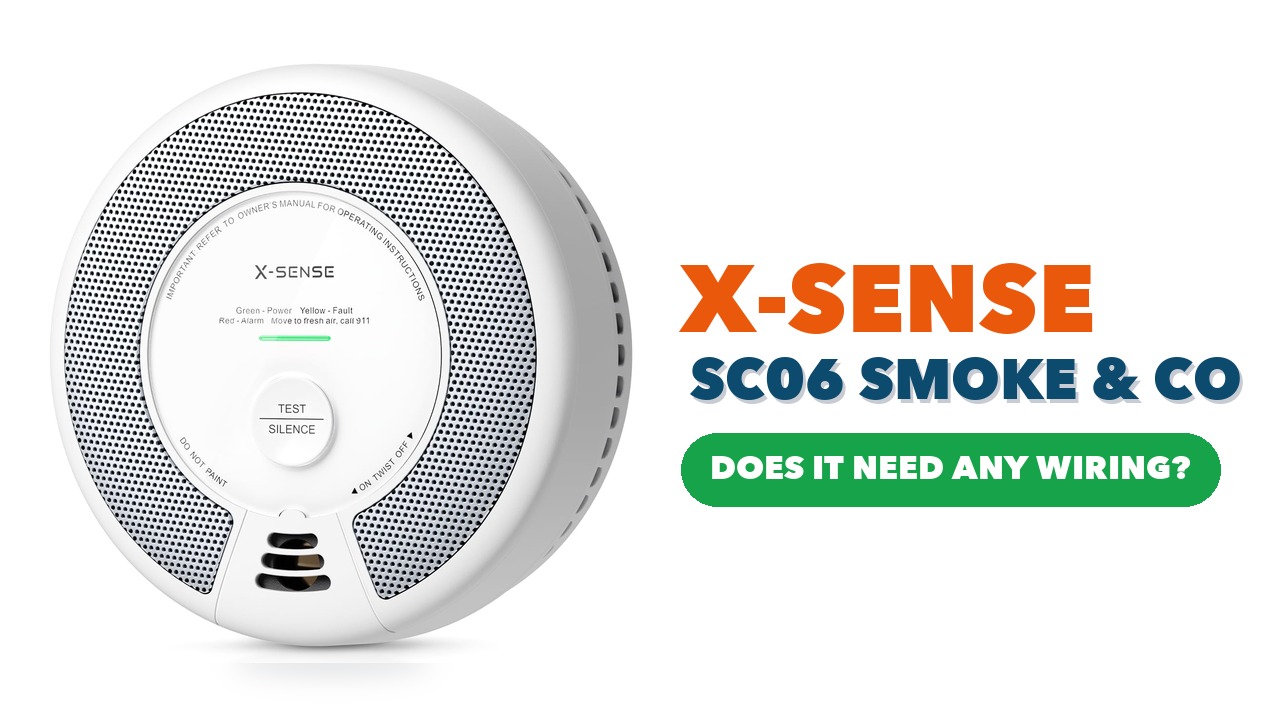
A combined smoke and carbon monoxide alarm with a 10-year built-in battery and no wiring. What its sensors and UL listings mean, and what to check first.
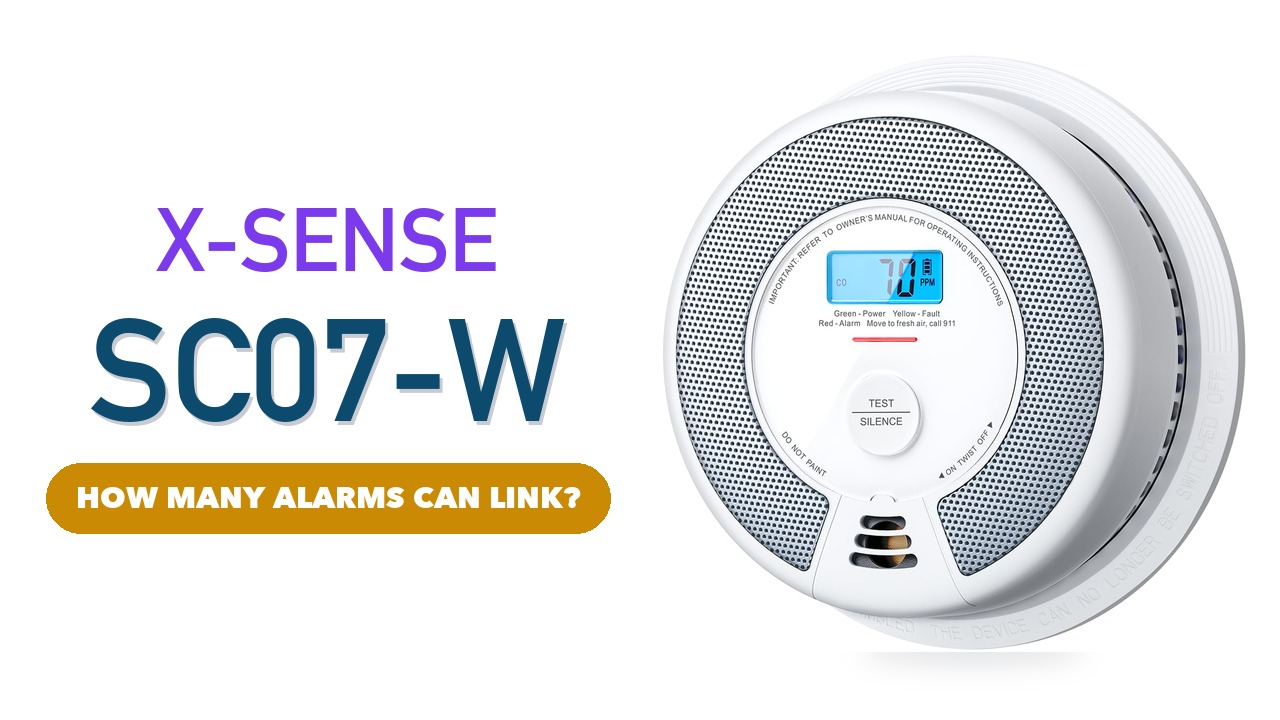
A wirelessly interconnected smoke and carbon monoxide alarm with two sensors, a sealed 10-year battery and UL 217 and UL 2034 listings, explained.

An enclosed craft machine that pairs a 10W diode laser with a full-colour inkjet module for print-then-cut projects. What it does and what to check first.