Pressure washer PSI and GPM, explained: how to pick the right power
PSI gets the headlines, but flow and nozzles decide how fast you actually clean. Here's how to read the numbers and match a pressure washer to the job.
Almost every pressure washer box leads with one number: PSI. Bigger is better, the packaging implies, and some cheap electric models now claim figures that used to belong to commercial gas machines. But pressure is only half of the story, and often the less important half. Once you understand the three numbers that matter, it gets much easier to buy the right machine and to avoid the one that strips paint off your deck.
PSI: how hard the water hits
PSI (pounds per square inch) is the pressure of the water leaving the nozzle. It's what lets a jet lift stuck-on dirt, moss or old sealer. More PSI means more force on a small spot.
The catch is that many listings quote a maximum or "peak" pressure, measured for an instant with the smallest nozzle and no load. The rated working pressure, the number the pump sustains while you actually clean, is usually lower, sometimes by a third or more. Reputable brands print both, or quote a rating certified to an industry test standard. If a compact electric unit claims 4,000+ PSI but weighs no more than a vacuum cleaner and plugs into a normal household outlet, treat the headline figure with suspicion.
GPM: how much water does the work
GPM (gallons per minute) is the flow rate. Pressure loosens dirt; flow carries it away. With more water moving, you can use a wider spray pattern and still clean effectively, which means you cover a driveway or a siding panel faster.
Two machines with the same PSI can feel completely different in use. One at 2,000 PSI and 1.2 GPM will clean, but slowly. One at 2,000 PSI and 2.0 GPM will do the same patch in noticeably less time.
Cleaning units: the number to compare
Professionals combine the two into cleaning units (CU):
Cleaning units = PSI × GPM
It's a rough measure of total cleaning power, and it's the fairest way to compare machines quickly.
| Typical machine | Working PSI | GPM | Cleaning units |
|---|---|---|---|
| Small electric | 1,500–1,900 | 1.1–1.3 | about 1,700–2,500 |
| Mid-size electric | 2,000–2,300 | 1.2–1.8 | about 2,400–4,100 |
| Homeowner gas | 2,800–3,300 | 2.3–2.7 | about 6,500–8,900 |
| Heavy-duty gas | 3,600–4,200 | 2.5–4.0 | about 9,000–16,800 |
These ranges are typical, not rules, but they show why a gas machine finishes a large patio in a fraction of the time.
Match the power to the job
More power is not always better. Too much pressure etches soft wood, blasts sand out of paver joints and can force water behind siding.
- Cars, bikes, outdoor furniture: 1,200–1,900 PSI with a wide nozzle. Keep your distance from seals, badges and chipped paint.
- Wood decks and fences: start low, around 500–1,200 PSI, with a 25° or 40° nozzle, and work along the grain. Softwoods like cedar mark easily.
- Vinyl siding: 1,300–2,000 PSI, spraying downward so water doesn't get behind the panels.
- Concrete driveways, stone and brick: 2,500 PSI and up. This is where flow (GPM) and a surface-cleaner attachment pay off.
- Paint stripping and heavy grime: high pressure plus high flow, usually gas, and often better left to a rental machine or a professional.
Nozzles matter as much as the motor
Most machines ship with colour-coded tips. The angle sets how concentrated the jet is:
- Red, 0°: a pinpoint jet. Rarely needed and easy to damage things with.
- Yellow, 15°: stripping and tough stains on hard surfaces.
- Green, 25°: the everyday general-purpose tip.
- White, 40°: gentle; cars, windows, wood and siding.
- Black, 65° (low pressure): for applying soap or detergent.
A narrower angle feels more powerful because the same energy lands on a smaller area. Switching from white to yellow often does more for a stubborn stain than a machine with a bigger PSI number.
Electric or gas?
Electric machines are quieter, lighter, start at the press of a trigger and need almost no maintenance. They're ideal for cars, patios, furniture and decks. Their flow is limited by the household circuit, so large jobs take longer. Models with an induction (brushless) motor tend to run cooler and last longer than those with a universal brushed motor, and are usually the better buy if you'll use the machine often.
Gas machines deliver far more cleaning units and don't need an outlet, which matters for large driveways, long fences and farm use. They're louder and heavier, and they need oil changes, fresh fuel and winter storage.
Battery washers are convenient for quick rinses of bikes or boots, but they're closer to a strong garden hose than a true pressure washer.
What else to check before you buy
- Hose length and quality. A 20–25 ft high-pressure hose saves constantly moving the machine. Steel-braided or non-marking rubber hoses kink less than thin PVC.
- Quick-connect fittings. Standard 1/4" quick-connect tips let you buy extra nozzles and a surface cleaner from other brands.
- Total stop system (electric). The pump shuts off when you release the trigger, which saves wear and noise.
- Pump type (gas). Axial cam pumps are common on homeowner machines; triplex pumps are more durable and serviceable on premium models.
- Detergent tank or siphon hose. Convenient, but most machines only apply soap at low pressure.
- Water supply. The machine can't use more water than your tap delivers. Check that your outdoor faucet can supply the rated GPM.
Safety
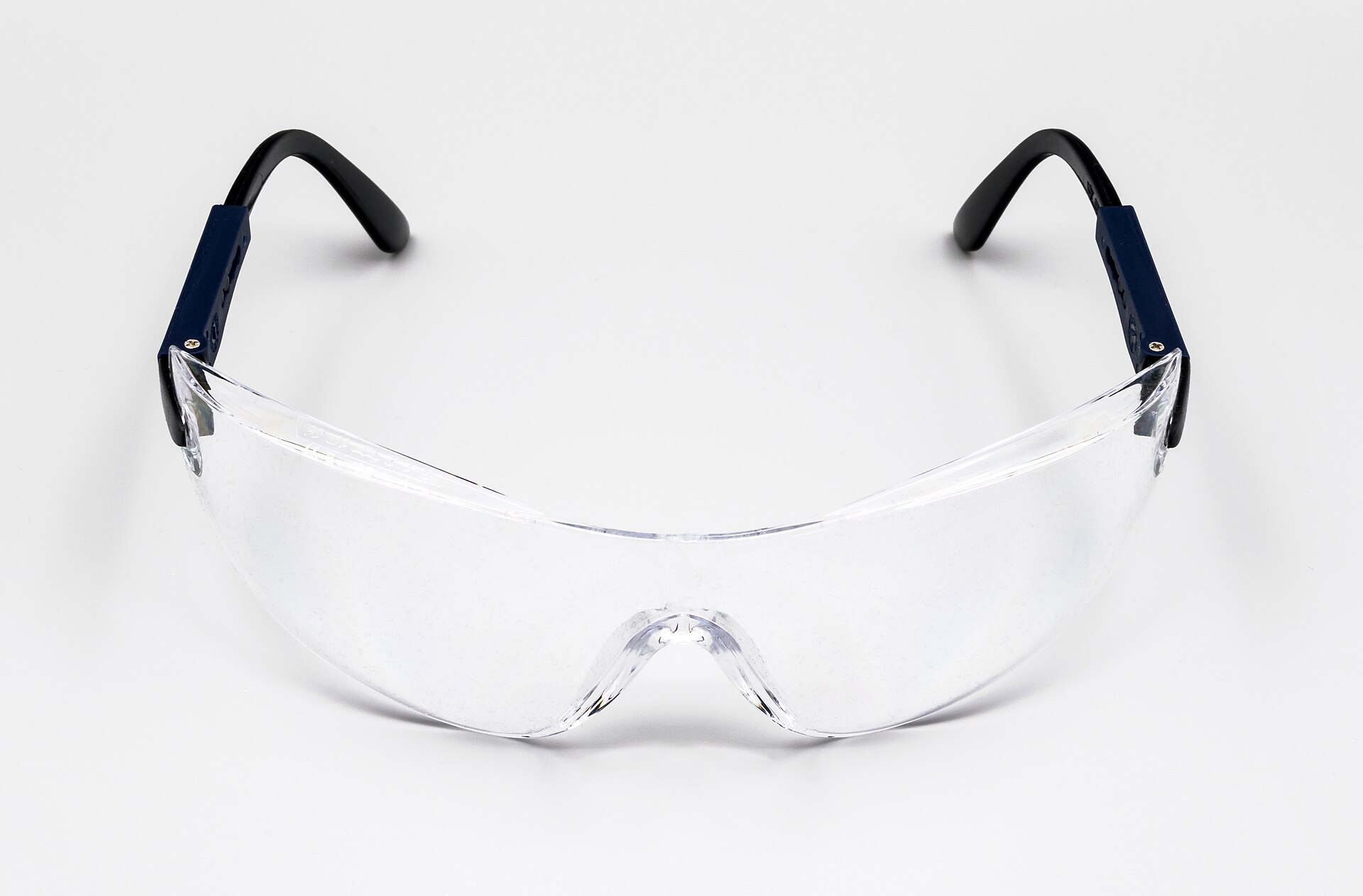
A pressure-washer jet can cut skin and inject water into tissue, which needs urgent medical attention. Never point the wand at people or pets, wear eye protection and closed shoes, and don't use a ladder with a pressure washer: the recoil can knock you off balance. Use gas machines outdoors only, away from windows and doors, because of carbon monoxide.
The short version
Compare cleaning units, not PSI alone. For cars, furniture and small patios, a mid-size electric machine with an induction motor is plenty. For big concrete areas or frequent heavy use, the extra flow of a gas machine saves hours. Whatever you buy, the right nozzle and a sensible distance matter as much as the motor.
Bloiq is reader-supported. Some links may earn us a commission; it never affects what we write. How we make money.
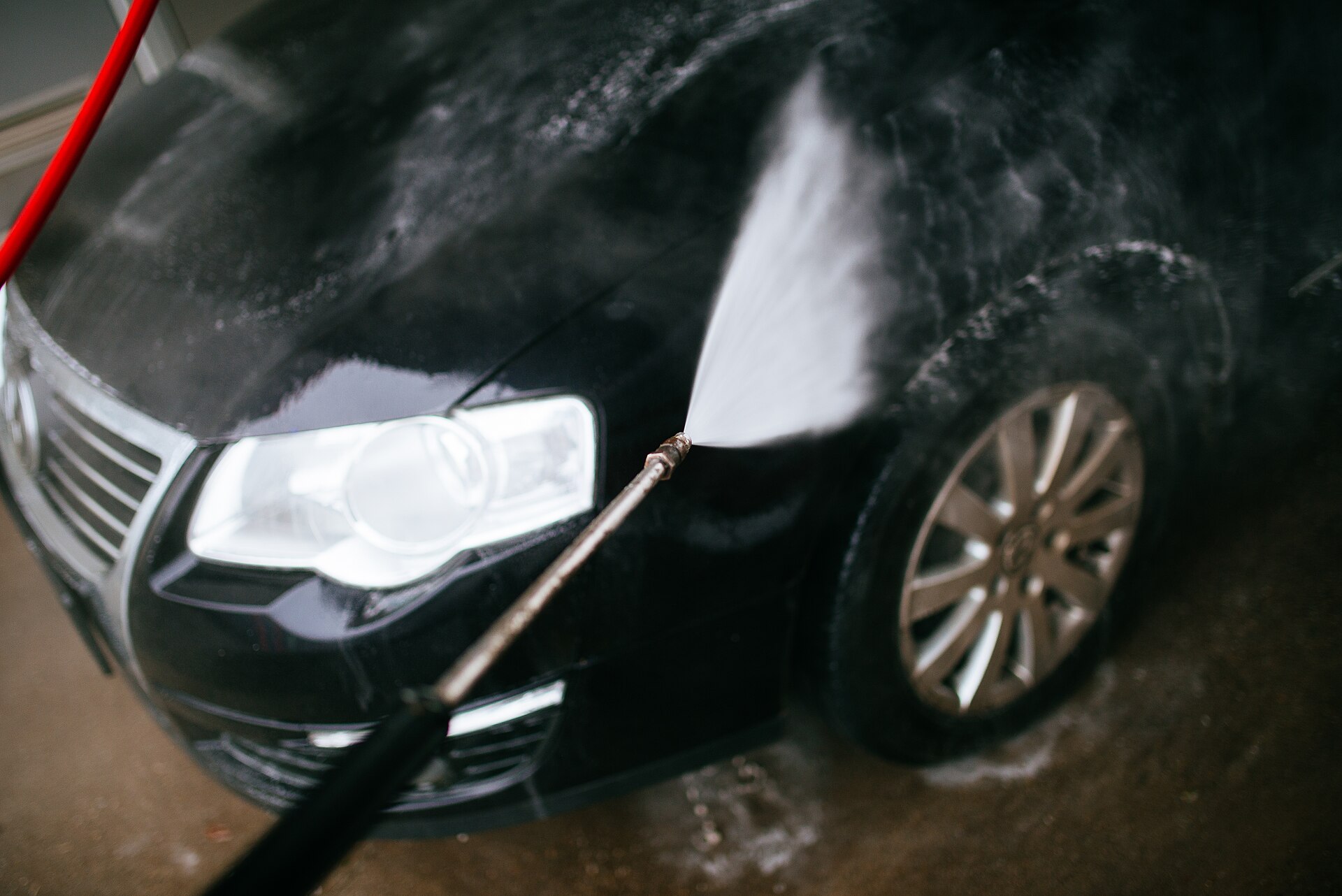
Cover photo: Shixart1985, CC BY 2.0, via Wikimedia Commons