Tech
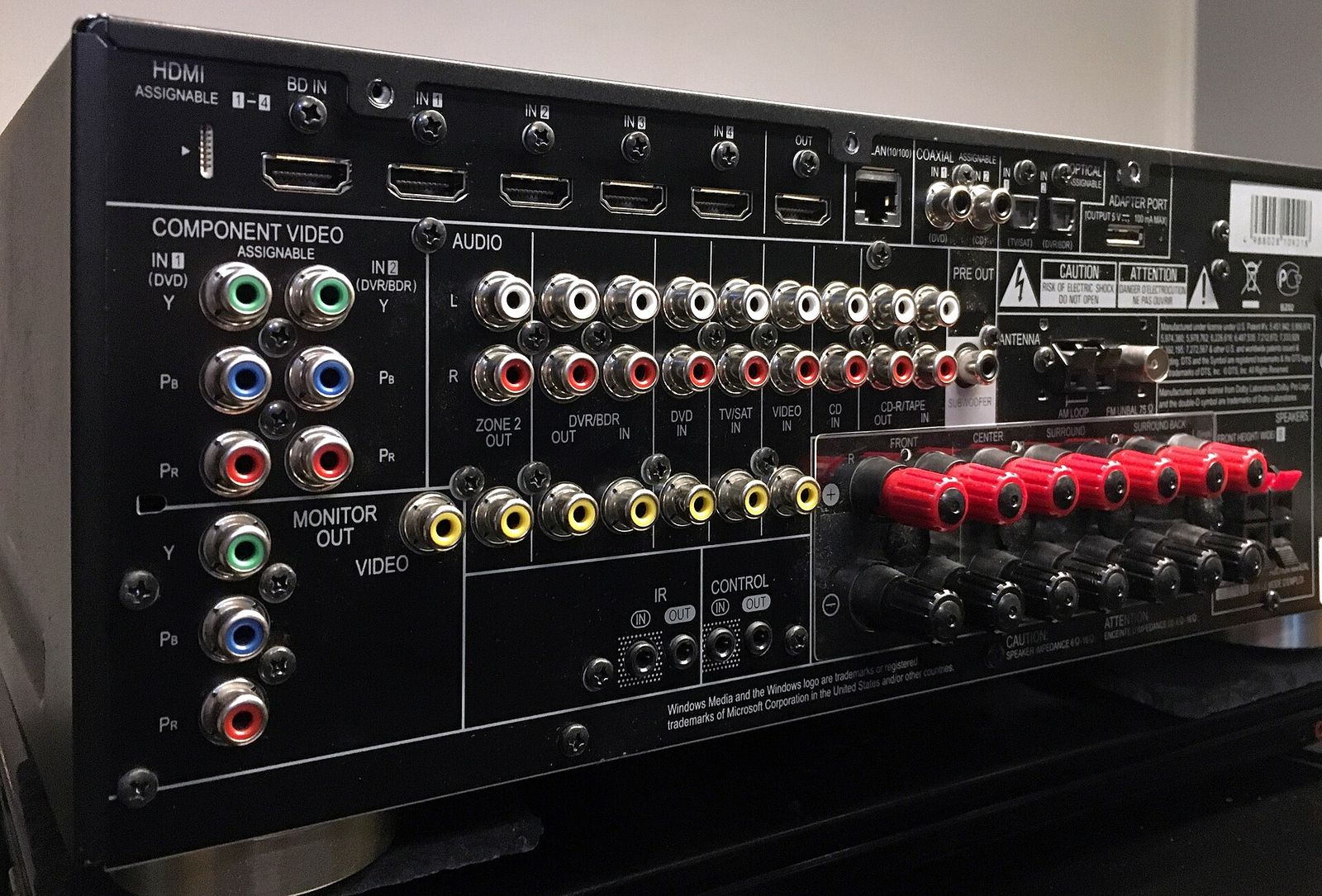
AV receivers explained: channels, HDMI 2.1, room correction and impedance
What 7.2 and 9.2.4 mean on an AV receiver, how HDMI 2.1 passthrough and eARC work, why room correction matters and how to match speaker impedance safely.
Guides to buying well and travelling well
Screens, sound, smart-home and the gadgets worth understanding.
What 7.2 and 9.2.4 mean on an AV receiver, how HDMI 2.1 passthrough and eARC work, why room correction matters and how to match speaker impedance safely.

How wired, 2.4 GHz and Bluetooth gaming headsets differ in latency, what makes a headset microphone clear, and what virtual surround can and can't do.
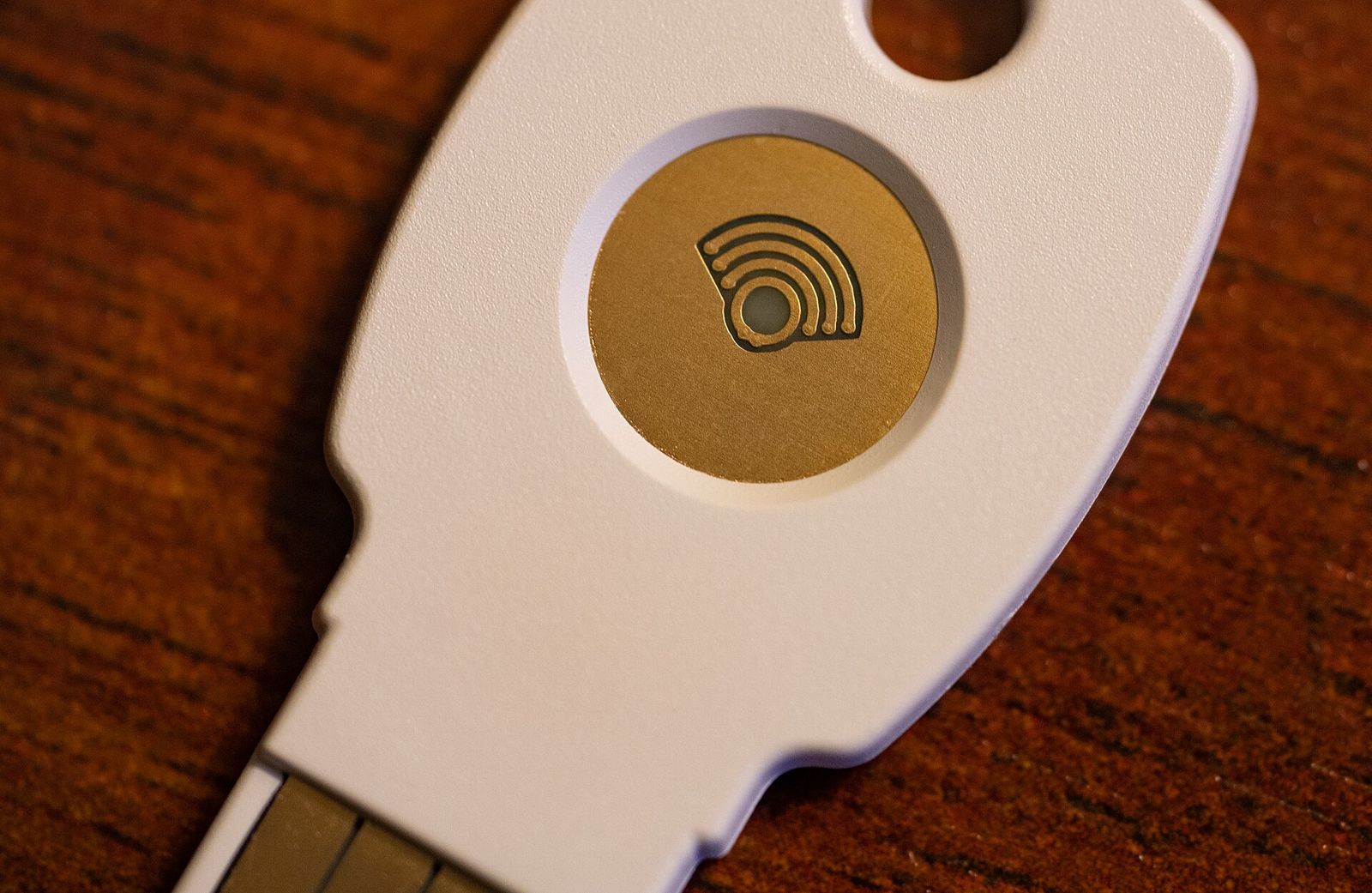
How FIDO2 security keys and passkeys stop phishing, which connector and features to choose, and how to set up a backup key so you never get locked out.
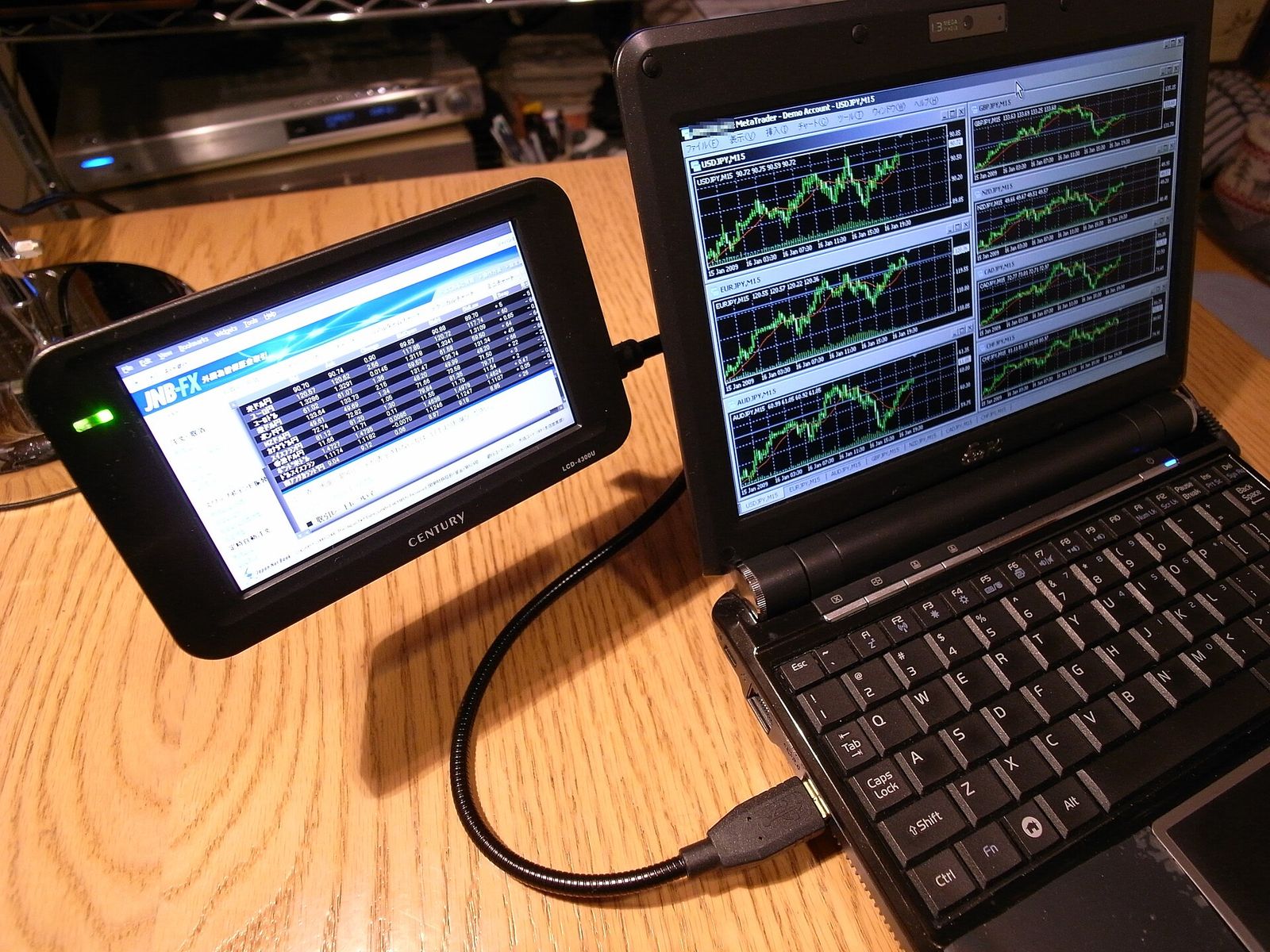
How portable monitors run from one USB-C cable, which size and resolution to choose, what brightness figures mean on the move and which stand designs hold up.

How standalone, PC and console VR headsets differ, what resolution, lenses, refresh rate and tracking mean, and how to judge comfort, space and mixed reality.
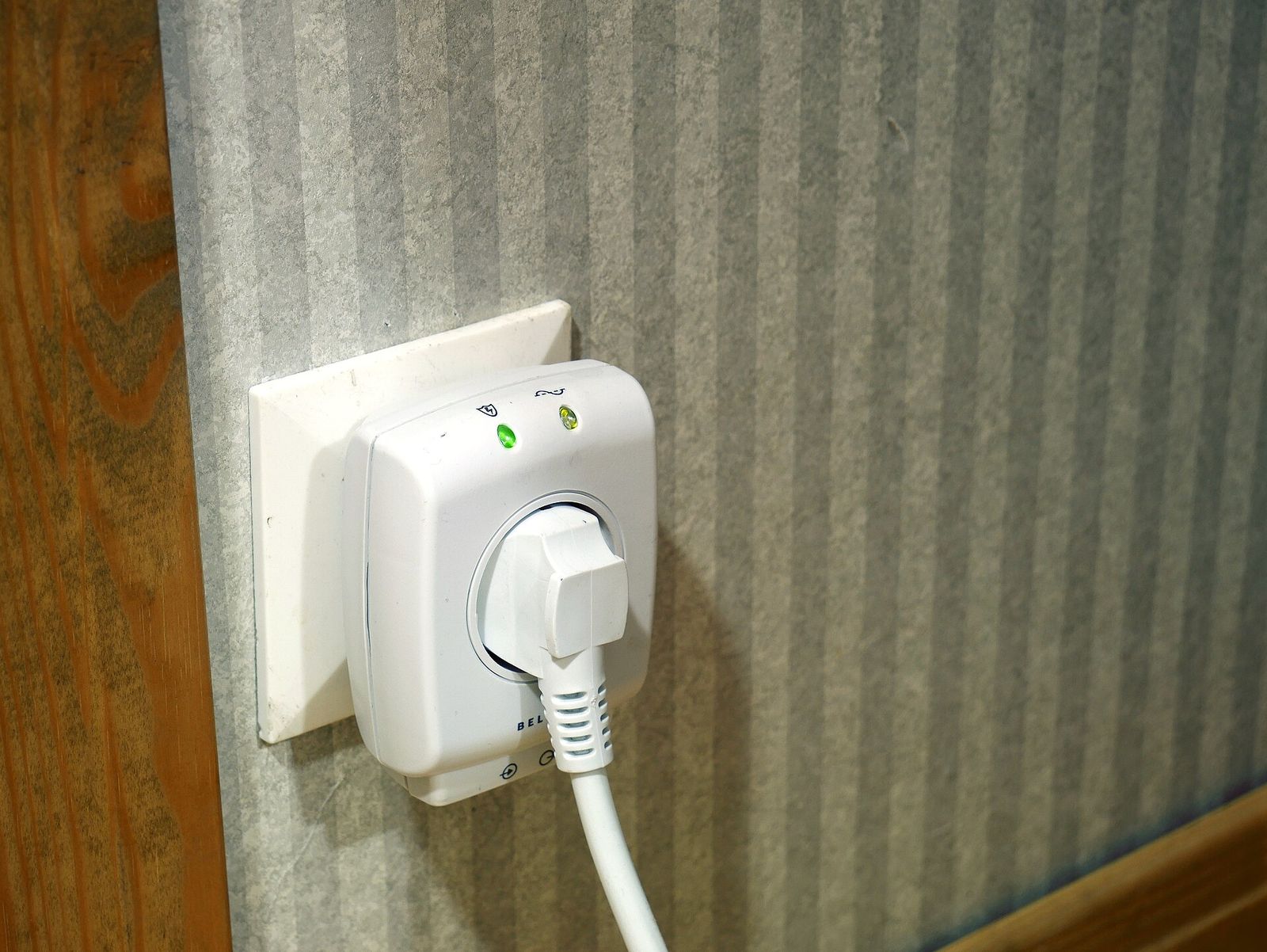
What joule ratings and clamping voltage mean, how to size a UPS in watts rather than VA, and when standby, line-interactive or online double-conversion is worth it.

What the 250-gram line means, how drone registration and flying rules work in general terms, and what to expect from flight time and beginner safety features.
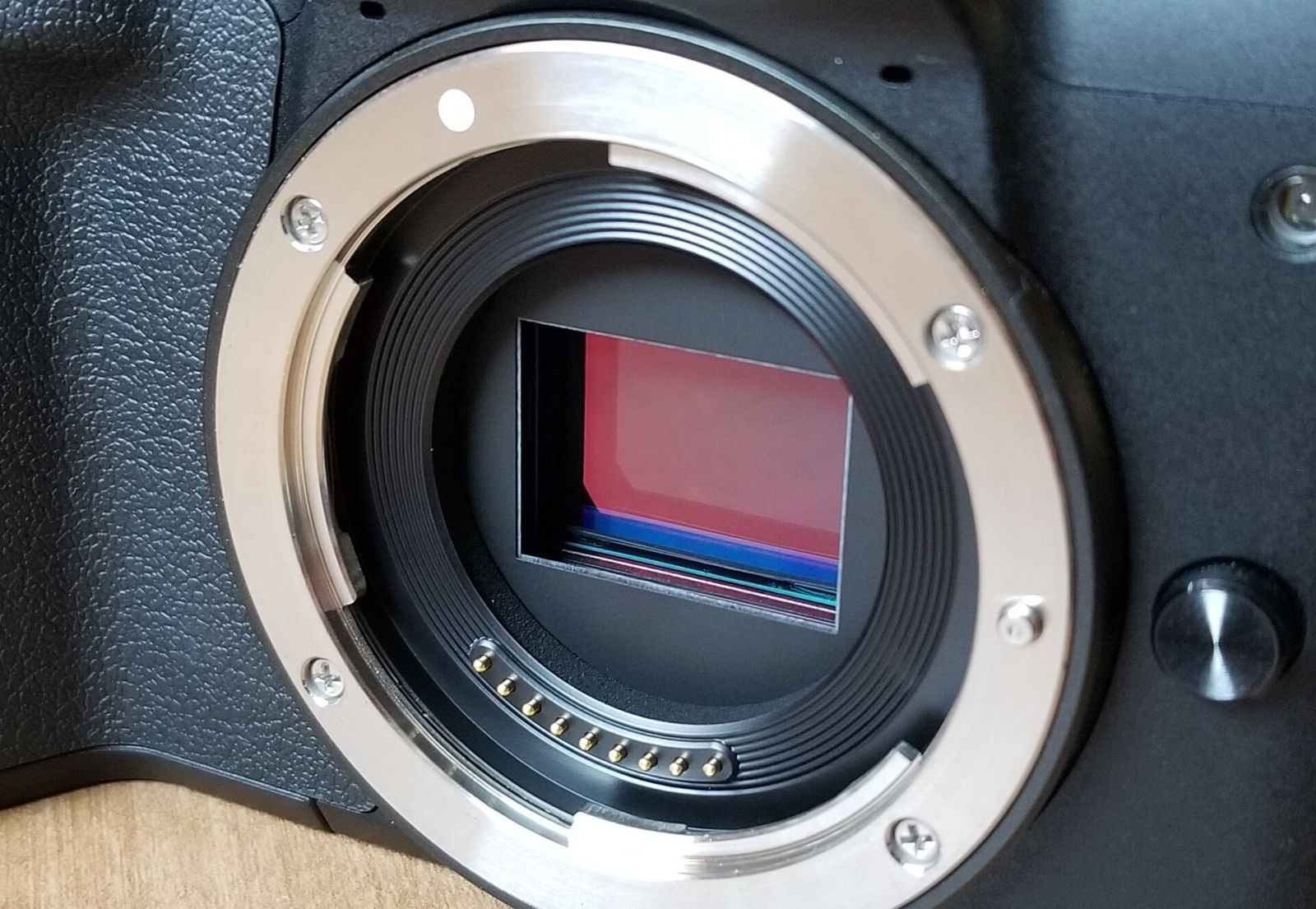
A beginner's guide to mirrorless cameras: what sensor size and crop factor mean, how to choose a lens system, how stabilisation works and what matters for video.
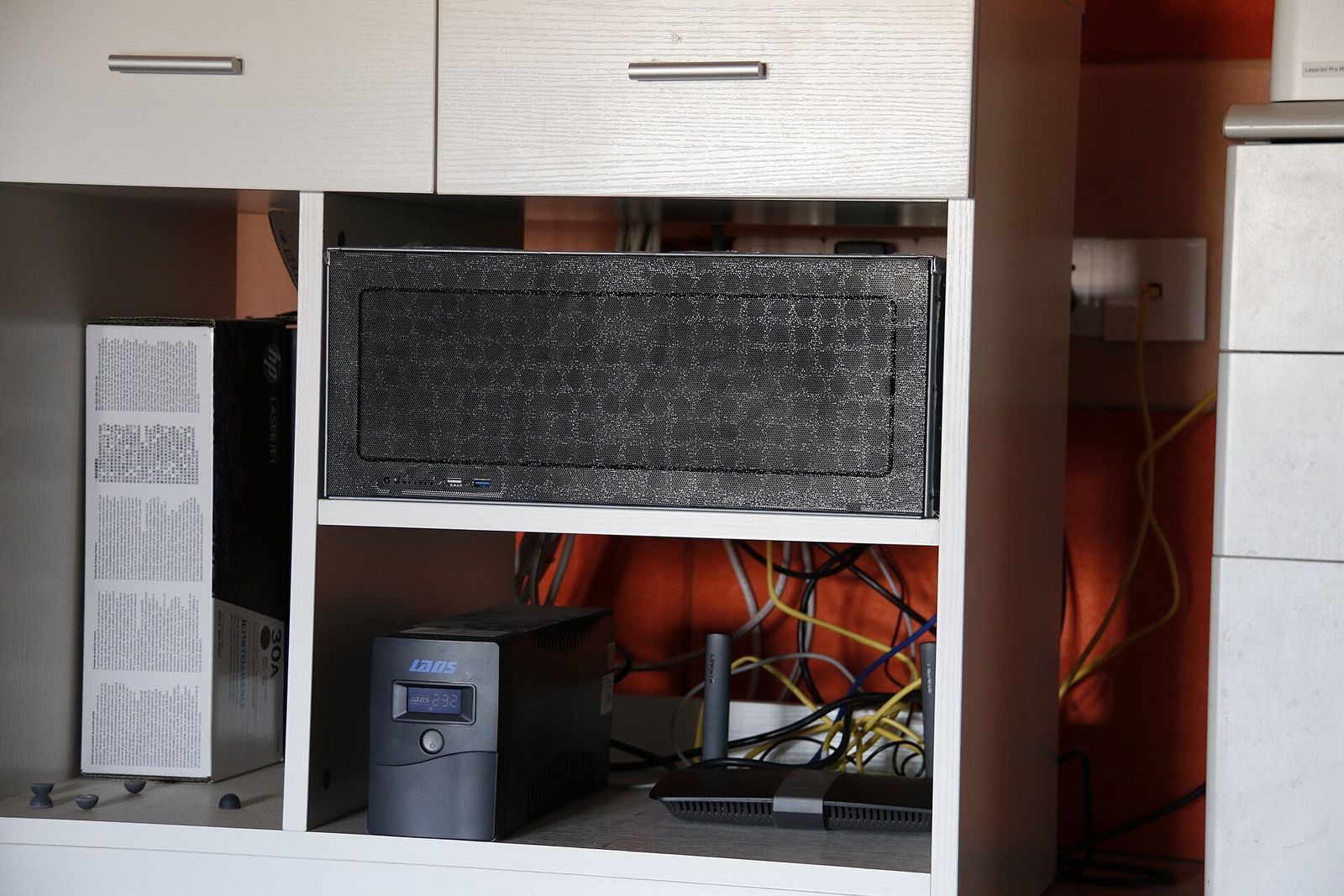
What a home NAS does, how many drive bays you need, what RAID does and doesn't protect, how to back it up, and what matters for streaming video.
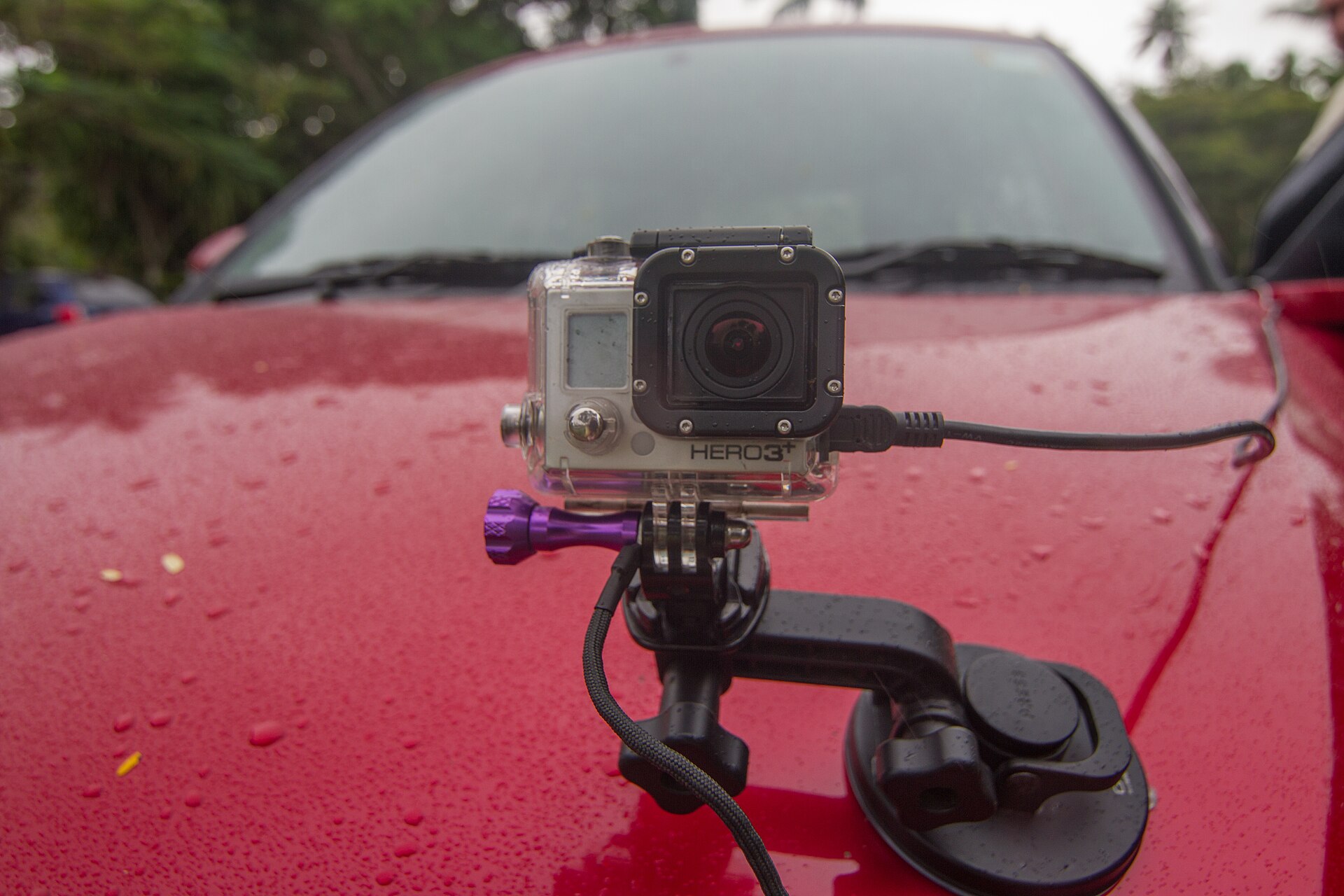
What sensor size, frame rates, stabilisation, depth ratings, mounts and batteries mean for an action camera, and how to match one to the way you'll use it.
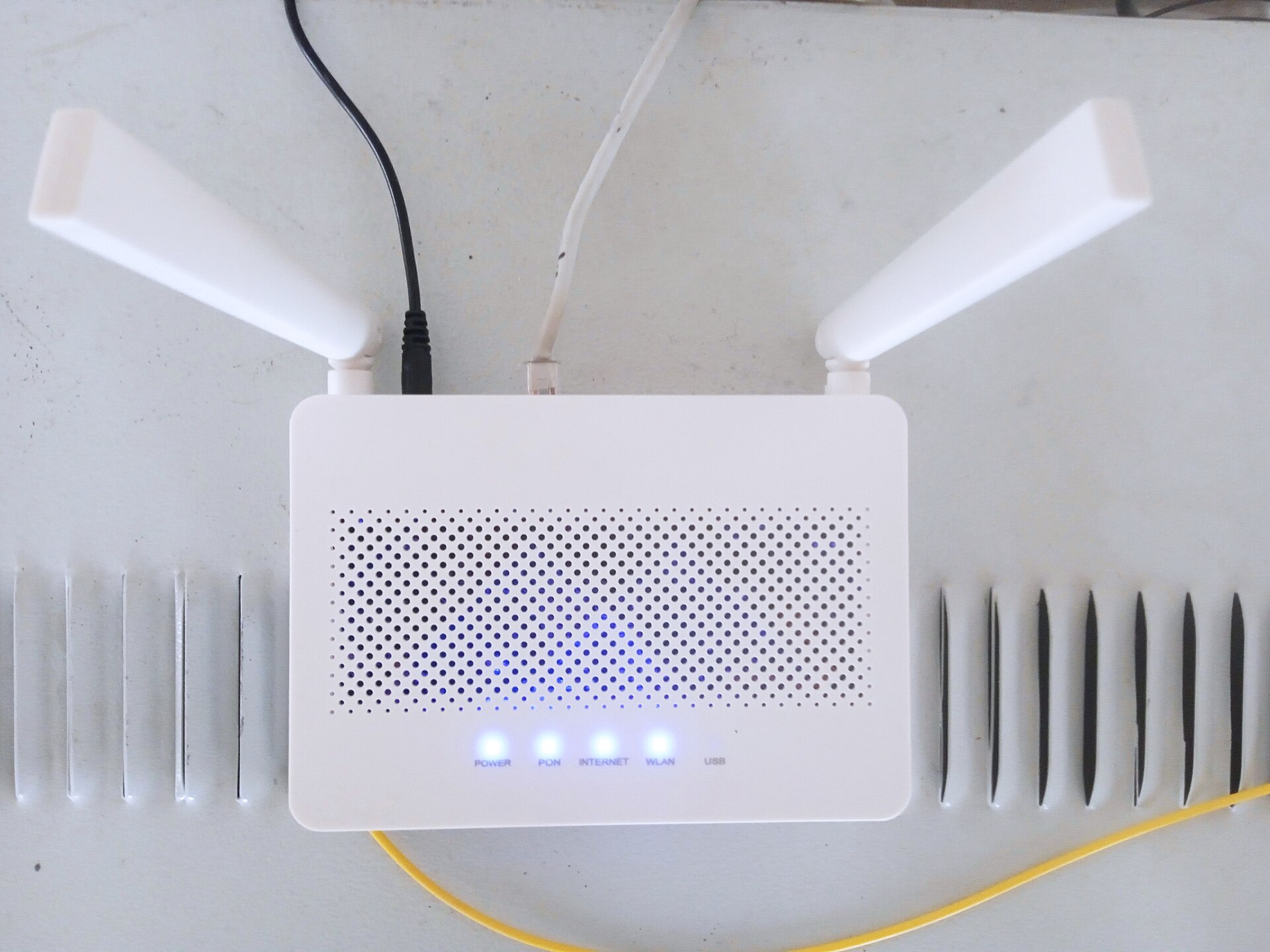
What changes between Wi-Fi 6, 6E and 7, what the numbers on router boxes mean, how Multi-Link Operation works, and when a new router actually helps.

Screen resolution, refresh rate, chipsets, real versus virtual RAM, Widevine L1 and LTE explained, so you can judge a large Android tablet on the facts.
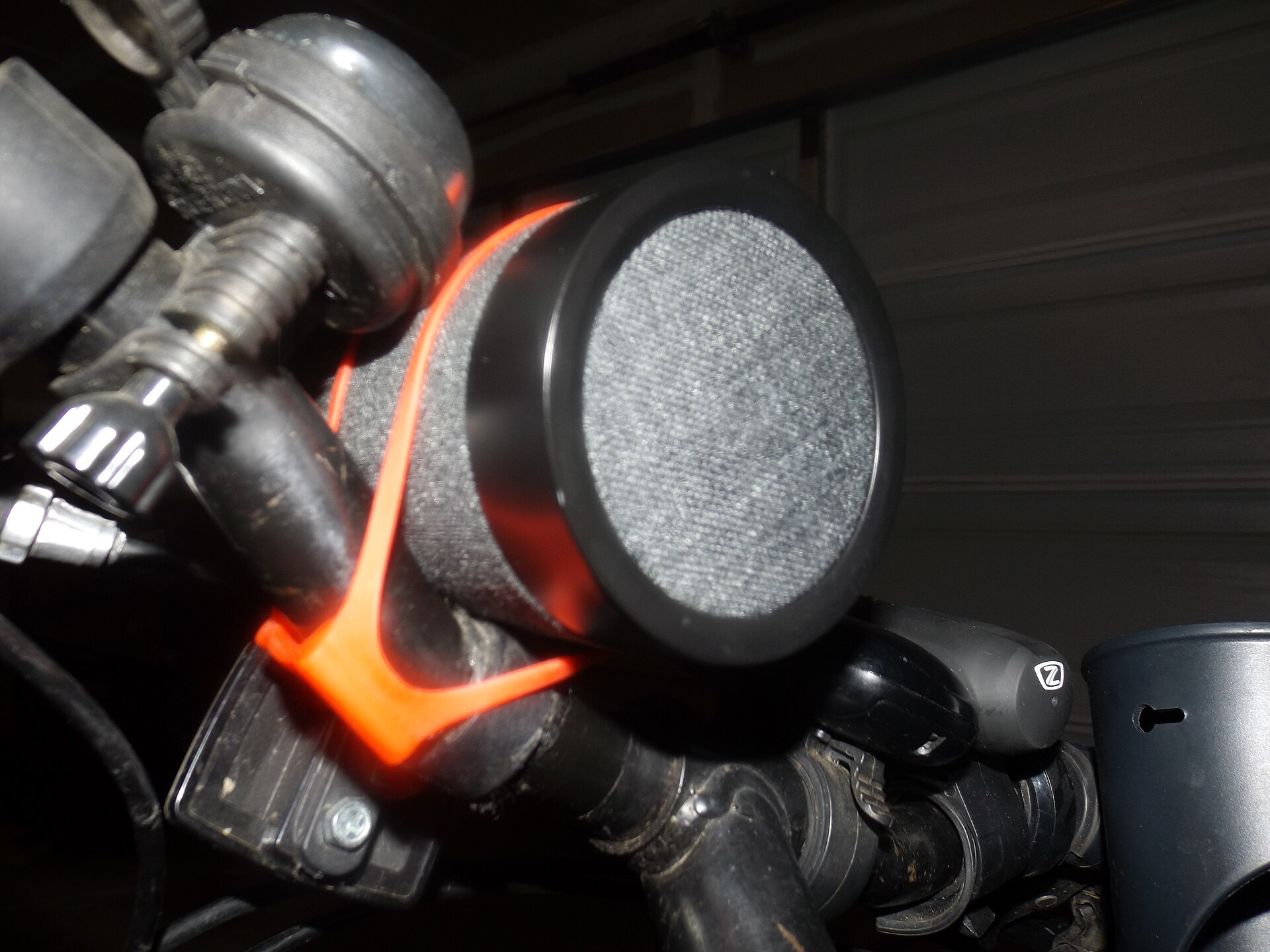
Why speaker size decides bass and volume, what IP67 means for the beach, how battery claims are measured, and how stereo pairing and party modes work.
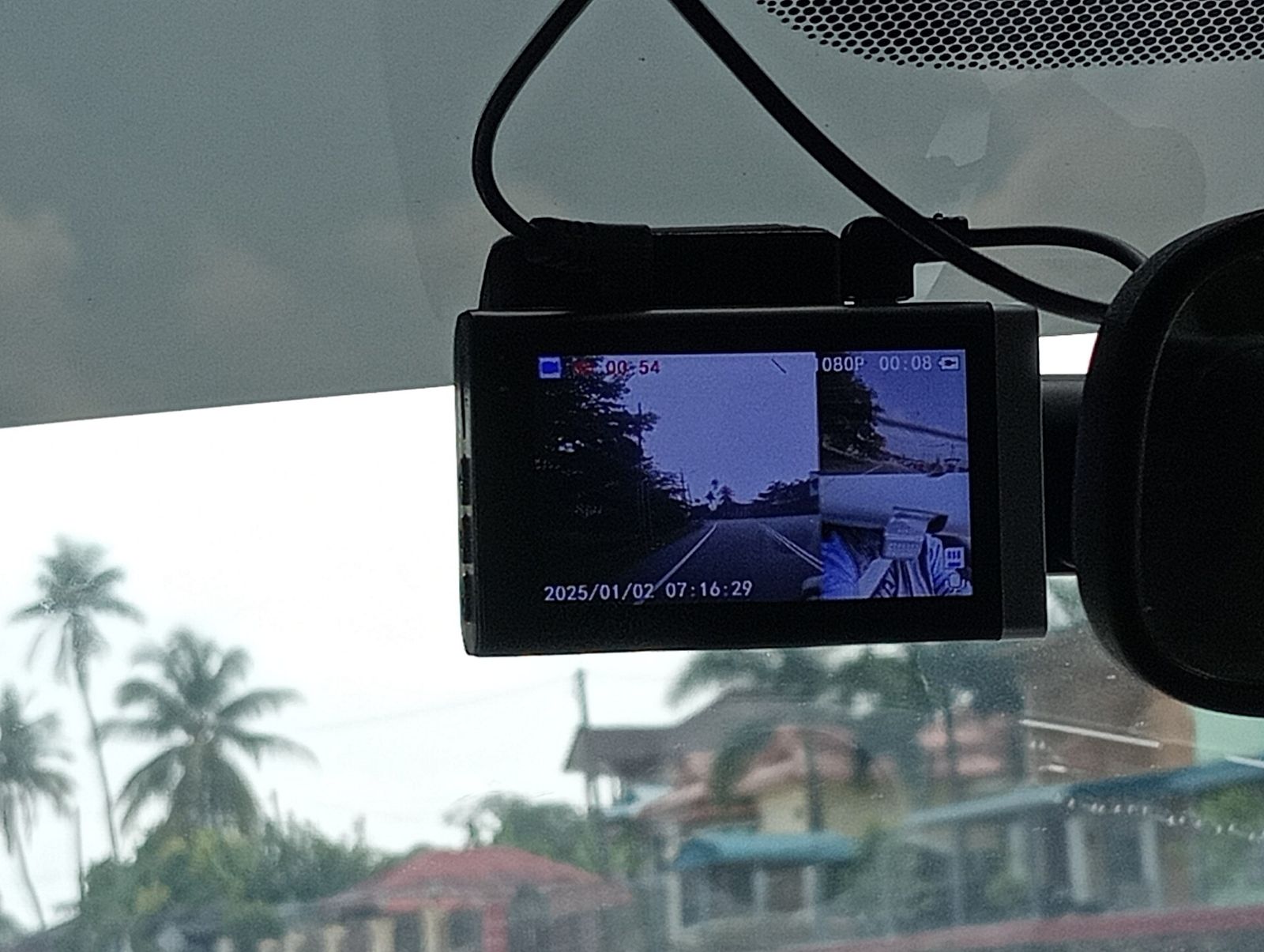
Resolution, sensors, front and rear cameras, parking mode, supercapacitors and memory cards explained, with general notes on using a dash cam legally.

How E Ink and colour e-paper screens work, what front lights and warm light do, how ebook formats and stores tie you in, and what waterproof ratings mean.

When a portable SSD beats a hard drive, what USB 3.2, USB4 and Thunderbolt speeds mean in practice, and how to set up backups that actually protect your files.
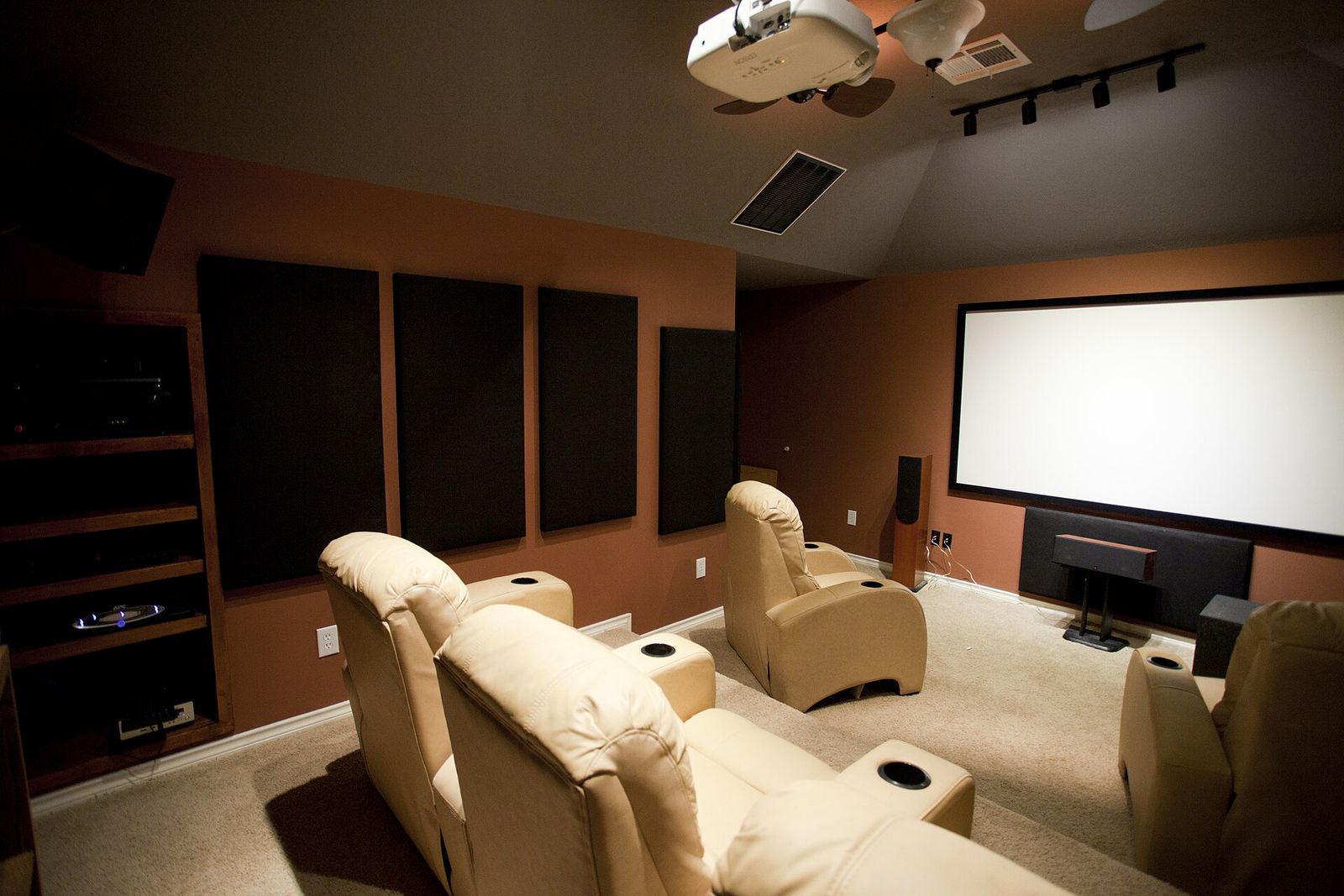
How to read ANSI lumens, work out throw distance, compare short-throw and standard projectors, understand 4K pixel shifting, and choose a screen.
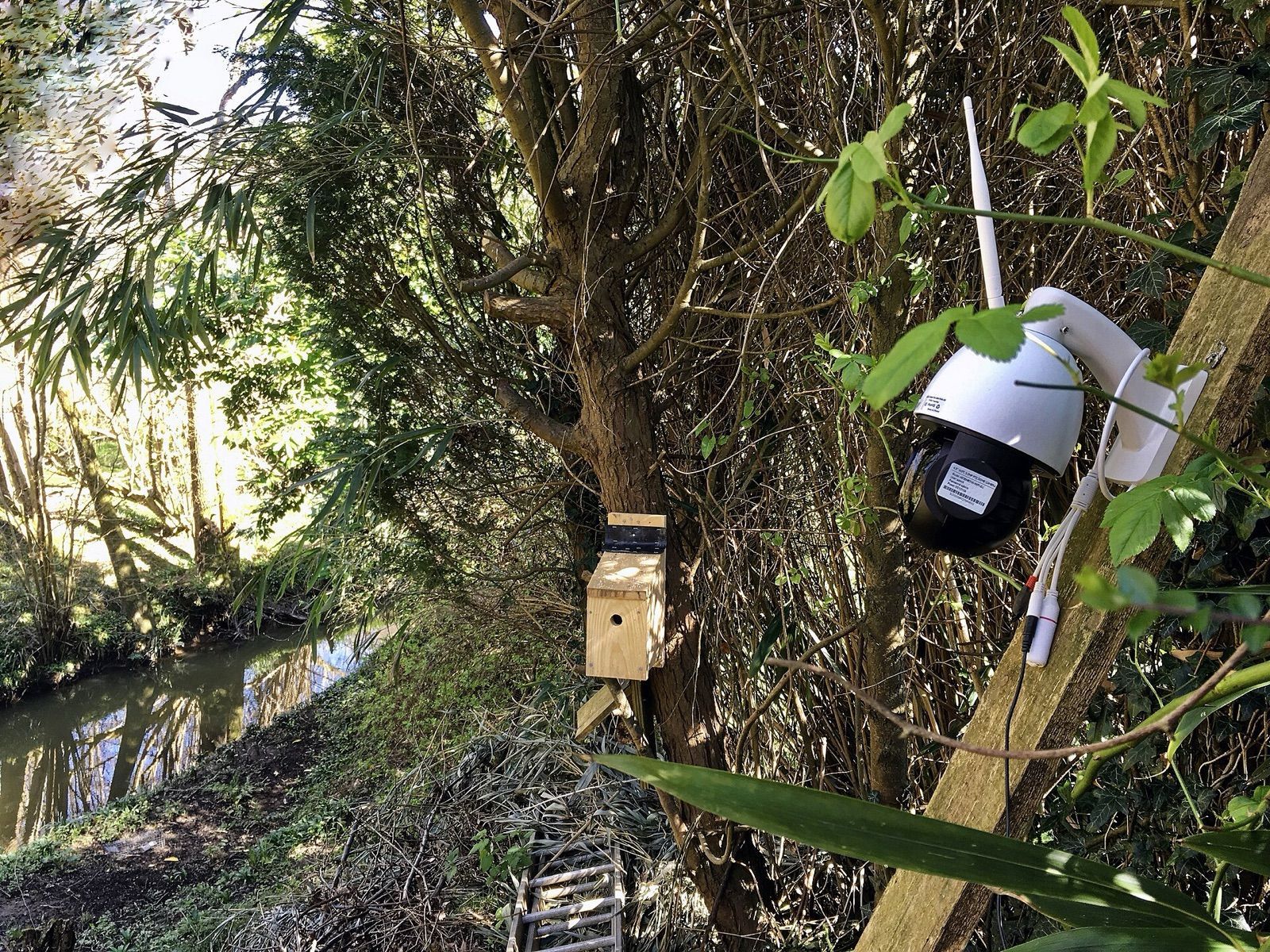
Resolution, night vision, local versus cloud storage, subscriptions, wired versus battery power and privacy rules for home cameras and video doorbells, explained.

Processor tiers in plain terms, when you need dedicated graphics, how much RAM and storage to buy, and which screen and battery details matter most.
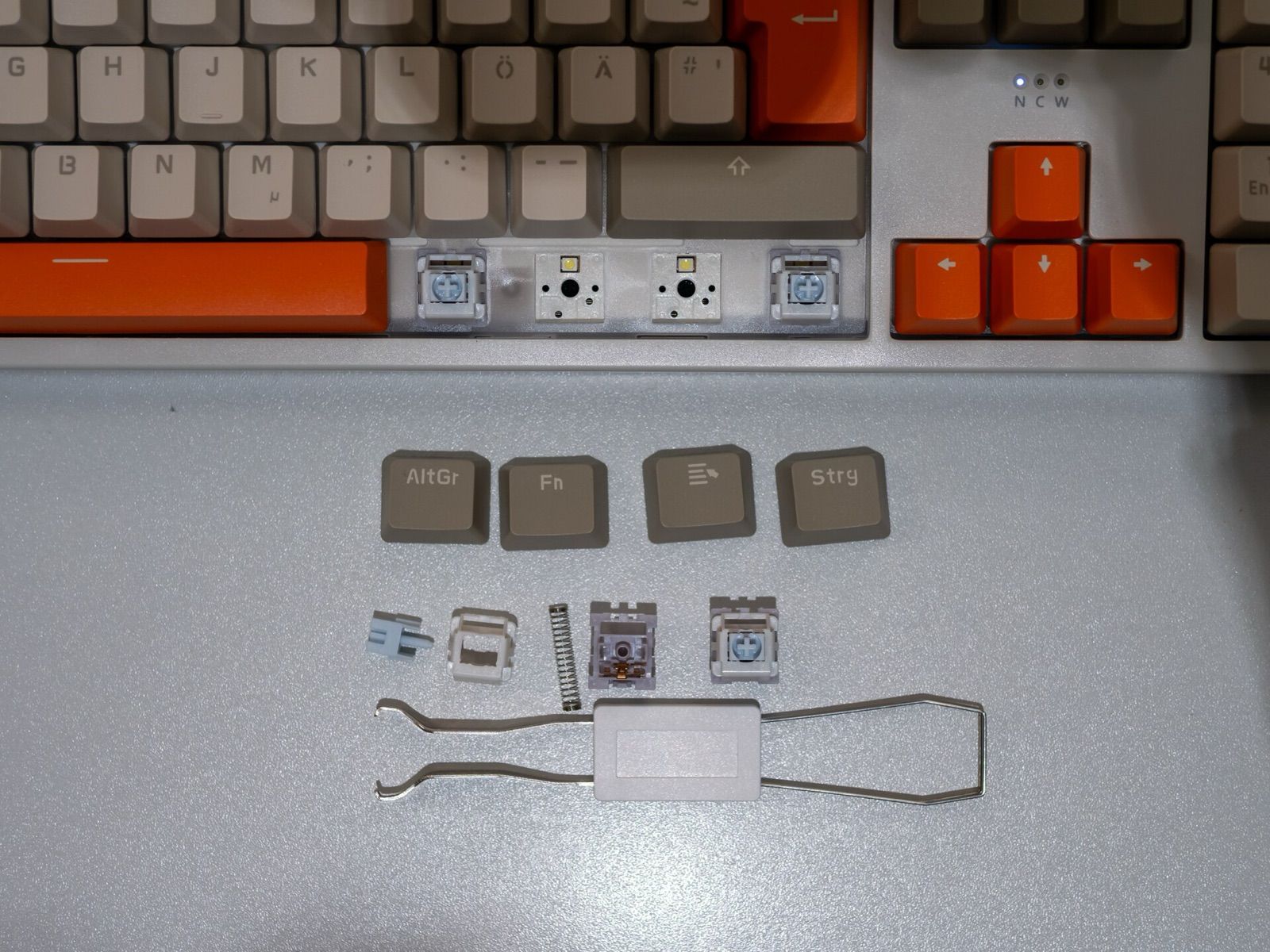
Linear, tactile and clicky switches, keyboard sizes from full-size to 60%, ANSI versus ISO layouts, hot-swap sockets and wireless options explained for first-time buyers.
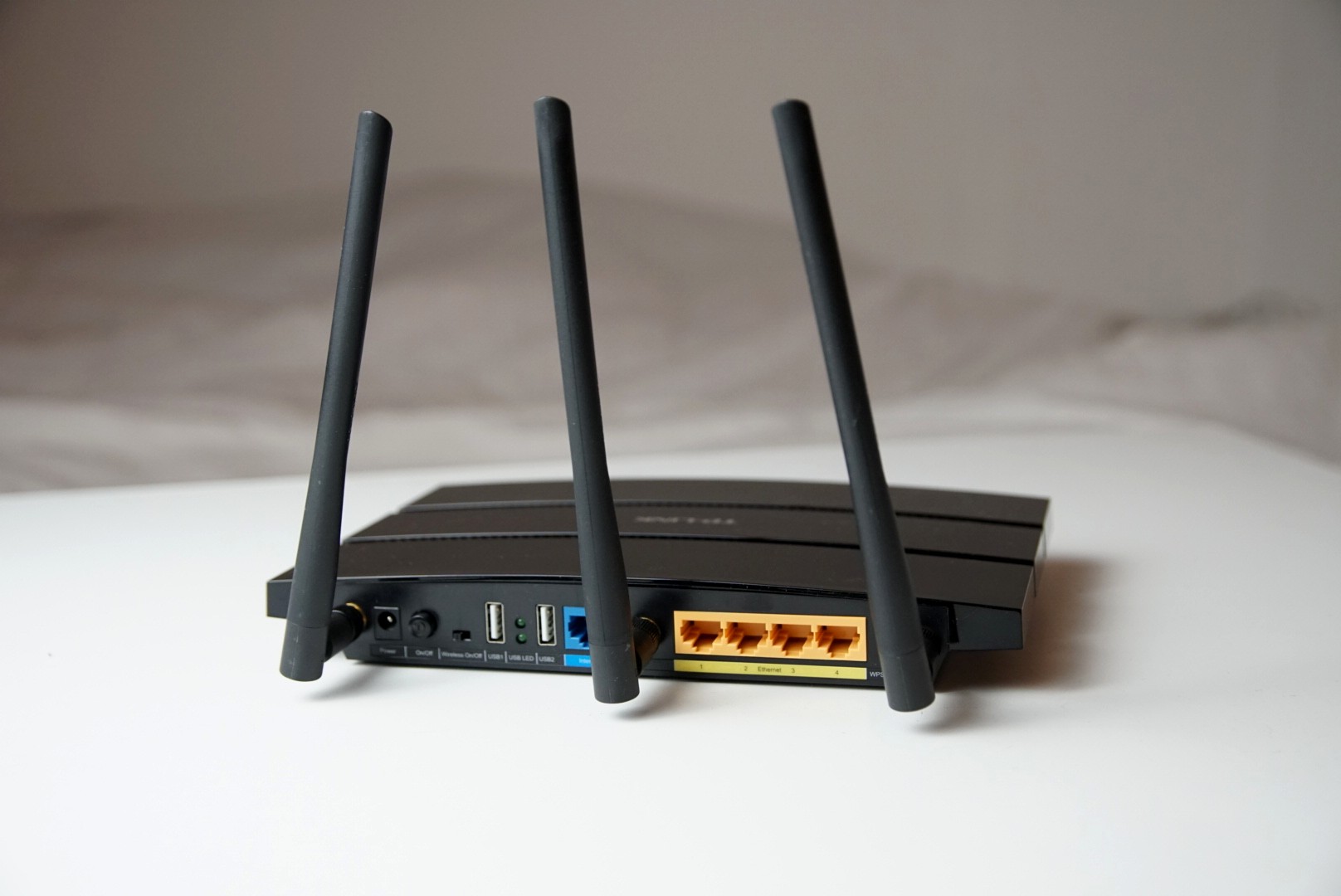
How Wi-Fi standards, frequency bands and mesh backhaul affect real-world speed, and how to size a network for your home and internet plan.
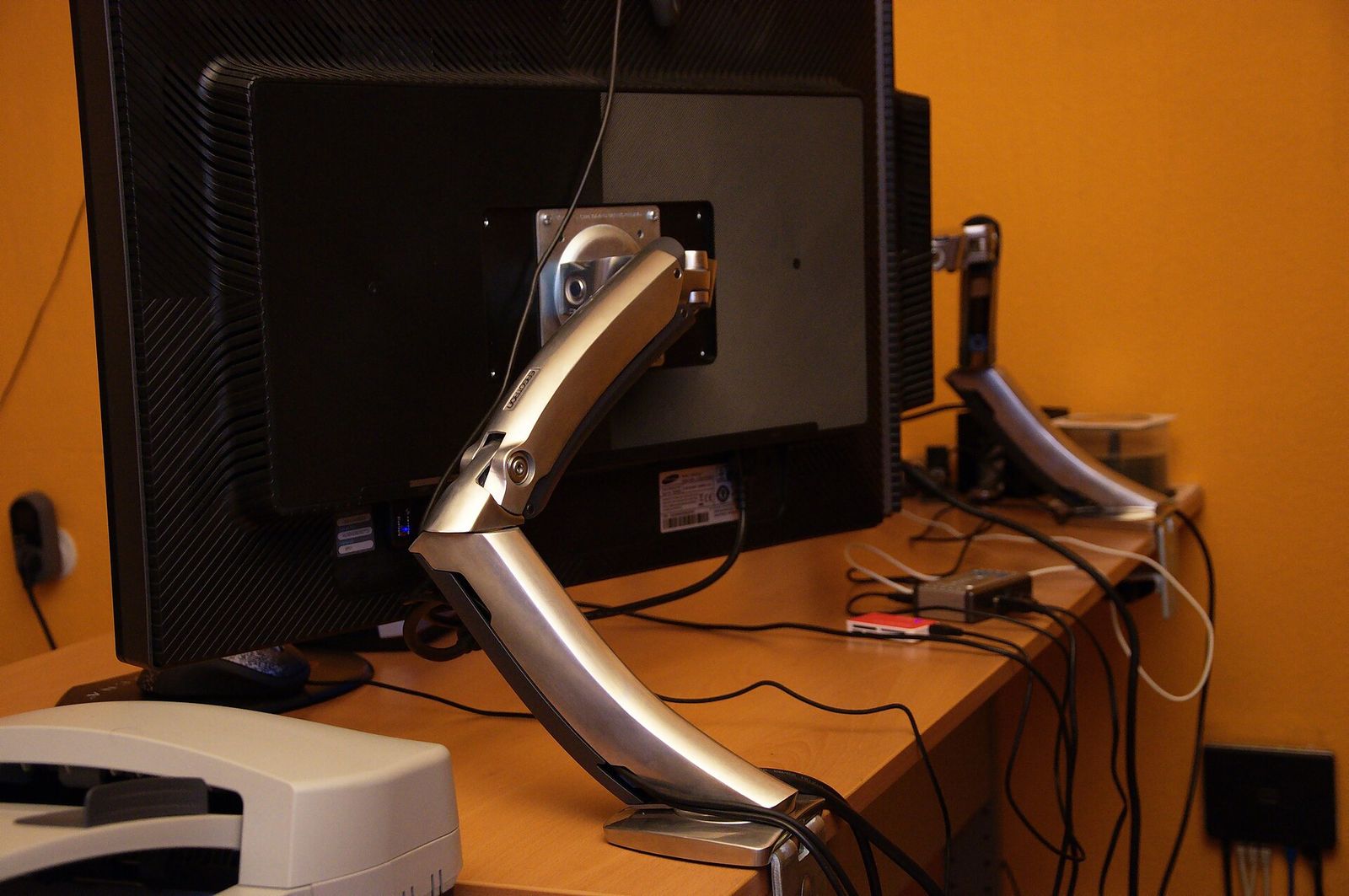
How to match monitor size and resolution, compare IPS, VA and OLED panels, choose a refresh rate, and use USB-C or Thunderbolt for one-cable laptop docking.

How active noise cancellation works, what it can and cannot block, and how transparency modes, Bluetooth codecs, comfort and battery life compare.

Why a 10,000 mAh power bank doesn't give 10,000 mAh to your phone, how USB-C output wattage works, and the general airline rules for carrying one.

How inkjet, ink tank and laser printers compare on cost per page, print quality and reliability, and which multifunction features are worth having at home.
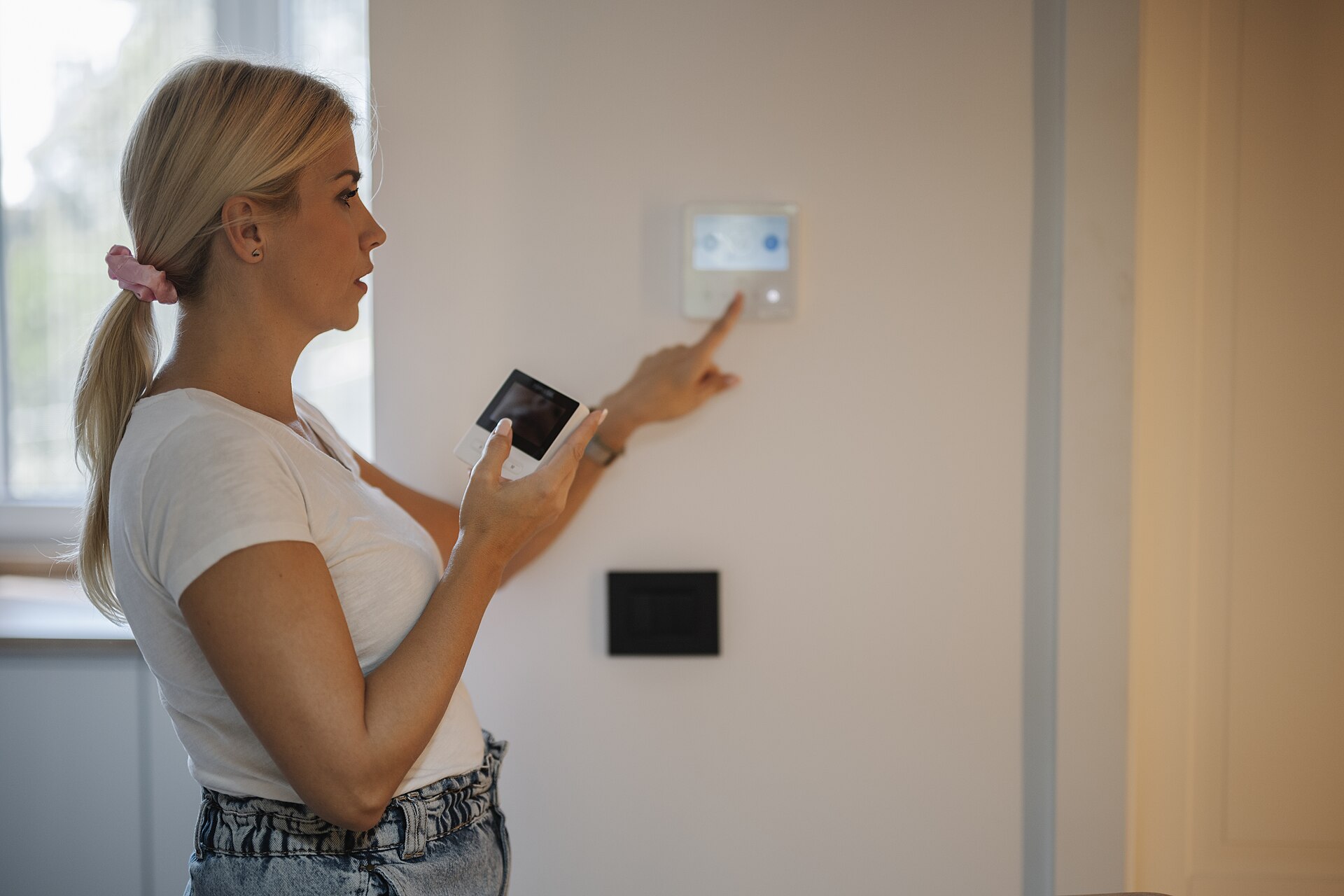
What Matter, Thread, Zigbee, Z-Wave and Wi-Fi mean for smart plugs, lights and sensors, when you need a hub, and how to avoid devices that won't work together.
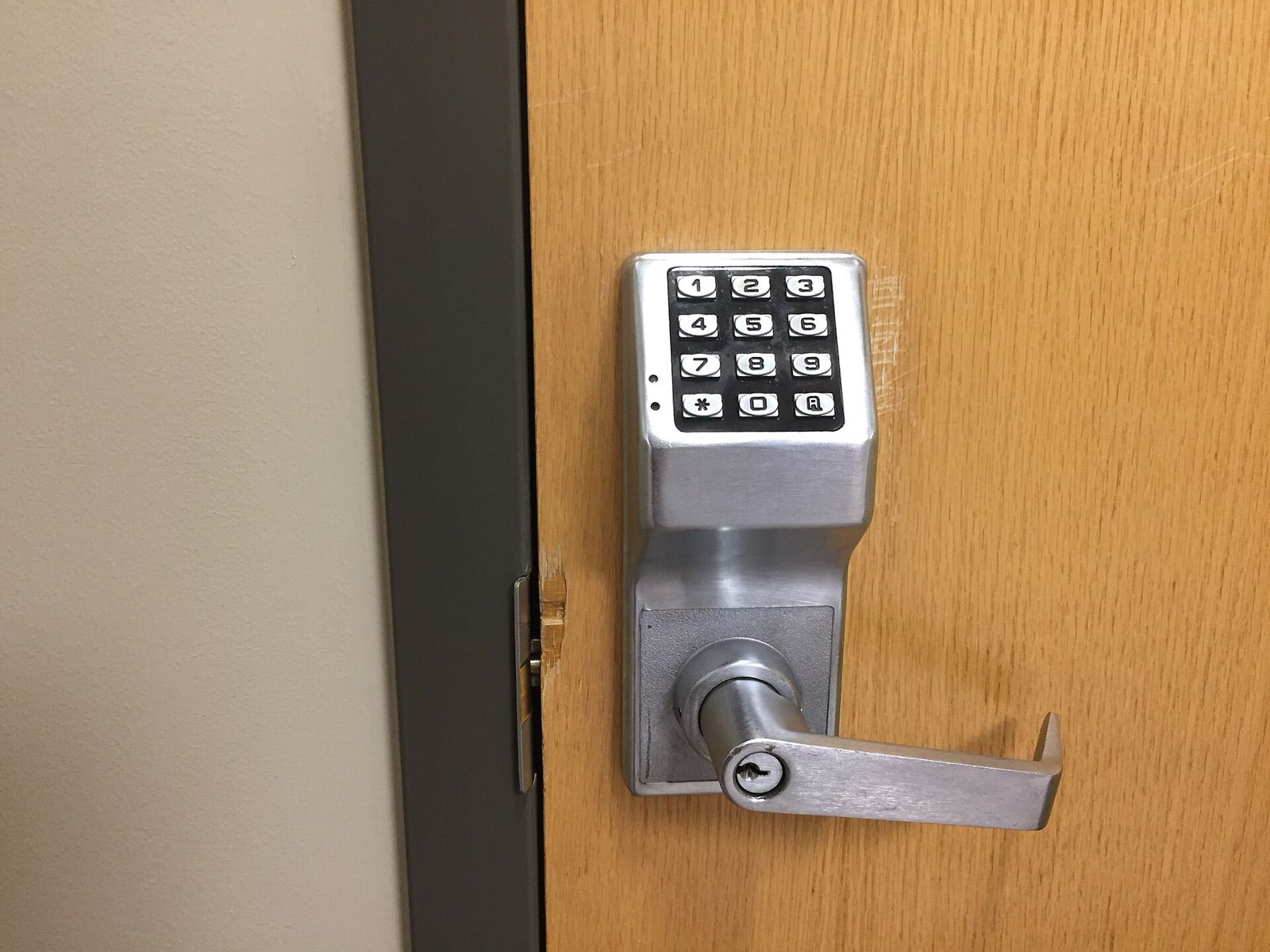
How retrofit and full-replacement smart locks differ, what keypads, fingerprints and apps offer, and how to plan for flat batteries and lock security ratings.

What heart-rate, SpO2 and GPS sensors can and can't measure, how accurate wrist readings are, and how battery life and phone compatibility should shape your choice.
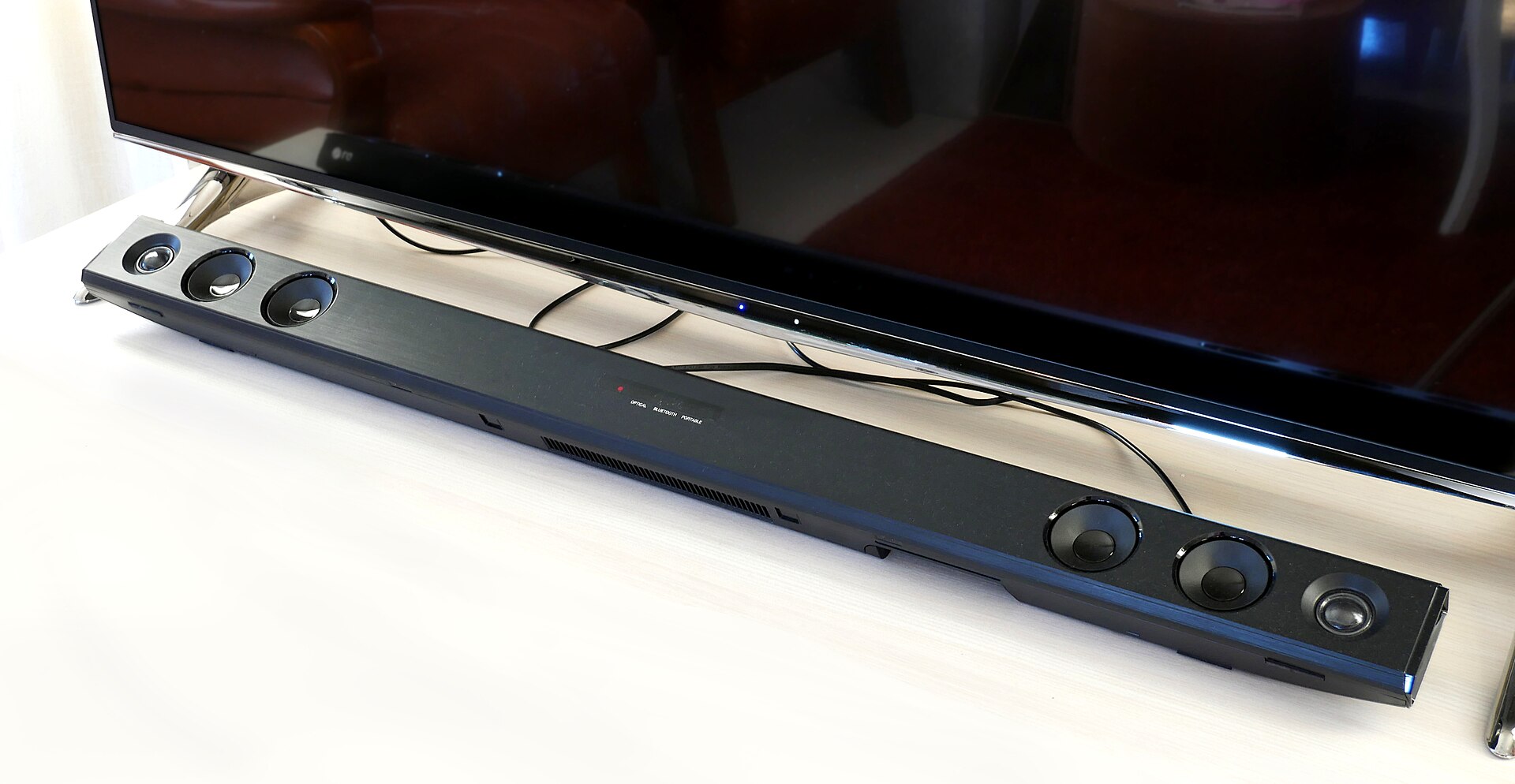
What the numbers on a soundbar box mean, how Dolby Atmos and DTS:X work, and why HDMI eARC, a centre channel and the subwoofer matter most.

What 4K, HDR10, HDR10+, Dolby Vision, HLG and Dolby Atmos mean, which ones your TV already supports, and when an external streaming device is worth adding.
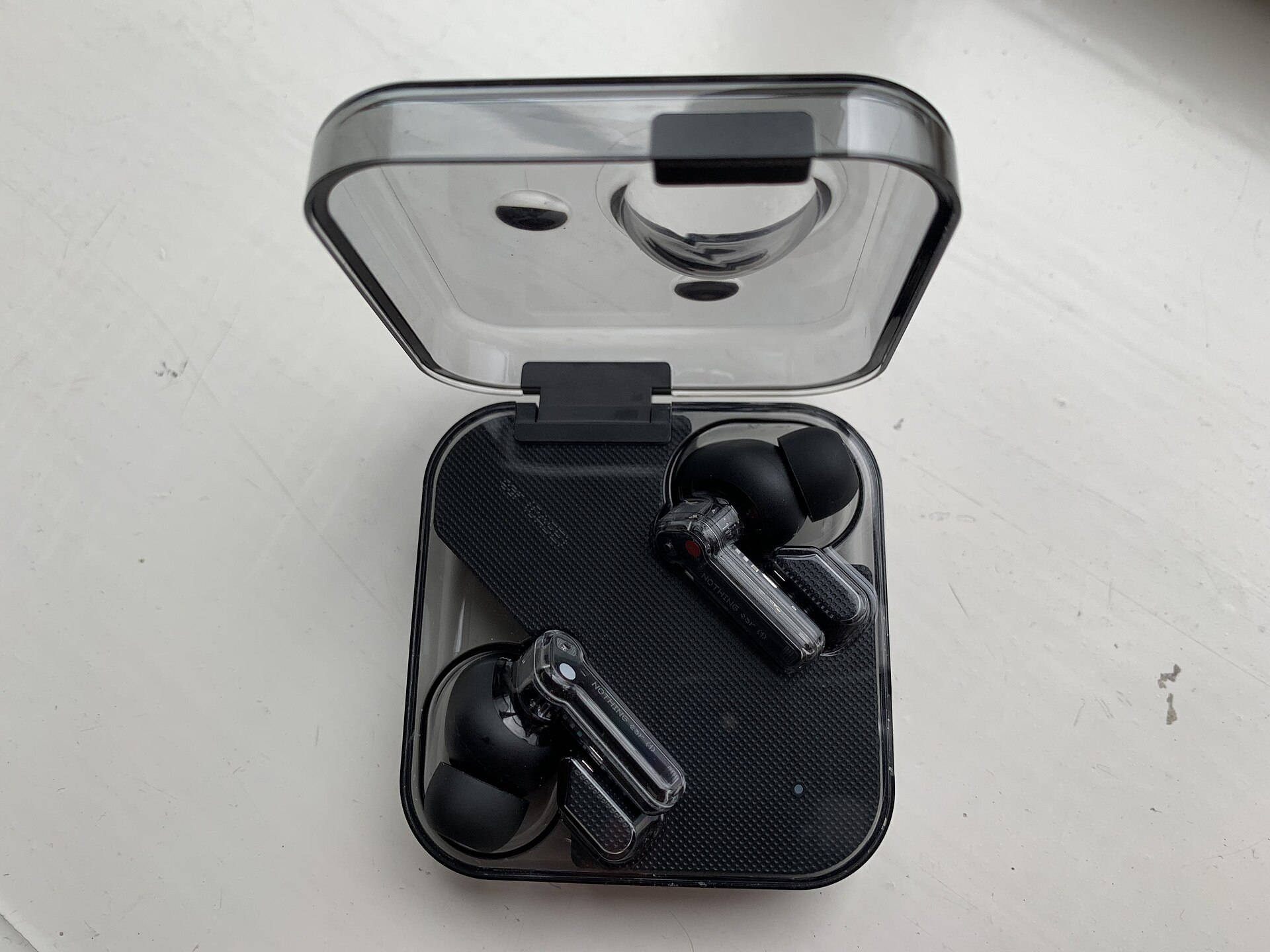
How to get a good seal with ear tips, which Bluetooth codecs matter, what IPX4 and IP55 really mean, and how case battery and multipoint work on earbuds.

How OLED, QLED and Mini-LED TVs create an image, and what that means for brightness, contrast, viewing angles and the real risk of burn-in.

What HDMI 2.1 really guarantees, why 120 Hz and variable refresh rate matter, and how to check input lag and port layout before buying a TV for gaming.

How USB Power Delivery negotiates wattage, when PPS matters for phones, why cables need e-markers above 60 W, and how multi-port GaN chargers share power.

Why sensor size and lighting matter more than 4K for webcams, and how microphone pickup patterns, placement and room echo shape how you sound on video calls.
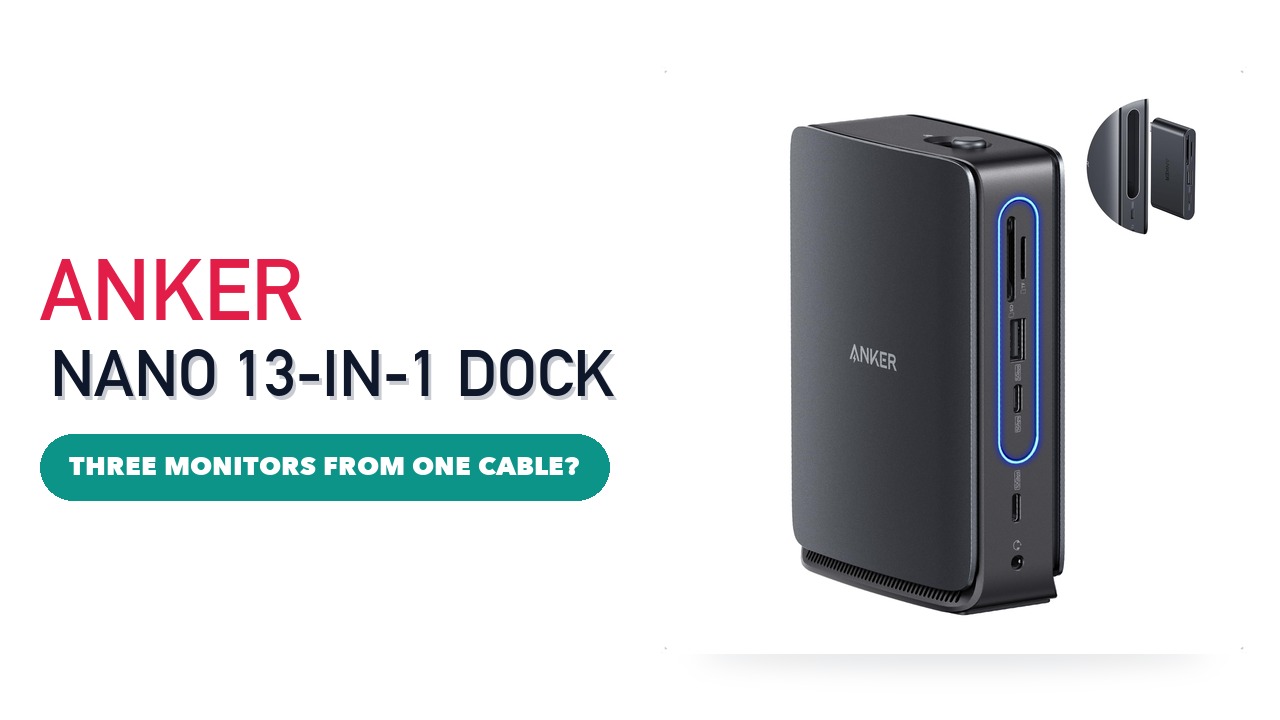
A 13-in-1 USB-C dock for up to three monitors, with 100W laptop charging and a 6-in-1 hub that detaches for travel. What its ports and display modes mean.
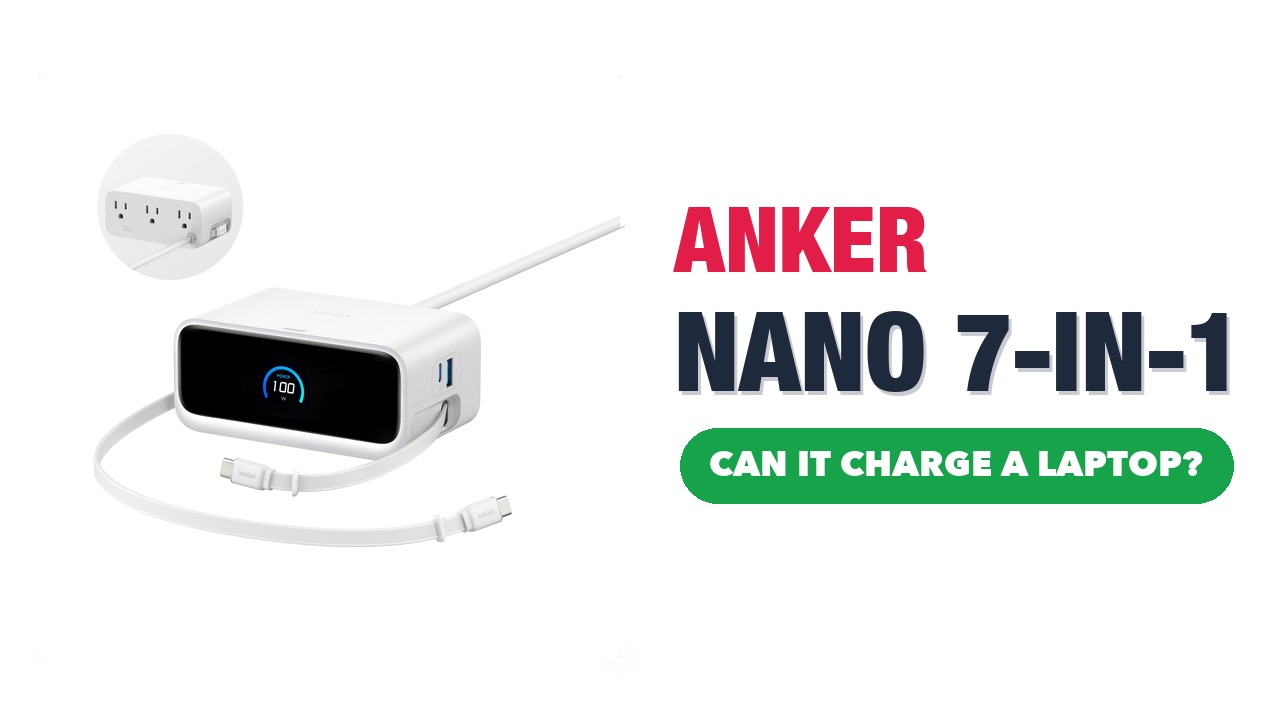
A 7-in-1 desktop power strip with three AC outlets, two retractable USB-C cables and up to 100W per USB-C port. What the Anker's specs mean on a desk.
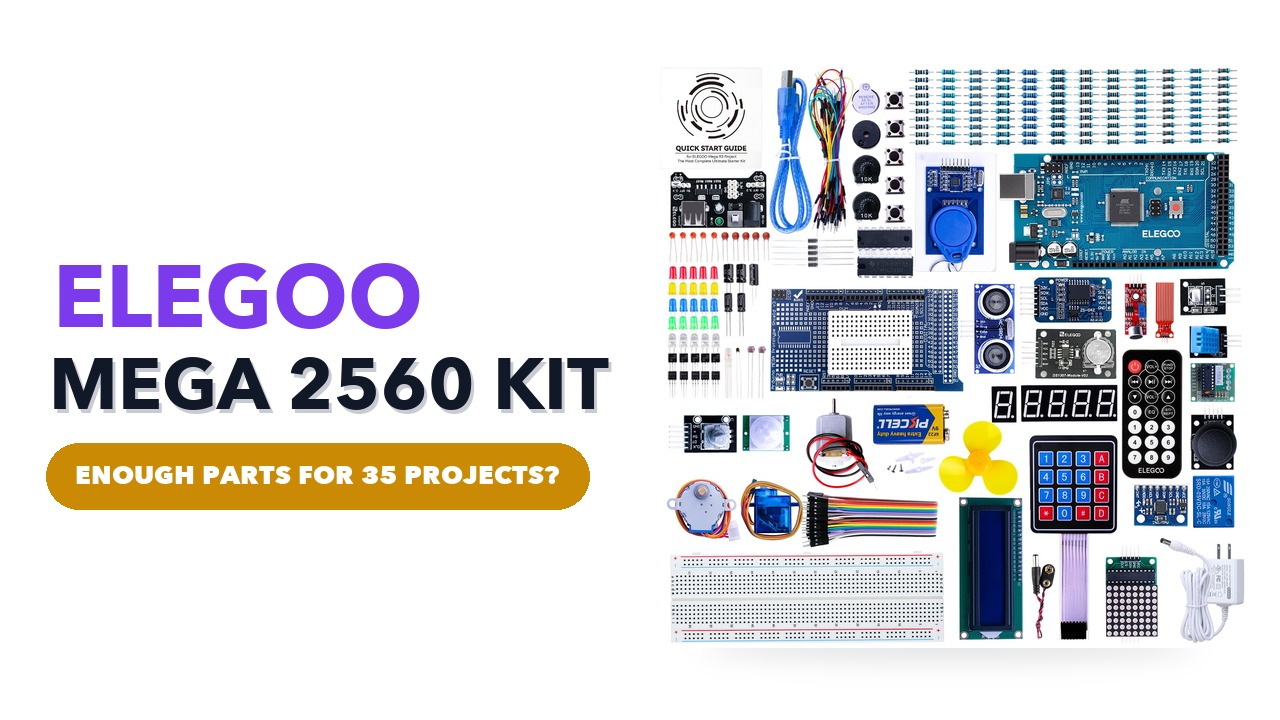
A Mega 2560 R3 microcontroller kit with more than 200 components and over 35 guided lessons. What the board's pins and parts mean for learning and larger builds.
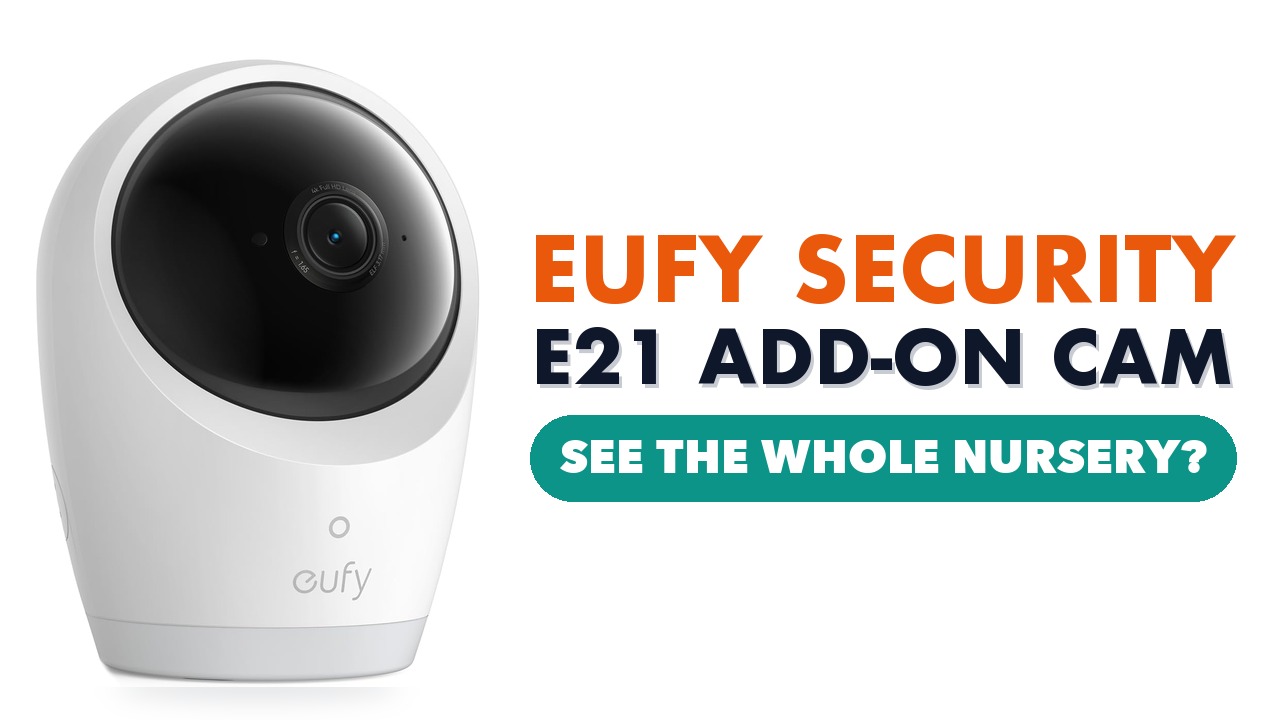
A 4K pan-and-tilt add-on camera for the eufy E21 baby monitor, with 8x zoom, a 5,000mAh battery and a Wi-Fi off switch. What its features mean at home.
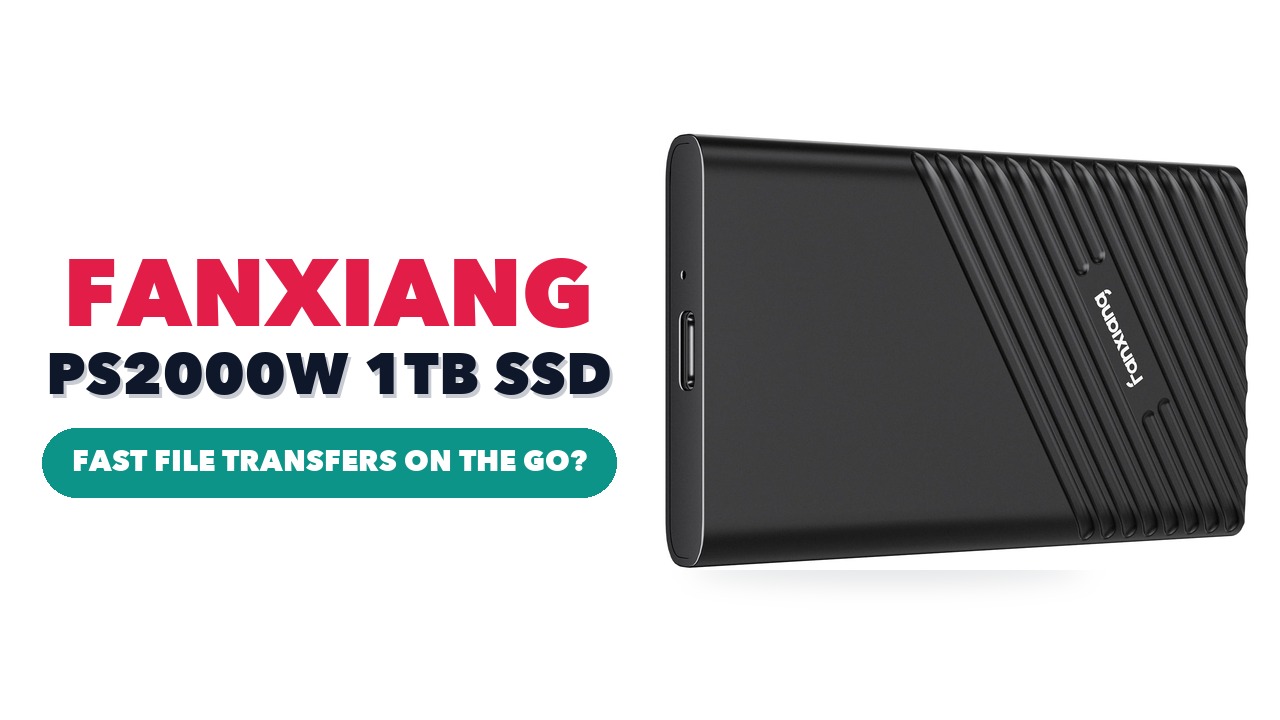
A pocket-size 1TB SSD rated up to 2,000 MB/s over USB 3.2 Gen 2x2, with an aluminium body and a 2-in-1 cable. What its speed and endurance figures mean.
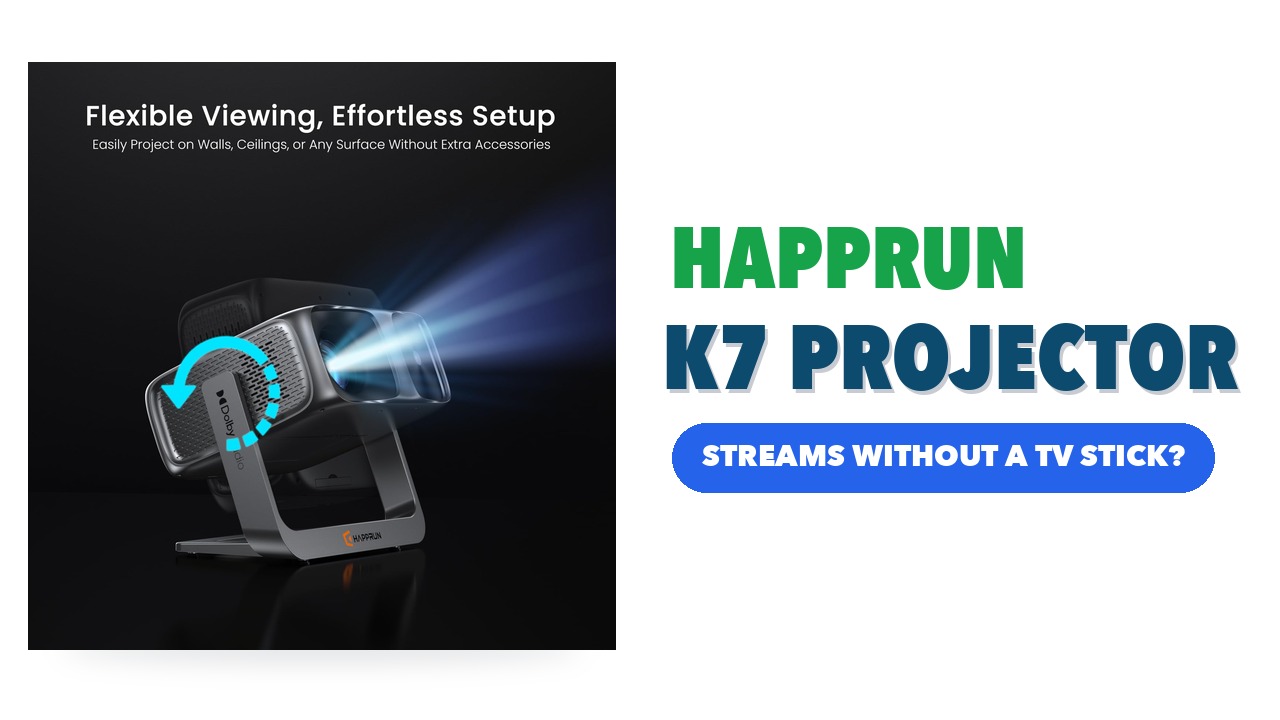
A native 1080p smart projector with Google TV built in, 2500 ANSI lumens, auto focus, a tilting stand and Dolby Audio speakers. What its specs mean at home.

A smart projector with built-in streaming apps, 3000 ANSI lumens, 4K decoding with HDR10, auto focus and Dolby Audio speakers. What its specs mean at home.
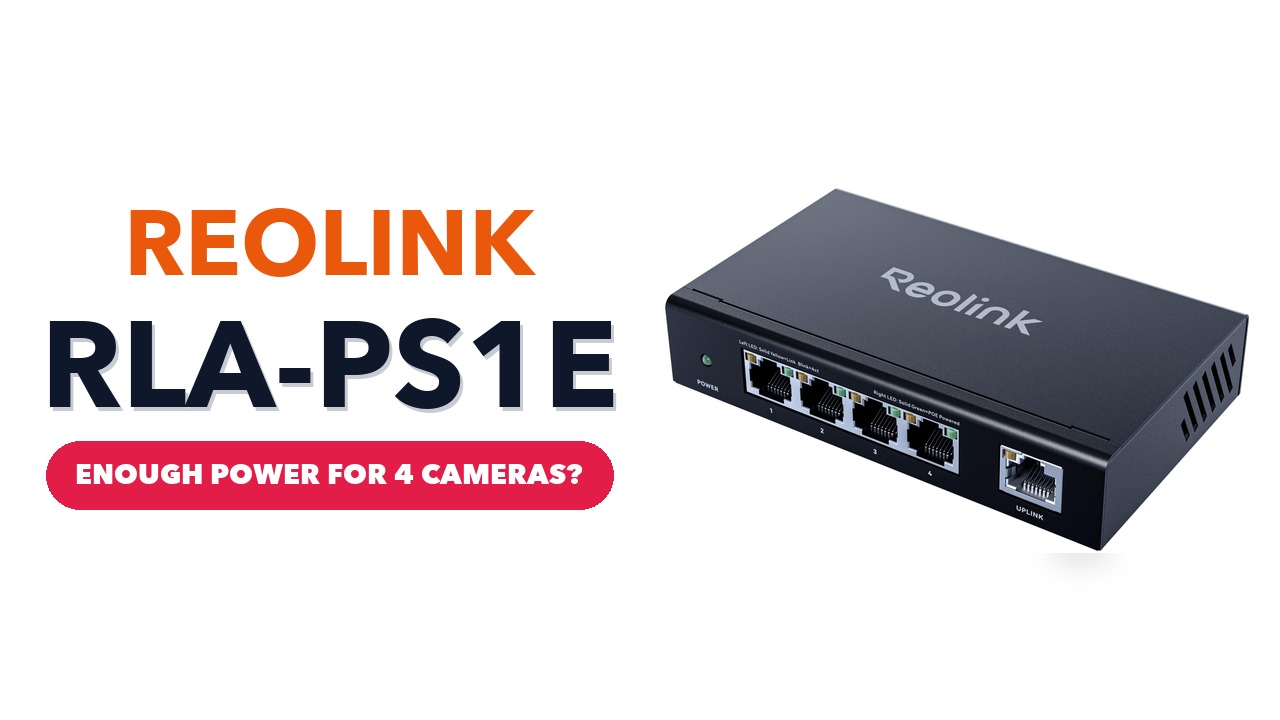
A 5-port gigabit PoE+ switch with 65W in total, Extend Mode for runs up to 820 ft and automatic device reboots. What the Reolink's specs mean for a camera setup.
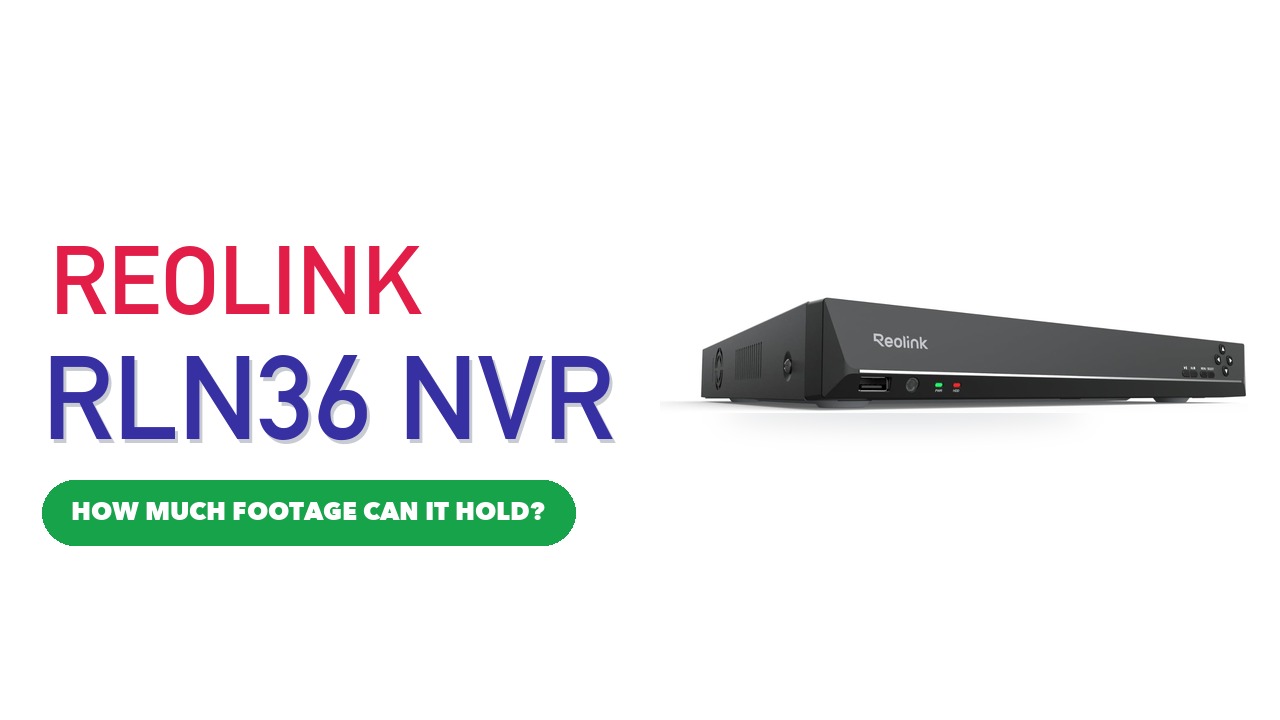
A 36-channel network video recorder for Reolink IP cameras, with three drive bays of up to 16TB each and cameras connected through PoE switches, explained.
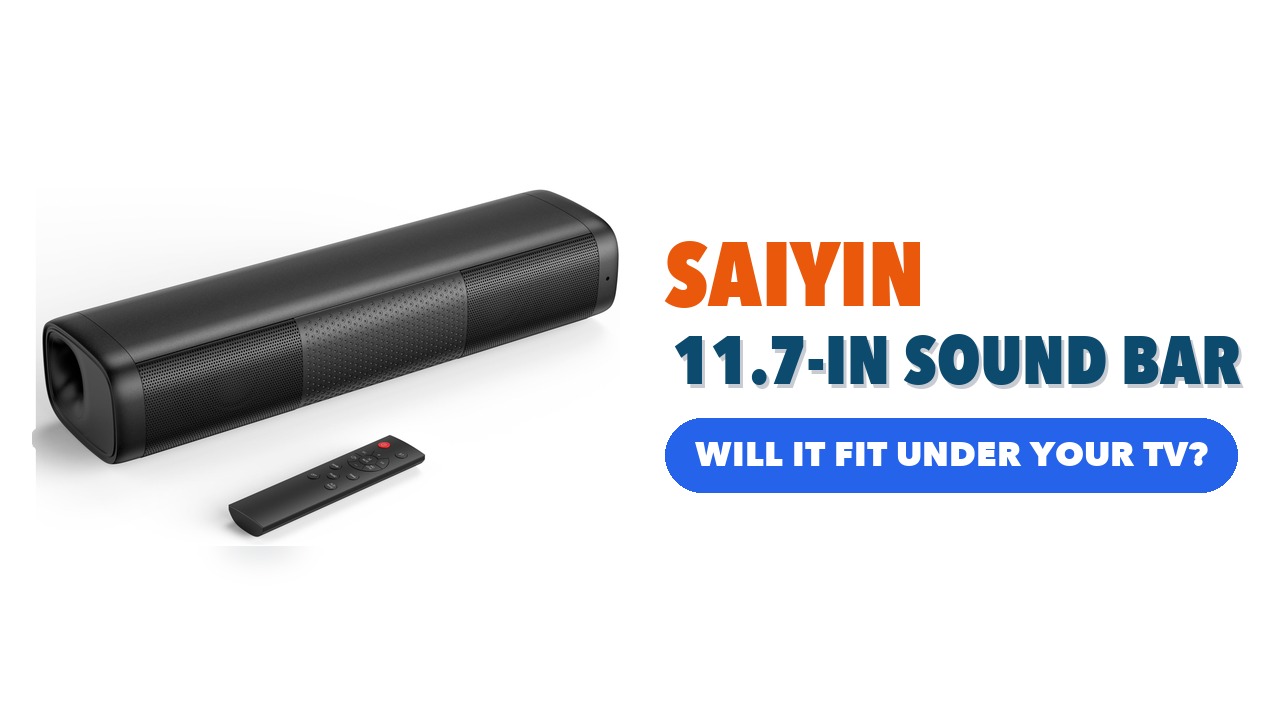
A compact 11.7-inch sound bar with 48W peak power, Bluetooth 5.3, optical, AUX and a sub out. What the Saiyin's connections and setup mean for a TV or desk.
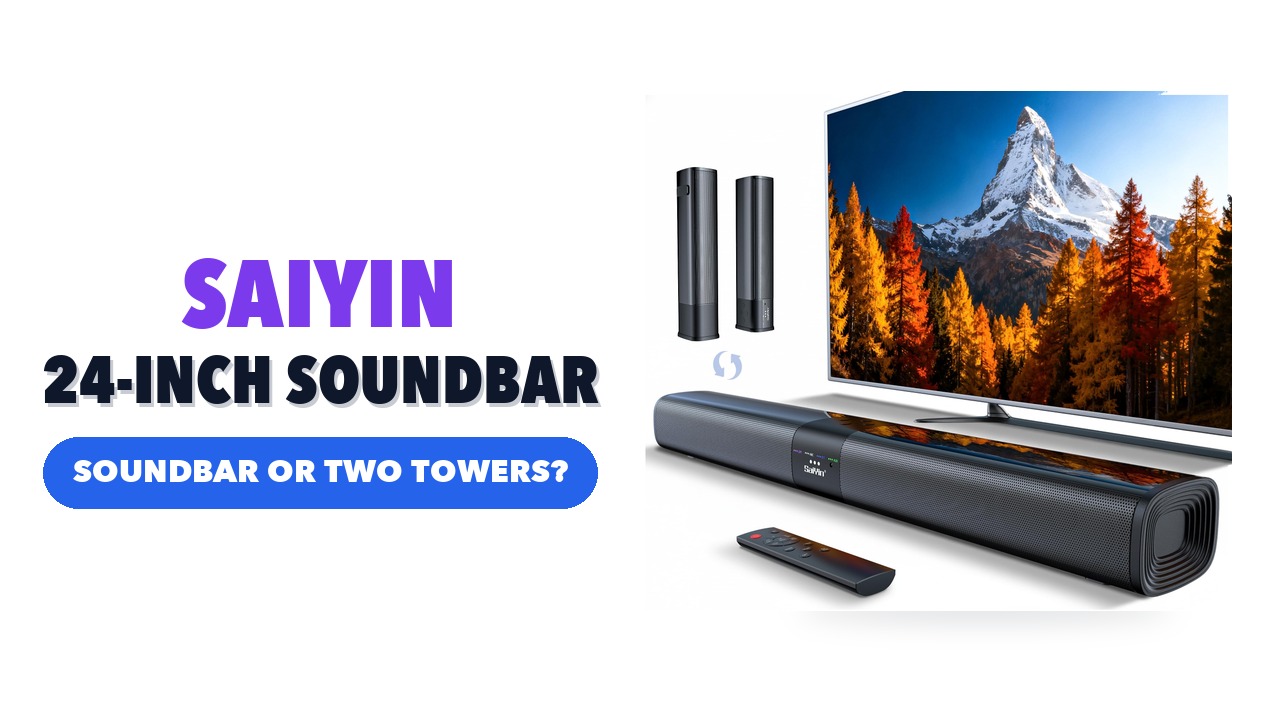
A 24-inch soundbar that splits into two tower speakers, with oval full-range drivers, HDMI ARC, optical and Bluetooth 5.3. What the Saiyin's specs mean at home.
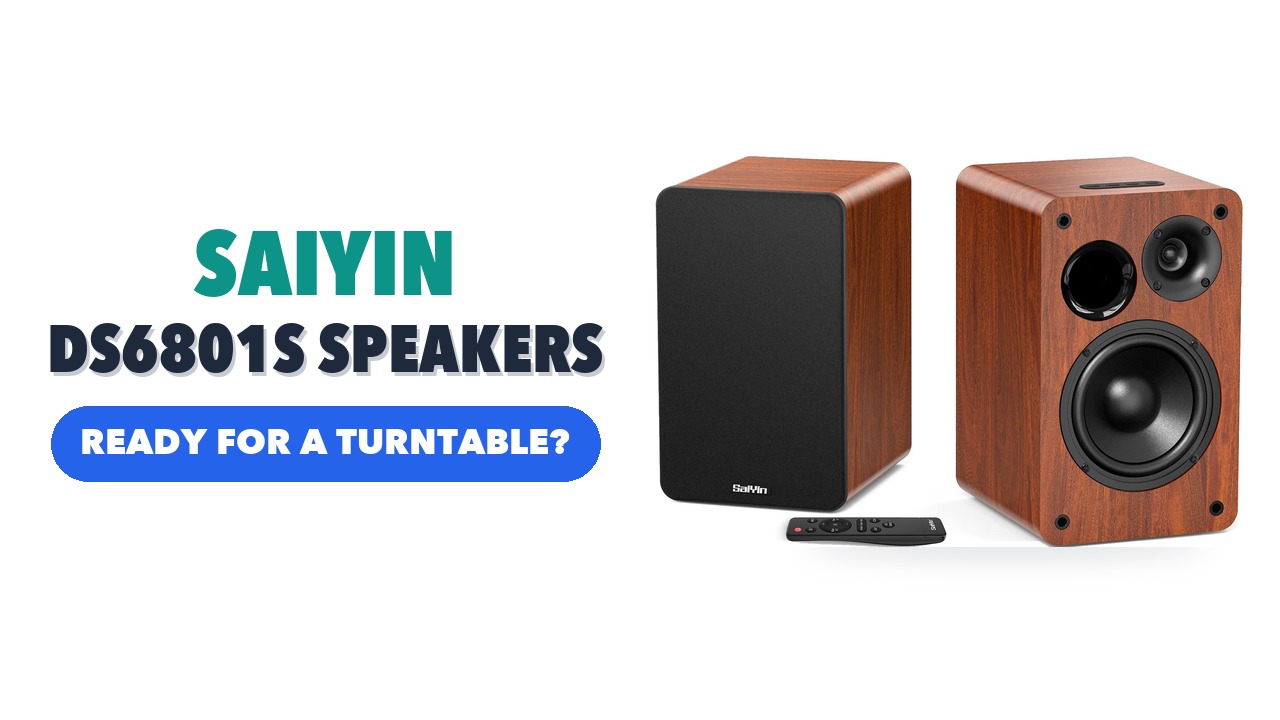
Powered bookshelf speakers with 65 mm horn tweeters, 5.2-inch woofers, Bluetooth 5.0 and optical, coaxial and RCA inputs. What the Saiyin's specs mean.
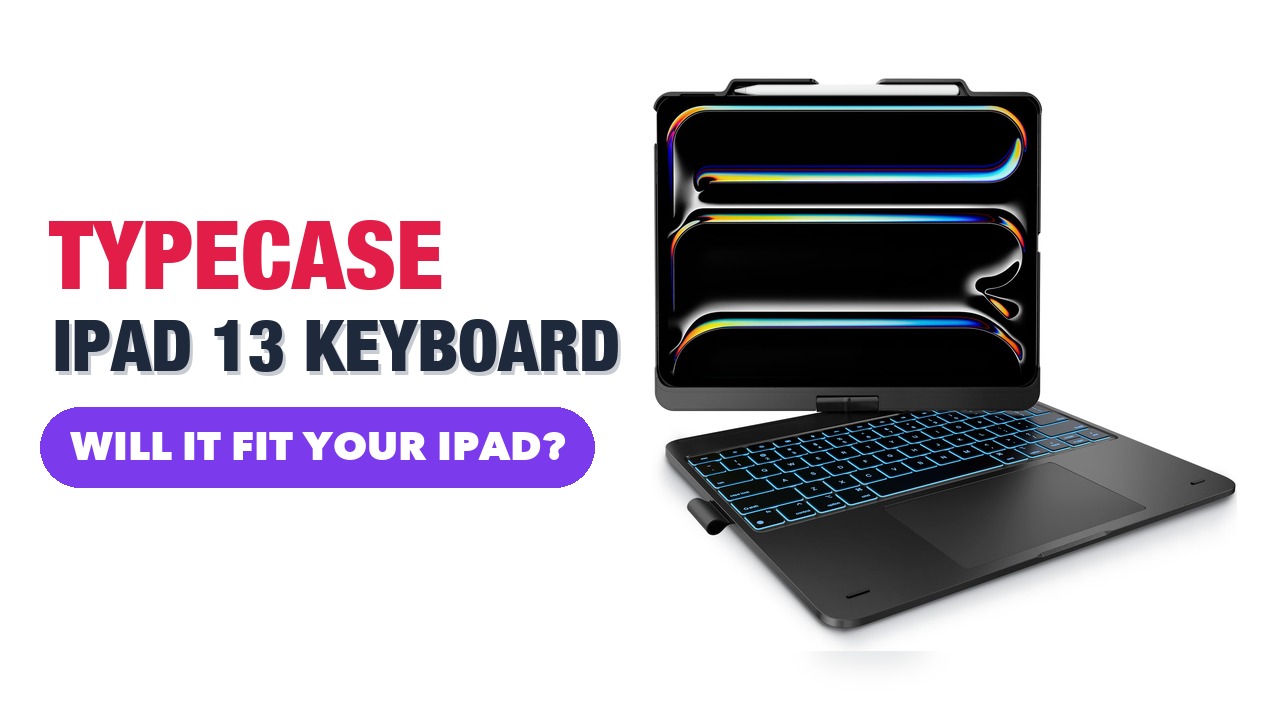
A keyboard case for 13-inch and 12.9-inch iPads with a multi-touch trackpad, 11-colour backlit keys and a 360° rotating hinge. Which models it fits and what to check.
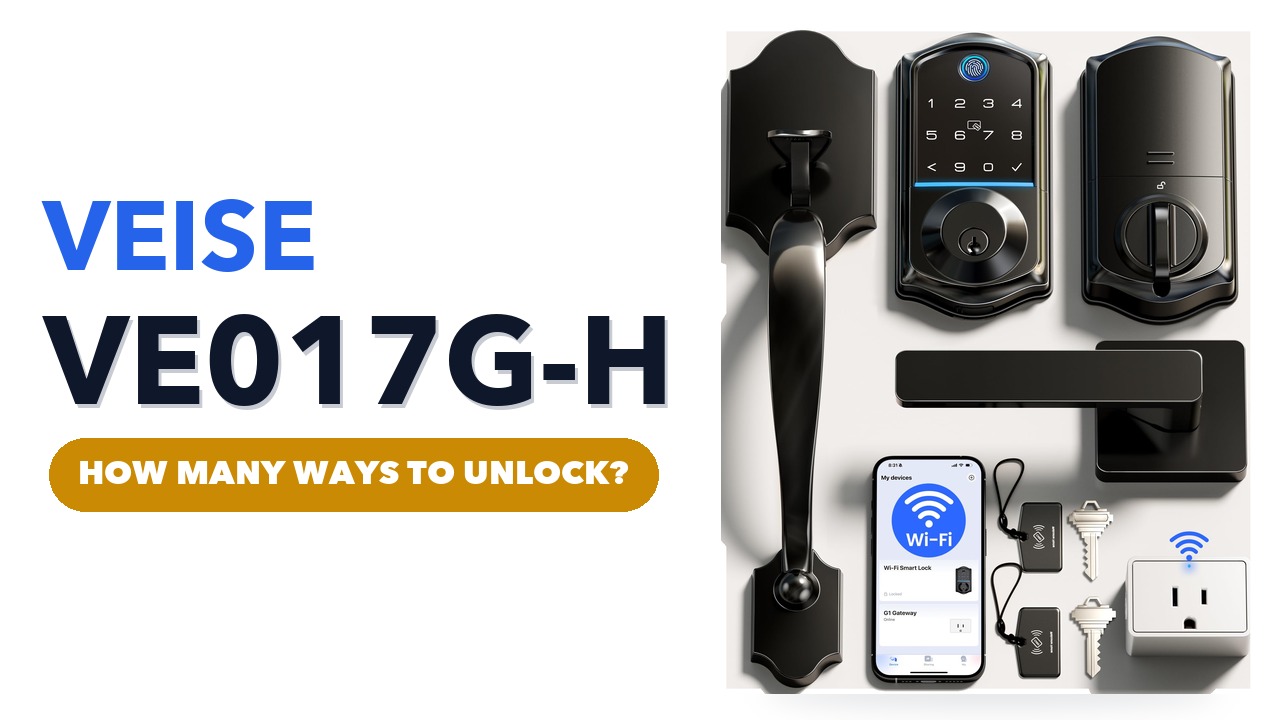
A Wi-Fi smart deadbolt and handle set with eight ways to unlock, app control, auto-lock and listed ANSI/BHMA Grade 3 testing. What it offers and what to check first.

A stabilized laser golf rangefinder with 6x optics, cart-path measuring, adjusted yardages and a one-click tournament mode. What the specs mean on the course.

A portable Bluetooth 5.4 speaker with 200W peak and 60W RMS, Bass Boost, IP65 water and dust resistance and a 12,000mAh battery. What the specs mean outdoors.
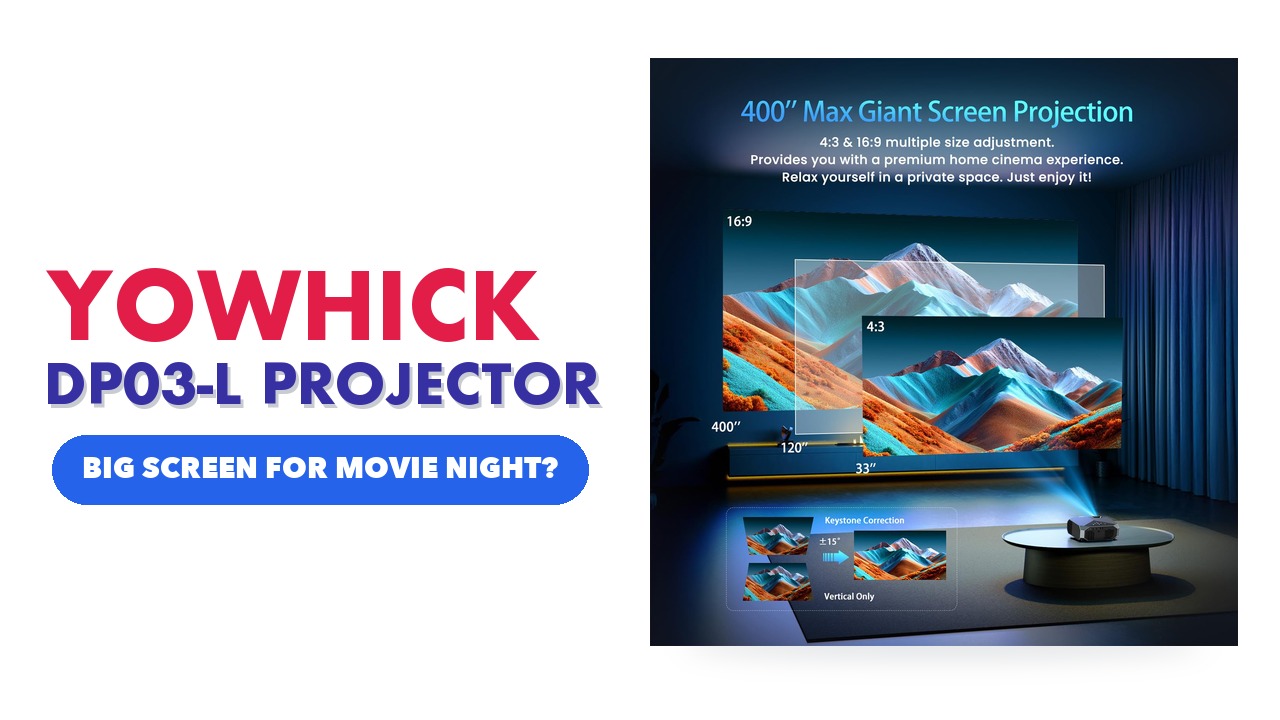
A portable smart projector with native 1080p, 4K content support, built-in Netflix, Wi-Fi 6 and two-way Bluetooth. What its specs mean for movie nights at home.
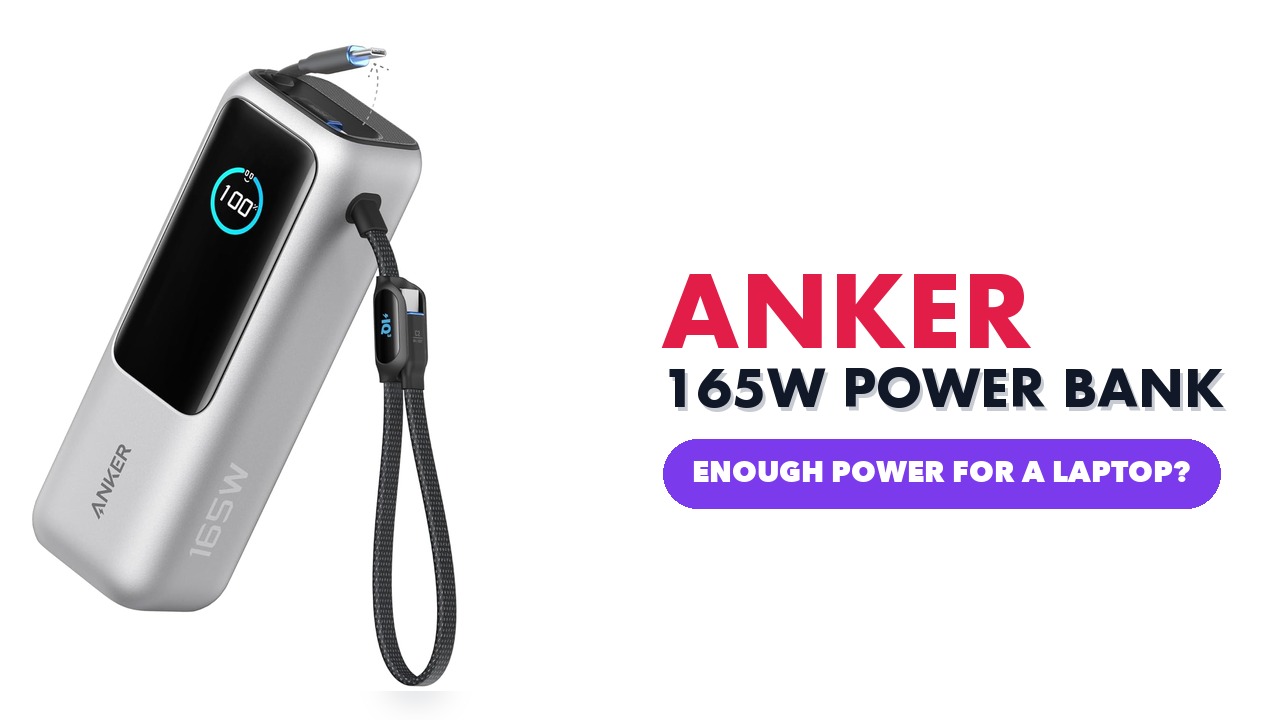
A 25,000mAh power bank with 165W total output, two built-in USB-C cables and a smart display. What the Anker's specs mean for laptops, phones and flights.

The Anker Prime 3-in-1 explained: a foldable Qi2.2 wireless station that charges an iPhone at up to 25W, plus an Apple Watch and AirPods, from one outlet.

A 17.3-inch 1080p IPS portable monitor with a metal kickstand, USB-C and mini HDMI: what the ARZOPA Z1C Plus specs mean for work, gaming and travel.
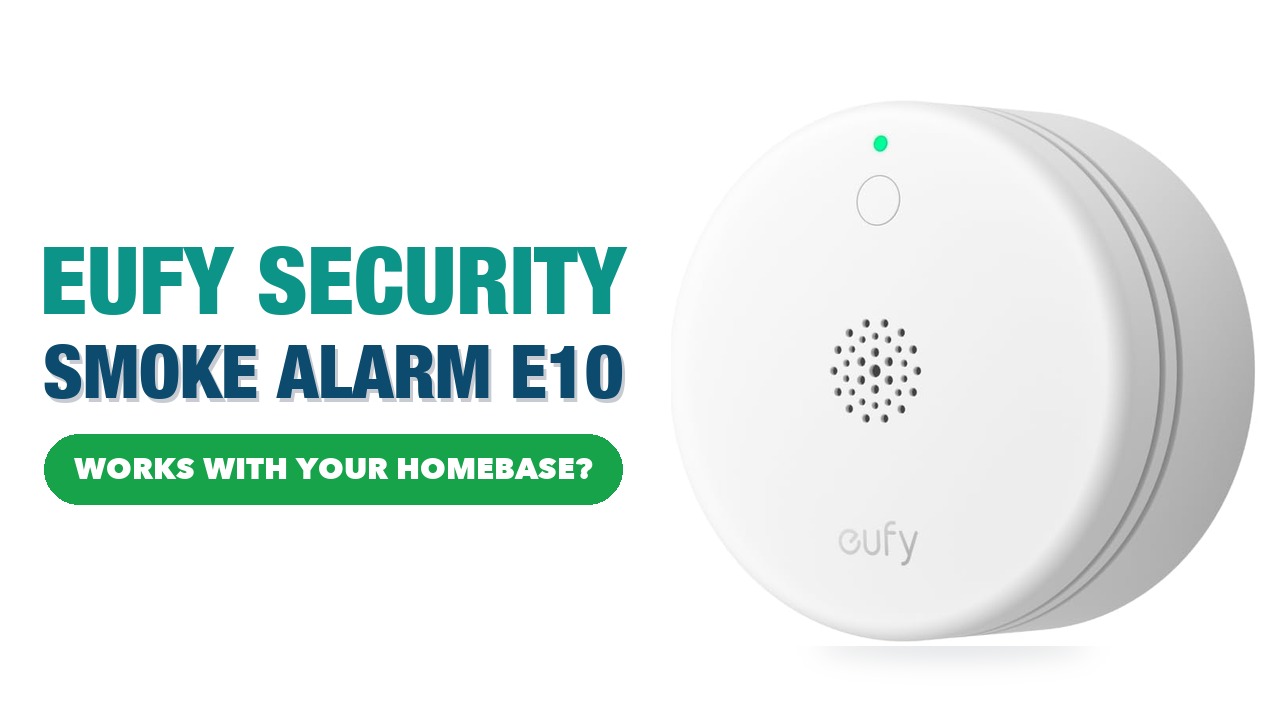
A 70 mm wireless smoke alarm with a sealed five-year battery that works through a eufy HomeBase: its listed certifications, range and requirements.
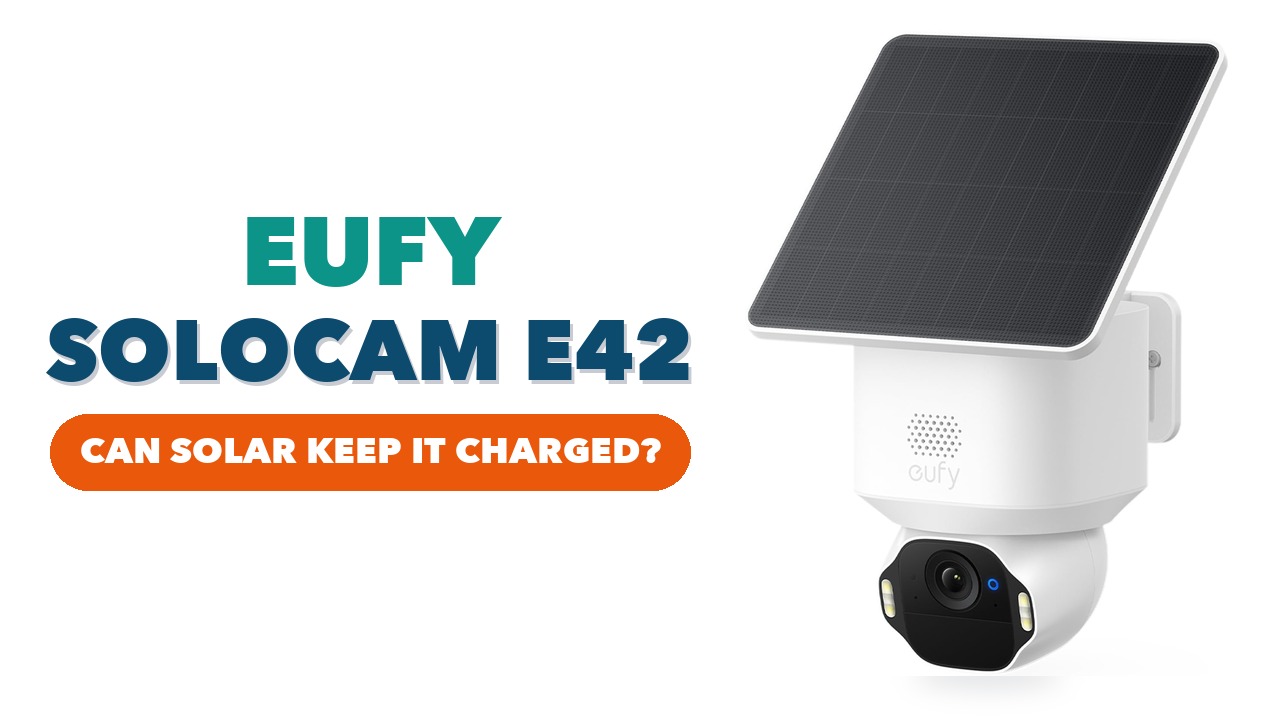
A 4K outdoor camera with a built-in solar panel, 360° coverage, AI tracking and local microSD recording. What the specs mean and what to check before buying.
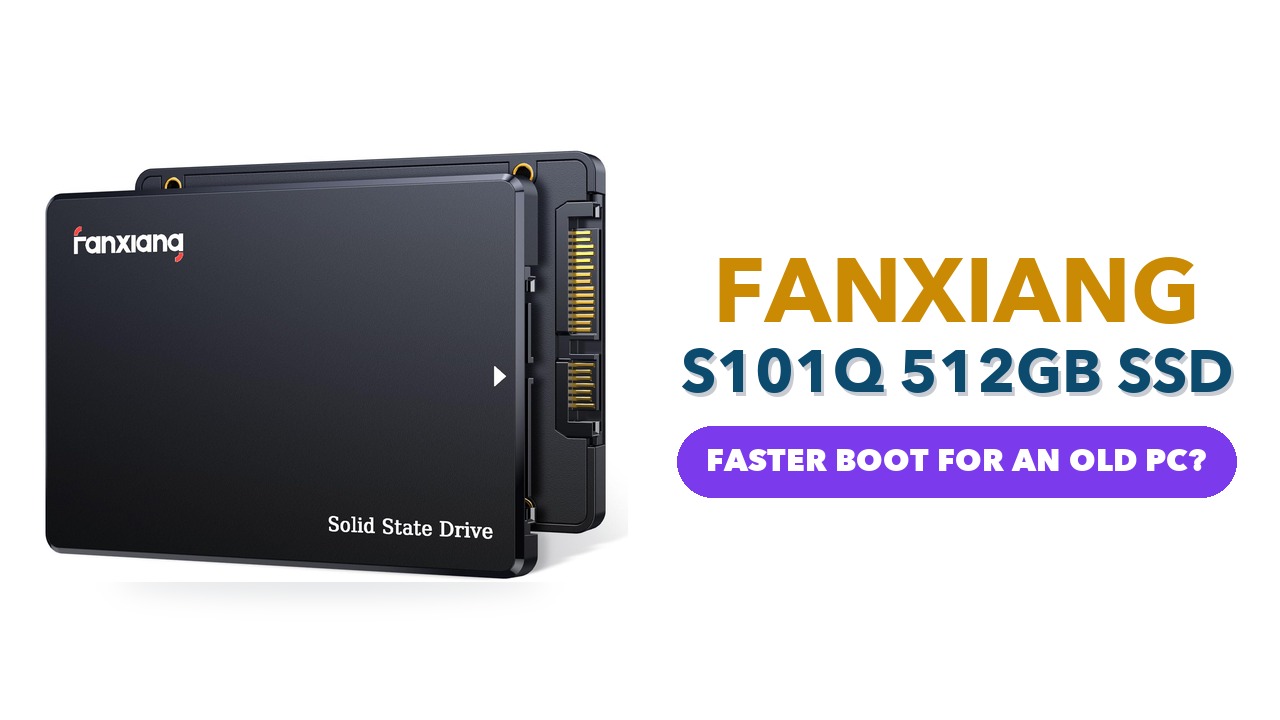
A 512GB 2.5-inch SATA III solid state drive with 3D NAND and an SLC cache. What its 560 MB/s reads, TRIM support and 7 mm size mean for an older computer.
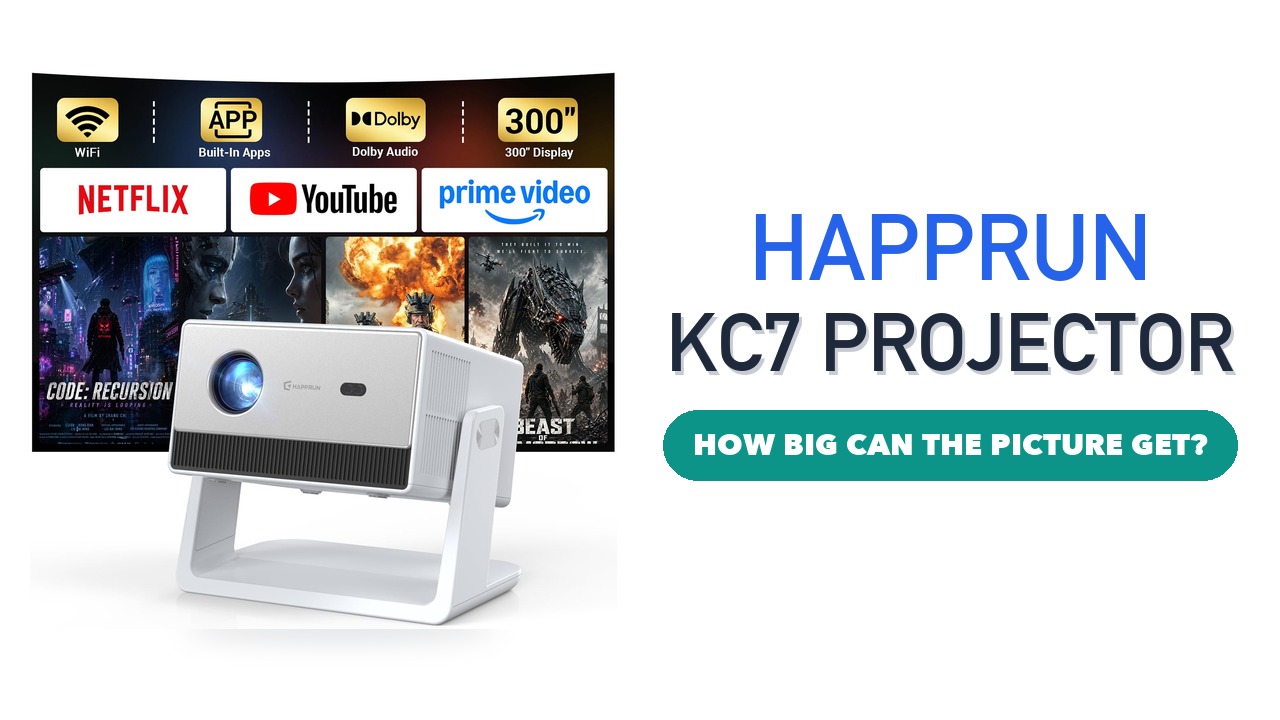
The HAPPRUN KC7 explained: a native 1080p smart projector with 4K decoding, built-in streaming apps, a tilting stand and an image of up to 300 inches.
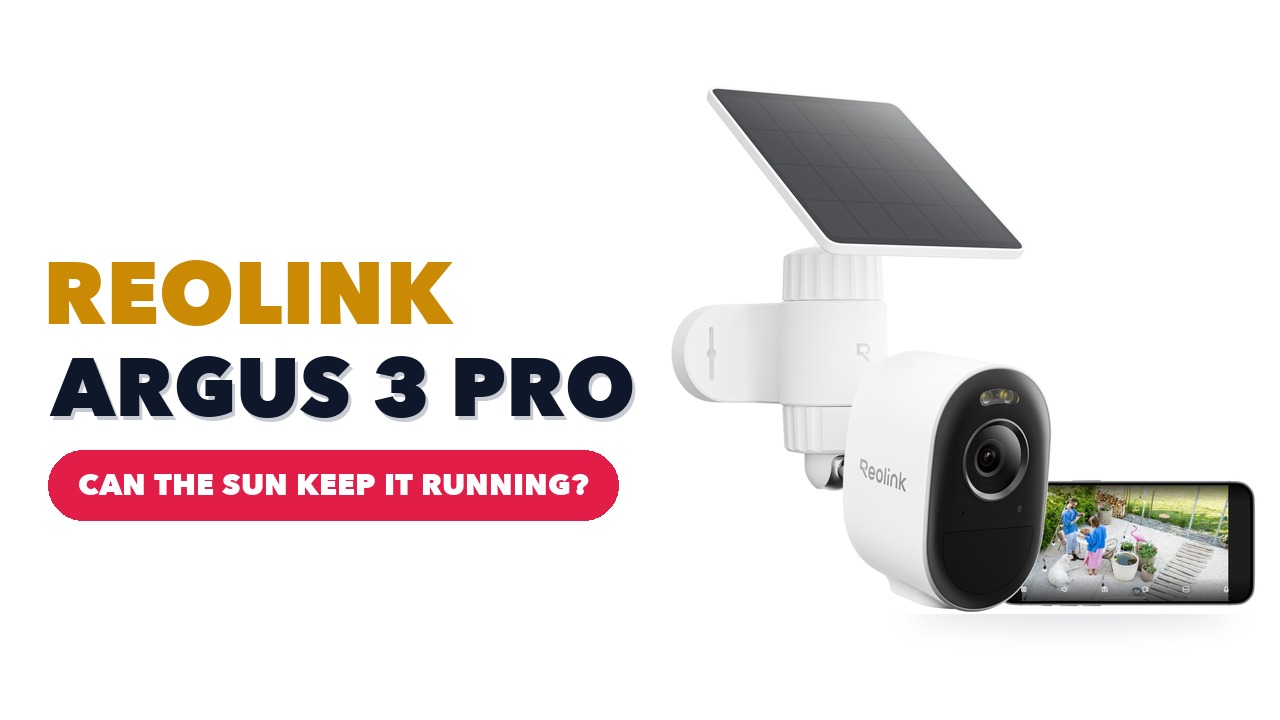
A wire-free 5MP outdoor camera that comes with a solar panel: what dual-band Wi-Fi, colour night vision and local storage mean for a spot with no outlet.
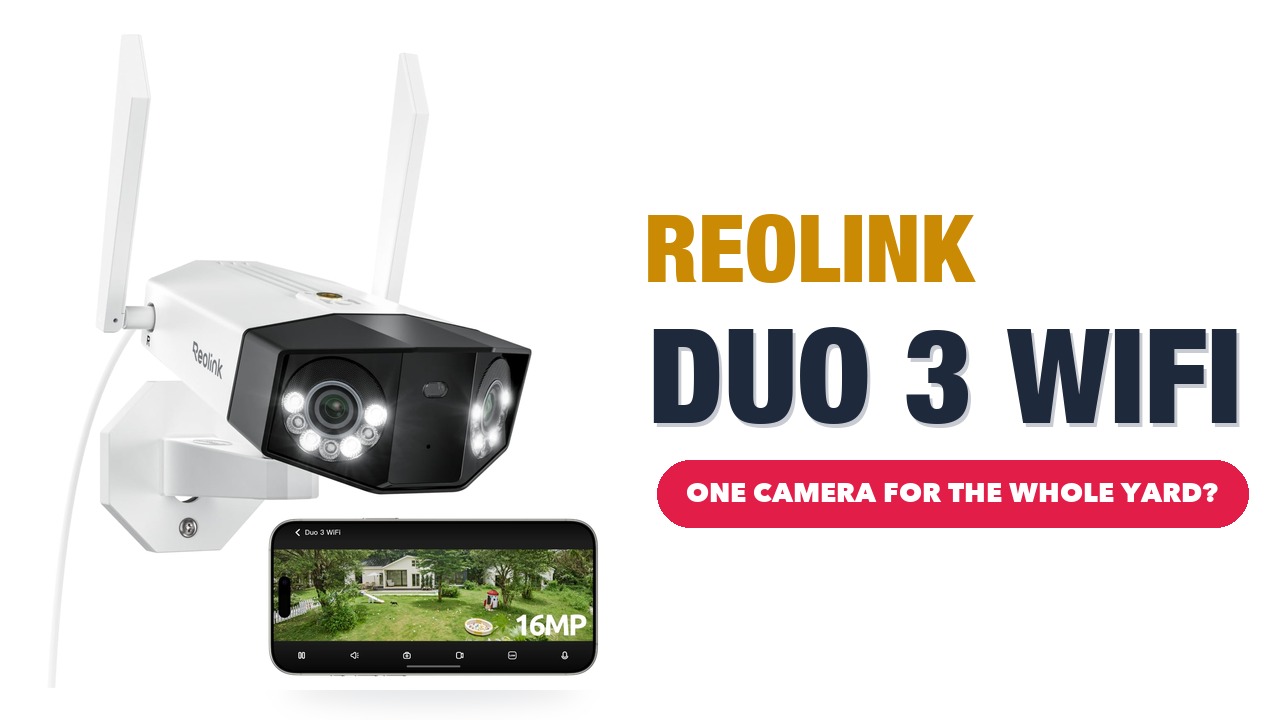
A plug-in outdoor camera whose two 4K sensors are stitched into one 16MP, 180° view: what Motion Track, colour night vision and Wi-Fi 6 mean for your yard.
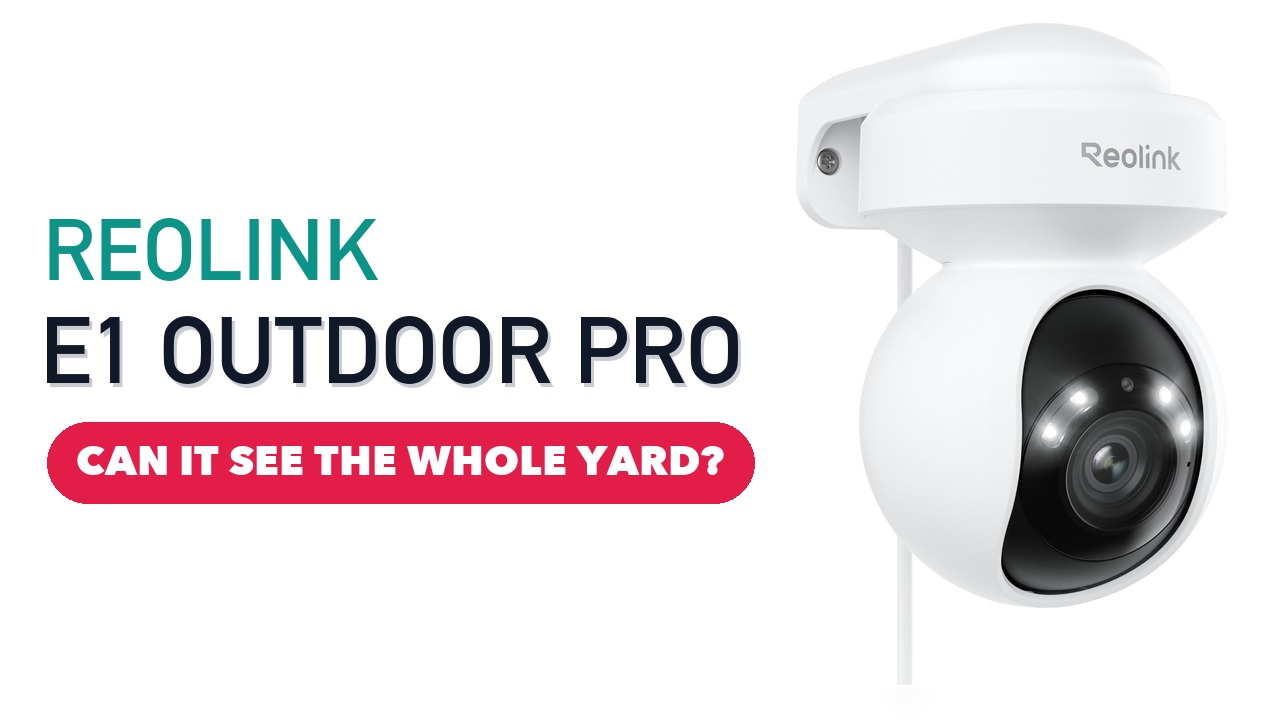
A 4K Wi-Fi security camera that pans 355°, tilts 50° and has 3x optical zoom: what auto-tracking, Wi-Fi 6 and its night modes mean for your setup.
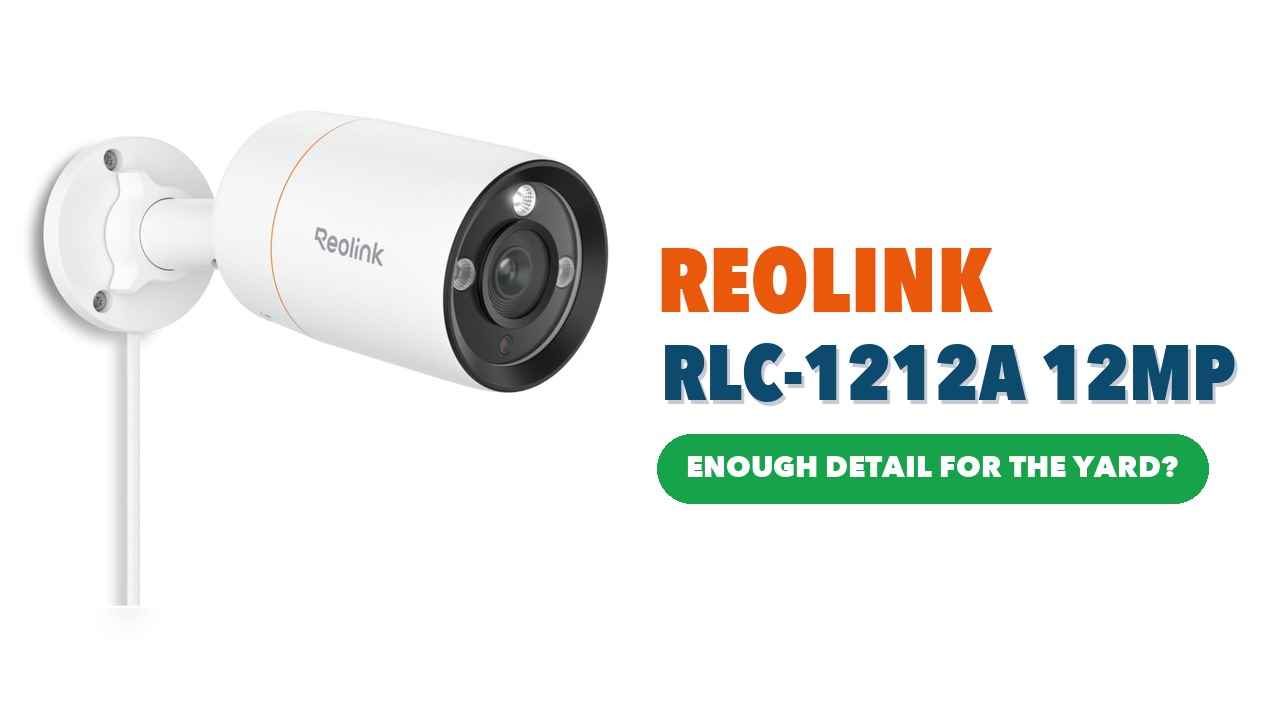
A 12MP outdoor bullet camera powered over Ethernet, with a 700-lumen spotlight for colour night vision. What PoE, 12MP and its recording options mean.
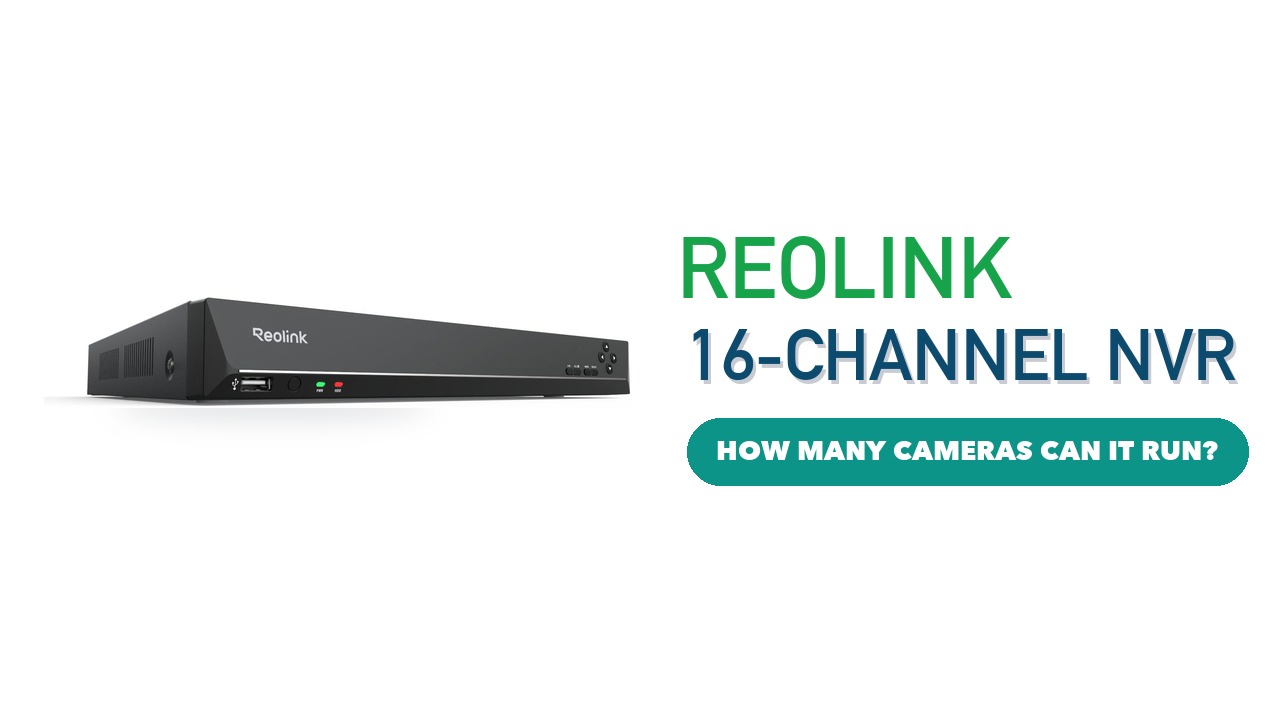
A 16-channel PoE recorder for Reolink cameras: one cable per camera, 24/7 recording, two drive bays of up to 8TB each and smart alerts, explained.
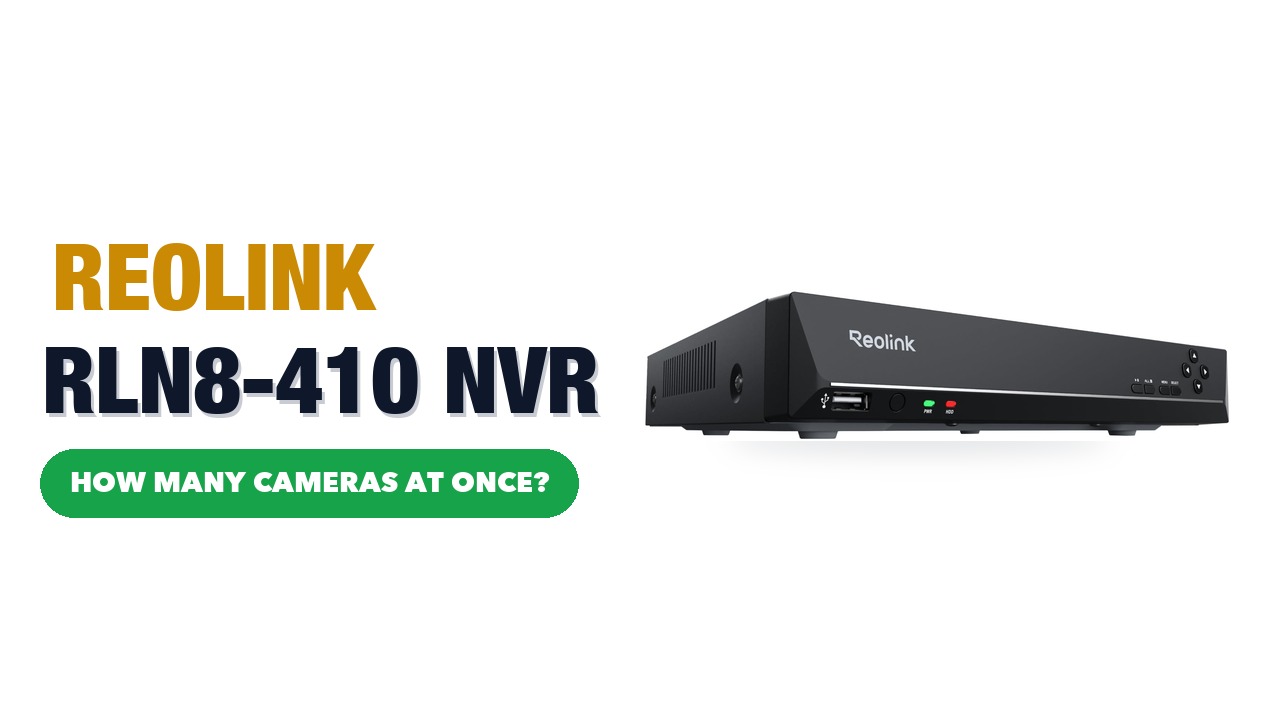
What the Reolink RLN8-410 does: an 8-channel PoE recorder for Reolink cameras, with 24/7 recording, up to two 8TB drives and smart alerts.
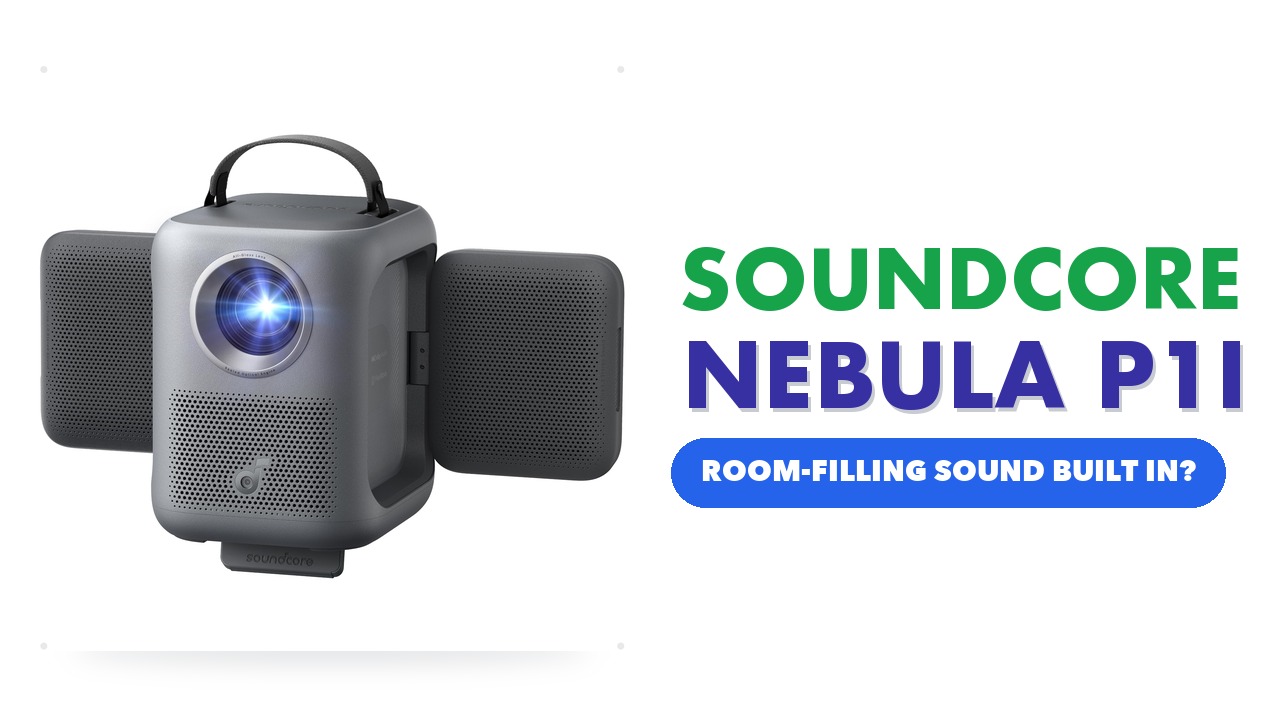
A 1080p Google TV projector with two 10W Dolby Audio speakers that rotate to aim the sound: what 380 ANSI lumens and its automatic setup mean for movie nights.

A coin-sized AI voice recorder with 64 GB of storage, transcription in 150+ languages and app summaries. What its features and privacy settings mean.