Smartwatches and fitness trackers: sensors, accuracy and battery life
What heart-rate, SpO2 and GPS sensors can and can't measure, how accurate wrist readings are, and how battery life and phone compatibility should shape your choice.
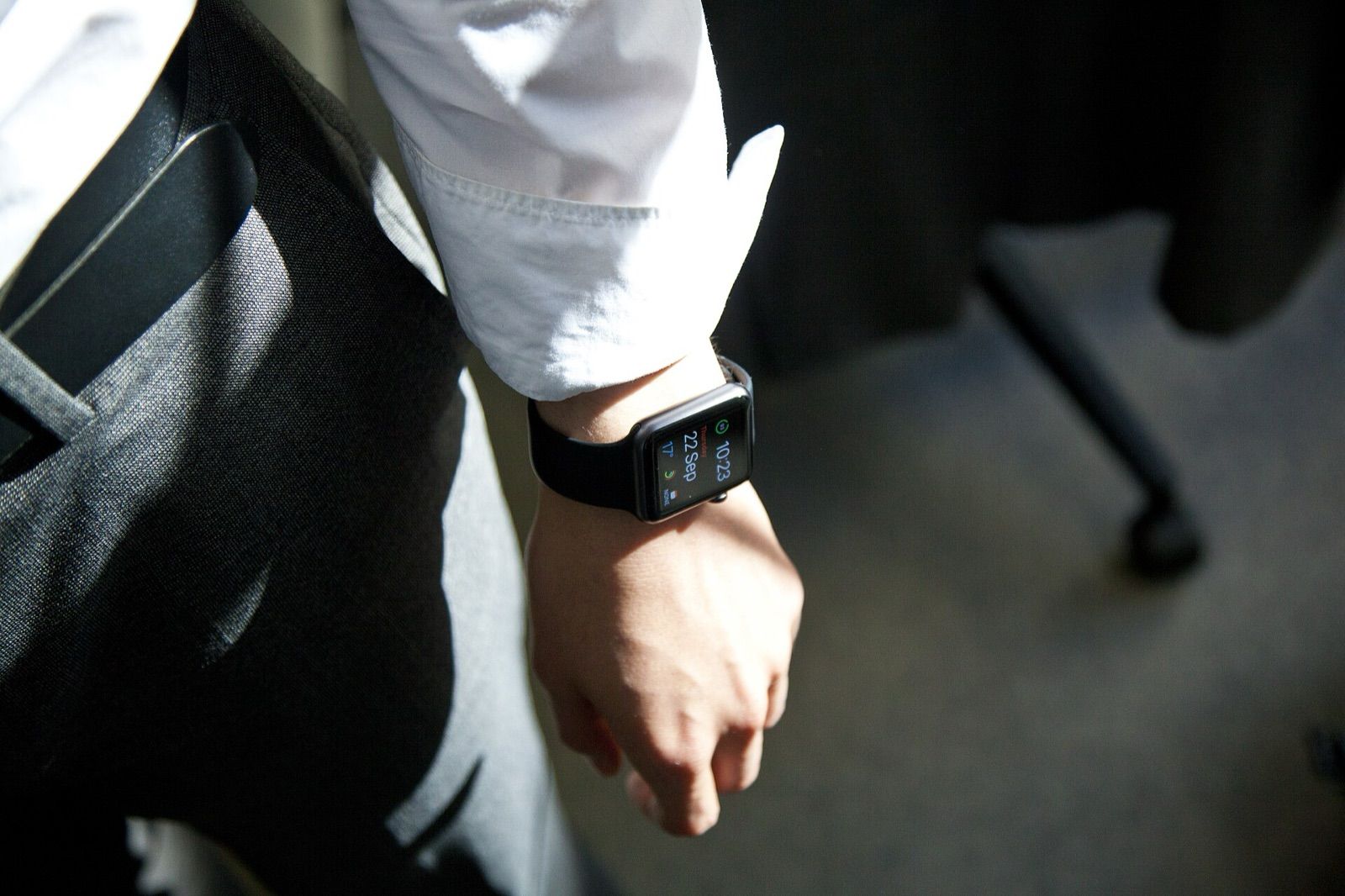
Wearables promise to measure almost everything: steps, heart rate, blood oxygen, sleep stages, stress, calories and your route on a run. Some of those numbers are reliable, some are rough estimates, and a few are best treated as trends rather than facts. Before choosing between a full smartwatch and a slim fitness band, it helps to know what the sensors actually do, where their accuracy runs out, and how battery life and phone compatibility will affect daily use.
Smartwatch, sports watch or fitness band?
| Type | Strengths | Trade-offs |
|---|---|---|
| Smartwatch | Apps, notifications with replies, payments, music, often mobile data options | Battery typically one to a few days; larger and pricier |
| Sports or outdoor watch | Strong GPS, long battery life, detailed training data, physical buttons | Fewer apps; can be bulky |
| Fitness band or tracker | Light, discreet, battery often a week or two | Small screen, fewer features, often relies on phone GPS |
| Smart ring | Unobtrusive, good for sleep and resting heart rate | No screen, limited workout tracking; sizing matters |
Decide first whether you want a small computer on your wrist or a health and activity recorder. That choice drives everything else.
Optical heart rate: good at rest, weaker in some workouts
Most wearables measure heart rate with photoplethysmography (PPG): LEDs, usually green, shine into the skin, and a sensor detects small changes in reflected light as blood pulses through vessels.
Wrist PPG is generally good for resting heart rate and steady exercise such as walking, easy running or cycling. It is less reliable when:
- Heart rate changes quickly, as in interval training.
- The wrist flexes or grips, as in weightlifting, rowing or racquet sports.
- The fit is loose, or the watch slides around.
- Skin is cold or blood flow to the hands is reduced.
- Tattoos sit under the sensor, since some inks block the light.
For serious training, a chest strap, which measures the heart's electrical signal, is typically more accurate. Many watches can pair with one over Bluetooth or ANT+.
Heart rate variability (HRV), often used for stress and recovery scores, is usually measured at rest or during sleep, and is most useful as a long-term trend.
SpO2, ECG and other health features
- Blood oxygen (SpO2) uses red and infrared light. Wrist readings are sensitive to movement, fit and circulation, and results vary more than a fingertip pulse oximeter. Most wearables present them as wellness information, not medical measurements.
- ECG on some watches records a single-lead electrocardiogram using electrodes you touch with a finger. In some countries certain ECG and irregular-rhythm features have regulatory clearance, but availability depends on the model and the region.
- Skin temperature sensors track changes from your baseline, typically overnight, rather than giving a body temperature reading.
- Sleep tracking estimates light, deep and REM sleep from movement and heart rate. Total sleep time and consistency are fairly useful; stage breakdowns are rough estimates.
- Calories burned are estimates from heart rate, movement and your profile, and can be well off in either direction.
A wearable is not a diagnostic device. If readings worry you, or you feel unwell, speak to a healthcare professional rather than relying on the watch.
GPS: built-in, connected and dual-frequency
For runners, walkers and cyclists, location tracking matters.
- Built-in GPS records routes without a phone. Most watches also use other satellite systems such as GLONASS, Galileo and BeiDou.
- Connected GPS borrows your phone's location, so you must carry the phone.
- Dual-frequency (multi-band) GNSS receives two signal bands from satellites, which typically improves accuracy among tall buildings, in forests and in steep valleys.
GPS is one of the biggest battery drains. Watches quote hours of GPS recording separately from everyday battery life, so check that figure against your longest activities.
A barometric altimeter improves elevation and floors-climbed data, and a compass helps with navigation.
Battery life: what the numbers mean
Battery claims assume particular settings, and your results depend on how you use the device.
- Full smartwatches with bright colour screens commonly last one to three days; low-power modes extend this.
- Sports and outdoor watches often last one to several weeks in watch mode, with some using solar charging to extend it.
- Fitness bands often last one to two weeks.
What shortens battery life: an always-on display, frequent GPS use, continuous SpO2 measurement, mobile data, music streaming and high screen brightness. If you want sleep tracking, remember the device has to be charged at some other time of day.
Phone compatibility and ecosystems
This is easy to overlook and hard to fix later.
- Some smartwatches work only with the same maker's phones, or lose features with other phones. Check compatibility with your phone's operating system before buying.
- Many fitness bands and sports watches work with both major phone platforms through their own app.
- Data export varies. If you use a training or health app, check that the wearable syncs with it.
- Subscriptions unlock advanced insights or coaching on some platforms; check what's included without one.
- Mobile data (LTE) versions need a compatible carrier and usually an extra monthly plan.
Water resistance and fit
- 5 ATM (often shown as 50 m) generally means suitable for swimming in a pool or the sea, but not diving or high-speed water sports.
- 10 ATM or more gives more margin for water sports.
- IP68 is a dust and water rating, but on its own doesn't mean a device is designed for swimming. Check the maker's guidance on water activities.
For accurate sensor readings, wear the device snugly, about a finger's width above the wrist bone, and tighten it slightly during workouts.
Other practical points
- Screen size and readability outdoors; physical buttons are easier with gloves or wet hands.
- Contactless payments on some models, depending on your bank.
- Software updates: how long the maker supports the device.
- Strap comfort for all-day and overnight wear, and whether standard-width straps fit.
On multi-day hikes and trips, a small power bank keeps a watch and phone going; our guide to power banks explains capacity and output.
The short version
- Choose a smartwatch for apps and notifications, a sports watch for GPS and battery life, or a fitness band for light, simple tracking.
- Wrist heart rate is good at rest and during steady exercise; use a chest strap for intervals and weights.
- Treat SpO2, sleep stages and calories as trends and estimates, not medical readings.
- Look for built-in GPS, ideally dual-frequency, if you record routes.
- Check battery life with your settings, phone compatibility, and a water rating of 5 ATM or more for swimming.
Bloiq is reader-supported. Some links may earn us a commission; it never affects what we write. How we make money.
Cover photo: Tyler Hendy tylerhendy, CC0, via Wikimedia Commons
.jpg)