VR and mixed-reality headsets: standalone vs PC, displays, tracking, fit
How standalone, PC and console VR headsets differ, what resolution, lenses, refresh rate and tracking mean, and how to judge comfort, space and mixed reality.
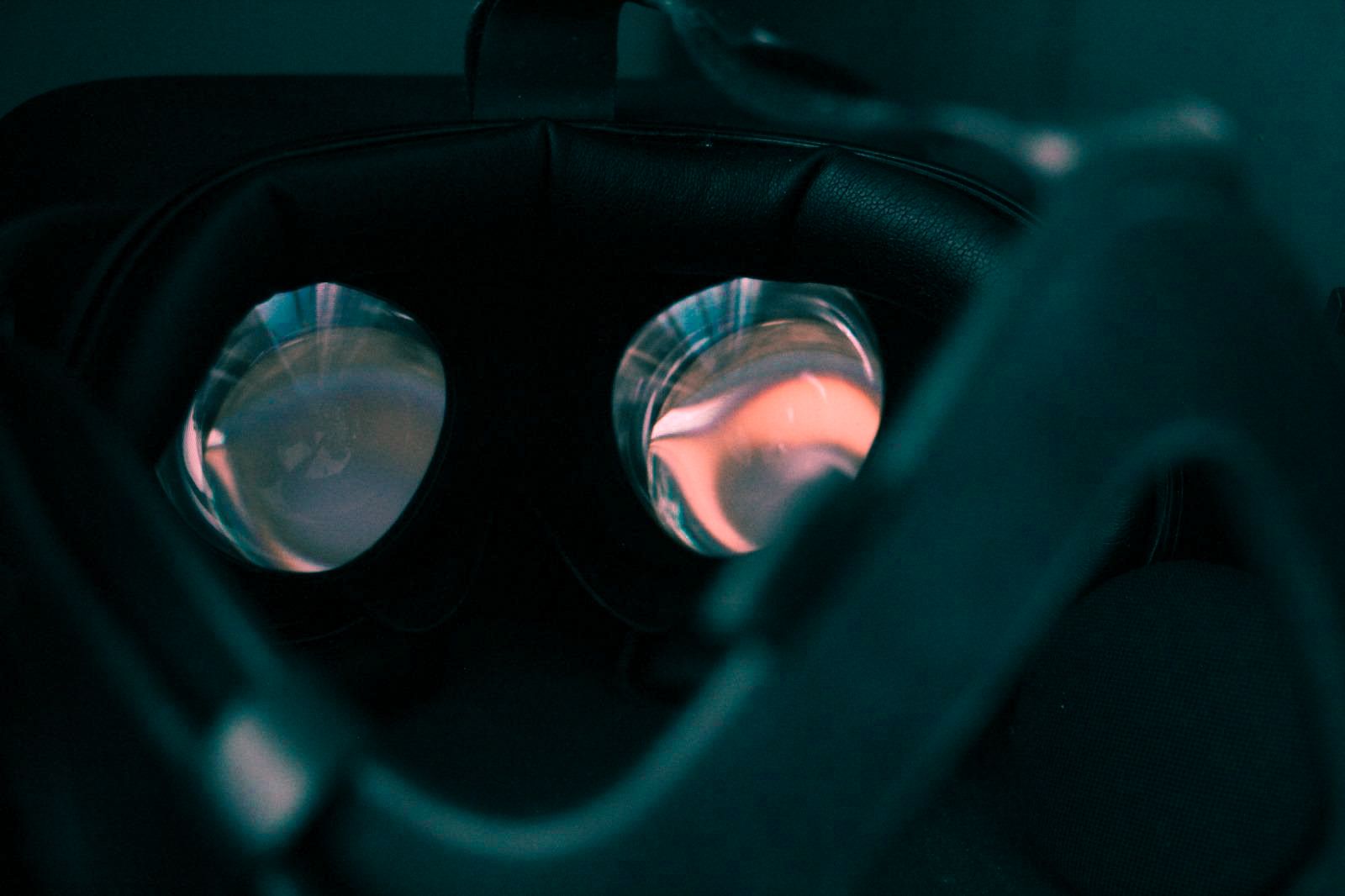
A good headset can put you inside a game, a workout or a cinema-sized screen, but a poor match for your setup or your head ends up in a drawer. Headsets range from self-contained devices with a phone-style chip to high-end displays driven by a powerful PC, and many can show your real room around virtual objects. This guide explains how the types differ, what the display and tracking specifications mean, and why comfort matters as much as resolution.
Standalone, PC or console: how the headset gets its graphics
The biggest decision is where the computing happens.
| Type | How it works | Strengths | Limitations |
|---|---|---|---|
| Standalone | Processor, battery and storage inside the headset | No cables or PC needed; easy to set up and take anywhere | Mobile-chip graphics; battery life of a few hours |
| PC VR | A gaming PC renders the image and sends it to the headset by cable or Wi-Fi | Most detailed graphics; large libraries of PC games and simulators | Needs a capable graphics card; more setup |
| Console | Connects to a games console by cable | Simple for console owners; curated games | Tied to one console's library |
| Premium mixed reality | Standalone with very sharp displays, strong passthrough and eye and hand tracking | Excellent for screens, media and productivity | Heavy, costly, smaller games library |
Many standalone headsets can also connect to a PC, by USB-C cable or by streaming over Wi-Fi, which gives you both worlds. If you go that route, a modern router in the same room and a PC connected to it by Ethernet make a big difference; our guide to Wi-Fi 6, 6E and 7 routers explains the bands.
For PC VR, check the headset maker's minimum and recommended specifications, especially the graphics card. Sharper headsets need far more graphics power to run at full resolution and frame rate.
Resolution, sharpness and display types
Headset resolution is quoted per eye, for example around 2,000 × 2,000 pixels. On its own that figure doesn't tell you how sharp the image looks, because the pixels are spread across a wide field of view.
- Pixels per degree (PPD) is the more useful measure. Mainstream headsets sit roughly in the 20s, premium ones in the 30s or higher. Normal vision resolves around 60, which is why text in VR still looks softer than on a monitor.
- LCD panels are bright and sharp but show greyer blacks, which matters in dark scenes.
- OLED and micro-OLED panels give deep blacks and strong contrast. Micro-OLED packs very high resolution into small panels and is common on premium headsets.
- Refresh rate: 72 Hz is a common minimum, 90 Hz is comfortable for most people, and 120 Hz is smoother still. Higher rates reduce flicker and help with motion comfort, but they need more processing power.
- Field of view: most headsets show roughly 90–110° horizontally, less than human vision, so you see the scene through something like a pair of goggles.
Lenses and the sweet spot
The lenses matter as much as the panels.
- Fresnel lenses are light and inexpensive to make but have a smaller sharp area (the "sweet spot") and can show glare or streaks of light around bright objects on dark backgrounds.
- Pancake lenses fold the light path, which makes the headset slimmer and lighter at the front and keeps the image sharp further towards the edges. They need brighter displays to compensate for light lost in the lenses.
IPD (interpupillary distance), the distance between the centres of your pupils, needs to match the lens spacing. Look for continuous (stepless) adjustment, or at least several steps, and check that the headset's range covers your IPD. Most adults fall between about 54 and 74 mm. An optician can measure it, or you can do it with a ruler and a mirror.
Tracking: inside-out, base stations, hands and eyes
Modern headsets track six degrees of freedom (6DoF): you can turn your head and also lean, crouch and walk. Older and simpler viewers track only rotation (3DoF), which is fine for video but not for most games.
- Inside-out tracking uses cameras on the headset to map the room and follow the controllers. It needs no external equipment and works almost anywhere with reasonable light. Controllers can lose tracking briefly when held close to the face or behind your back.
- Outside-in (base station) tracking uses small units mounted in the corners of the room. It's very precise and handles fast or awkward movements well, so it's popular for competitive games, simulators and full-body tracking, but it takes more setup.
- Hand tracking lets you use your bare hands for menus, media and some games. Controllers remain more precise and give you buttons and vibration.
- Eye tracking allows foveated rendering, where only the part of the image you're looking at is rendered in full detail, saving processing power. It also enables more natural avatars and gaze-based menus.
Mixed reality and passthrough
Mixed reality means seeing your real surroundings with virtual objects placed in them. Headsets do this with passthrough: cameras film the room and show it on the displays.
- Colour passthrough in good resolution makes it practical to see your drink, keyboard or the dog. Black-and-white or grainy passthrough is only good enough for setting up a play area.
- Depth sensors help virtual objects sit convincingly on tables and walls and hide behind real furniture.
- Popular uses include virtual monitors around a real desk, fitness apps that keep you aware of the room, and games that turn your living room into the level.
Passthrough is still softer than real life, and quality falls in dim light.
Comfort, fit and glasses
You'll notice comfort within minutes. Most headsets weigh somewhere around 500–650 g, and how that weight is spread matters more than the number.
- Head straps: basic soft straps are light but let the weight hang on your face. Rigid or halo-style straps, or straps with a rear battery acting as a counterweight, are often much more comfortable for long sessions.
- Facial interface: look for wipeable or removable covers, especially if the headset will be shared.
- Glasses: check the space inside for your frames. Glasses spacers help, and many headsets accept magnetic prescription lens inserts made to your prescription.
- Heat: headsets warm up during workouts and long sessions; good ventilation and a fan in the facial interface or room help.
- Audio: most use small open-ear speakers in the strap. Check for a headphone jack or Bluetooth if you want to keep the sound to yourself.
Space, health and privacy
- Play space: room-scale games are most comfortable with about 2 m × 2 m of clear floor; seated and standing modes need much less. Every headset lets you draw a boundary, but move furniture, ceiling lights and pets out of reach first.
- Motion sickness: smooth artificial movement makes some people queasy. Teleport movement, a fan blowing on you and short, gradual sessions help. Stop as soon as you feel unwell.
- Age guidance: makers set minimum ages, typically somewhere from 10 to 13 depending on the headset, often with parent-managed accounts for younger users. Check the current guidance before buying for a child.
- Breaks and warnings: follow the maker's health and safety notes, including those about photosensitive epilepsy.
- Sunlight: never leave the lenses facing direct sunlight, even briefly; they can focus it onto the displays and burn them.
- Accounts and data: headsets usually need an account, and their cameras and sensors map your room and can track your hands and eyes. Read the privacy settings.
Software, storage and support
The headset you choose decides which store and games you can use. Standalone headsets have their own app stores; PC VR adds large PC libraries through platforms such as SteamVR, and the OpenXR standard helps apps run across headsets. Check that the specific games or apps you want are available.
Storage on standalone headsets usually can't be expanded, so pick enough for the games you plan to install. And be wary of old or discontinued models: some platforms have lost software support, which can leave a headset without updates or apps.
The short version
- Choose standalone for simplicity, PC VR for maximum detail and simulators, and a console headset only if you own that console.
- Judge sharpness by pixels per degree, display type and lenses, not just resolution per eye.
- Prefer pancake lenses and an IPD range that covers your eyes.
- Aim for 90 Hz or higher if motion comfort is a concern.
- Inside-out tracking suits most people; base stations suit competitive and simulator users.
- Check comfort: strap options, glasses fit and weight distribution.
- Make sure you have the space, the games you want and enough storage, and check age guidance for younger players.
Bloiq is reader-supported. Some links may earn us a commission; it never affects what we write. How we make money.
Cover photo: FloppaIngénieur, CC BY 4.0, via Wikimedia Commons