Noise-cancelling headphones: how ANC works and what to look for
How active noise cancellation works, what it can and cannot block, and how transparency modes, Bluetooth codecs, comfort and battery life compare.
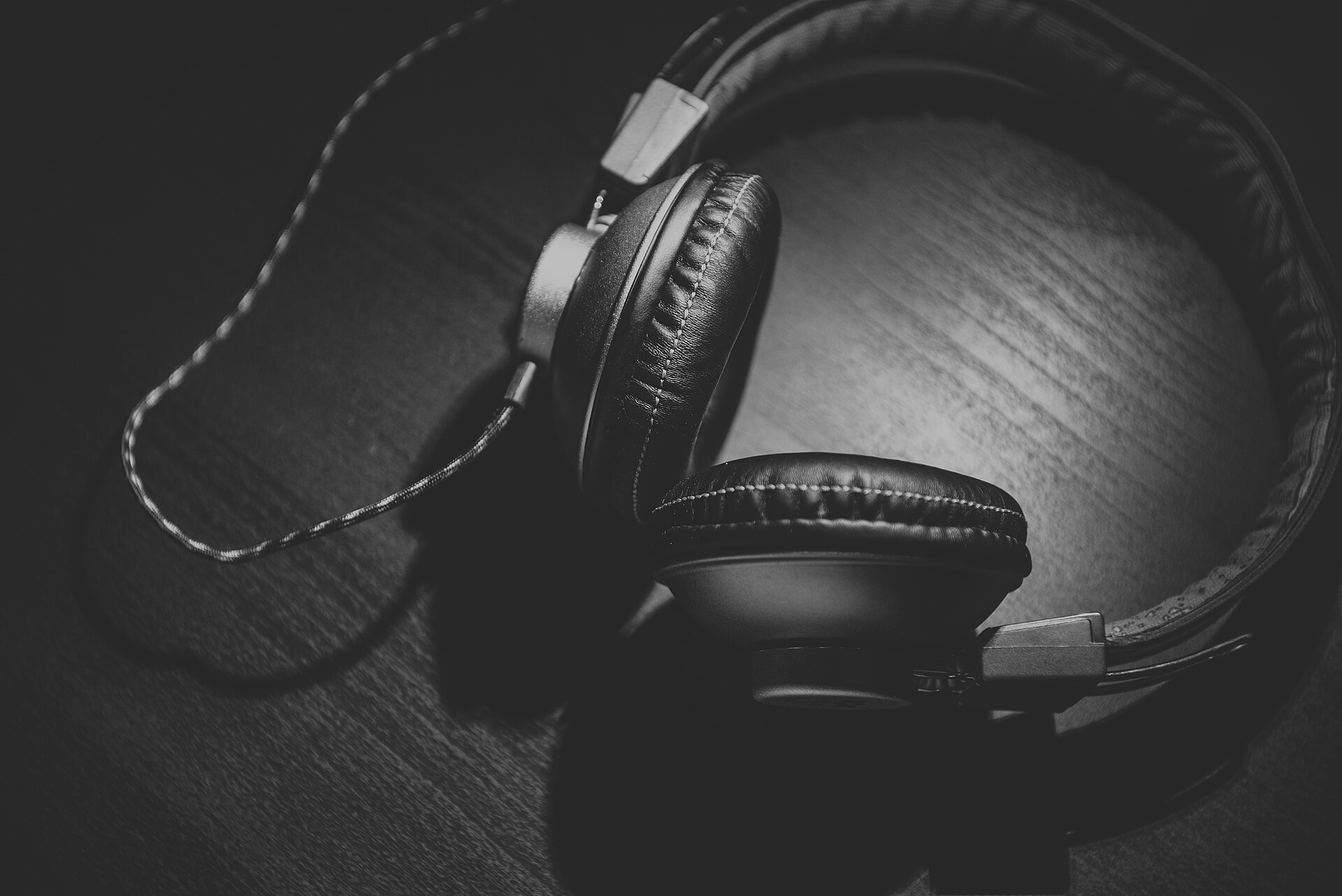
Noise-cancelling headphones can turn a loud flight, train or open-plan office into something close to quiet, and they let you listen at lower volume. But "noise cancelling" covers a wide range of performance, and the features around it, such as transparency modes, codecs and multipoint, vary just as much. This guide explains how active noise cancellation works, what it can realistically block, and what else decides whether a pair suits you.
Passive isolation and active cancellation
Headphones reduce outside noise in two ways that work together.
- Passive isolation is the physical seal of the ear cushions around your ears. It is best at blocking higher-pitched sounds, such as voices, clatter and keyboard noise.
- Active noise cancellation (ANC) uses microphones to pick up outside sound and electronics to create a matching sound wave in opposite phase. When the two meet at your ear, they largely cancel out. ANC is most effective against low, steady sounds: aircraft and train engines, road rumble, air conditioning and fans.
That is why ANC headphones can almost erase the drone of a plane yet still let a nearby conversation through, only quieter. Sudden, irregular noises, such as a door slamming or a baby crying, are the hardest for any system to cancel.
Feedforward, feedback and hybrid ANC
- Feedforward ANC uses microphones on the outside of the earcups to hear noise before it reaches you.
- Feedback ANC uses microphones inside the earcups, close to your ear, to measure what is left and correct it.
- Hybrid ANC combines both and generally gives the widest and most consistent cancellation. Most well-regarded models use a hybrid design with several microphones per side.
Many headphones now offer adaptive ANC, which adjusts the strength of cancellation to your surroundings or to how the headphones sit on your head. Glasses, hair and a poor fit break the seal and reduce both passive and active performance.
Two side effects are worth knowing. Some people feel a slight pressure sensation with strong ANC, similar to being on a plane; many models let you lower the strength. And external microphones can pick up wind noise, so look for a wind-reduction setting if you walk or cycle outdoors.
Transparency and ambient modes
A transparency or ambient mode does the opposite of ANC: the microphones pass outside sound through to your ears, so you can hear announcements, traffic or a colleague without taking the headphones off.
- Good transparency sounds natural rather than tinny or hissy.
- Some modes let you adjust the level or focus on voices.
- Adaptive transparency can reduce sudden loud sounds while keeping the rest audible.
- Conversation detection features pause music and switch to transparency when you start speaking.
Use transparency, or take the headphones off, when you need to be aware of traffic.
Bluetooth codecs, in plain terms
A codec is the method used to compress audio for Bluetooth. Both the headphones and the source device must support a codec for it to be used, and the phone usually chooses.
| Codec | Where it's used | Notes |
|---|---|---|
| SBC | Every Bluetooth audio device | The baseline; quality depends on the implementation |
| AAC | iPhones, iPads, Macs and many Android phones | The main codec for Apple devices |
| aptX family | Many Android phones and some laptops | aptX Adaptive adjusts bit rate to the connection |
| LDAC | Many Android phones | Higher bit rates, but the highest setting needs a strong connection |
| LC3 | Newer devices supporting Bluetooth LE Audio | Efficient; support is still growing |
In practice, the headphones' tuning, fit and noise cancellation affect what you hear far more than the codec. Codecs matter most if you use an Android phone and care about high-resolution streaming. Apple devices use AAC, so aptX and LDAC support brings no benefit to iPhone users. Bluetooth audio is generally lossy; if lossless listening matters, check whether the headphones accept a wired or USB-C audio connection.
Comfort: the feature you notice most
You may wear noise-cancelling headphones for hours, so comfort is as important as sound.
- Weight. Most over-ear models weigh roughly 250–350 g. Lighter is easier on the head for long flights.
- Clamping force. A firm grip seals better but can cause pressure, especially for glasses wearers.
- Earcup size and depth. Your ears should fit inside without touching the driver cover.
- Cushion material. Protein leather seals well but can get warm; fabric is cooler but seals less tightly.
- Replaceable ear pads. Pads wear out after a few years; replaceable ones extend the headphones' life.
- Folding and case. Useful for travel.
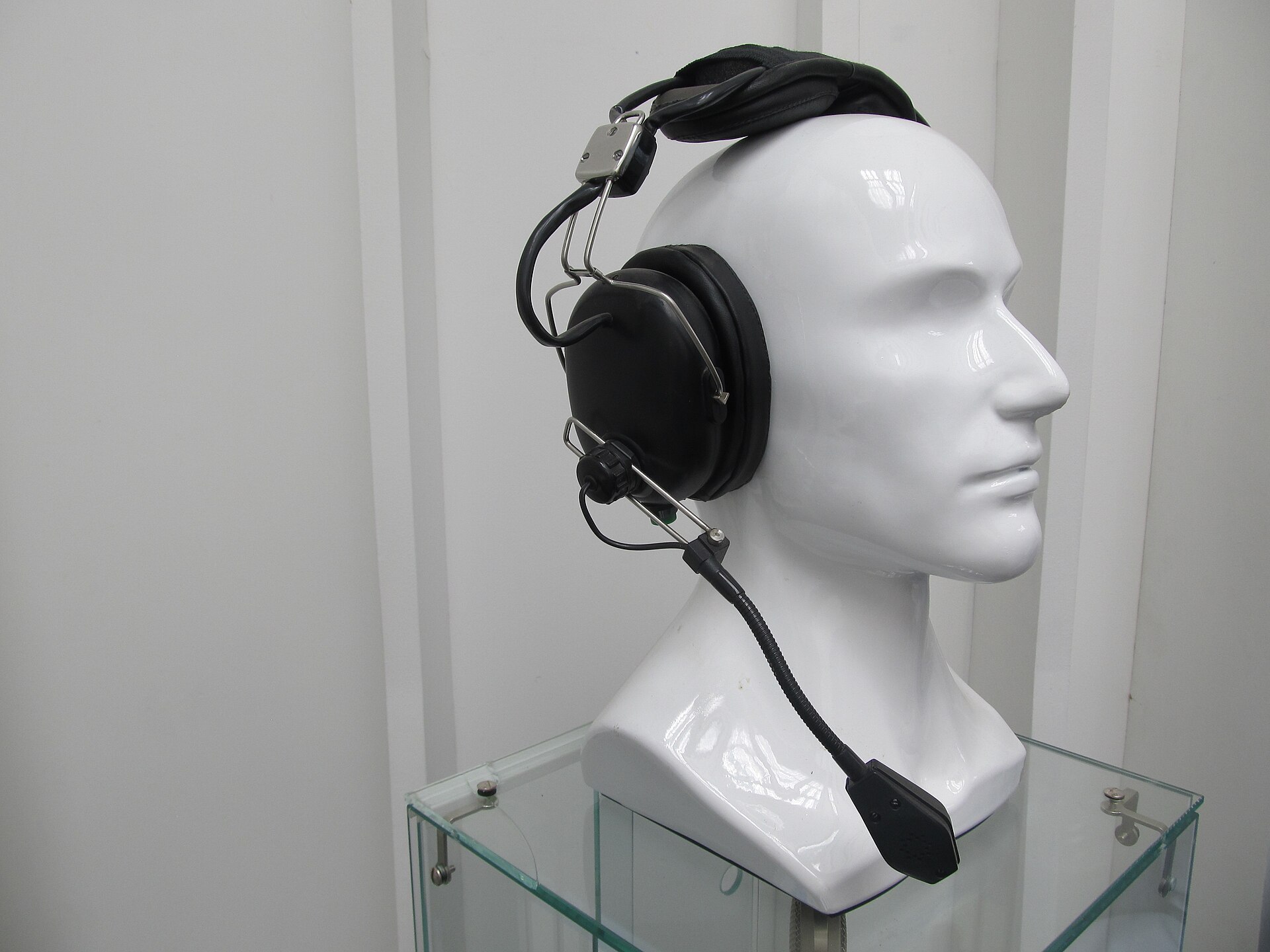
Over-ear headphones surround the ear and usually cancel noise best. On-ear models are smaller but press on the ear and seal less well. If you prefer something pocketable, our guide to true wireless earbuds covers the options.
Battery life and charging
With ANC switched on, most wireless over-ear headphones last somewhere between about 20 and 40 hours per charge, and some considerably longer. Turning ANC off usually extends it.
- Quick charging gives several hours of playback from a few minutes on the charger.
- USB-C charging means one cable for phone, laptop and headphones.
- Wired use when flat. Some models work passively over a cable when the battery is empty; others do not work at all without charge. Check if this matters for long trips.
- Battery ageing. Capacity falls over the years; the battery is rarely user-replaceable.
Other features worth checking
- Multipoint keeps the headphones connected to two devices at once, such as a phone and a laptop, and switches between them.
- Microphone quality for calls, especially in wind and noisy places.
- Wear detection pauses playback when you take the headphones off.
- Controls. Physical buttons are easier to use in cold weather or with gloves than touch panels.
- Companion app with an equaliser and firmware updates.
- Airline adapter and cable if you use seat-back entertainment systems.
Listening safely
Because ANC lowers background noise, you can hear detail at a lower volume, which is kinder to your hearing. Many phones can warn you about long exposure to loud audio; keeping the volume moderate and taking breaks is sensible advice for any headphones.
The short version
- ANC is best at low, steady noise; the seal handles voices and higher sounds.
- Look for hybrid ANC and a natural-sounding transparency mode.
- Comfort and fit matter more than most specifications.
- Codecs: iPhone users need AAC; Android users may benefit from aptX Adaptive or LDAC.
- Check battery life with ANC on, quick charging, and whether they work wired when flat.
- For small speakers to share music instead, see our Bluetooth speakers guide.
Bloiq is reader-supported. Some links may earn us a commission; it never affects what we write. How we make money.
Cover photo: Corey Blaz blazphoto, CC0, via Wikimedia Commons
.jpg)