Impact wrenches explained: torque figures, anvil sizes, cordless vs air
How impact wrenches work, what fastening and breakaway torque mean, which anvil size and retention to choose, and how cordless, corded and air models compare.
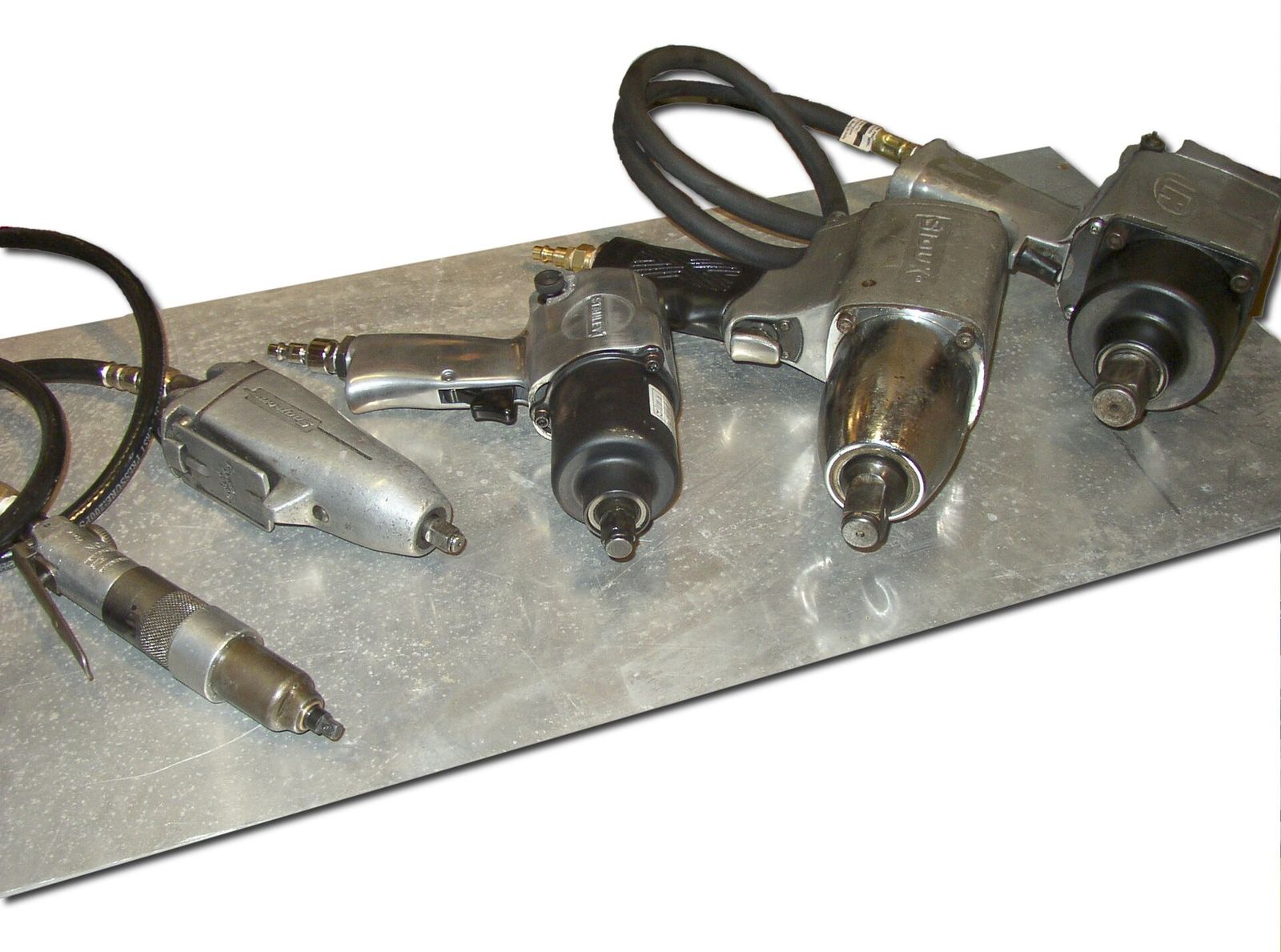
Seized wheel nuts, suspension bolts and rusty fasteners on trailers and machinery can defeat a breaker bar and a lot of effort. An impact wrench spins them off in seconds by hammering the socket round in rapid bursts. The spec sheets, though, are full of competing torque figures, anvil sizes and power sources. This guide explains what those numbers mean, which size suits which jobs, and how to use one without damaging wheels or bolts.
How an impact wrench works
Inside an impact wrench, a motor spins a heavy hammer. When the socket meets resistance, the hammer disengages, spins up again and strikes the anvil (the square drive the socket fits on), many times a second. Each blow delivers a sharp burst of rotational force, and because the force comes in short pulses, very little of it is passed back to your wrist.
It is the same principle as an impact driver, scaled up. An impact driver has a 1/4-inch hex chuck for screws and small bolts; an impact wrench has a square anvil for sockets and much more torque. If you're unsure which you need for general building work, start with our guide to drills and impact drivers.
Three speed figures appear on spec sheets:
- RPM: free speed with no load, which affects how quickly a loose nut spins off.
- IPM (impacts per minute) or BPM (blows per minute): how often the hammer strikes.
- Torque: the twisting force, covered next.
Torque figures: fastening vs breakaway
Torque is quoted in newton-metres (N·m) and foot-pounds (ft-lb); 1 ft-lb is about 1.36 N·m. Manufacturers often publish two figures:
- Fastening (or working) torque: how tight the tool can drive a fastener.
- Breakaway (or nut-busting) torque: how much it can apply to loosen a stuck fastener. This is usually the larger, headline number.
Neither figure is measured in a single agreed way across brands, and battery charge, socket length, extensions and adapters all reduce what reaches the bolt. Treat claims as a guide to the tool's class rather than an exact promise.
Rough classes, by typical use:
| Class | Typical anvil | Typical jobs |
|---|---|---|
| Compact / low torque | 3/8 inch | Engine bay, interior trim, bodywork, tight spaces |
| Mid-torque | 1/2 inch | Wheel nuts on cars and light trucks, most DIY automotive work |
| High-torque | 1/2 inch or 3/4 inch | Seized suspension bolts, farm and plant equipment, large trucks |
| Heavy duty | 3/4 inch or 1 inch | Commercial truck wheels, heavy machinery, construction |
For most home mechanics, a mid-torque 1/2-inch wrench covers wheel nuts and most bolts. High-torque models are bigger and heavier; they're worth it only if you regularly fight rusted or very large fasteners.
Anvil sizes and retention
The anvil size decides which sockets fit: 1/4, 3/8, 1/2, 3/4 or 1 inch square drive. Smaller drives give a more compact tool; larger drives handle bigger sockets and higher torque.
How the socket is held on matters too:
- Friction ring (hog ring): a spring ring around the anvil grips the socket. Sockets change quickly by hand, which suits frequent swapping.
- Detent pin: a spring-loaded pin clicks into a hole in the socket. It holds more securely, but you press the pin to release the socket, which is slower.
Some anvils are extended for reaching recessed nuts. Adapters between drive sizes work, but each joint absorbs some of the impact energy.
Use impact-rated sockets
Always use impact sockets (usually black, made of tougher steel with thicker walls) on an impact wrench. Ordinary chrome hand-tool sockets are harder and more brittle and can crack or shatter under repeated blows. The same applies to extensions, universal joints and adapters: use impact-rated versions. Six-point sockets grip worn nuts better than twelve-point ones.
Cordless, corded and air
| Cordless | Corded electric | Air (pneumatic) | |
|---|---|---|---|
| Power source | Battery pack | Mains socket | Compressor and hose |
| Portability | Excellent, use anywhere | Limited by cable | Limited by hose and compressor |
| Power | Mid to very high in current models | Moderate to high | High for the tool's size and weight |
| Weight in hand | Heavier with a large battery | Moderate | Usually lightest for the power |
| Running costs and upkeep | Batteries age over the years | Low | Oiling, draining the tank, fittings |
| Noise | Loud when hammering | Loud | Loudest, plus the compressor |
Cordless wrenches have become the default for home and mobile use. Brushless motors and larger batteries give the bigger models power that once needed air. If you already own tools on one battery platform, staying with it saves money and clutter; see cordless tool battery platforms. Higher-capacity packs help with high-torque work but add weight.
Air impact wrenches are compact, durable and common in garages that already have a compressor. The catch is air supply: a 1/2-inch air wrench needs a compressor that can deliver its rated air consumption (in CFM at 90 PSI) without running out. Small compressors may manage short bursts for wheel changes but struggle with continuous work. Our guide to air compressors, CFM and tank size explains how to match them.
Corded electric wrenches are less common now but are simple, need no batteries and suit occasional workshop use near a socket.
Wheel nuts: loosen with impact, tighten by hand
An impact wrench is excellent for removing wheel nuts, but it is not a precise tightening tool. Overtightening can stretch studs, distort brake discs and make nuts very hard to remove at the roadside.
A safe routine:
- Raise the car on a jack and support it properly, following the vehicle handbook.
- Remove the nuts with the impact wrench, keeping them together for refitting.
- Refit the wheel and run the nuts down by hand or in the wrench's lowest setting, until just snug.
- Lower the car and tighten to the vehicle's specified torque in a star pattern using a torque wrench.
- Recheck after a short drive if the manufacturer recommends it.
Rule of thumb: use the impact wrench to take fasteners off and run them on; use a torque wrench for the final tightening.
Many cordless wrenches have multiple speed or torque modes, and some have an auto-stop mode that reduces power once a nut is loose or snug. These help prevent overtightening and spinning nuts off too fast, but they don't replace a torque wrench. Torque-limiting extensions (torque sticks) are another aid for air tools; they limit tightening but are not as accurate as a torque wrench.
For lifting the car itself, see our guide to car jacks and jack stands.
Safety basics
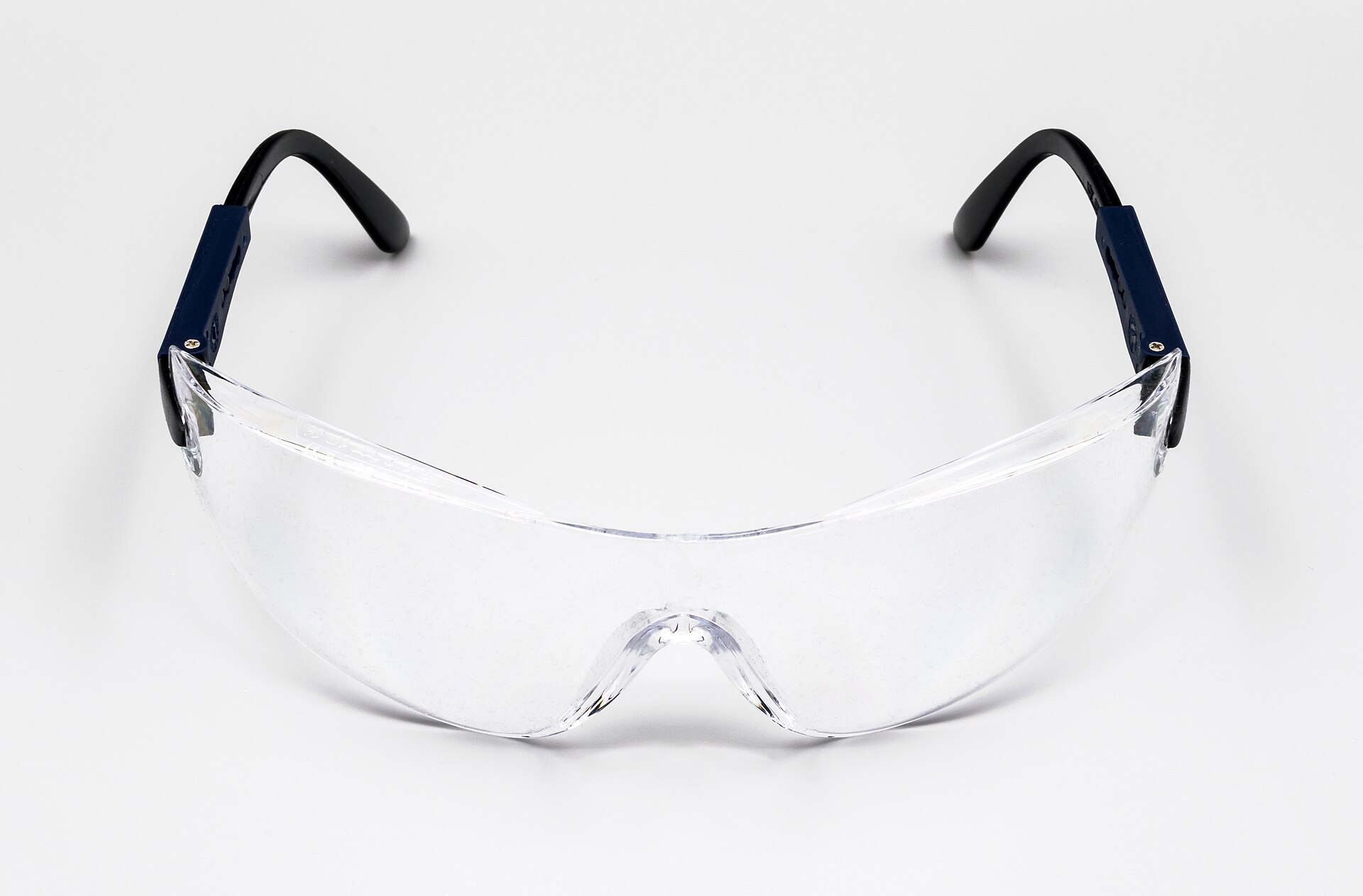
- Wear eye protection: rust, scale and broken fasteners can fly.
- Wear hearing protection: impact wrenches are loud, especially air models. Our workshop safety gear guide covers both.
- Hold the tool firmly with both hands on high-torque models, and keep fingers clear of the socket.
- Make sure the socket is fully seated and the right size; a loose fit rounds off nuts.
- Never work under a vehicle supported only by a jack.
The short version
- For car wheel nuts and general DIY, a mid-torque 1/2-inch cordless model is the usual choice; go high-torque or 3/4 inch only for seized or very large fasteners.
- Treat breakaway torque as a class indicator, not an exact figure.
- Choose a friction ring for quick socket changes or a detent pin for secure retention.
- Use impact-rated sockets and accessories only.
- Choose cordless for portability, air if you already have a compressor with enough CFM at 90 PSI.
- Always do the final tightening with a torque wrench.
Bloiq is reader-supported. Some links may earn us a commission; it never affects what we write. How we make money.
Cover photo: Bushytails, CC BY-SA 3.0, via Wikimedia Commons