Air compressors explained: CFM, PSI, tank size and duty cycle
How to read compressor specifications, why CFM at 90 PSI matters more than tank size or horsepower, and how to match a compressor to your nailers and air tools.
A small compressor will happily inflate tyres and fire a brad nailer all afternoon. Ask it to run a sander or a spray gun and it will run constantly, overheat and still leave the tool gasping. The difference comes down to a handful of specifications that are easy to misread. This guide explains what they mean and how to match a compressor to the tools you actually plan to use.
CFM: the number that matters most
CFM (cubic feet per minute) is the volume of air a compressor delivers. Air tools consume air continuously or in bursts, and if the compressor can't keep up, pressure drops and the tool loses power.
A CFM figure means little without a pressure attached, because a compressor delivers more air at low pressure than at high pressure. That's why good spec sheets list CFM at 90 PSI (the pressure most air tools are rated at) and often at 40 PSI as well. Always compare compressors, and tools, at 90 PSI.
Watch for two other points:
- SCFM is CFM corrected to standard conditions. It's the more comparable figure.
- Displacement versus delivery. Some listings, particularly in Europe, quote the theoretical intake or displacement of the pump in litres per minute. Actual free-air delivery is noticeably lower, often by a third or so. For reference, 1 CFM is about 28.3 L/min, and 90 PSI is about 6.2 bar.
PSI: pressure, and why maximum PSI isn't the whole story
PSI (pounds per square inch) is pressure. Most air tools need about 90 PSI at the tool; nailers often run anywhere from about 70 to 120 PSI depending on the nail and material.
A compressor's maximum pressure (commonly 125–175 PSI on home units) tells you how much air it can pack into the tank. A higher maximum means more usable air stored between motor cycles, but it doesn't increase CFM. You always use the regulator to set the output pressure to what the tool needs.
Tank size: storage, not power
Tank size (in gallons or litres) is how much compressed air is held in reserve. A bigger tank:
- lets you use a tool for longer before the motor restarts;
- smooths out pressure for short, heavy bursts;
- takes longer to fill and makes the unit heavier.
It does not let a compressor run a tool that needs more CFM than the pump produces. A large tank on a weak pump simply takes longer to run down and longer to recover.
Rough sizes and typical uses:
| Type | Typical tank | Suits |
|---|---|---|
| Portable "pancake", "hotdog" or twin-stack | 1–6 gal (4–23 L) | Nailers, staplers, inflating, blowing dust |
| Wheeled portable | 8–30 gal (30–115 L) | Nailers, impact wrenches, short bursts of other tools |
| Stationary vertical | 60–80 gal (225–300 L) | Sanders, grinders, spray painting, a busy workshop |
Larger stationary units often need a dedicated 240 V circuit; check the electrical requirements before buying.
Matching the compressor to your tools
Every air tool lists its air consumption. Figures vary by model and how hard you work the tool, but the pattern is consistent:
| Tool | Air demand |
|---|---|
| Tyre inflation, blow gun | Very low |
| Brad, pin and finish nailers, staplers | Low (a small amount per shot) |
| Framing and roofing nailers | Low to moderate, depending on firing speed |
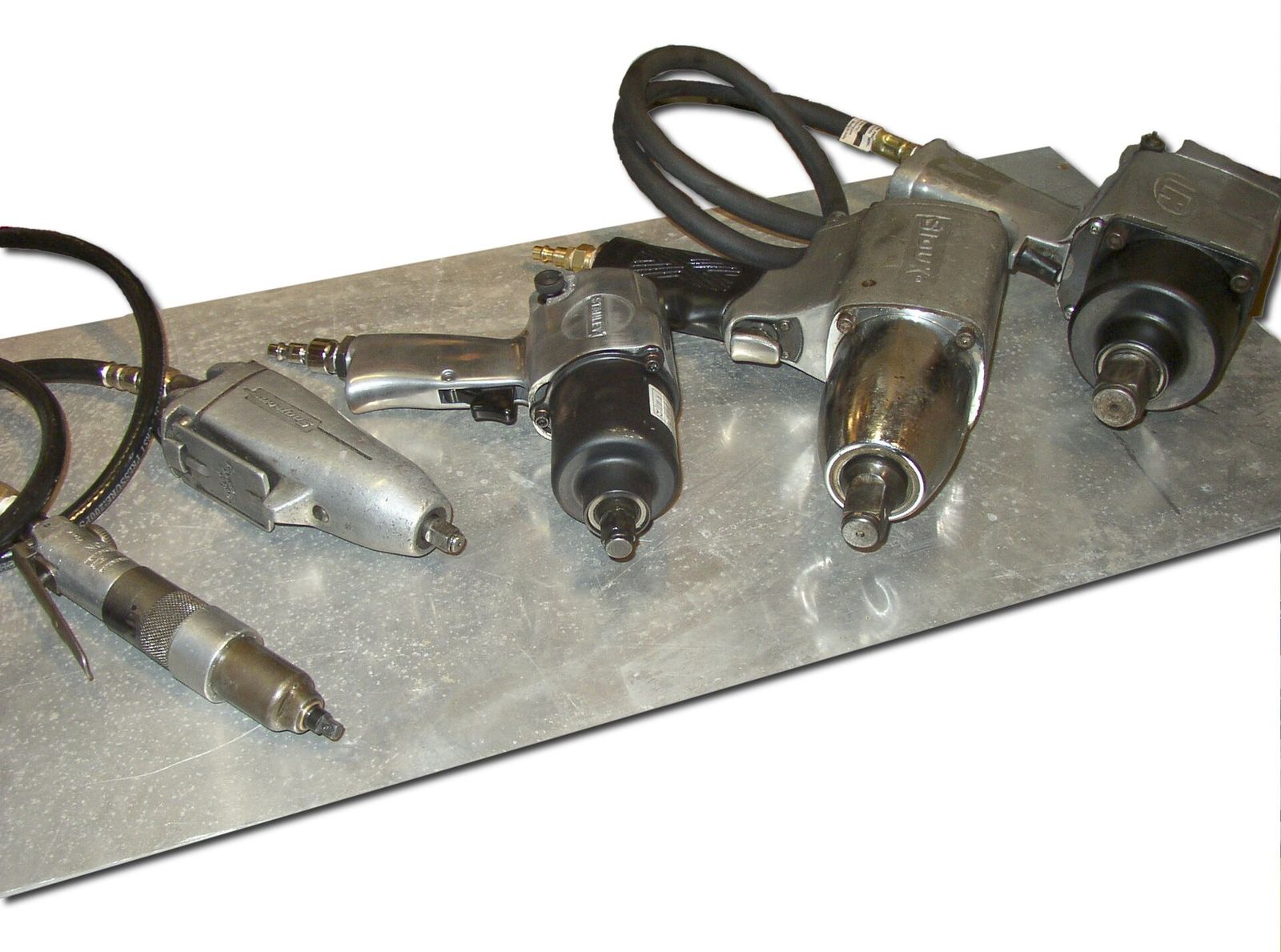
| Air ratchet, 1/2 in impact wrench | Moderate, in bursts |
| Die grinder, cut-off tool | High and continuous |
| Dual-action (DA) sander | Very high and continuous |
| Spray gun (HVLP) | High and continuous |
Rule of thumb: add up the CFM at 90 PSI of the tools you'll run at the same time, then choose a compressor that delivers at least 1.25–1.5 times that figure.
That margin covers hose losses, wear and the fact that continuous tools rarely match their brochure figure. Nailers are forgiving; small portable compressors run them easily, which is why they're so popular for trim and framing work (see our guide to nail gun types). Sanders and spray guns are the opposite: they need a large, powerful compressor or they will stall. If painting is your main goal, compare the options in our guide to paint sprayers first, and if you mostly need to top up car tyres, a portable tyre inflator may be all you need.
Duty cycle
Duty cycle is how much of the time a compressor pump can run without overheating, usually quoted as a percentage over a set period. A 50% duty cycle means, roughly, five minutes on and five off in each ten minutes. Some heavy-duty units are rated for continuous duty.
Continuous-use tools like sanders push the pump towards its limit. If a compressor's CFM is only just enough, it will run nearly all the time and may exceed its duty cycle, which shortens its life.
Oil-free or oil-lubricated?
Oil-free pumps use permanently lubricated or coated parts.
- Lighter, cheaper and maintenance-free.
- Often louder and more prone to wear under long, heavy use.
- The usual choice for portable nailer and inflation compressors.
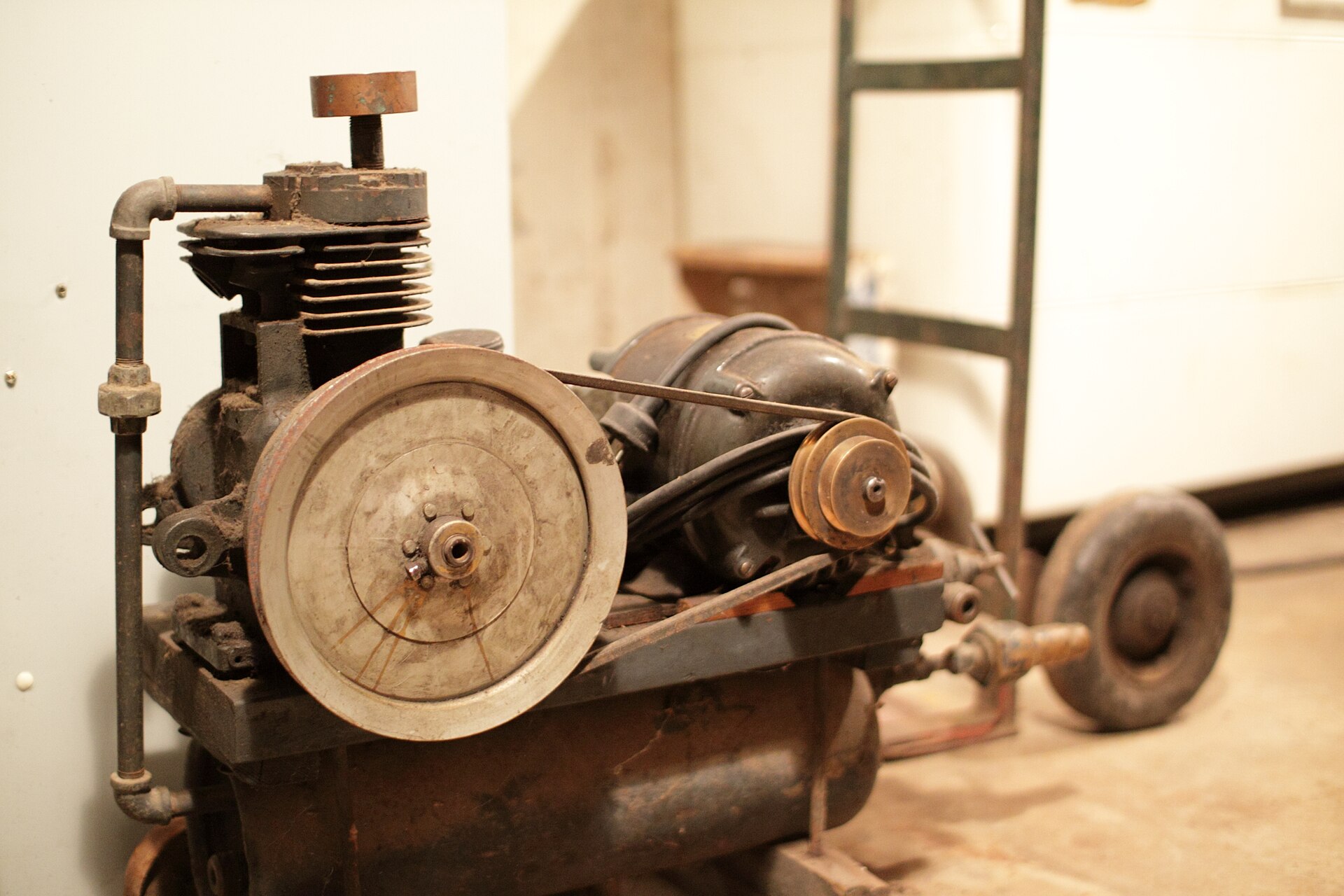
Oil-lubricated pumps have an oil sump like an engine, and are often belt-driven at lower speed.
- Typically quieter, cooler running and longer lasting.
- Need oil level checks and changes, and are best kept level.
- Can pass traces of oil into the air, so a filter is needed for painting (you'll want a water separator for painting anyway).
Noise is worth checking separately. Conventional oil-free portables are often loud enough to need hearing protection, while "quiet" designs run slower and quote noticeably lower decibel figures. A 10 dB difference sounds roughly half as loud.
Horsepower and power supply
Horsepower claims, especially "peak" figures, are unreliable for comparison. What a motor can actually do on a standard household outlet is limited by the circuit. Compare CFM at 90 PSI instead.
If the compressor is far from an outlet, use a longer air hose rather than a long extension cord: a thin extension lead drops voltage, making the motor struggle and run hot. If you must use a cord, use a short, heavy-gauge one.
Maintenance and safety
- Drain the tank after each use. Compressing air condenses water inside, which rusts the tank from within.
- Check the safety valve occasionally by pulling its ring briefly while the tank is under pressure.
- Never repair, weld or drill a tank. Retire a compressor whose tank is badly rusted or damaged.
- Oil air tools that need it (a few drops in the inlet, or an inline oiler), but keep oil out of lines used for painting.
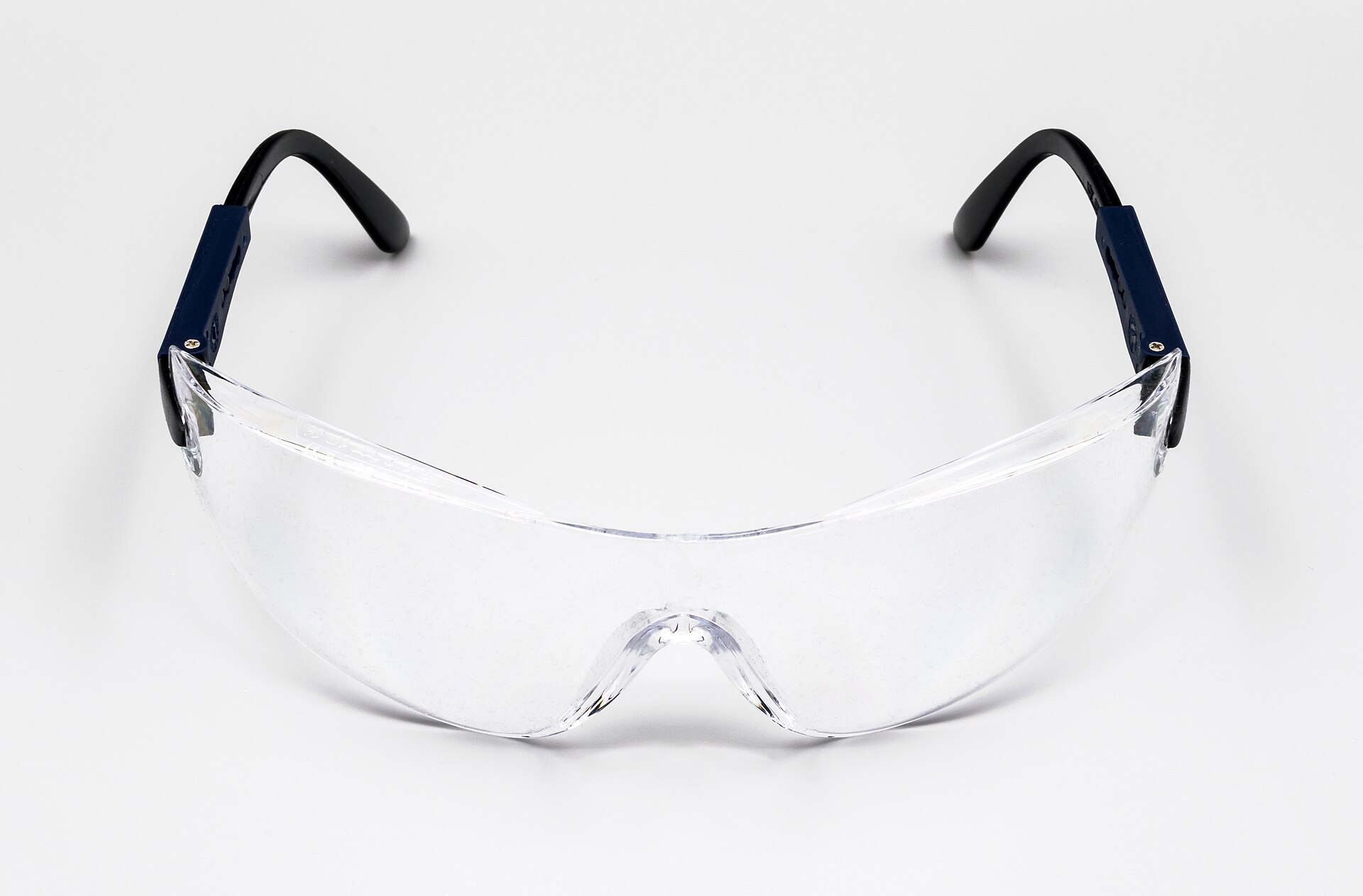
- Wear eye protection when using air tools and blow guns, and never point compressed air at skin: air forced through the skin can cause serious injury.
- Don't exceed a tool's maximum pressure rating, and release pressure before disconnecting fittings.
The short version
- Compare CFM at 90 PSI, not horsepower or tank size.
- Add up your tools' needs and allow a 25–50% margin.
- Nailers and inflating: a small portable oil-free unit is plenty.
- Sanders, grinders and spray guns: a large, often oil-lubricated compressor with a high continuous delivery.
- Check duty cycle and noise, drain the tank after use and use a long hose, not a long cord.
Bloiq is reader-supported. Some links may earn us a commission; it never affects what we write. How we make money.
Cover photo: Chris Bartle, CC BY 2.0, via Wikimedia Commons