Workshop safety gear: eye, hearing and respirator ratings explained
What Z87+, EN 166, NRR, SNR, N95, FFP3 and filter codes mean, how to choose safety glasses, hearing protection and respirators, and how to get a proper fit.
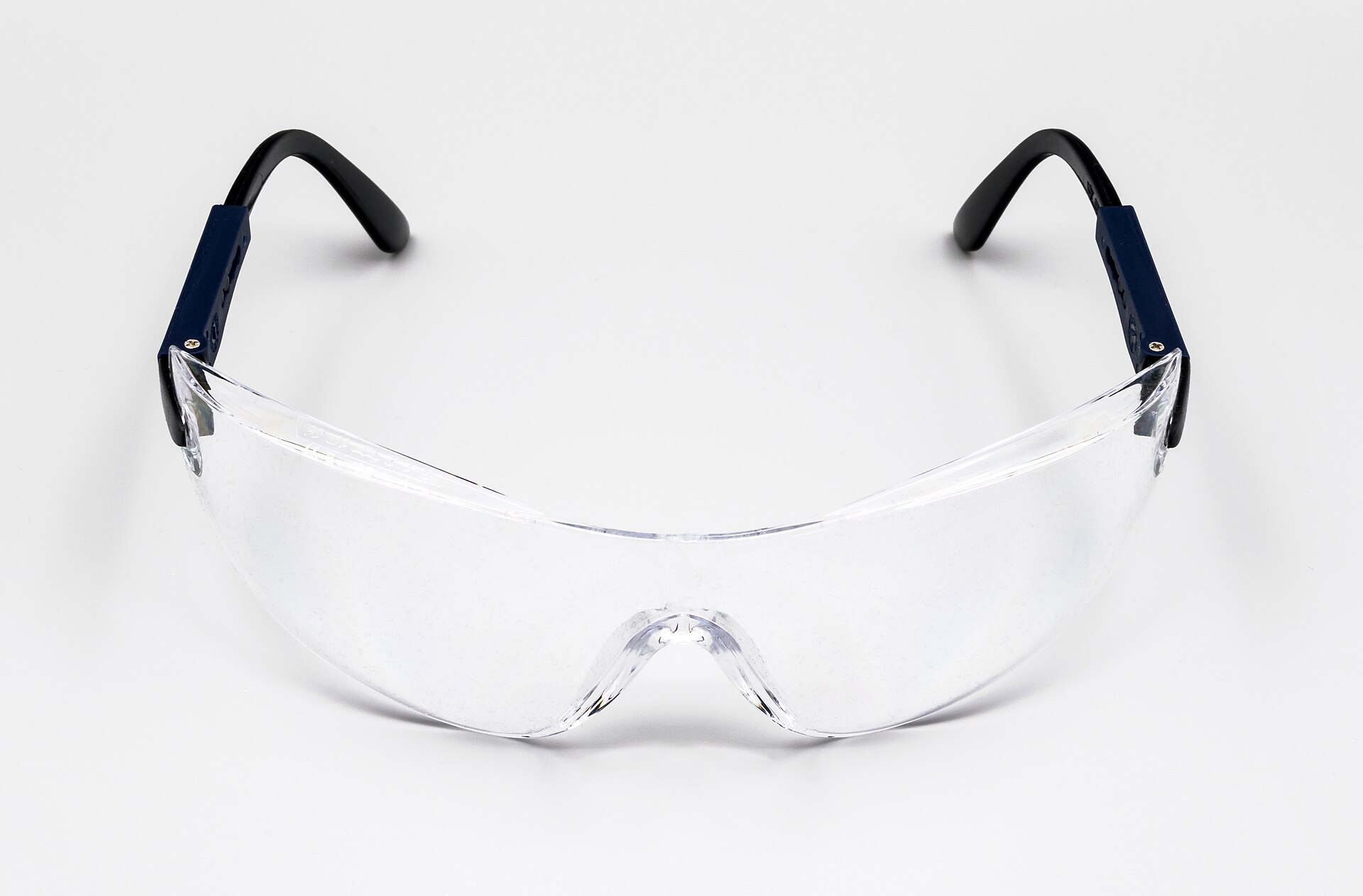
Most workshop injuries to the eyes, ears and lungs are preventable, but only if the protection matches the hazard and actually fits. Safety gear is labelled with codes such as Z87+, SNR 33 or FFP3 that are easy to misread, and the systems differ between North America and Europe. This guide explains what the main ratings mean and how to choose and fit each kind of protection.
Eye protection: what the markings mean
Safety eyewear differs from ordinary glasses in impact resistance and coverage. Everyday prescription glasses are not safety glasses.
North America uses ANSI/ISEA Z87.1 in the US and CSA Z94.3 in Canada:
- Z87 means basic impact protection; Z87+ means the eyewear passed the high-velocity and high-mass impact tests. For power tools, choose Z87+.
- Extra markings show other uses: D3 for droplets and splashes, D4 for dust, D5 for fine dust, W with a shade number for welding filters, U for UV filtering and V for photochromic lenses.
Europe and the UK use EN 166, increasingly alongside the newer ISO 16321:
- Impact letters: S (increased robustness), F (low-energy impact), B (medium energy) and A (high energy). Spectacles go up to F, goggles up to B and only face shields reach A. A T after the letter means it was also tested at extreme temperatures.
- Field-of-use numbers: 3 liquids, 4 large dust particles, 5 gas and fine dust, 8 electric arcs, 9 molten metal and hot solids.
- Optical class 1 is best for all-day wear. K marks scratch resistance and N anti-fog.
Choosing the right type:
- Safety glasses with wraparound lenses or side shields suit most sawing, drilling and sanding.
- Goggles seal around the eyes for fine dust, splashes and overhead work. Indirect-vent goggles keep out liquids.
- Face shields for grinding, turning and splitting must be worn over safety glasses, as particles can get in under and around a shield. Our guide to angle grinders covers grinding safety.
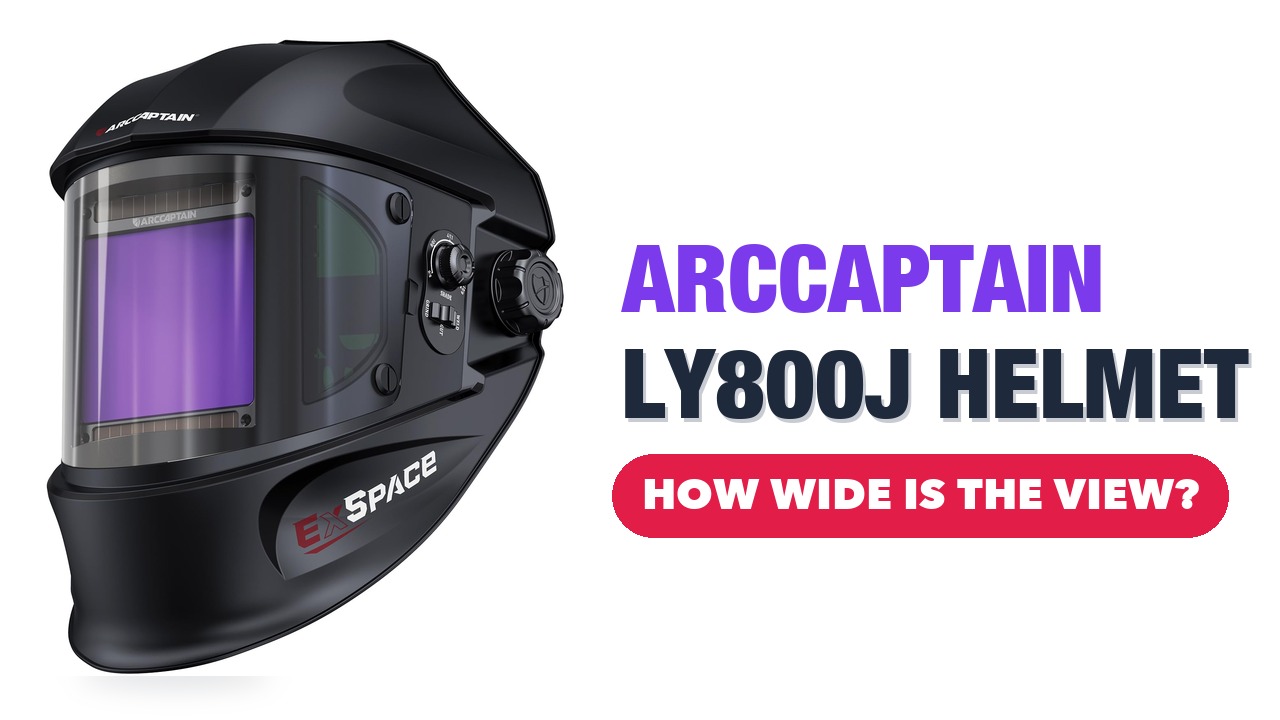
- Specialist protection: welding needs the right filter shade (see auto-darkening welding helmets), and laser engravers need laser eyewear matched to the laser's wavelength and optical density.
- If you wear glasses, choose over-glasses designs or prescription safety eyewear, and replace any eyewear that is scratched or cracked.
Hearing protection: how loud is too loud
Noise-induced hearing loss is permanent and builds gradually, often with tinnitus. Saws, routers, planers and grinders are commonly somewhere around 90–110 dB(A) at the operator's ear, well above the 85 dB(A) level at which workplace guidance in most countries calls for protection. A simple test: if you have to shout to be heard by someone an arm's length away, wear hearing protection.
Rule of thumb: every 3 dB increase doubles the sound energy, so the safe exposure time halves. Under the widely used NIOSH limit, 8 hours at 85 dB(A) carries the same risk as just 15 minutes at 100 dB(A).
Hearing protection ratings: NRR, SNR and real-world fit
- NRR (Noise Reduction Rating), used in the US, is measured in a laboratory with an ideal fit. Real-world protection is usually much lower. A common workplace estimate is to subtract 7 from the NRR and halve the result: an NRR 33 foam plug gives roughly 13 dB in practice.
- SNR (Single Number Rating), used in Europe and the UK under EN 352, is tested differently and usually reads higher than the NRR for the same product. H, M and L values show protection against high-, medium- and low-frequency noise.
- Canada (CSA Z94.2) and Australia and New Zealand (AS/NZS 1270) have their own systems. Compare products using the same rating.
The types:
- Foam plugs have the highest ratings, but only when rolled thin, inserted deep and held while they expand. Half-inserted plugs give little protection.
- Reusable pre-moulded plugs are washable and quicker to fit.
- Banded plugs suit on-off noise between quiet tasks.
- Earmuffs are easy to put on and fit consistently, but glasses arms, hats and hair break the seal. Slim-armed safety glasses help.
- Electronic (level-dependent) earmuffs let conversation through and cut loud sounds.
- Earmuffs with Bluetooth audio add to your total noise exposure if you turn the music up; some limit the volume.
For very loud work, plugs under earmuffs add only a few decibels over the better of the two, but that can matter. Don't aim for silence: bringing the level at your ear below about 80 dB(A) is enough, and you still need to hear warnings and the sound of the tool.
Respiratory protection: dust masks and filter codes
First identify what you're breathing. Particle filters stop dust, mists and fumes but not vapours; gas and vapour cartridges stop solvents but not dust unless combined with a particle filter. Common workshop hazards include fine wood dust (hardwood dust is a recognised cause of cancer, and MDF produces very fine dust), crystalline silica from cutting concrete, brick, stone and tile, solvent-based finishes and welding fumes.
| System | Ratings | What they mean |
|---|---|---|
| US (NIOSH) | N95, N99, N100; R and P series | Filter at least 95%, 99% or 99.97% of test particles; N is not oil-resistant, R is oil-resistant, P is oil-proof |
| Europe/UK disposable masks (EN 149) | FFP1, FFP2, FFP3 | Filter at least 80%, 94% and 99%; NR means single shift, R reusable |
| Europe/UK half-mask filters (EN 143) | P1, P2, P3 | Similar steps, with P3 the highest |
Matching protection to the job:
- Occasional sanding of softwood: FFP2 or N95 at minimum. See our guide to sanders and grits.
- Hardwoods, MDF, long sessions and anything containing silica: FFP3, P3 or P100, together with on-tool dust extraction or water suppression. Our wet/dry shop vacuum guide explains dust classes.
- Solvent-based paints, stains and adhesives: a half mask with organic vapour cartridges (colour-coded black in the US, or type A, brown, in Europe), plus a particle pre-filter when spraying, such as an A2P3 or OV/P100 combination. See our guide to paint sprayers.
- Two-part (2K) paints containing isocyanates generally call for supplied-air equipment. Follow the product's safety data sheet.
- Old lead paint and possible asbestos: don't sand or disturb them. Follow local rules and get professional advice.
Getting a respirator to fit
- The seal is everything. Stubble or a beard under the seal defeats any tight-fitting mask. If you keep a beard, a powered air-purifying respirator (PAPR) with a loose hood is the alternative.
- Check the seal each time: cover the filters and breathe in; the mask should pull gently towards your face with no leaks. Many workplaces are required to fit-test tight-fitting respirators, and a fit test is worth having if you can get one.
- Sizes matter: reusable half masks come in sizes.
- Replace filters on time: particle filters when breathing gets harder or they're damaged, vapour cartridges on a set schedule or at once if you smell or taste the contaminant. Store them in a sealed bag between uses.
- Disposable masks go when damp, damaged or harder to breathe through. Valved versions are cooler to wear.
Gloves, footwear and good habits
- No gloves near rotating parts that can catch them, such as drill presses, lathes and table saws. Tie back long hair and remove jewellery.
- Cut-resistant gloves are rated under EN 388 (letters A to F) or ANSI/ISEA 105 (A1 to A9).
- Safety footwear with toe protection matters when handling heavy materials: look for ASTM F2413, CSA Z195 (a green triangle in Canada) or EN ISO 20345.
- Protective gear is the last line of defence. Dust extraction, ventilation, guards and quieter methods come first. See our guide to saw types for guarding.
The short version
- Eyes: Z87+ or EN 166 eyewear for every power tool; goggles for fine dust and splashes; a face shield over safety glasses for grinding and turning.
- Ears: protect above 85 dB(A), and if you need to shout to be heard. Treat the NRR as roughly half its face value, and learn to insert foam plugs properly.
- Lungs: FFP2 or N95 for light dust; FFP3, P3 or P100 for silica, MDF and hardwood; vapour cartridges for solvents.
- Fit: clean-shaven seal, a seal check every time and filters replaced on schedule.
- Control the hazard first with extraction, ventilation and guards.
Bloiq is reader-supported. Some links may earn us a commission; it never affects what we write. How we make money.
Cover photo: Jacek Halicki, CC BY-SA 4.0, via Wikimedia Commons
.jpg)