Portable tyre inflators: PSI, airflow, duty cycle and accuracy
How to read tyre inflator specs, from maximum PSI and airflow to duty cycle, auto shut-off and gauge accuracy, plus how to check and set tyre pressure properly.
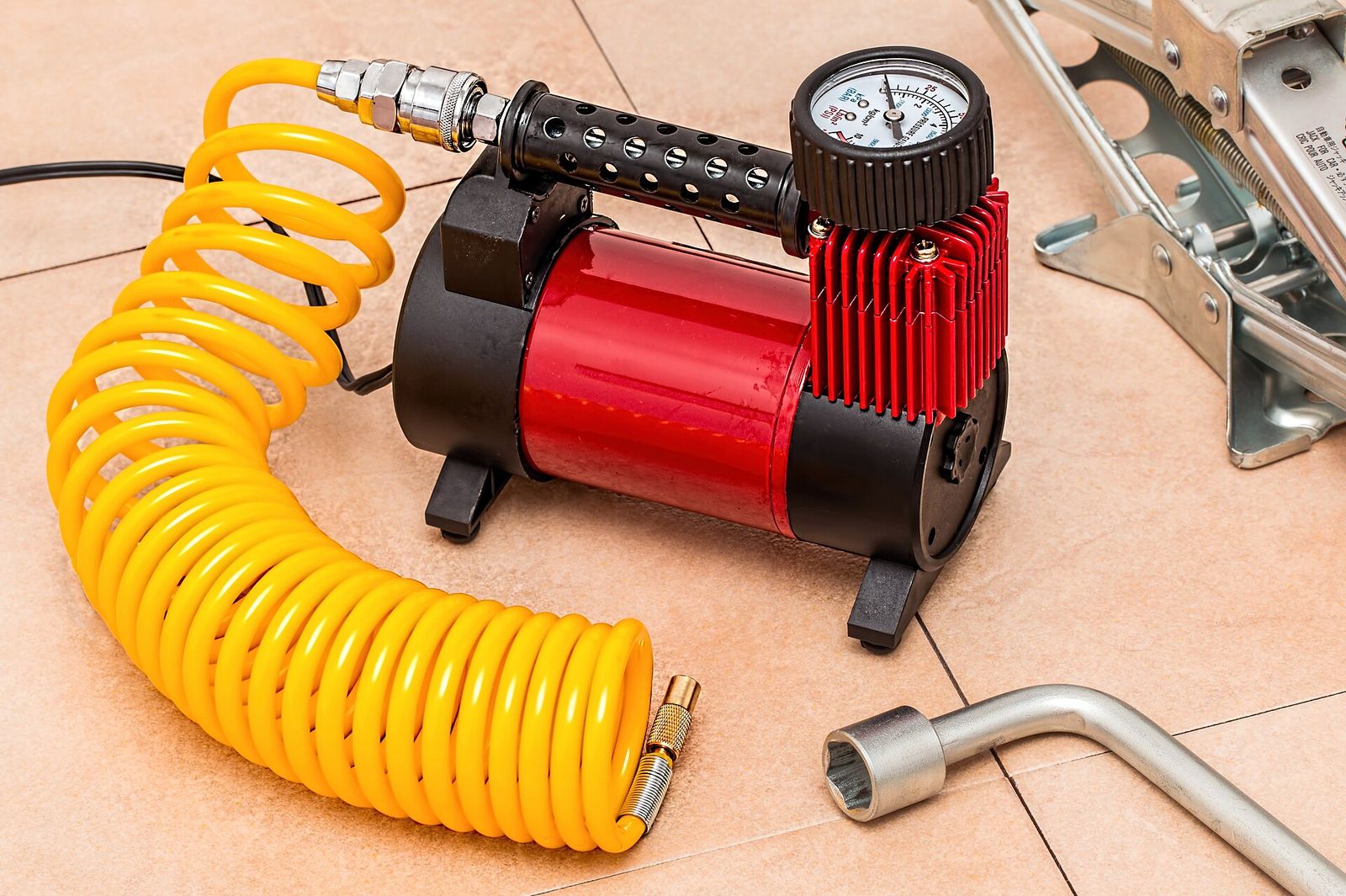
Correct tyre pressure affects braking, handling, tyre wear and fuel use, yet it drifts steadily, and faster when the weather turns cold. A portable inflator lets you top up at home or at the roadside instead of hunting for a working air machine. The specifications can mislead, though: a big PSI number doesn't mean fast inflation. This guide explains which figures matter and how to use an inflator accurately.
Types of portable inflator
| Type | Power source | Strengths | Limitations |
|---|---|---|---|
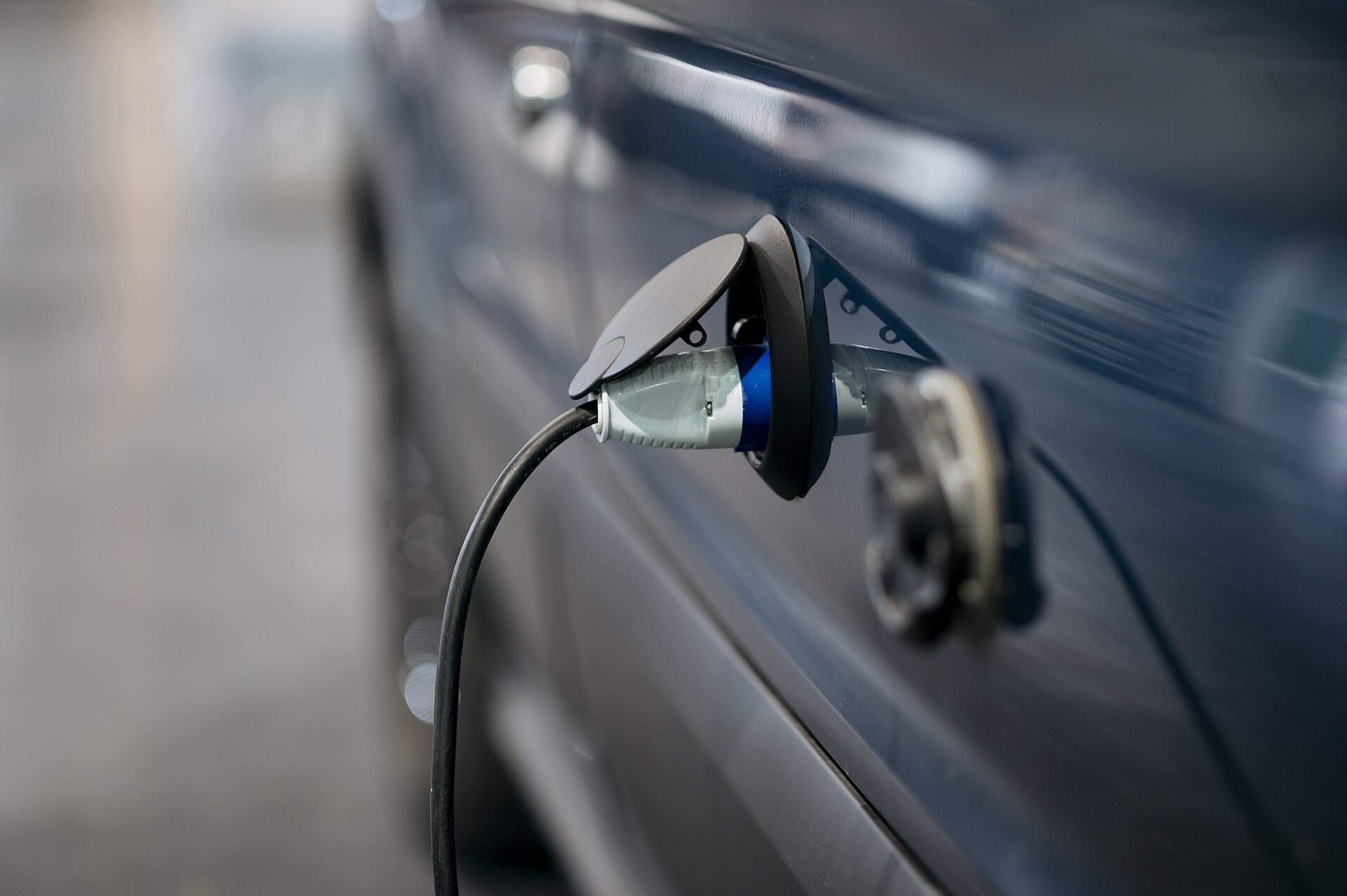
| 12 V plug-in | Car's accessory socket | Unlimited run time with the engine on; compact | Power limited by the socket's fuse; cord must reach all four wheels |
| 12 V battery-clamp | Clips to the car battery | More power; faster, suits large tyres | Bonnet must be open; bulkier |
| Cordless (rechargeable) | Built-in or power-tool battery | Very convenient; no cables | Limited run time; slower on big tyres |
| Mains-powered | Household socket | Good for home use and other inflatables | Useless at the roadside |
Some jump starters also include a compressor; see our guide to portable jump starters. Mains-powered workshop compressors with a tank are faster still, but they're a different class of tool.
Maximum PSI: less important than it looks
Most passenger cars call for roughly 30–40 PSI (about 2.1–2.8 bar, or 210–280 kPa). An inflator rated to 100 or 150 PSI isn't going to fill a car tyre faster because of it; the high rating mainly shows the pump can work against pressure without stalling.
Maximum pressure does matter if you inflate:
- Temporary spare tyres, which often need around 60 PSI (about 420 kPa); check the label on the spare or the placard;
- Light-truck and some van tyres, which may run at higher pressures when loaded;
- Bicycle tyres, especially road bikes, and sports balls, which need suitable adapters.
Units: 1 bar = 100 kPa ≈ 14.5 PSI. Vehicle placards in Canada typically show both kPa and PSI.
Airflow: what actually decides the speed
Airflow tells you how quickly the pump moves air, usually in litres per minute (L/min) or cubic feet per minute (CFM); 1 CFM is about 28 L/min.
- Many makers quote free-air flow, measured with no back-pressure. Real flow at tyre pressures is lower, sometimes much lower.
- The most useful figure, when given, is a timed test: for example, how long it takes to inflate a given tyre size from one pressure to another. Compare like with like, as a small car tyre and a large SUV tyre hold very different volumes of air.
- 12 V plug-in units are capped by the socket's fuse, often 10–15 A, so they can only draw so much power. Battery-clamp models get around this limit.
For topping up a few PSI on a car, almost any inflator is fine. For large SUV, pickup or off-road tyres, flow matters a great deal.
Duty cycle and overheating
Small compressors get hot. The duty cycle says how long the inflator can run before it needs to cool, written as a time ("10 minutes on, 10 minutes off") or a percentage.
- A short duty cycle is fine for topping up four car tyres.
- For re-inflating large tyres after airing down off-road, or several vehicles in a row, look for a long duty cycle or a continuous rating.
- Running past the duty cycle can damage the motor or trip a thermal cut-out. Some units have built-in overheat protection; it's worth having.
Auto shut-off and presets
Most digital inflators let you set a target pressure and stop automatically when it's reached. This is convenient and helps prevent over-inflation, but:
- The gauge reads pressure in the hose, which fluctuates while the pump is running, so the final figure can be a little off. Many units pause to take a steady reading.
- Some let you save presets for car, bike and ball, and switch between PSI, bar and kPa.
- Always confirm the result with a separate gauge, at least until you know how your inflator reads.
Gauge accuracy and the connector
Built-in gauges are often quoted to within ±1–2 PSI on the maker's own figures; a quality handheld gauge is usually a better reference. Checking your inflator against a good gauge once tells you whether to trust it.
The connector matters too:
- Screw-on chucks seal reliably, but a little air escapes as you unscrew them. Some riders and drivers add a PSI or so to allow for this.
- Lever-lock or clip-on chucks are quicker to attach and remove, and lose less air.
- Car tyres use Schrader valves. Most road bikes use Presta valves, which need an adapter.
- A long hose and power cord make it easier to reach all four wheels; measure against your vehicle if you have a large SUV or van.
Checking and setting pressure properly
- Use the pressure on the placard on the driver's door frame (or in the owner's manual), not the maximum printed on the tyre sidewall.
- Check tyres cold: before driving, or after the car has been parked for a few hours. Driving warms the tyres and raises the reading.
- Cold weather lowers pressure; a common rule of thumb is about 1 PSI lost for every 5–6°C drop in temperature. In a Canadian autumn, check more often.
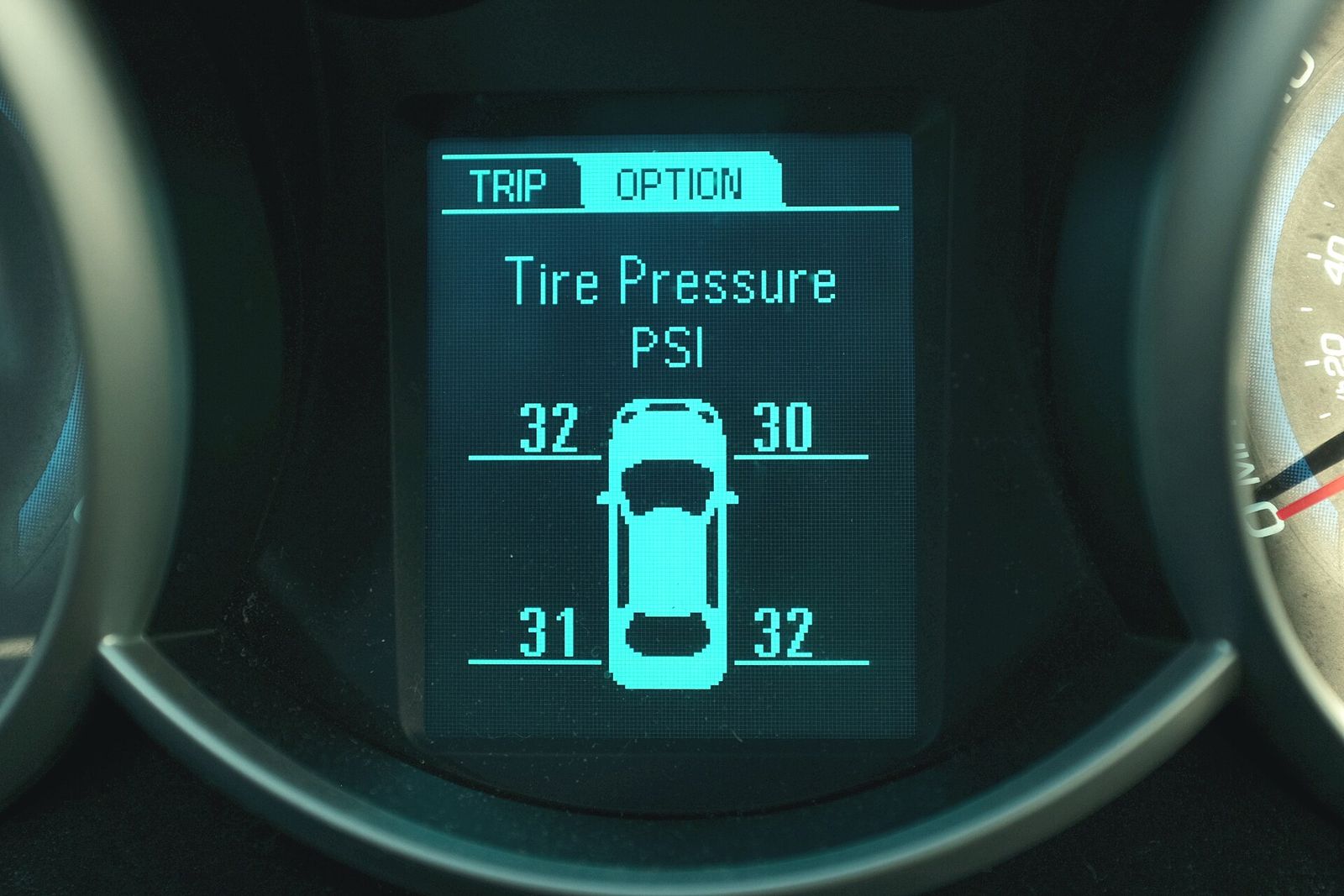
- Don't rely on the tyre pressure monitoring system (TPMS) for routine checks; it usually warns only when a tyre is well below the recommended pressure.
- Check monthly and before long trips, including the spare if you have one.
Rule of thumb: set pressures cold, to the door placard, then re-check with a separate gauge. The inflator's display gets you close; the gauge confirms it.
Safety at the roadside
- Park well off the road on level ground, use hazard lights, and keep yourself away from traffic.
- If a 12 V inflator runs from the accessory socket, many makers suggest running the engine to avoid draining the battery; only do this outdoors, never in a closed garage.
- Don't re-inflate a tyre that has been driven flat or is visibly damaged; it may have internal damage. Fit the spare or call for assistance.
- Never exceed the maximum pressure on the sidewall, and stand to the side rather than in front of the tyre when inflating.
- Let the compressor cool before packing it away.
A tyre inflator doesn't fix a puncture. For slow leaks it buys you time to reach a tyre shop; a plug or sealant kit is a separate item, and some tyres, such as run-flats, have their own repair rules. For winter preparation, see our guide to all-season, all-weather and winter tyres and the winter car kit checklist.
The short version
- Maximum PSI matters for spares, bikes and truck tyres; airflow decides the speed.
- Prefer timed inflation figures over free-air flow claims.
- For large tyres, choose a battery-clamp model with a long duty cycle.
- Auto shut-off is convenient; verify with a separate gauge.
- Inflate cold, to the door placard, and check monthly.
Bloiq is reader-supported. Some links may earn us a commission; it never affects what we write. How we make money.
Cover photo: Tool Dude8mm, CC BY 2.0, via Wikimedia Commons
.jpg)