All-season, all-weather and winter tyres: which do you need?
What the three-peak mountain snowflake and M+S markings mean, why 7°C matters, and how all-season, all-weather and winter tyres compare in a Canadian winter.
Tyres are the only part of the car that touches the road, and in winter the difference between tyre types is large enough to decide whether you stop in time. The labels don't help: "all-season" sounds as if it covers winter, and "all-weather" sounds almost the same. This guide explains what the sidewall markings mean, how the three types differ and how to choose for the winters you actually drive in.
The markings on the sidewall
Two symbols matter here:
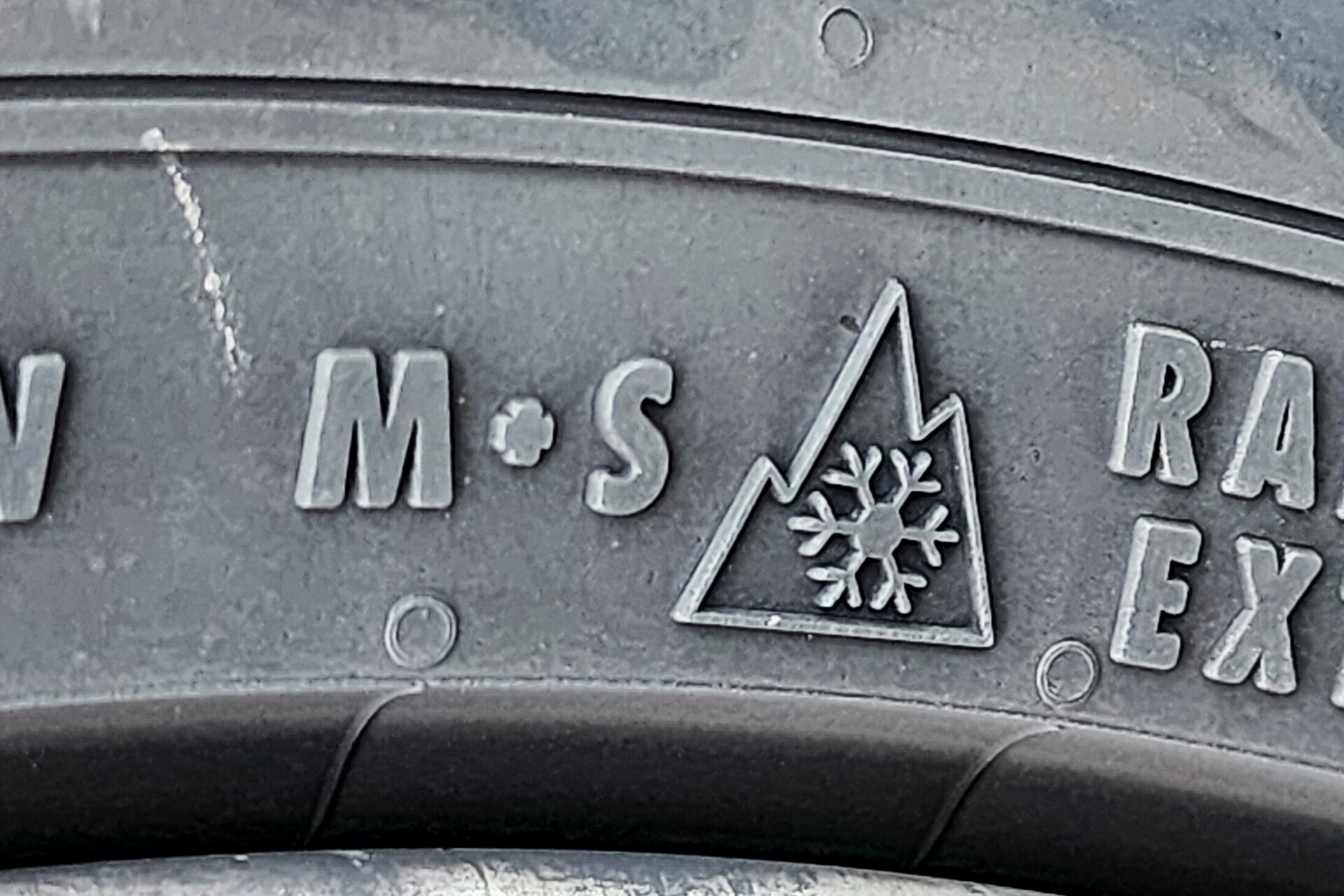
- M+S (or M/S, M&S) means "mud and snow". It's based on the tread pattern, not a traction test, and most all-season tyres carry it. On its own, it doesn't tell you a tyre performs well in snow.
- The three-peak mountain snowflake (3PMSF), a snowflake inside a three-peaked mountain, means the tyre has met a minimum performance level in a standardised traction test on packed snow, compared with a reference tyre. Dedicated winter tyres and all-weather tyres carry it.
The 3PMSF symbol is a minimum standard, not a grade. Two tyres with the symbol can still differ considerably on ice, in slush and in braking distance, so independent test results for the size you need are worth reading.
Why temperature matters, not just snow
Tyre rubber changes with temperature. The compounds in summer and all-season tyres become stiffer as it gets colder, so they grip less even on dry, clear roads. Winter tyres use softer compounds that stay flexible in the cold.
A commonly cited changeover point is 7°C (45°F): once daytime temperatures are consistently below it, winter tyres generally outperform all-season tyres, snow or no snow. Winter tyres also have:
- Deeper tread with wide channels to clear slush and snow;
- Many sipes, small slits that create biting edges on ice and packed snow;
- A tread designed to hold snow, since snow grips snow better than rubber does.
Rule of thumb: if you regularly drive when it's below about 7°C, and especially on snow, slush or ice, dedicated winter tyres give the biggest safety gain of any winter preparation.
The three types compared
| All-season | All-weather | Winter | |
|---|---|---|---|
| Typical marking | M+S | 3PMSF (and usually M+S) | 3PMSF (and usually M+S) |
| Cold, dry roads | Grip falls as temperatures drop | Good | Very good |
| Snow and slush | Modest | Good | Best |
| Ice | Poor | Fair | Best among non-studded options; studded tyres are better still on glare ice |
| Warm summer roads | Good; long tread life | Good, though often wears faster than all-season | Soft rubber wears quickly and handling feels vague |
| Seasonal changeover | No | No | Yes, twice a year |
All-season tyres are really "three-season" tyres in much of Canada. They suit mild climates where winter means rain and occasional light frost.
All-weather tyres are a year-round compromise with genuine winter certification. They suit drivers in regions with moderate winters, city drivers whose roads are ploughed quickly, and people with nowhere to store a second set. They're not a full substitute for winter tyres in deep snow, on ice or in prolonged severe cold.
Winter tyres are the best choice for sustained cold, frequent snow and icy roads, rural and mountain driving, and long commutes in winter conditions.
Canadian winter considerations
- Provincial rules differ. Some provinces require winter tyres for part of the year or on designated highways; others don't but encourage them, and some insurers offer discounts for fitting them. Studded tyres are allowed only in some places and at some times of year. Rules vary by province/state; check local law before you buy.
- All-wheel drive isn't a substitute. AWD helps you pull away, but it does nothing extra for braking or cornering, which depend on tyre grip.
- Fit four, not two. Mixing winter tyres on one axle with all-seasons on the other can make the car unstable in a skid.
- Timing. Book a changeover appointment early, as garages fill up with the first cold snap. Many drivers switch in October or November and back in April, depending on region.
- Travel. If you drive into mountain areas in winter, check the requirements for those highways, which may be stricter than where you live.
Tread depth and tyre age
Winter tyres lose much of their snow grip as the tread wears, long before they're worn out legally. A common guideline is to replace them for winter use at around 4 mm (5/32 in) of remaining tread; many winter tyres have wear indicators that show when they're no longer suitable for snow. A tread-depth gauge is inexpensive and takes the guesswork out.
Rubber also ages. The date code, the last four digits of the DOT code on the sidewall, shows the week and year of manufacture (for example, 3223 means week 32 of 2023). Advice on maximum age varies by manufacturer; have older tyres inspected, and look for cracking in the sidewalls and between tread blocks.
Rims, storage and pressures
- A second set of wheels makes seasonal changes quicker and cheaper and avoids wear on the tyre beads from repeated mounting. Steel wheels are durable and cope well with road salt; alloys look better and can be lighter.
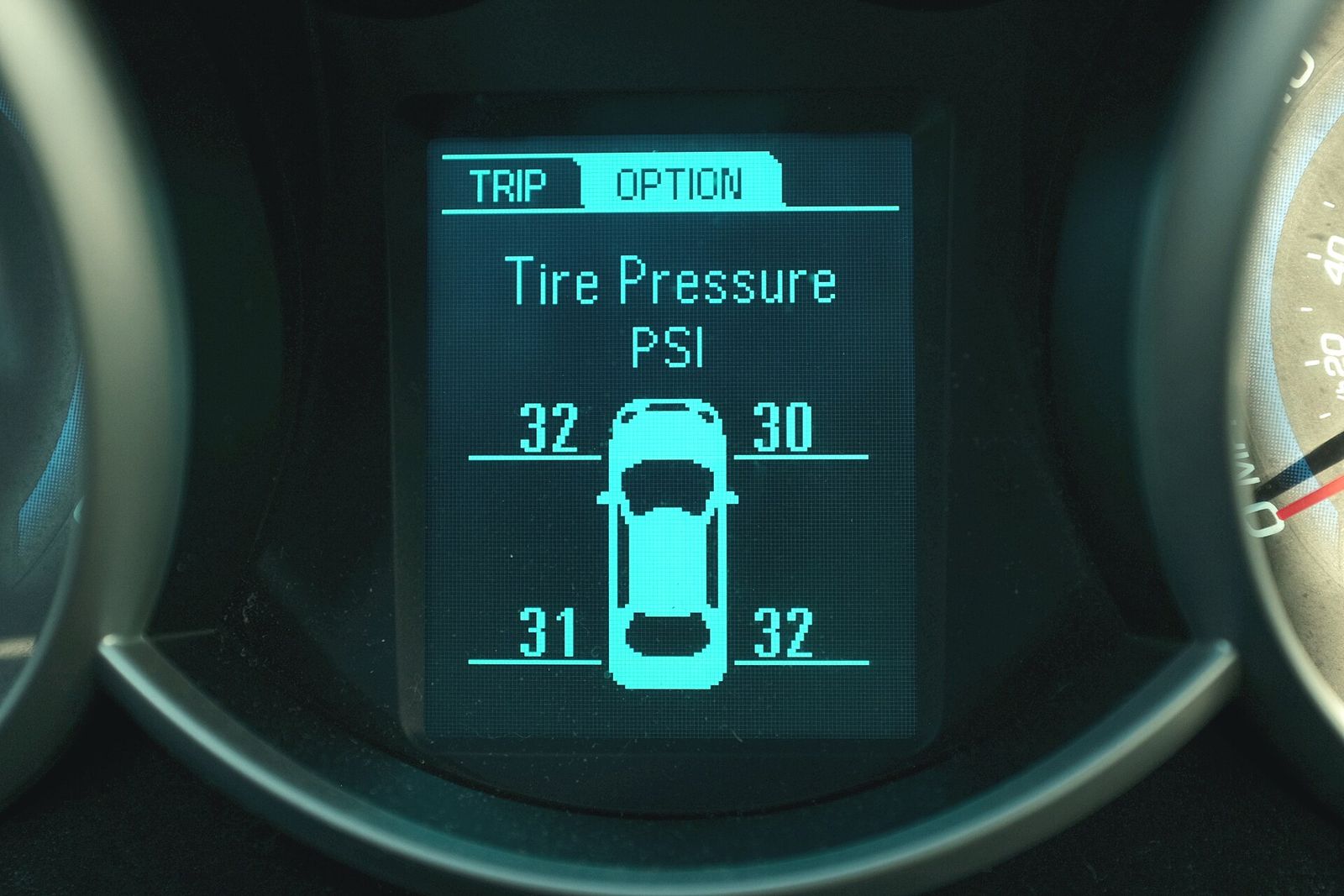
- TPMS sensors: if your car has direct tyre pressure monitoring, a second set of wheels may need its own sensors, or the warning light may stay on.
- Store tyres somewhere cool, dry and dark, away from fuel, solvents and electric motors. Tyres on rims can be stacked or hung; tyres without rims are best stored upright.
- Pressure drops in the cold, so check more often in winter; see our guide to portable tyre inflators for doing it at home.
- Speed and load ratings: winter tyres often carry a lower speed rating than the originals. That's common for winter tyres, but check the owner's manual and local rules, and never go below the required load index.
Choosing for your winter
| Your winter | Sensible choice |
|---|---|
| Mild, rare frost, very occasional snow | All-season or all-weather |
| Moderate: regular cold, some snow, ploughed city roads | All-weather or winter |
| Severe: long cold spells, frequent snow, rural or mountain roads | Winter tyres |
| Frequent glare ice, where permitted | Studded or studdable winter tyres |
Tyres are only part of winter preparation; our winter car kit checklist and guide to wiper blades cover the rest.
The short version
- M+S is a tread pattern; the three-peak mountain snowflake means the tyre passed a snow traction test.
- Below about 7°C, all-season rubber loses grip, even on dry roads.
- All-weather tyres are a certified year-round compromise; winter tyres are best in severe winters.
- Fit four matching tyres, and don't count on AWD for stopping.
- Check tread depth, age and pressures, and check local rules on winter and studded tyres.
Bloiq is reader-supported. Some links may earn us a commission; it never affects what we write. How we make money.
Cover photo: U.S. Army USAG-RP by Linda Lambiotte, Public domain, via Wikimedia Commons

.jpg)