Planning an EV road trip: connectors, charging curves and cold weather
How public charging networks work, which connector your car uses, why 10–80% is the fast-charging sweet spot, and how cold, speed and load change your range.
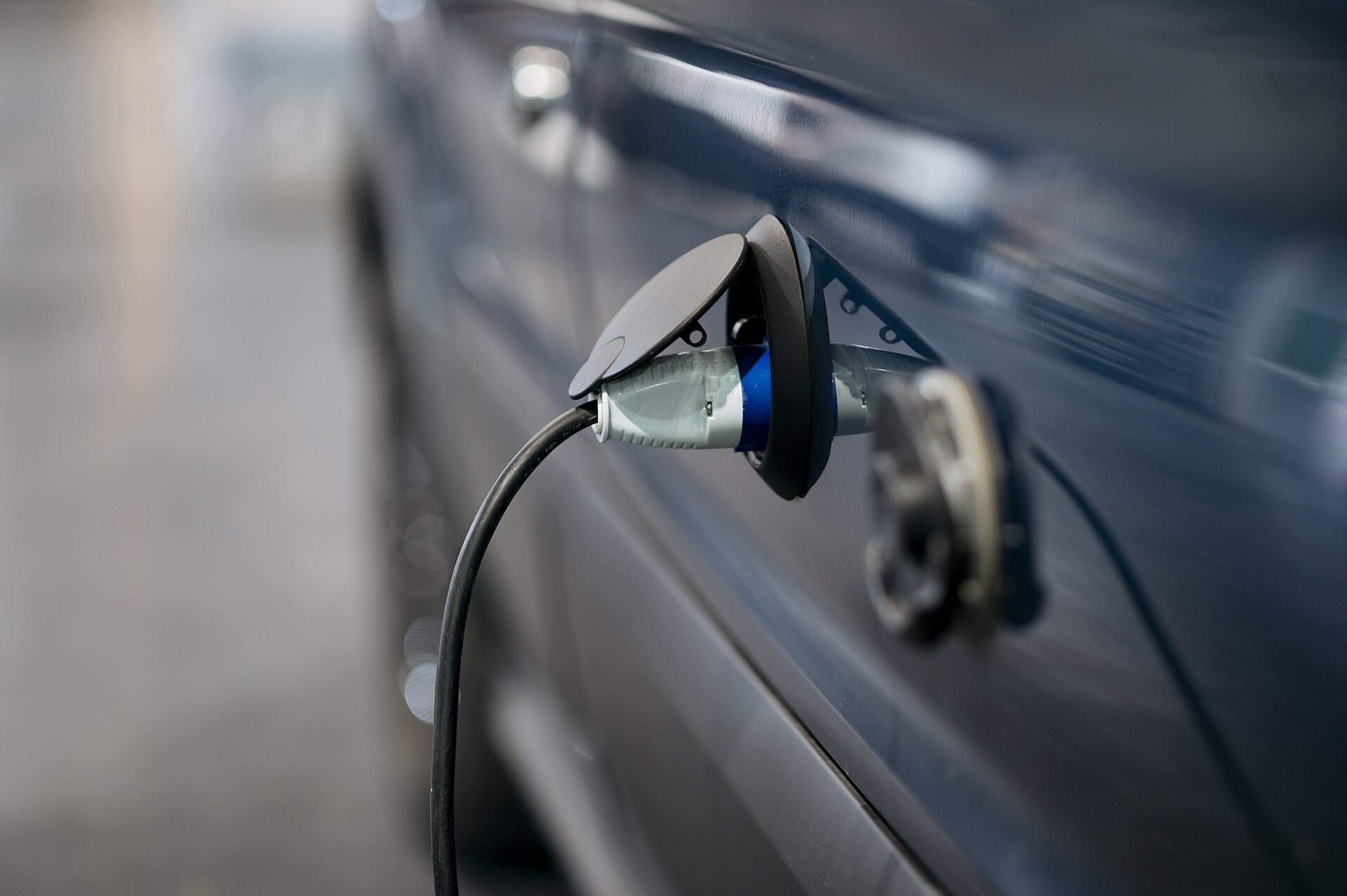
A long drive in an electric car is easy once you know how public charging behaves. The surprises usually come from a few things: the wrong connector, a charger that's slower than its sign suggests, a battery that charges slowly when it's cold or nearly full, and range that shrinks at motorway speeds in winter. This guide explains each so you can plan stops with confidence and spend less time waiting.
Connectors: know what your car takes
Every EV has an AC inlet for slower charging and, on most models, a DC fast-charging inlet, often combined in one port. What you'll find depends on the region.
| Region | AC (slower) | DC (fast) |
|---|---|---|
| North America | J1772 (Type 1) or NACS (SAE J3400) | CCS1 or NACS (SAE J3400) |
| Europe, UK, Australia, New Zealand | Type 2 | CCS2 |
| Japan | Type 1 | CHAdeMO |
| China | GB/T | GB/T |
North America is in the middle of a change: many carmakers have adopted the NACS connector, developed by Tesla and standardised as SAE J3400, and its fast-charging stations have been opened to other brands. During the transition, many cars need a certified adapter for some stations. Carry the adapter your car's maker approves, and check in an app that a site works for your car before relying on it. Some older models use CHAdeMO, now rare outside Japan.
If you're renting an EV, ask which connector it has, whether an adapter is included, and which networks it can use.
How public charging networks work
Charging stations are run by many different operators, from carmakers and energy companies to fuel retailers and local councils. In general terms:
- Access: most networks use an app or account; many newer fast chargers also take contactless bank cards, and some regions now require new fast chargers to accept them. Carry a card, the apps you're likely to need, and a charged phone.
- Plug and charge: with some cars and networks, the car identifies itself through the cable and billing starts automatically.
- Pricing models vary: by energy (per kilowatt-hour), by time, with session fees, or with membership plans. Many sites add idle fees if you stay plugged in after charging finishes. Check the current rates in the app before you plug in.
- Reliability varies by network and region. Apps that show live status and recent user check-ins help you avoid broken or busy sites.
- Shared power: at some sites, two connectors share one power cabinet, so a neighbouring car can reduce your charging speed.
Charging curves: why 10–80% is the sweet spot
A DC fast charger doesn't deliver its full rated power from start to finish. Your car's battery management system controls the speed, and most cars follow a charging curve: high power at a low state of charge, then a steady taper as the battery fills. Above roughly 80 per cent, power often drops sharply to protect the battery, and the final stretch to 100 per cent can take a large share of the total time.
Rule of thumb: on a road trip, arrive at the charger with around 10–20 per cent, and leave once you have enough to reach the next charger with a margin, often around 70–80 per cent. Two short stops are usually quicker than one long one.
Many modern EVs can charge from about 10 to 80 per cent in roughly 20–40 minutes on a suitably powerful charger, but this varies widely by car, battery temperature and charger. Charge to 100 per cent only when you need the range, such as before a long gap between chargers, and ideally when you'd be stopping anyway, for example overnight or over a meal.
Charger power versus your car's peak
Fast chargers are commonly rated at around 50 kW, 150 kW or up to 350 kW and beyond. The speed you get is the lower of what the charger can supply and what your car can accept at that moment. A car that peaks at 100 kW won't charge faster at a 350 kW unit, so a "slower" charger nearby may do just as well. Cars with higher-voltage battery systems (often 800 V) can make better use of the most powerful chargers.
Look up your car's peak charging power and, if you can, a published charging curve: they tell you more about stop times than battery size.
Planning the route
- Use a route planner that knows your car model, starting charge, speed and weather. Your car's built-in navigation may plan charging stops itself and warm the battery on the way.
- Plan a backup for each stop: a second site within easy reach, in case the first is busy or out of service.
- Prefer sites with several fast chargers to single-unit locations, especially on busy holiday weekends.
- Mind the gaps: rural and mountain routes can have long stretches with few chargers. Carry extra margin there, and charge higher before you set out.
- Combine stops with breaks for food and rest, which you'd take on any long drive.
Cold weather changes everything a little
Batteries are chemical, and they like moderate temperatures.
- Range drops in the cold. Heating the cabin and the battery uses energy, and cold batteries are less efficient. In freezing weather, losses of 20 per cent or more are common, and more on short trips with heavy heating. A heat pump, where fitted, makes heating considerably more efficient.
- Fast charging slows when the battery is cold. Many cars warm the battery automatically when you set a fast charger as the navigation destination; some let you start preconditioning manually. Check your owner's manual for how your car does it.
- Precondition while plugged in. Warming the cabin before you leave, using grid power, saves battery for the road.
- Heated seats and steering wheels use far less energy than heating the whole cabin.
- Keep a bigger buffer. Arriving with 20 per cent rather than 10 per cent gives margin for a queue or a broken charger.
Winter tyres, a scraper and warm clothing matter in an EV as in any car. See our winter car kit checklist and our guide to all-season, all-weather and winter tyres.
Speed, load and terrain
Air resistance rises steeply with speed, so motorway driving uses far more energy per kilometre than steady country roads. Easing off a little can extend range noticeably and sometimes save a charging stop. Other factors:
- Roof boxes and bike racks add drag, and can cut range more than the extra weight inside does. Our guide to roof racks, cargo boxes and bike racks covers the options.
- Towing can reduce range dramatically. Check your car's towing limits and plan much shorter legs; some charging bays are hard to use with a trailer attached.
- Hills: climbing uses energy, and regenerative braking recovers some on the way down, though not all.
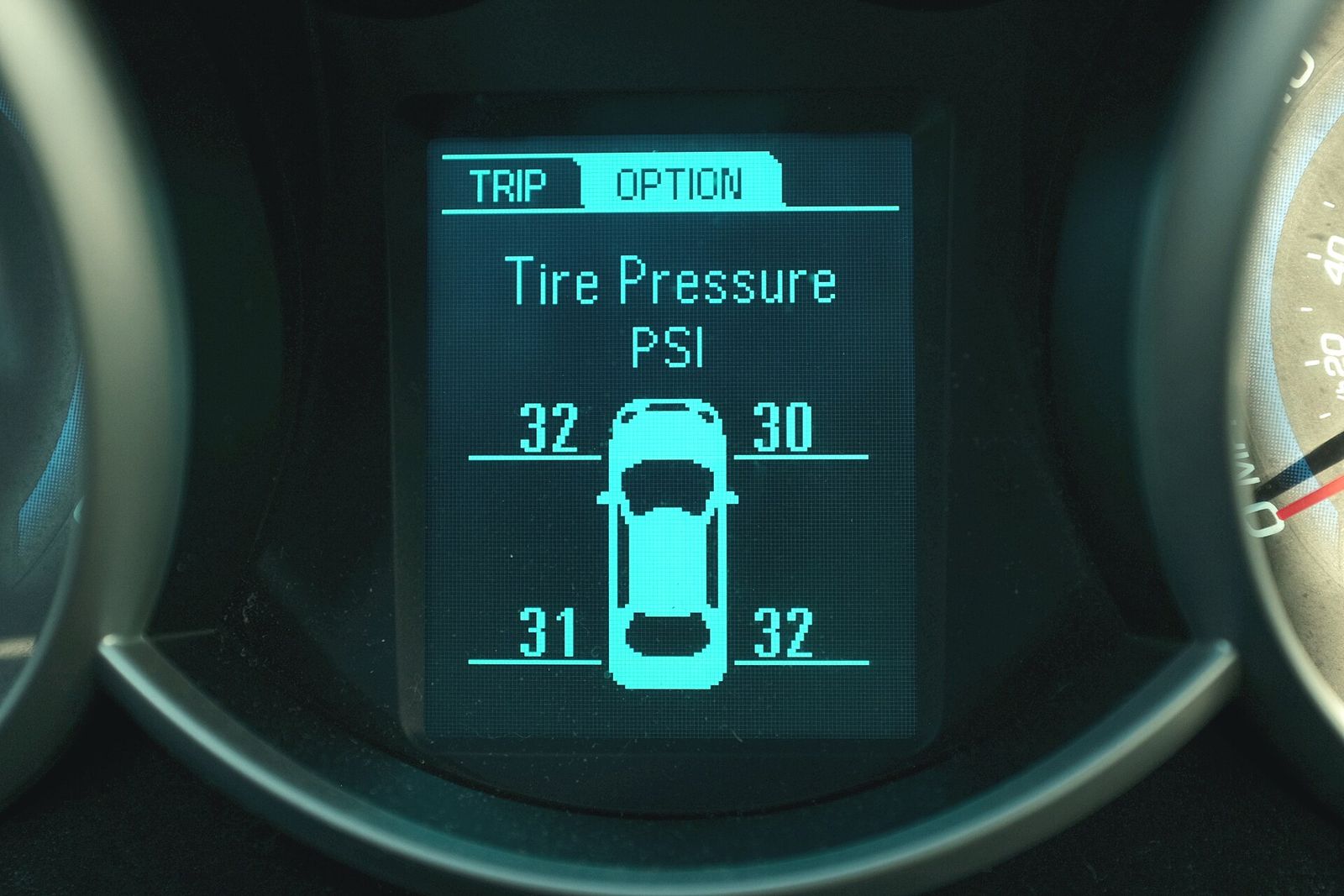
- Tyre pressure: keep tyres at the pressure on the door-frame label; under-inflated tyres waste energy. A portable tyre inflator helps on long trips.
Overnight and destination charging
AC charging at hotels, holiday rentals and car parks is slower but ideal while you sleep or sightsee, and lets you start each day full. Ask in advance whether charging is available, whether it needs booking, and which connector it uses. If you carry the portable cable that came with the car for emergencies, use it only as the car's maker allows, and never with an ordinary extension cord. Our guide to home EV chargers explains AC charging levels and connectors in more detail.
At the charger: etiquette and safety
- Move on when you're done, and don't top up to 100 per cent on a fast charger when others are waiting.
- Follow site rules on time limits, and park in charging bays only while charging.
- Handle cables carefully and hang connectors back up, off the ground.
- Don't use damaged equipment. If a cable looks damaged or a charger behaves oddly, stop, report it, and use another one.
The short version
- Know your car's connectors and carry any approved adapter you need.
- Install the apps for the networks on your route, and carry a bank card.
- Fast-charge from about 10–20 per cent to 70–80 per cent; the last stretch is slow.
- Your car's peak charging power matters as much as the charger's rating.
- Plan a backup charger for each stop and keep a bigger buffer in rural areas.
- In cold weather, expect less range, precondition the battery, and charge higher.
- Slow down a little, remove roof boxes when not needed, and keep tyres properly inflated.
Bloiq is reader-supported. Some links may earn us a commission; it never affects what we write. How we make money.
Cover photo: Shixart1985, CC BY 2.0, via Wikimedia Commons