Winter car kit checklist: brushes, scrapers, supplies and block heaters
What to carry for winter driving: choosing a snow brush and ice scraper, a practical emergency kit, what to do if you're stranded, and how block heaters help.
Winter driving asks more of you and your car: frozen windscreens in the morning, slush on the road, shorter days and the small but real chance of getting stuck somewhere cold. A well-chosen kit makes the everyday jobs faster and the rare emergency far less frightening. This guide covers the tools for clearing snow and ice, the supplies worth keeping in the car, and how block heaters help in very cold climates.
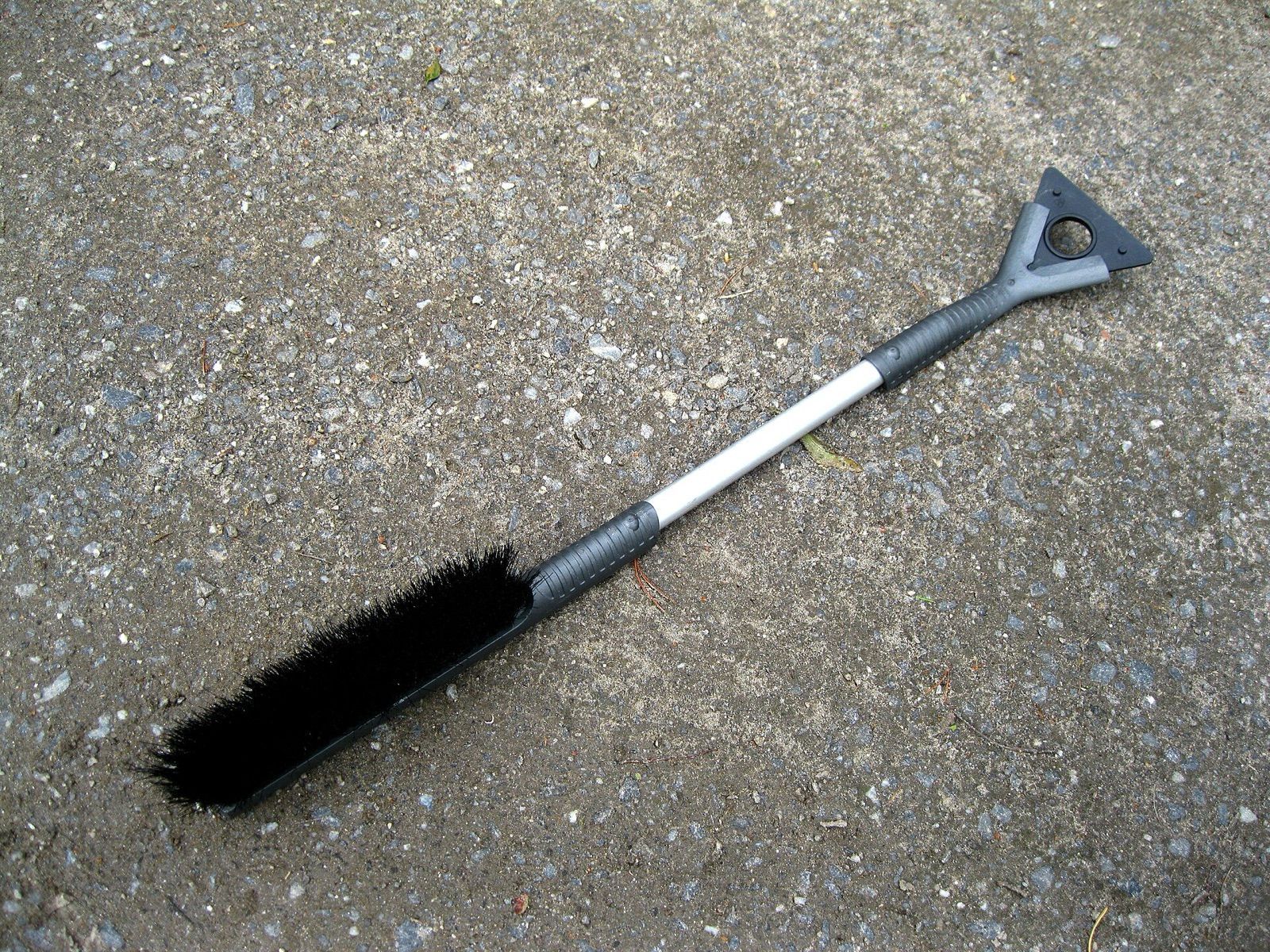
Snow brushes: what makes a good one
A snow brush clears loose snow from the whole car, not just the windscreen. Look for:
- Length that suits your vehicle. A short brush is fine for a small car; for an SUV, van or pickup you'll want a long or telescoping handle to reach the middle of the roof and windscreen.
- Head type. Traditional bristle heads sweep well. Foam or squeegee heads push heavy snow and are often considered gentler on paint, since they don't trap grit in bristles.
- A pivoting head, which lets you push snow off the roof or pull it towards you.
- A built-in scraper on the other end, so one tool does both jobs.
- A comfortable grip you can hold with thick gloves.
Clear the entire vehicle: roof, bonnet, windows, mirrors, lights and number plates. Snow sliding off the roof can blind you when you brake, or fly off into the car behind. In some places, driving with snow on your roof or obscured windows can bring a fine; rules vary by province and state, so check local law. Don't forget the camera and radar sensors used by driver-assistance systems.
Ice scrapers
For ice, a dedicated scraper does a better job than the edge of a snow brush.
- Plastic scrapers are the standard; a stiff, straight edge in good condition works best. Replace one that's chipped, because nicks leave ridges of ice and can scratch.
- Brass-bladed scrapers use a metal softer than glass. They cut ice effectively, but keep them away from painted and plastic surfaces.
- Mitten scrapers have a glove built in to keep your hand warm.
- De-icer spray helps with thick ice and frozen locks and wipers.
Never pour hot water on a frozen windscreen; the sudden temperature change can crack the glass. Don't use scrapers on plastic headlamp lenses or on side mirrors with heating elements behind the glass unless the maker says it's safe. The car's defroster, run for a few minutes while you clear snow, does much of the work for you.
A windscreen cover held in place by the doors can prevent frost and snow sticking to the glass overnight. For a car parked outside all winter, see our guide to car covers.
Emergency supplies to keep in the car
Government and road-safety organisations in cold regions recommend keeping a winter emergency kit in the vehicle. A practical list:
Staying warm and visible
- Blanket or sleeping bag
- Extra warm clothing: hat, gloves, socks, boots
- Hand and foot warmers
- Flashlight or torch with spare batteries, or a wind-up light
- Reflective warning triangle or road flares, and a high-visibility vest
Getting moving again
- Small folding shovel
- Sand, cat litter or traction mats for grip under the drive wheels
- Booster cables or a charged portable jump starter (see our jump starter guide)
- Tow strap or rope
- Spare winter-rated washer fluid
Supplies
- Water in containers that won't burst if frozen, and non-perishable, high-energy food
- First aid kit
- Phone charging cable and a car adapter or power bank
- A paper map, whistle and a list of emergency contacts
Check the kit at the start of each winter: replace food and water, test lights, and recharge the jump starter and power bank, since batteries lose charge faster in the cold.
If you get stranded
Standard advice from cold-climate safety agencies is consistent:
- Stay with your vehicle unless help is clearly close and you can reach it safely. A car is easier to find, and gives shelter.
- Keep the exhaust pipe clear of snow. A blocked exhaust can send carbon monoxide into the cabin, which is deadly and hard to notice.
- Run the engine sparingly for warmth, for short periods, and open a window slightly on the side away from the wind for fresh air.
- Stay visible: use hazard lights or the interior light for short periods, and tie something brightly coloured to the aerial or door.
- Keep moving your hands and feet to maintain circulation, and stay awake if you can.
Before setting out in bad weather, check the forecast and road conditions, tell someone your route, and keep your fuel tank at least half full to reduce the risk of fuel-line freezing and give you a reserve if you're delayed.
Tyres and the battery
Two parts of the car matter most in winter:
- Tyres. Winter tyres, marked with a mountain-and-snowflake symbol, grip far better than all-season tyres in snow, slush and cold. Some provinces and states require winter tyres or chains on certain roads or at certain times of year; check local law. Our guide to all-season, all-weather and winter tyres explains the differences.
- The battery. Cold reduces a battery's available power just as the engine needs more to start. A weak battery that manages in autumn can fail on the first cold morning. If the car sits for long periods, a maintainer helps; see our guide to car battery chargers and maintainers.
Block heaters, in general terms
In very cold climates, a block heater warms the engine before you start it. It's an electric element, powered from a household outlet, fitted to the engine. Warmer coolant and oil help the engine start more easily, reduce wear from cold starts, and get the heater and defroster working sooner.
Common types include:
- Core or frost-plug heaters, fitted into the engine block's coolant passages;
- In-line coolant heaters, fitted in a coolant hose;
- Oil pan and dipstick heaters, which warm the oil;
- Battery warmers or blankets, which help the battery deliver power.
Many vehicles sold in cold regions come with a block heater already fitted; the plug is usually tucked behind the grille. Fitting one afterwards involves the cooling system and should be done by a mechanic.
Practical tips:
- Block heaters are commonly used when temperatures fall to around −15 to −20 °C or lower; check your vehicle's manual.
- Use an outdoor-rated extension cord in good condition, and a timer so the heater runs for a couple of hours before you leave rather than all night. That saves electricity.
- Check the cord and plug for damage each season.
- Unplug before driving away.
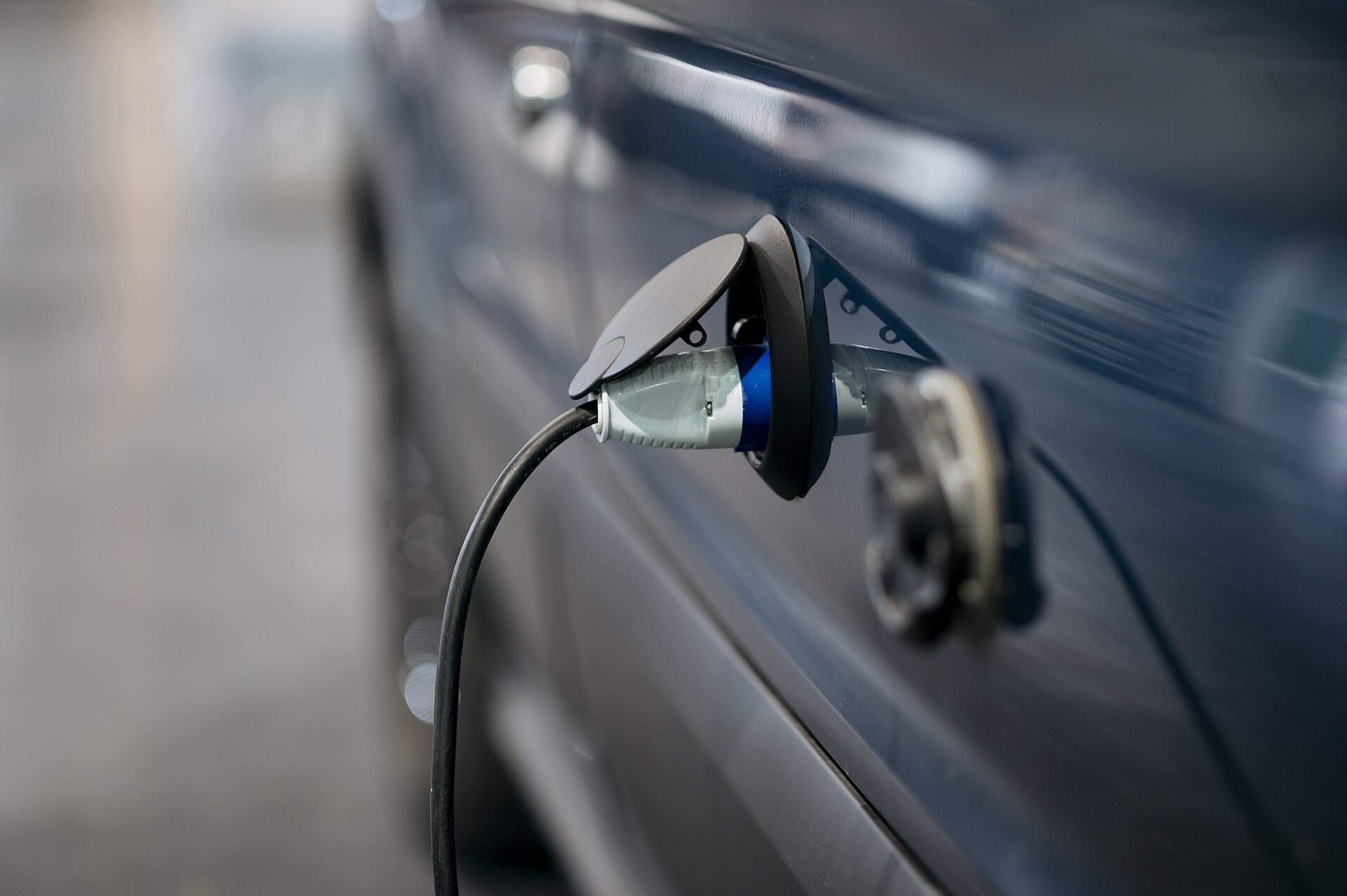
For electric vehicles, preconditioning the battery and cabin while plugged in does a similar job; see our guide to home EV chargers.
The short version
- A snow brush long enough for your roof and a good ice scraper; clear the whole car.
- An emergency kit: warmth, light, a shovel, traction aids, a jump starter, water, food and first aid.
- If stranded, stay with the car and keep the exhaust clear.
- Winter tyres and a healthy battery.
- In very cold places, a block heater on a timer.
- Also consider winter wiper blades and winter-rated washer fluid.
Bloiq is reader-supported. Some links may earn us a commission; it never affects what we write. How we make money.
Cover photo: Santeri Viinamäki, CC BY-SA 4.0, via Wikimedia Commons