Car covers guide: indoor vs outdoor, materials, fit and paint care
How indoor and outdoor car covers differ, which materials breathe and which trap moisture, why fit matters, and the situations in which a cover can damage paint.
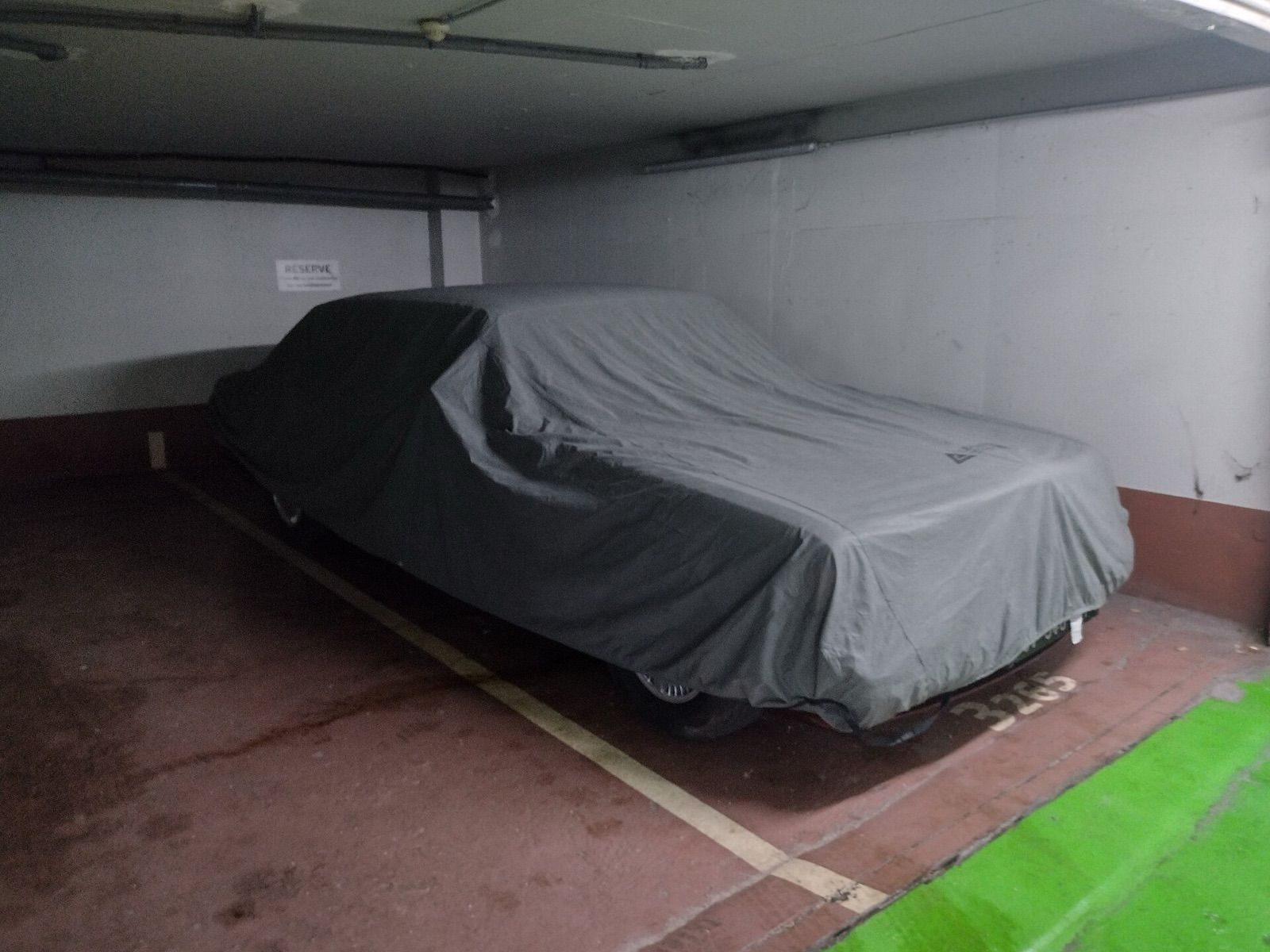
A good car cover keeps dust, sun, bird droppings and tree sap off your paint, whether the car lives in a garage or on the drive. A poor one, or a good one used in the wrong way, can do the opposite: trapping moisture, scuffing the clear coat or flapping in the wind until the finish is dulled. This guide explains the main types, what to look for in materials and fit, and how to avoid damaging the car you're trying to protect.
Indoor or outdoor?
The first decision is where the car will be kept, because indoor and outdoor covers solve different problems.
Indoor covers protect against dust, light scratches, curious pets and the odd knock in a garage. They're usually soft, stretchy or fleece-lined, and highly breathable. They offer little resistance to rain or sun and shouldn't be used outside.
Outdoor covers must deal with ultraviolet light, rain, snow, bird droppings, sap, wind and temperature swings. They're heavier, often multi-layered and treated to resist UV and water. The best balance water resistance with breathability, so moisture that gets underneath can escape.
| Indoor | Outdoor | |
|---|---|---|
| Main threats | Dust, scratches, bumps | Sun, rain, snow, droppings, sap, wind |
| Typical materials | Stretch fabrics, cotton blends, fleece-lined fabrics | Multi-layer non-woven polypropylene, coated polyester, solution-dyed fabrics |
| Water resistance | Low | Moderate to high |
| Breathability | High | Should still be good |
| Weight and bulk | Light | Heavier, bulkier to store |
Materials: why breathability matters
It's tempting to think a fully waterproof cover is best. In practice, a cover that doesn't breathe, such as a plain plastic or PVC sheet, traps moisture from rain that gets under the edges, from condensation as temperatures change, and from a car put away damp. Held against the body for days, that moisture can encourage mould and mildew, cloud or blister paint, and speed up rust on vulnerable areas.
Good outdoor covers use materials that shed most liquid water while letting water vapour escape. Look for:
- Breathable, water-resistant fabric rather than a waterproof sheet.
- UV resistance, since sunlight degrades cheap fabrics and can leave them brittle within a season or two.
- A soft inner lining where the fabric touches the paint.
- Reinforced seams and edges, which is where covers usually fail first.
In very sunny climates, lighter or reflective outer surfaces help keep the car cooler. In snowy climates, a thicker cover makes clearing snow easier, though a cover weighed down by ice is heavy and awkward to remove.
Fit: universal, semi-custom and custom
- Universal covers are sized by overall length and sometimes body style. They're the most widely available but fit loosely.
- Semi-custom covers are cut for a class of vehicle, such as a mid-size saloon or compact SUV, and fit better.
- Custom covers are patterned for a specific model, with mirror pockets and a close, tailored shape.
Fit matters for more than looks. A loose cover flaps in the wind, and constant movement against the paint gradually scuffs the clear coat, particularly if any grit is present. It can also fill like a sail and pull free. Whichever type you choose, look for:
- Elastic hems front and rear that tuck under the bumpers;
- Straps or a belly strap that run under the car to hold the cover down in wind;
- Grommets for a cable lock, which deter casual theft of the cover;
- Mirror pockets and allowance for aerials, roof rails or rear spoilers if your car has them.
Measure the car's length, width and height, and check the maker's sizing chart rather than guessing.
When a cover can harm paint
Most cover-related damage comes down to a few avoidable situations:
- Covering a dirty car. Dust and grit trapped under the fabric act like fine sandpaper as the cover shifts. Cover a clean car, or at least one without a gritty film; this matters most outdoors.
- Wind movement. A loose or poorly secured cover rubs the paint every time the wind blows.
- Trapped moisture. Covering a wet car, or using a non-breathable cover, holds water against the body.
- Freshly applied paint. New paint after bodywork needs time to cure. Ask the body shop how long to wait before covering the car.
- A hot engine or exhaust. Let the car cool before covering it; hot parts can damage or melt some fabrics.
- Frozen covers. A cover frozen to the car can tear, or drag ice across the paint, if yanked off. Let it thaw.
- A dirty inner lining. Dirt picked up when a cover is dropped on the ground ends up on the paint next time.
For convertibles with soft tops, a breathable cover is especially important, since fabric roofs hold moisture.
Putting it on and taking it off
- Start at the front, hook the elastic under the bumper, then unroll the cover towards the rear. Remove it the same way in reverse.
- Fold or roll the outer surface inwards, so the dirty side never touches the lining.
- Don't drag the cover across the body; lift it.
- Store it in its bag, off the ground.
- Wash or clean it according to the care label; some can be laundered, others should only be hosed and air-dried.
Alternatives and extras
- Carports and garages remain the most effective protection if available.
- Padded or hail covers offer some protection from hail; ordinary covers offer very little.
- Windscreen covers stop frost forming on the glass and save scraping on winter mornings.
- Car-park and street rules. Some condominium, landlord or local rules restrict car covers in shared or on-street parking; check before you rely on one.
If you're covering a car for long-term storage, a battery maintainer helps it start again when you return; see our guide to car battery chargers and maintainers. For winter, our winter car kit checklist covers what else to have on hand.
The short version
- Choose indoor or outdoor based on where the car lives.
- Outdoors, pick breathable, water-resistant, UV-resistant fabric, not a waterproof sheet.
- Get the best fit you can, with straps to stop flapping.
- Only cover a clean, dry, cool car.
- Fold the cover outside-in and keep the lining clean.
Bloiq is reader-supported. Some links may earn us a commission; it never affects what we write. How we make money.
Cover photo: Mathious Ier, CC0, via Wikimedia Commons