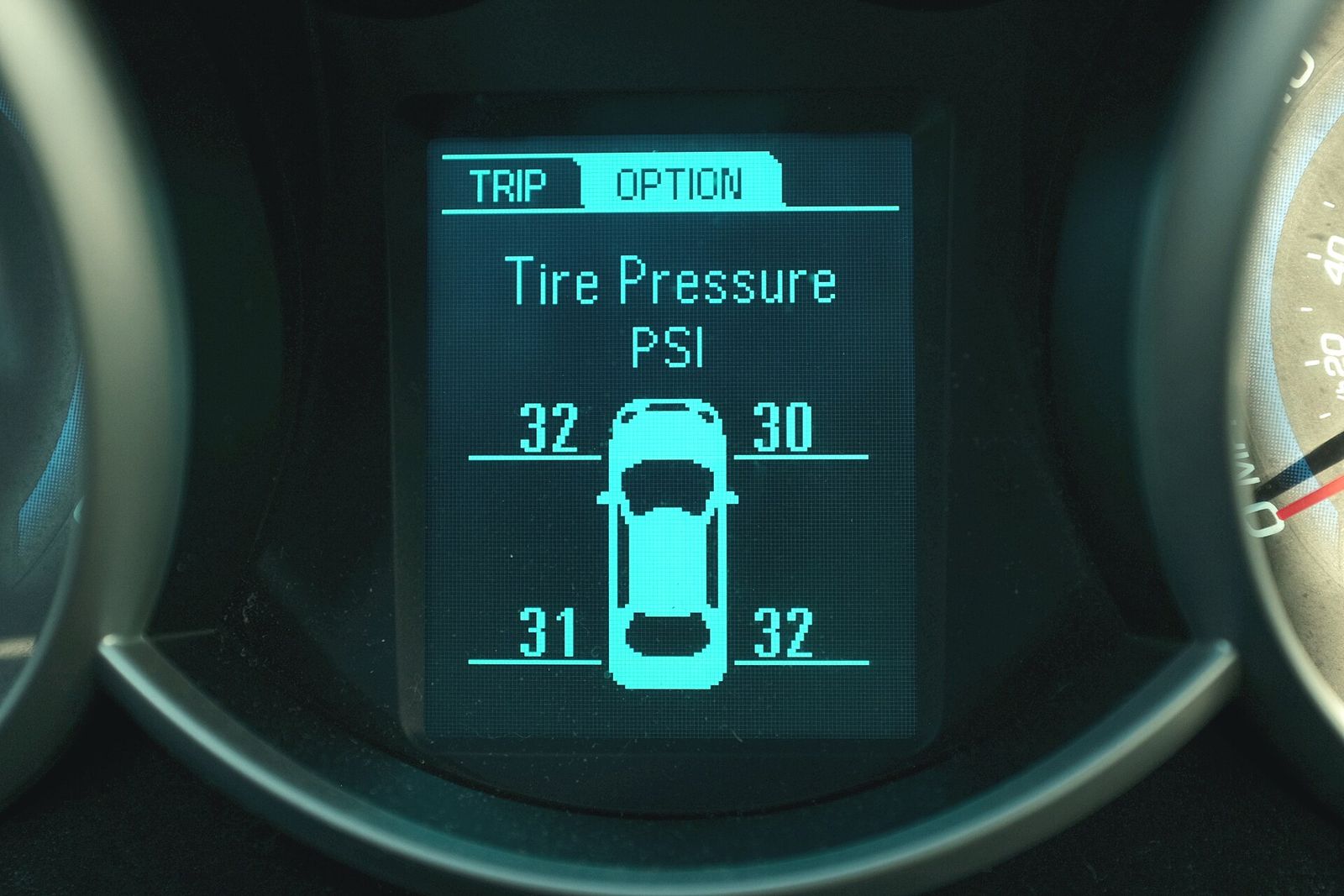
Used car inspection checklist: what to check before you buy
A step-by-step used car checklist: paperwork and history reports, the walk-around, under the bonnet, the cabin, the test drive, and the red flags that mean walk away.
A used car can be excellent value, but sellers know their car far better than you do, and a short viewing makes it easy to miss what matters. You don't need to be a mechanic to spot most warning signs: you need a system, good light and the patience to check things in order. This checklist walks through a viewing from first phone call to test drive, and explains when to bring in a professional.
Before you go
Do some homework before you see the car:
- Research the model. Owner forums and reliability surveys show which engines, gearboxes and years have known weak points, and which big jobs (a timing belt, a clutch) come due at certain mileages.
- Ask the seller questions by phone or message: how long they've owned it, why they're selling, whether it's had accidents, whether service records exist, and whether the ownership document is in their name.
- Ask to see it cold. Ask that the engine isn't run before you arrive. A warm engine can hide starting problems, smoke and noises.
- View in daylight and dry weather. Rain and dim light hide dents, scratches and mismatched paint.
- Bring: a torch, kitchen roll or a rag, a tread depth gauge, a friend, your phone for photos and notes, and if you have one, an OBD2 scanner.
Paperwork and history reports
Start with the documents, because a problem here makes everything else irrelevant.
- VIN: the 17-character vehicle identification number should match on the dashboard plate (visible through the windscreen), the label on the driver's door frame and the registration or ownership document. If they don't match, walk away.
- Ownership: the seller's name and address should match the document. Be wary of anyone selling "for a friend".
- Service history: look for regular oil changes and receipts for major work. Gaps aren't automatically bad, but ask about them.
- Odometer: the mileage should fit the service records and the wear on the steering wheel, pedals and driver's seat.
Vehicle history reports compile records from registration authorities, insurers, auctions and some service shops. Depending on the country and provider, they can show reported accidents, insurance write-offs, salvage or rebuilt status, odometer readings at past inspections, the number of owners, theft records and outstanding finance or liens. They're worth checking, but they only contain what was reported, so a clean report isn't proof of a clean car. Also run the VIN through your country's official recall database to see whether any safety recalls are still open.
Some places require private sellers to provide particular documents, a safety certificate or an emissions test. Check the current rules where you live.
The walk-around
Walk slowly around the car, then crouch and look along each side.
- Accident repairs: uneven gaps between panels, slightly different paint shades, paint overspray on rubber seals or trim, and ripples in the reflection along a side.
- Rust: wheel arches, sills, door bottoms, the boot floor and anywhere underneath you can see. Light surface rust is common on older cars; bubbling paint, flaking metal or holes are more serious.
- Glass and lights: chips or cracks in the windscreen, and cracked or misted light lenses.
- Tyres: check tread depth across each tyre, uneven wear on the inner or outer edges (which can point to alignment or suspension problems), cracks in the sidewalls and their age. The last four digits of the DOT code give the week and year of manufacture. Legal minimum tread depths vary, and many tyre-safety bodies advise replacing tyres well before reaching them. Our guide to all-season, all-weather and winter tyres explains the types.
- Suspension: push down firmly on each corner. The car should rise and settle; repeated bouncing suggests worn shock absorbers.
- The ground: look for fresh drips where the car has been parked.
Under the bonnet
Check with the engine cold and switched off. Never open a hot radiator or coolant cap.
- Engine oil: the level should be between the marks on the dipstick. A milky, mayonnaise-like residue under the filler cap can mean coolant is mixing with oil, a potentially serious fault, though short winter trips can leave a little condensation. Our guide to motor oil covers grades and intervals.
- Coolant: the level should be between the marks in the expansion tank, with no oily film.
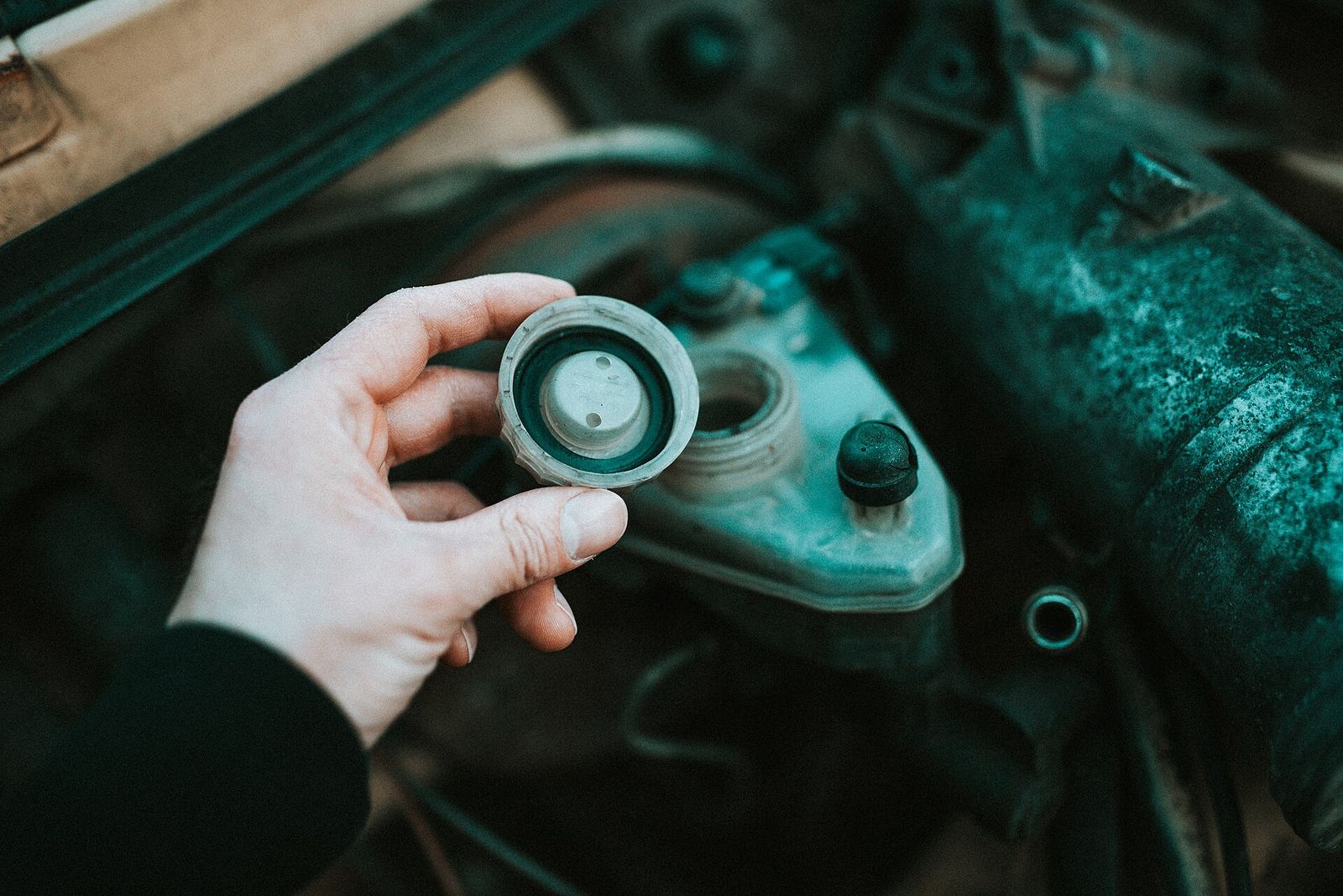
- Brake fluid: at the correct level; very dark fluid suggests it's overdue for a change.
- Belts and hoses: look for cracks, fraying, bulges or soft, swollen hoses.
- Battery: corrosion on the terminals, and the date if it's marked. See our guide to car batteries.
- Leaks: oily residue around the engine and gearbox. An older engine bay that has been freshly steam-cleaned can be hiding leaks, so it's fair to ask why.
Inside the car
- Smell: damp or mustiness can mean water leaks or flood damage. Heavy air freshener may be covering something.
- Flood signs: damp carpets, silt or tide marks, and rust on seat rails or under the seats.
- Warning lights: when you turn the ignition on, the dashboard warning lights should come on briefly and then go out once the engine starts. A light that never comes on at all may have been disabled.
- Test everything: windows, locks, mirrors, wipers, horn, lights, heater, air conditioning (it should blow properly cold), demisters, seat adjusters, sunroof and infotainment.
- Seat belts: they should pull out smoothly and lock when tugged sharply.
- Extras: both keys, the spare wheel or inflation kit, the jack, and any locking wheel nut key.
The test drive
Make sure you're insured to drive the car, and plan at least 20 to 30 minutes on a mix of slow streets, a faster road and, ideally, a rough surface.
- The cold start: listen for rattles or knocks as it starts. Exhaust smoke matters: blue suggests burning oil, thick white smoke that doesn't clear can mean coolant is being burned (a little white vapour on a cold day is normal), and black smoke points to the engine running rich.
- Steering: the car should run straight with a light grip, with no vibration through the wheel. Clicking on full lock when turning can mean worn driveshaft joints.
- Brakes: firm pedal, straight stops, no grinding, and no pulsing through the pedal. See our guide to brake pads.
- Gearbox: in a manual, gear changes should be smooth, and a clutch that bites very high or slips under acceleration may be worn. In an automatic, shifts should be smooth, with no delay or thump when selecting drive or reverse.
- Engine: smooth acceleration with no hesitation, and the temperature gauge steady in its normal range.
- Afterwards: let it idle, then look under the bonnet and the car again for leaks, smoke or burning smells.
Electric and hybrid cars need a few extra checks: ask for a battery health report from a dealer or specialist, test charging with the cable that comes with the car, and check the charging port for damage.
Rule of thumb: walk away from any seller who won't let you see the car cold, in daylight, with its documents, or who refuses an independent inspection. A good car survives scrutiny.
Scan tools and a professional inspection
A plug-in scanner can show stored and pending fault codes. It also shows readiness monitors, the car's self-tests; if many show "not ready", the codes may have been cleared recently, possibly to hide a fault.
For any car that's a significant purchase, a pre-purchase inspection by an independent mechanic is worth arranging. They can put the car on a lift, check the underside, brakes and suspension properly, and spot problems specific to that model. Choose the mechanic yourself, not one the seller suggests.
Red flags and closing the deal
- Pressure to decide quickly, or a request for a deposit before you've seen the car.
- A meeting place that isn't the address on the documents, such as a car park.
- A VIN mismatch, a seller who isn't the registered owner, or missing documents.
- A story that changes between the advert, the phone call and the viewing.
Use anything you find to negotiate, or to walk away. When you buy, get a written bill of sale with the date, VIN, mileage and both parties' names and signatures, and follow the local rules for transferring registration and insurance.
The short checklist
- Documents: VIN matches everywhere, seller is the owner, history report and recalls checked.
- Outside: panel gaps, paint, rust, glass, tyres, suspension, drips.
- Bonnet: oil, coolant, brake fluid, belts, hoses, battery, leaks.
- Inside: smells, flood signs, warning lights, every switch and seat belt.
- Drive: cold start, smoke, steering, brakes, gearbox, temperature.
- Then: a scan for codes and an independent inspection before you pay.
Bloiq is reader-supported. Some links may earn us a commission; it never affects what we write. How we make money.
Cover photo: Shixart1985, CC BY 2.0, via Wikimedia Commons