Portable jump starters: peak amps, battery types and safe use
What peak and cranking amps really mean, lithium versus lead-acid jump packs, matching a starter to your engine, and the safety features worth insisting on.
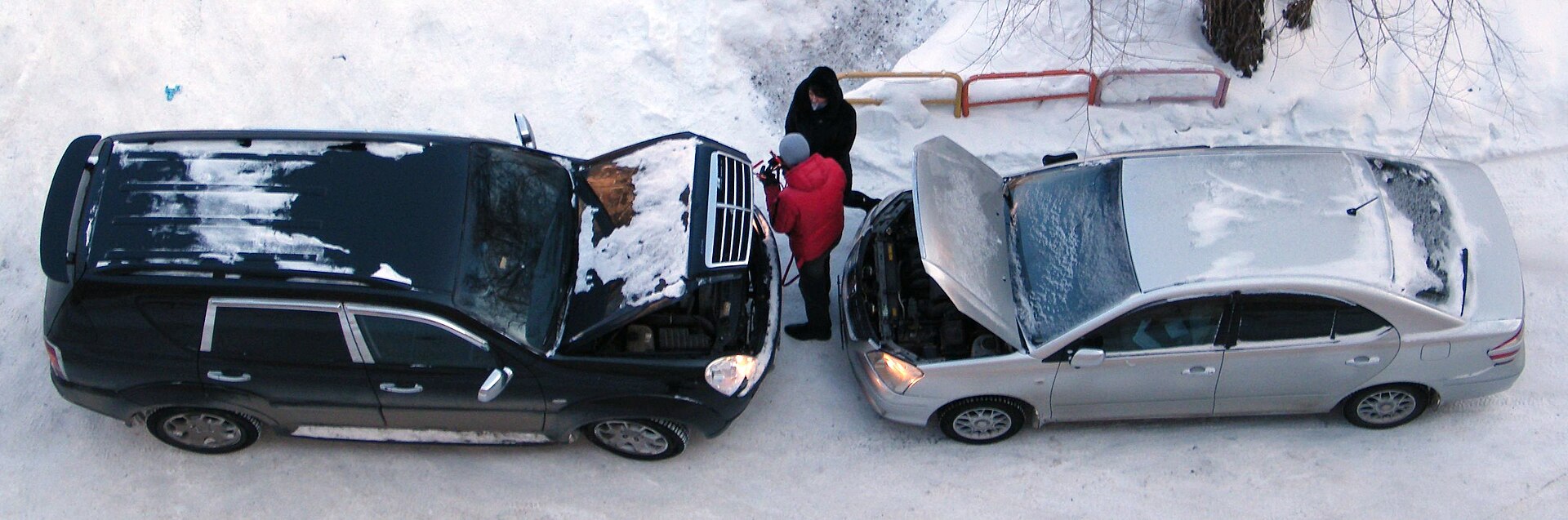
A flat battery used to mean waiting for a second car and a set of booster cables. A portable jump starter lets you start the engine on your own, and the smallest ones now fit in a glovebox. The boxes are covered in big amp figures that are hard to compare, though, and the wrong choice can leave you stranded on the coldest morning of the year. This guide explains what the numbers mean, how the battery types differ and how to use one safely.
What a jump starter does (and doesn't do)
A jump starter is a portable battery that can deliver a very large current for a few seconds, enough to turn the starter motor when the car's own battery can't. Once the engine is running, the car's alternator takes over.
It is not a battery charger. A few seconds of boost doesn't recharge a flat battery, and a short drive afterwards may not either, especially in winter with the heater, lights and demister all running. If you need a jump more than once, the battery may be worn out or something may be draining it while the car is parked. A proper charger, or a test at a garage, is the next step; see our guide to car battery chargers and maintainers.
Peak amps versus cranking amps
The largest number on the box is usually peak amps: the maximum current the pack can deliver for a tiny fraction of a second. There's no common standard for measuring it, so a 2,000 A figure from one maker isn't directly comparable with another's. It says little about whether the unit will start your car.
More useful figures, when they're given:
- Cranking amps (CA): current delivered for a sustained period at around 0°C (32°F). The term comes from car-battery ratings, where it means current held for 30 seconds without the voltage falling too far.
- Cold cranking amps (CCA): the same idea at about −18°C (0°F), which matters in a Canadian winter.
- Joules or energy ratings: some makers quote the energy delivered over the first few seconds. Again there's no shared standard, so use it to compare models within a brand's range.
In practice, the engine-size guidance the manufacturer gives is often the most honest figure on the box, because it reflects what the maker is prepared to stand behind.
Matching the starter to your engine
Bigger engines, diesels and cold weather all demand more current. Diesels need more because of their high compression, and cold thickens engine oil and cuts a battery's output at the same time.
| Vehicle | What to look for |
|---|---|
| Small petrol car or motorcycle | A compact unit rated for small engines is usually enough |
| Mid-size petrol car or small SUV | A unit whose stated petrol limit comfortably exceeds your engine size |
| Large petrol V6/V8, pickup or van | A higher-rated unit; check the stated limit for your engine size |
| Diesel of any size | Use the maker's separate diesel rating, which is always lower than the petrol one |
| Trucks, boats or equipment on 24 V | A unit with a specific 24 V mode; most are 12 V only |
Rule of thumb: choose a unit rated for a larger engine than yours, especially if you live somewhere with hard winters or drive a diesel. Headroom costs little and matters most on the day you need it.
Lithium versus lead-acid jump packs
Lithium packs (lithium-ion, lithium-polymer or, in some larger units, lithium iron phosphate) dominate the market.
- Small and light; many fit in a glovebox or door pocket.
- Hold their charge for months, so they're ready when needed.
- Often double as a power bank for phones, with USB-C charging.
- Performance falls in deep cold, and lithium cells shouldn't be charged below freezing. Many makers suggest keeping the pack in the cabin or bringing it indoors rather than leaving it in the boot all winter.
- High heat shortens their life. Check the maker's storage temperature range before leaving one in a car parked in summer sun.
Lead-acid packs (usually sealed AGM batteries in a larger case) are the traditional type.
- Heavier and bulkier, but often deliver strong current for longer, useful for repeated attempts or large engines.
- Generally tolerate cold better than lithium.
- Lose charge faster in storage, and a lead-acid battery left discharged is permanently damaged, so they need regular top-ups.
- Larger units often include an air compressor, work lights and a 12 V socket.
Safety features worth having
Connecting clamps the wrong way round on a car battery can damage electronics or cause sparks near a battery that may be venting hydrogen. Good jump starters include:
- Reverse-polarity protection, which refuses to send current if the clamps are on the wrong terminals;
- Short-circuit protection, in case the clamps touch;
- Spark-proof clamps, which only become live once connected correctly;
- Over-current, over-heat and over-charge protection inside the pack;
- Low-voltage detection, often with an indicator showing the clamps are connected correctly.
Many units won't output current if they can't detect a battery at all, which happens with a completely flat battery. A manual override or "boost" button bypasses that check, and with it some of the protection, so read the instructions before using it and double-check the connections first.
Also look at the clamps themselves: solid jaws, strong springs and cables long enough to reach both terminals, or a remote grounding point, on your car.
Using a jump starter safely
Always follow the instructions for both your jump starter and your vehicle; many owner's manuals include a jump-starting procedure and some cars have dedicated jump points under the bonnet. The general sequence is:
- Turn off the ignition, lights and accessories. Make sure the jump starter is off.
- Check the battery. Don't jump a battery that is cracked, leaking, swollen or frozen.
- Connect the red clamp to the positive (+) terminal.
- Connect the black clamp to an unpainted metal grounding point on the engine or chassis, away from the battery, unless the instructions say otherwise.
- Switch on the jump starter and try to start the car. Keep each attempt to the few seconds the maker allows, with a rest between attempts.
- Once the engine is running, switch off the pack and remove the black clamp first, then the red.
Wear eye protection if you have it, keep sparks and flames away from the battery, and keep your face back from it while connecting. On hybrids and electric vehicles, a jump starter is only for the 12 V auxiliary battery; follow the owner's manual closely, as the connection points may be in an unexpected place.
Other things to check
- Charge indicator: a clear percentage or bar display helps you avoid discovering a flat jump starter at the worst moment.
- Recharging routine: top it up every few months and before winter. Our winter car kit checklist is a good reminder.
- Extras: a torch, USB outputs and, on larger units, a compressor. Useful, but don't pay for extras at the cost of starting power.
- Flying with one: lithium jump starters are subject to airline rules on lithium batteries, and larger ones may not be allowed at all. Check with the airline before you pack one.
- Size and storage: a unit that is easy to keep in the car is more useful than a more powerful one left in the garage.
For keeping phones and small devices charged, a dedicated power bank is usually a better tool; a jump starter's USB ports are a handy extra, not a replacement.
The short version
- Ignore peak amps; compare the maker's engine-size ratings, including the diesel figure if relevant.
- Buy headroom, especially for cold climates, large engines and diesels.
- Lithium for compact, low-maintenance storage; lead-acid for bulk power and cold tolerance, if you'll keep it charged.
- Insist on reverse-polarity and short-circuit protection and spark-proof clamps.
- Treat repeated flat batteries as a warning sign: charge or test the battery.
Bloiq is reader-supported. Some links may earn us a commission; it never affects what we write. How we make money.
Cover photo: Andshel, CC BY-SA 4.0, via Wikimedia Commons