Ladder types explained: stepladders, extension ladders and duty ratings
Stepladders, extension and multi-position ladders compared, what duty ratings and materials mean, how to size a ladder, and how to stay safe near power lines.
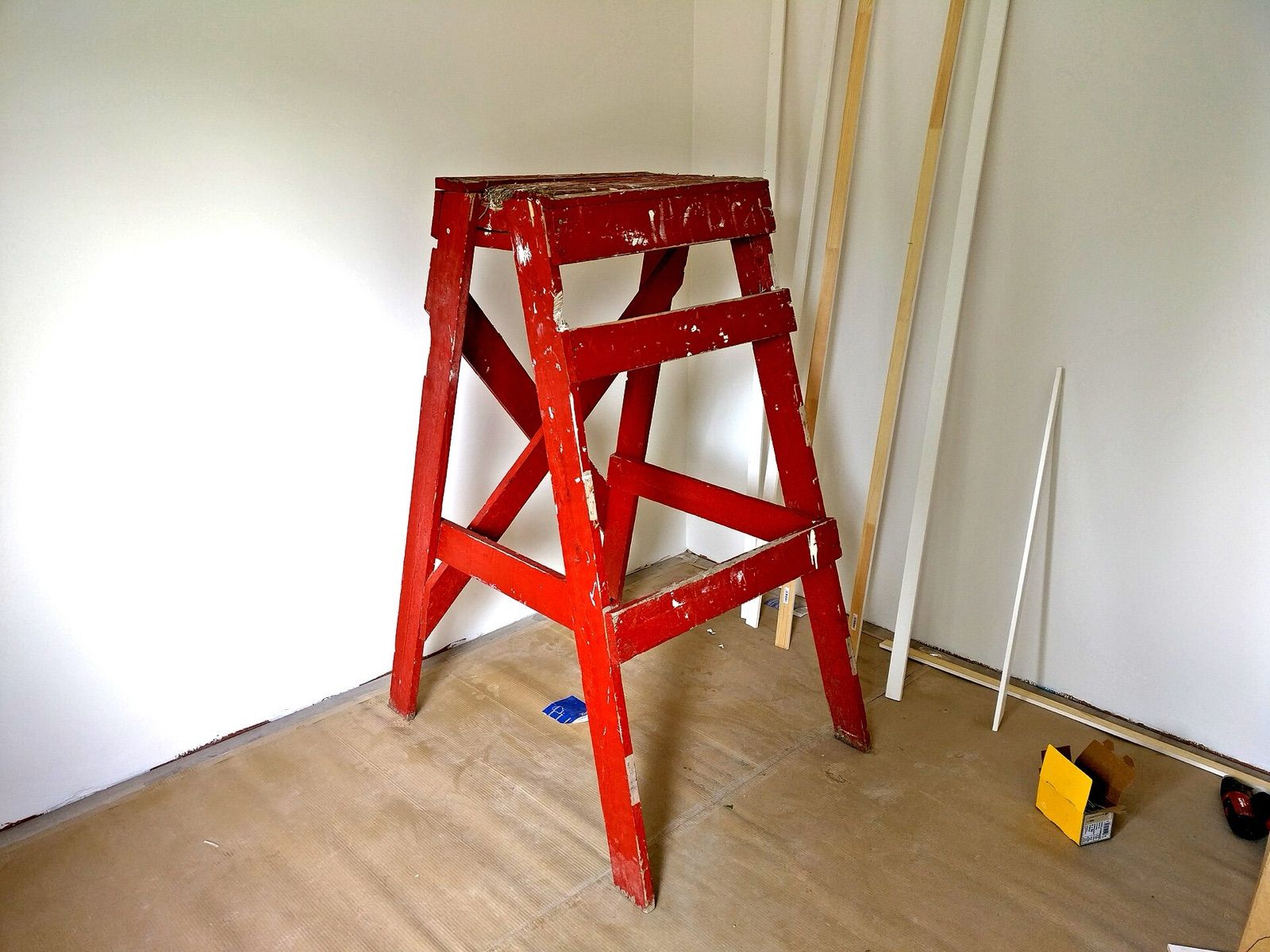
Falls from ladders are among the most common causes of serious injury at home, and many happen with the wrong ladder for the job: too short, not rated for the load, or used in a way it wasn't designed for. Choosing well means matching the type, height, duty rating and material to what you'll actually do. This guide explains the options and the safety rules that matter most.
Ladder types at a glance
| Type | How it stands | Best for | Limitations |
|---|---|---|---|
| Step stool | Self-supporting, very low | Reaching high shelves, indoor jobs | Very limited height |
| Stepladder | Self-supporting A-frame | Painting rooms, changing light fittings, indoor work | Shouldn't be leaned against a wall |
| Platform ladder | A-frame with a standing platform and guardrail | Longer jobs at one height | Bulkier |
| Extension ladder | Leans against a wall or structure | Gutters, roofs, exterior walls | Needs a secure top support and correct angle |
| Multi-position (articulating) | Hinged; converts to A-frame, extension, stair and scaffold modes | Versatility, stairwells | Heavy; hinges and locks must be set correctly |
| Telescoping | Sections slide out and lock | Compact storage, occasional use | Locks must be fully engaged; check the rating |
| Combination ladder | Works as a stepladder or a short extension ladder | Homes wanting one ladder for most jobs | Compromises in each mode |
Many households end up with a stepladder for indoors and an extension or multi-position ladder for outside.
Duty ratings: how much a ladder can carry
A ladder's rating is its maximum safe load: you plus your clothing, tools and any materials you carry. That total can be well above your body weight.
In North America, ladders are commonly rated using categories from ANSI standards in the US and CSA standards in Canada:
| Rating (ANSI type / CSA grade) | Maximum load |
|---|---|
| Type III / Grade 3 (light duty) | 200 lb (about 90 kg) |
| Type II / Grade 2 (medium duty) | 225 lb (about 102 kg) |
| Type I / Grade 1 (heavy duty) | 250 lb (about 113 kg) |
| Type IA / Grade 1A (extra heavy duty) | 300 lb (about 136 kg) |
| Type IAA / Grade 1AA (special duty) | 375 lb (about 170 kg) |
In the UK and Europe, ladders are tested to the EN 131 standard. Current versions rate ladders to a maximum load of 150 kg and distinguish professional from non-professional use, with more demanding durability tests for professional ladders.
Look for the rating label on the ladder itself, and choose a rating that covers your weight plus tools with a margin to spare.
Materials: aluminium, fibreglass or wood
- Aluminium is light, weather-resistant and usually the least expensive. It conducts electricity, so it's the wrong choice for any electrical work or anywhere near power lines.
- Fibreglass is non-conductive when clean and dry, making it the standard choice for electricians. It's heavier than aluminium. Prolonged sun exposure can degrade the surface, so store it out of direct sunlight.
- Wood is non-conductive when dry and clean, but it can absorb moisture, and dirt or damp reduces its insulation. It's heavy and needs inspection for cracks, rot and loose rungs. Don't paint wooden ladders with opaque paint, as it can hide defects; a clear finish is the usual advice.
Choosing the right height
Stepladders are sold by their overall height. You shouldn't stand on the top cap, and most labels also forbid standing on the step just below it. A common guideline is that your maximum safe reach is roughly the ladder's height plus about 1.2 m (4 ft), assuming average height and reach, but check the manufacturer's label.
Extension ladders are sold by their total length, but the sections overlap, so the working length is shorter. Two rules decide the length you need:
- It should extend at least 1 m (3 ft) above the edge you're stepping onto, such as a roof, so you have something to hold.
- It should be set at about a 75-degree angle.
The 4-to-1 rule: for every 4 units of height to the point where the ladder rests, place the foot 1 unit out from the wall. A ladder resting 4 m up the wall should have its feet about 1 m out.
If you'd need to stand on the top few rungs to reach, the ladder is too short.
Using a ladder safely
- Inspect before each use: look for bent or cracked rails, loose rungs, missing feet and damaged locks.
- Set up on firm, level ground. Use levellers made for the ladder on uneven ground, never bricks or boxes.
- Open stepladders fully and lock the spreaders. Don't use a folded stepladder as a leaning ladder.
- Secure extension ladders at the top where possible, or have someone foot the ladder, and use a stand-off (stabiliser) to keep it clear of gutters.
- Keep three points of contact: two feet and a hand, or two hands and a foot.
- Face the ladder when climbing and keep your belt buckle between the rails. Don't overreach; move the ladder instead.
- Carry tools in a belt or haul them up, not in your hands.
- Only one person on a ladder unless it's designed for more.
- Don't place a ladder in front of an unlocked door, and keep children and pets clear.
- Avoid ladders in strong wind, rain or when tired.
Some jobs are safer without climbing at all. Many gutters and upper walls can be cleaned from the ground with extension wands, and operating a pressure washer from a ladder is risky because the recoil can push you off balance; see our guide to pressure washers. For painting at height, our guide to paint sprayers covers equipment and technique.
Electrical safety and power lines
Contact with overhead power lines is one of the deadliest ladder accidents, and it often happens while moving or raising an extension ladder.
- Look up before you set up, and before carrying a raised ladder anywhere.
- Keep the ladder and yourself well away from overhead lines. Safety guidance commonly calls for at least 3 m (10 ft), and more for higher-voltage lines; check your local utility's advice.
- Use a fibreglass ladder for electrical work, and remember that dirt, damp or wet weather can make even fibreglass or wood conductive.
- Switch off power at the breaker before working on light fittings or wiring.
If a job involves working near power lines, call the utility or a professional.
Storage and care
- Store ladders indoors or under cover, on proper brackets, away from heat and direct sunlight.
- Keep rungs and feet clean of mud, paint and oil.
- Retire a damaged ladder rather than repairing rails or rungs yourself.
The short version
- Match the type to the job: stepladder indoors, extension or multi-position outside.
- Pick a duty rating that covers you plus tools, with a margin.
- Fibreglass for electrical work; aluminium is light but conducts.
- Size stepladders by reach, extension ladders to go 1 m (3 ft) past the landing.
- Set extension ladders at the 4-to-1 angle and secure them.
- Three points of contact, no overreaching, and look up for power lines.
Bloiq is reader-supported. Some links may earn us a commission; it never affects what we write. How we make money.
Cover photo: Santeri Viinamäki, CC BY-SA 4.0, via Wikimedia Commons