Wood routers explained: fixed, plunge and trim routers, collets and bits
How fixed-base, plunge and trim routers differ, what power, speed and collet size mean, which bits to start with, and the safety rules for routing.
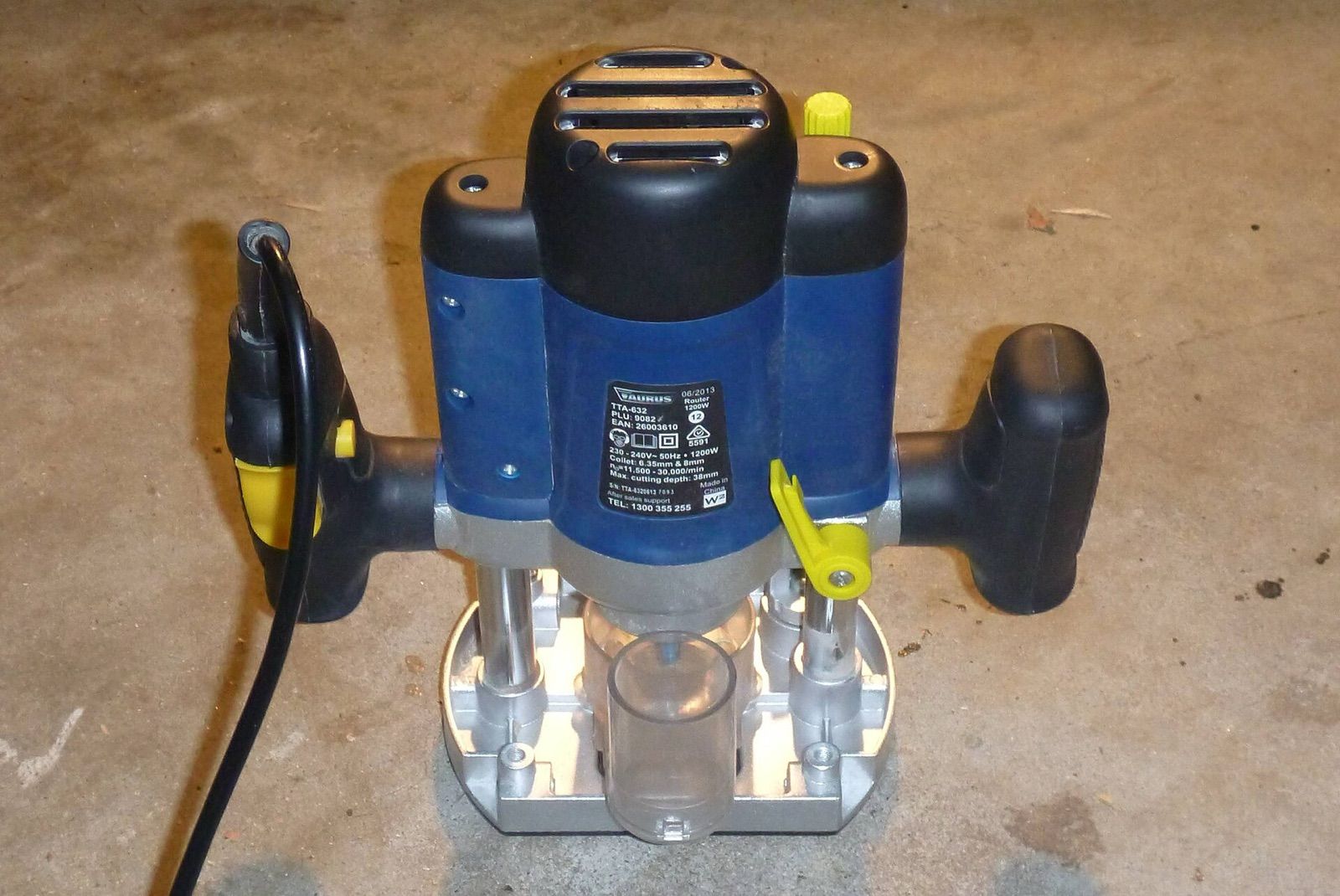
A router is one of the most versatile tools in woodworking: it shapes decorative edges, cuts grooves and rebates, trims one piece to match another and makes joints. It's also a high-speed tool that demands respect. This guide explains the three main types of router, what the specifications mean, which bits are worth owning first and how to use a router safely.
Router types at a glance
| Type | How depth is set | Best for | Typical collet |
|---|---|---|---|
| Fixed-base | Motor locked at a set depth before cutting | Edge profiles, router tables, repeat work | 1/4 in and 1/2 in, or 6/8/12 mm |
| Plunge | Motor slides down on springs to a preset stop | Grooves, mortises, stopped cuts, inlays, templates | 1/4 in and 1/2 in, or 6/8/12 mm |
| Trim (compact, palm) | Usually fixed; some kits add a plunge base | Roundovers, laminate trimming, small profiles, hinges | 1/4 in or 6/8 mm |
Many routers are sold as combination kits: one motor with both a fixed and a plunge base. That's a flexible way to start.
Fixed-base routers
On a fixed-base router, you set the bit depth before switching on, and it stays there. The motor sits low in the base, so the tool feels stable and predictable.
Fixed bases are good for:
- Edge profiles such as roundovers, chamfers and ogees, where the bit's bearing runs along the edge.
- Router-table use, where the router hangs upside down beneath a table. Many fixed bases allow depth adjustment from above the table.
- Repeated cuts at the same depth.
The limitation is that you can't start a cut in the middle of a board without tipping the router into the wood, which is awkward and risky.
Plunge routers
A plunge router's motor rides on spring-loaded columns. You place the base flat on the workpiece, switch on, and push the bit down to a depth stop. A turret stop with several steps lets you cut deep grooves in stages.
Plunge routers are best for:
- Stopped grooves and dados that don't run the full length of a board.
- Mortises for mortise-and-tenon joints.
- Inlays and template work with guide bushings.
- Keyhole slots and other cuts in the middle of a panel.
They tend to be taller and slightly less stable on narrow edges than fixed-base routers.
Trim routers
Trim routers, also called compact or palm routers, are small enough to use one-handed. Originally designed for trimming plastic laminate on worktops, they're now popular for:
- Roundovers and small chamfers on furniture edges.
- Hinge mortises with a jig.
- Small inlays and sign work with a plunge base.
- Flush-trimming veneer and edge banding.
They usually take only smaller-shank bits, so they aren't suited to large profiles or heavy stock removal. For many DIYers, a trim router is the most-used router in the shop.
Power and speed
Router power is often quoted in horsepower (in North America) or watts (elsewhere). As a rough guide:
- Trim routers are the least powerful.
- Mid-size routers, roughly 1.5 to 2.25 hp, cover most handheld work.
- Large routers, around 3 hp and up, are mainly used in router tables for big bits such as panel-raising cutters.
Variable speed is important. Small bits cut cleanly at high speed, but large-diameter bits must run slower, because their outer edge travels much faster. Every bit maker publishes a maximum speed; never exceed it. Soft start eases the jolt when the motor spins up, and electronic speed control keeps speed steady under load.
Cordless routers are now common, particularly trim routers, and suit lighter work well.
Collets and shank sizes
The collet is the sleeve that grips the bit's shank. Routers usually come with one or two collets.
- In North America, shanks are mainly 1/4 in and 1/2 in.
- In the UK and Europe, 6 mm, 8 mm and 12 mm are common, alongside 1/4 in and 1/2 in.
Never mix imperial and metric: a 1/4 in shank is about 6.35 mm, close to 6 mm but not the same, and a mismatched collet won't grip safely.
Half-inch (or 12 mm) shanks are stiffer, vibrate less and are the better choice for larger bits. Buy a router with a 1/2 in collet if you think you'll ever use a router table.
Collet rule of thumb: insert the shank most of the way in, at least about three-quarters of its length, then pull it back a millimetre or two so it doesn't bottom out. Tighten firmly, and keep collets clean.
Choosing your first bits
Bits come in high-speed steel, carbide-tipped and solid carbide. Carbide-tipped bits stay sharp far longer and are the usual choice for hardwoods and man-made boards.
Useful first bits:
- Straight bits in a couple of diameters for grooves, dados and rebates.
- Roundover bit with a bearing, the most common edge profile.
- Chamfer bit for a crisp 45-degree edge.
- Flush-trim bit (bearing at the tip) to trim one piece exactly to another or to a template.
- Pattern bit (bearing at the shank) for template work from above.
- Rebate (rabbet) bit with interchangeable bearings for different widths.
Spiral bits (up-cut, down-cut and compression) give cleaner cuts in plywood and deep grooves. Large bit sets look like good value, but a few quality bits you'll actually use are often a better start.
Feed direction and technique
Feeding in the right direction keeps the router under control.
- A handheld router's bit spins clockwise when viewed from above. When routing an outside edge, move the router anticlockwise around the workpiece; on an inside edge, such as a frame opening, move clockwise.
- On a router table, where the bit spins the other way when seen from above, feed the workpiece from right to left past the fence.
- Feeding the wrong way (a climb cut) lets the bit grab and pull the router or workpiece.
- Take several shallow passes for deep cuts rather than one heavy pass.
- Clamp the workpiece securely, or use a non-slip routing mat for light work. A solid bench helps; see our guide to workbenches and vises.
Router safety
- Unplug the router or remove the battery before changing bits or adjusting the base.
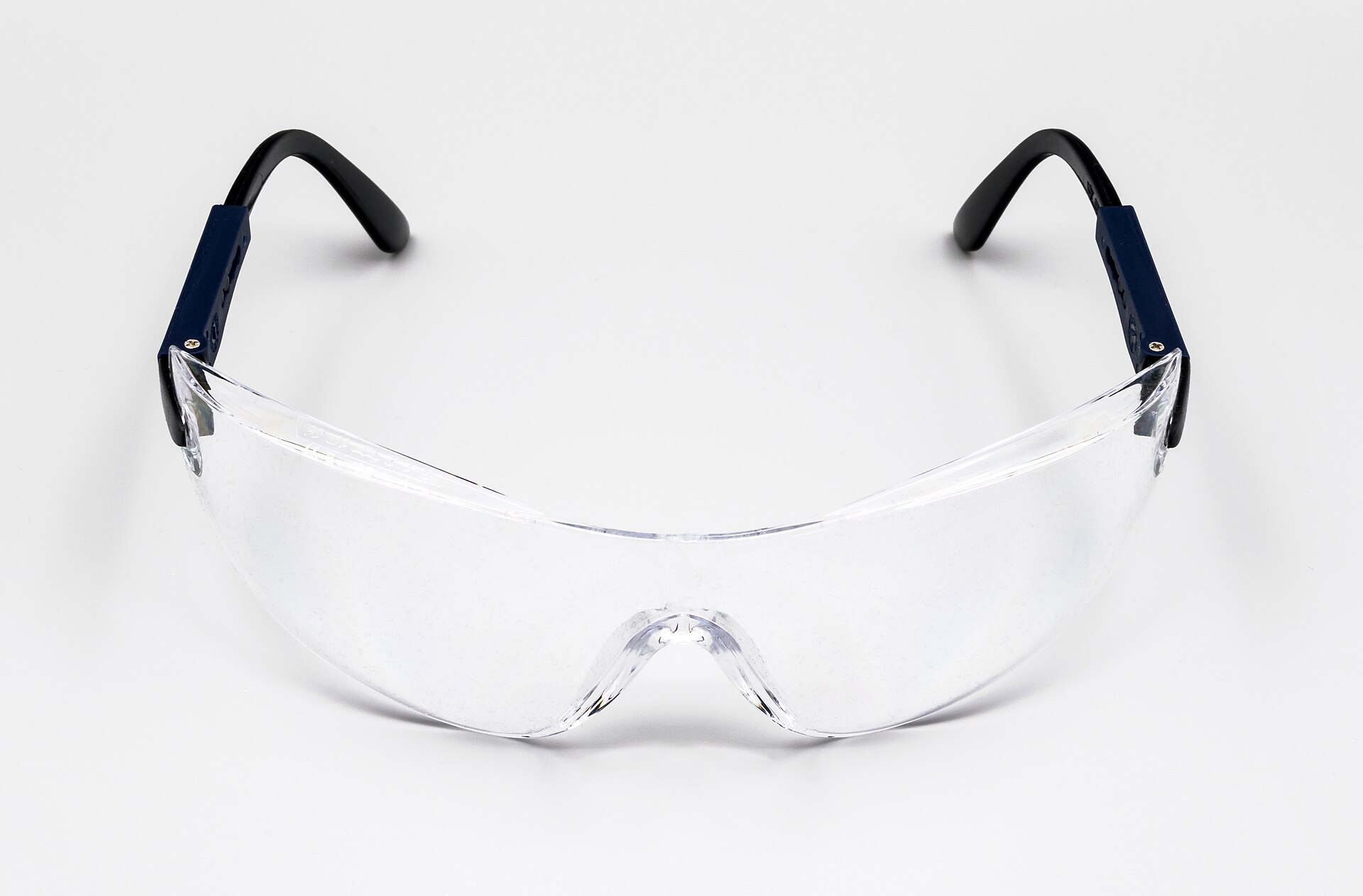
- Wear eye and hearing protection. Routers are loud and throw chips.
- Use dust extraction and a respirator for MDF and long sessions; router dust is very fine.
- Keep both hands on the handles and let the bit stop fully before lifting the router.
- On a router table, use the fence, featherboards and push blocks, and use large bits only in a table at the correct speed.
- Check bits for chipped carbide, cracks or damaged bearings before use.
If you're choosing other power tools too, see our guide to drills and impact drivers.
The short version
- Fixed-base for edges and router tables; plunge for grooves, mortises and templates.
- A trim router handles most small edge work and is easy to control.
- A combination kit gives you both bases with one motor.
- Look for variable speed and a 1/2 in (or 12 mm) collet for bigger bits.
- Don't mix imperial and metric shanks and collets.
- Start with a few carbide-tipped bits.
- Feed against the bit's rotation, take shallow passes and unplug before bit changes.
Bloiq is reader-supported. Some links may earn us a commission; it never affects what we write. How we make money.
Cover photo: AussieLegend, Public domain, via Wikimedia Commons