Portable generators: inverter vs conventional, sizing and CO safety
Inverter versus conventional generators, running and starting watts, fuel choices, transfer switches and the carbon monoxide rules that keep households safe.
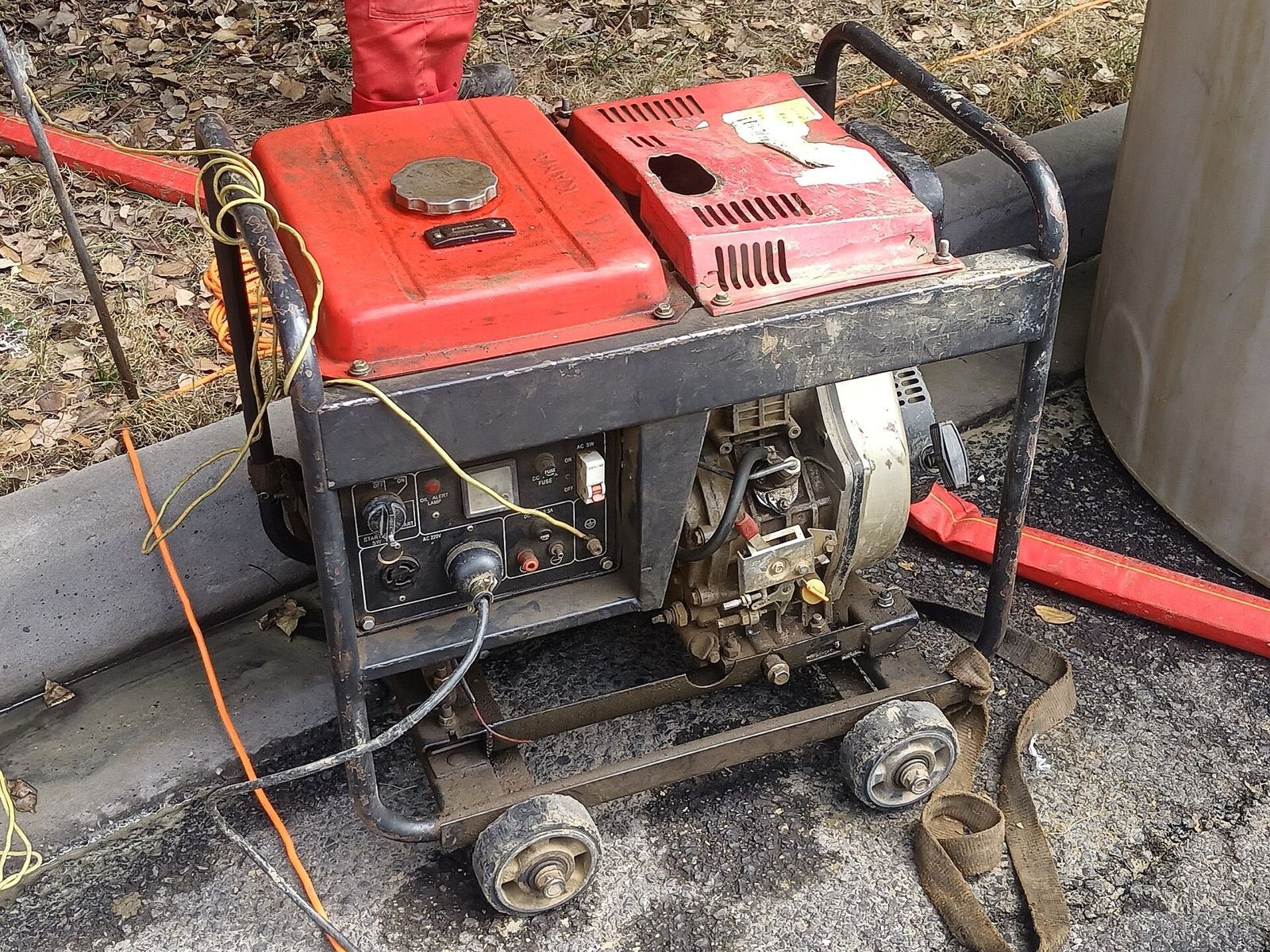
A portable generator can keep a fridge, sump pump, furnace fan and a few lights running through a power cut, or power tools where there's no outlet. Choosing one means understanding the difference between inverter and conventional designs, sizing it to your real loads, picking a fuel and deciding how to connect it safely. Above all, it means understanding carbon monoxide, which makes generators one of the most dangerous tools a household can own if they're used in the wrong place.
Carbon monoxide: the rule that comes first
Generator exhaust contains carbon monoxide (CO), a colourless, odourless gas that can kill within minutes at high concentrations. Many generator deaths happen during power cuts, when people run them in garages, basements or sheds, or near open windows.
Never run a generator indoors, including in a garage (even with the door open), basement, crawl space, shed or enclosed porch. Place it outdoors, at least 6 m (20 ft) from the house, with the exhaust pointing away from doors, windows and vents.
- Install CO alarms on every level of your home and outside sleeping areas, with battery power or battery backup so they work during a power cut.
- Know the symptoms: headache, dizziness, nausea, weakness, confusion and sleepiness. If you suspect CO poisoning, get everyone into fresh air immediately and call emergency services.
- Some newer generators have CO-sensing automatic shut-off. It's a valuable feature, but it doesn't make indoor use safe.
Inverter or conventional?
| Conventional (open-frame) | Inverter | |
|---|---|---|
| How it works | Engine runs at a fixed speed to produce AC directly | Produces AC, converts it to DC, then back to clean AC electronically |
| Engine speed | Constant | Varies with load in "eco" mode |
| Noise | Louder | Usually much quieter |
| Fuel use at light load | Higher | Lower |
| Power quality | Adequate for tools and motors; some models less stable | Stable voltage and frequency, low distortion |
| Weight for the output | Heavier | Lighter and often enclosed |
| Output range | Common in higher outputs | Common in smaller sizes; larger models exist |
| Paralleling | Rarely | Many can link two units for more power |
Conventional generators give more watts for the money and suit construction sites, well pumps and whole-circuit backup via a transfer switch. Many include automatic voltage regulation (AVR) for steadier output.
Inverter generators are the usual choice for camping, RVs, sensitive electronics and neighbourhoods where noise matters. Their quieter operation and fuel efficiency come at a higher price per watt.
Running watts and starting watts
Generators have two ratings:
- Running (rated) watts: what the generator can supply continuously.
- Starting (surge or peak) watts: a higher output it can supply for a few seconds.
Appliances with electric motors or compressors, such as fridges, freezers, sump and well pumps, furnace blowers and air conditioners, draw several times their running power for a moment when they start.
To size a generator:
- List what you'll run at the same time.
- Add up their running watts, using the appliance label or manual.
- Add the largest single starting surge (only one motor usually starts at a time).
- Leave some headroom, since running a generator flat out constantly isn't good for it.
Labels sometimes give amps rather than watts; multiply amps by volts for a rough wattage. For resistive loads such as kettles and space heaters, running and starting watts are about the same, but they draw a lot, so run them sparingly.
Fuel options
- Gasoline (petrol) is the most common and widely available. It degrades in storage, so use a fuel stabiliser and follow the manual on storing the generator, often by running the carburettor dry or draining it.
- Propane stores for years without degrading and burns cleaner, but usually gives somewhat less power than gasoline in the same engine, and cylinders can struggle in severe cold.
- Dual-fuel and tri-fuel models run on gasoline and propane, and some on natural gas, giving flexibility in a long outage.
- Diesel generators are efficient and durable but mostly larger and costlier.
Store fuel in approved containers, away from the house and ignition sources. Never refuel a running or hot generator; let it cool first, as spilled fuel on a hot engine can ignite.
Connecting to your home safely
There are two safe ways to use generator power:
- Heavy-duty outdoor extension cords plugged directly into the generator and run to individual appliances. Use cords rated for outdoor use and for the load, and keep connections dry.
- A transfer switch or an approved interlock kit with a power inlet, installed by a licensed electrician. This lets you power selected household circuits while isolating your home from the grid.
Never "backfeed" by plugging a generator into a wall outlet or dryer receptacle with a double-ended cord. It can energise the utility lines, endangering line workers and neighbours, and it can start a fire or damage the generator when grid power returns.
Check the generator's outlets match your plan. In North America, larger generators often have 120/240 V twist-lock outlets used with transfer switches, and some have an RV outlet. Elsewhere, output and plug types follow local standards, commonly 230 V.
Other things to compare
- Noise, usually given in dB(A) at a stated distance. Compare figures at the same distance and load.
- Run time at a stated load (often 25% or 50%) on a full tank.
- Electric start with a battery, remote start and fuel gauges.
- Wheels and handles; even small generators are heavy.
- Low-oil shut-off, which protects the engine.
- GFCI-protected outlets on the generator.
- Local rules on noise, fuel storage and permitted installation.
Keep the generator dry. Don't run it in rain or snow without a cover designed for the purpose, and never touch it with wet hands.
Could a power station do the job?
For small, quiet loads such as phones, laptops, lights, CPAP machines and a small fridge for a short time, a battery portable power station may be enough, with no fumes or fuel. It can run indoors, recharge from solar panels, and pair well with a generator in long outages. See our guide to portable power stations and solar panels.
Maintenance basics
- Follow the manual for oil changes, including the first one after break-in.
- Run it periodically under some load so it starts when you need it.
- Keep spare oil, a spark plug and an air filter on hand.
- If it has an electric start, keep the battery charged; our guide to battery chargers and maintainers covers keeping batteries topped up.
The short version
- Outdoors only, at least 6 m (20 ft) away, exhaust pointed away, with CO alarms inside.
- Inverter for quiet, clean power; conventional for more watts per dollar.
- Size by running watts plus the largest starting surge.
- Choose a fuel you can store: gasoline with stabiliser, propane or dual-fuel.
- Use extension cords or a professionally installed transfer switch, never backfeeding.
- Let it cool before refuelling, and keep it dry.
Bloiq is reader-supported. Some links may earn us a commission; it never affects what we write. How we make money.
Cover photo: Fumikas Sagisavas, CC0, via Wikimedia Commons

.jpg)