Tech
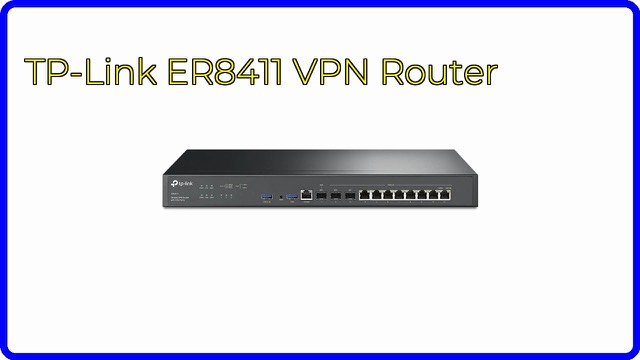
TP-Link ER8411 Omada 10G VPN Router: features, specs and who it suits
A wired Omada VPN router with two 10G SFP+ ports, up to 10 WAN ports, load balancing and a firewall. What the specs mean for a business network.
Guides to buying well and travelling well
Home / Product overviews / Tech
1,760 product overviews: what each product is, the features that matter and what to check before you buy.
A wired Omada VPN router with two 10G SFP+ ports, up to 10 WAN ports, load balancing and a firewall. What the specs mean for a business network.
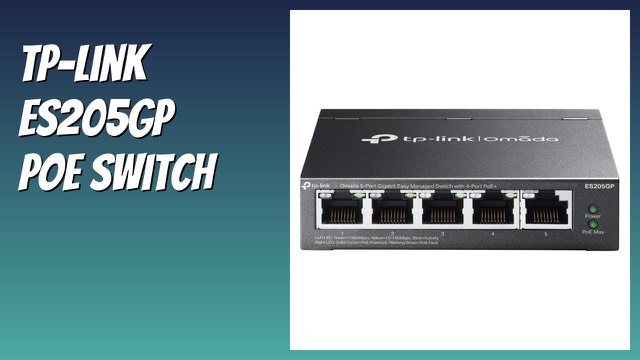
A fanless 5-port gigabit switch from TP-Link's Omada range with four PoE+ ports, a 65W total PoE power limit and cloud management. What the specs mean.
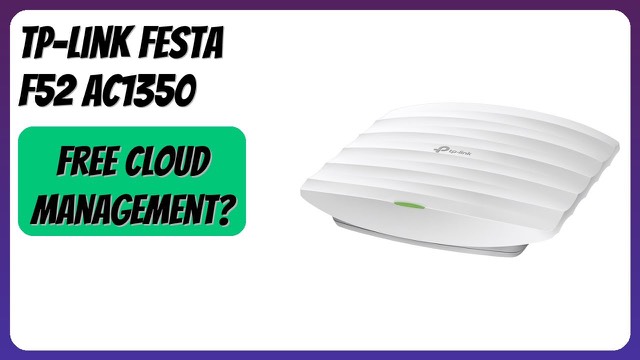
The TP-Link Festa F52 is a ceiling-mount AC1350 Wi-Fi 5 access point with MU-MIMO, a Gigabit port, PoE power and cloud management. What the specs mean.
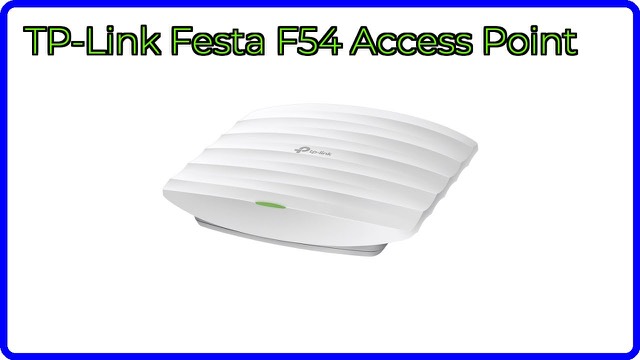
A ceiling-mount AC1750 Wi-Fi 5 access point with MU-MIMO, two Gigabit ports, PoE power and cloud management through the Festa app. What the specs mean.
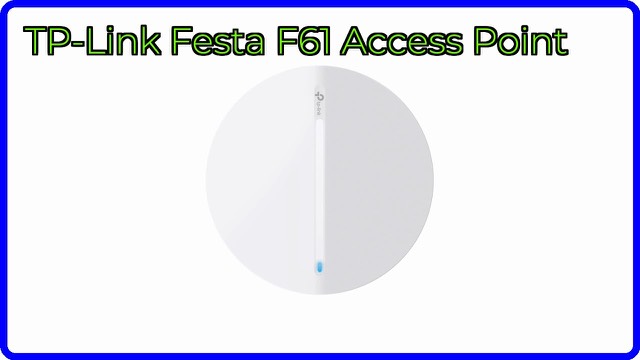
An ultra-slim AX1800 Wi-Fi 6 ceiling access point with PoE or DC power and free cloud management. What the specs mean and an important compatibility note.
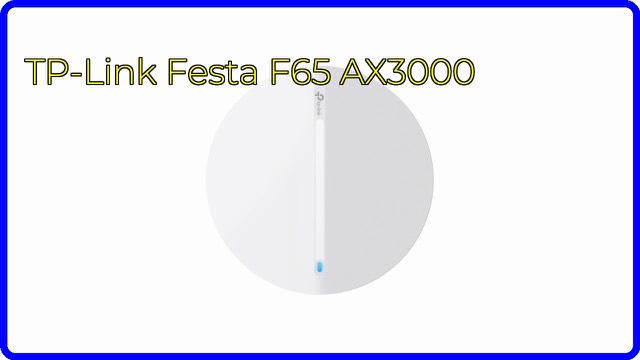
A slim ceiling-style Wi-Fi 6 AX3000 access point with PoE+ power, mesh roaming and cloud management through the Festa app. What it does and what it won't work with.
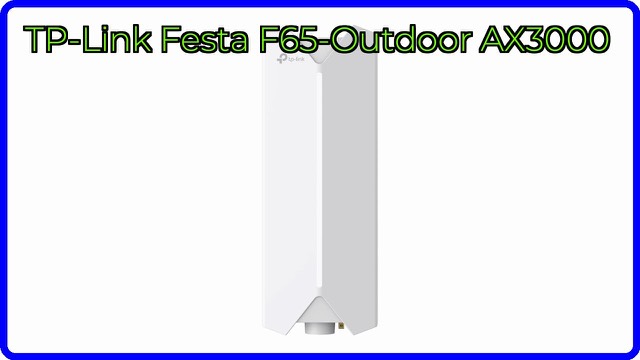
The TP-Link Festa F65-Outdoor is an IP67 Wi-Fi 6 access point with PoE+ power and cloud management. What the specs mean and its Omada limitation.
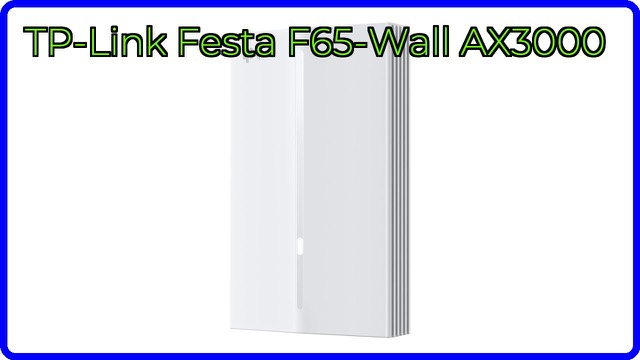
A PoE-powered in-wall Wi-Fi 6 access point with four gigabit ports and cloud management. What AX3000 means, how PoE works and one important compatibility note.
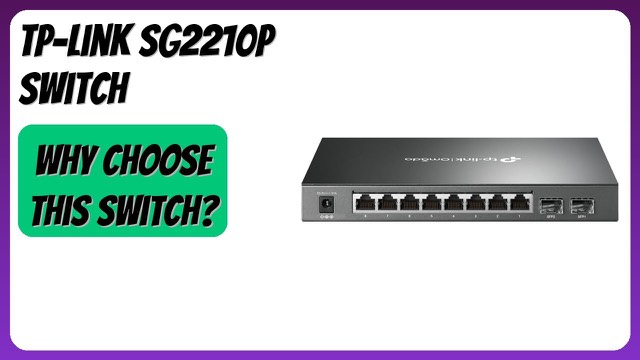
A fanless 8-port gigabit smart switch with PoE+, two SFP slots, VLAN and ACL support and web or CLI management. What the specs mean and what to check first.
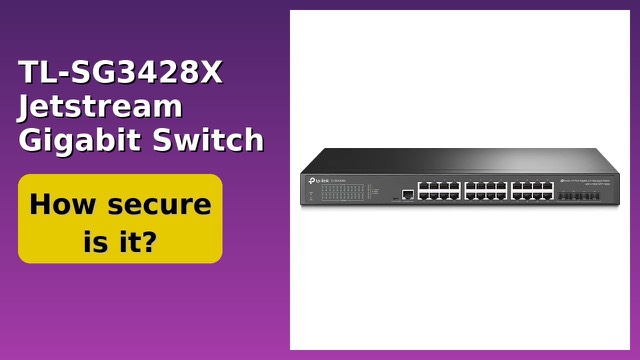
A 24-port gigabit L2+ managed switch from TP-Link with four 10G SFP+ slots and Omada SDN support. What the features mean for a small or medium network.
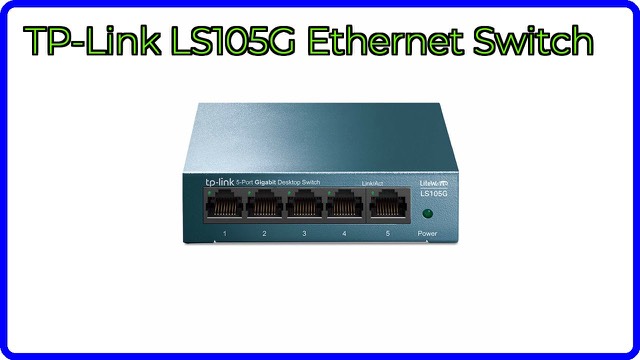
A fanless, plug-and-play unmanaged 5-port Gigabit Ethernet switch from TP-Link with a metal case and QoS support. What the specs mean and what to check.
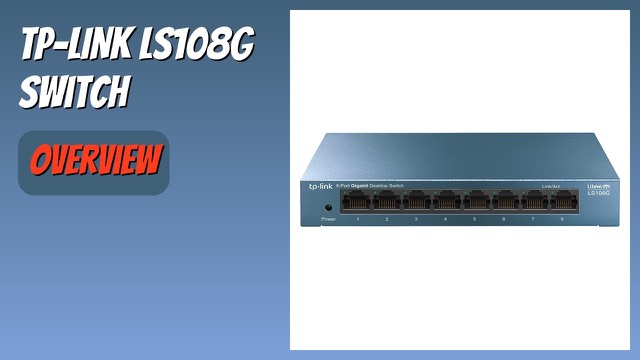
An overview of the TP-Link LS108G desktop network switch: what a switch does, what gigabit ports mean in practice, and what to check before adding one.
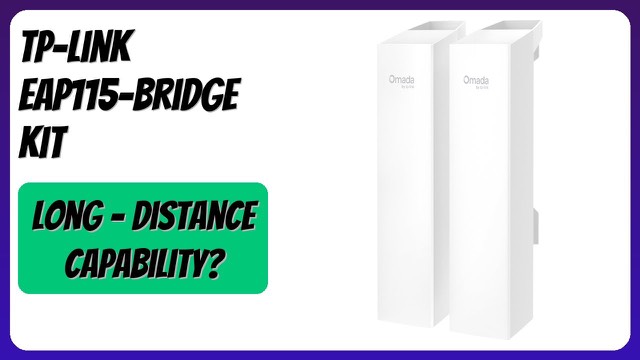
A two-unit outdoor 5GHz wireless bridge kit with 300Mbps, a 5km range, IP65 weatherproofing and PoE power. What the specs mean and what to check.
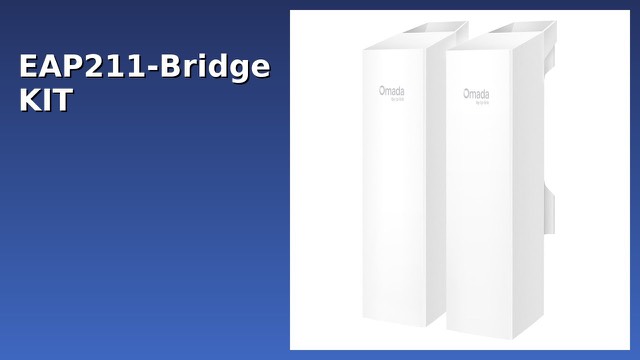
A pre-paired two-unit 5GHz outdoor wireless bridge kit with up to 867Mbps, a range of up to 1km, three Gigabit ports and an IP65 weatherproof case.
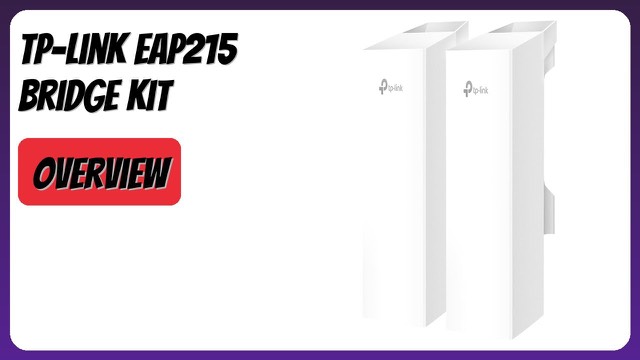
A pre-configured pair of 5 GHz outdoor access points for point-to-point links up to 5 km, with IP65 housings, PoE power and Omada management. What the specs mean.
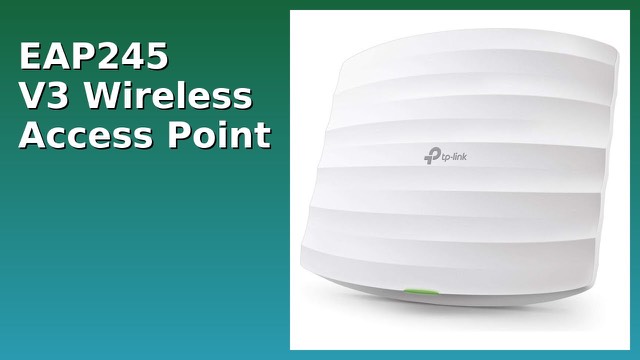
The TP-Link Omada EAP245 V3 is a dual-band AC1750 Wi-Fi access point with MU-MIMO, PoE power, mesh support and cloud management for business and multi-site networks.
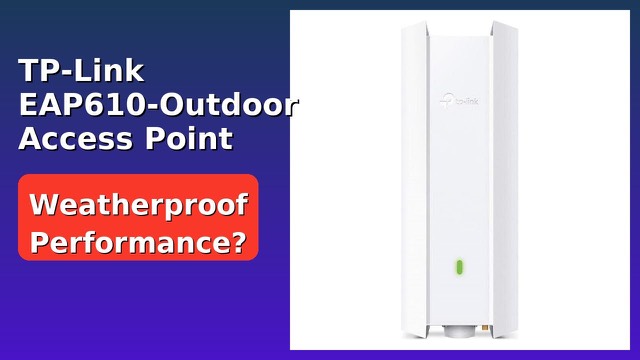
The TP-Link Omada EAP610-Outdoor is an AX1800 dual-band Wi-Fi 6 access point for indoor or outdoor use. What the AX1800 label and Omada management mean.
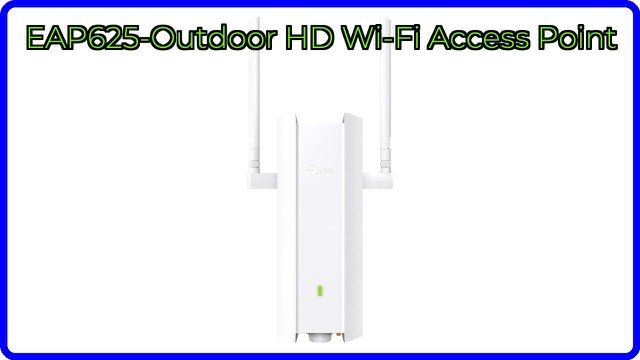
An IP67 PoE-powered Omada Wi-Fi 6 access point rated AX1800 for indoor or outdoor use. What the speeds, mesh and Omada management mean for a network.
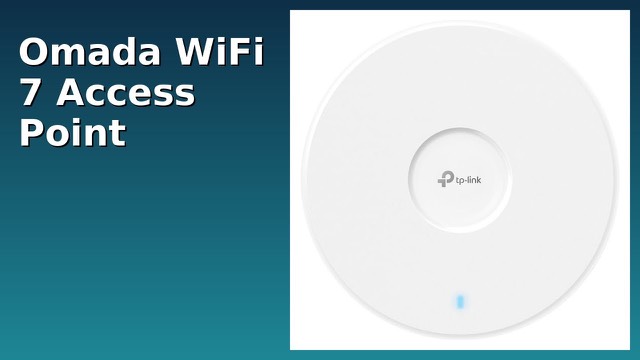
A dual-band BE5000 Wi-Fi 7 access point with a 2.5G port, PoE or DC power and Omada centralized management. What the specs mean.
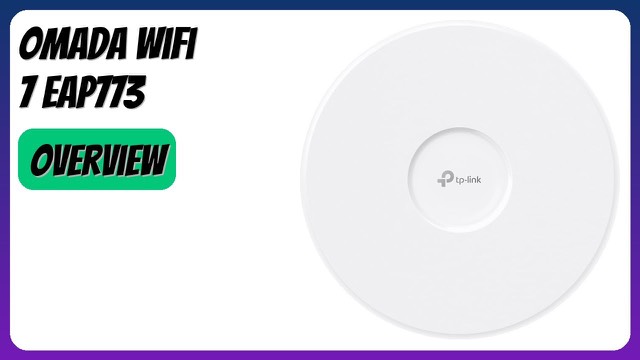
The TP-Link Omada EAP773 is a dual-band Wi-Fi 7 ceiling-style access point with a 2.5G port and PoE. What its speeds, features and management tools mean.
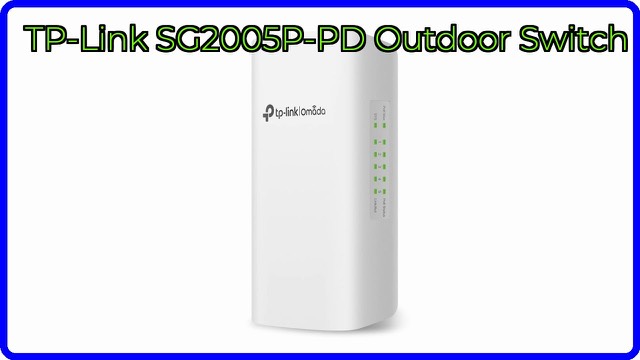
The TP-Link Omada SG2005P-PD is an IP55 outdoor five-port gigabit switch that is PoE-powered, passes power on to four devices and extends PoE to 200 m.
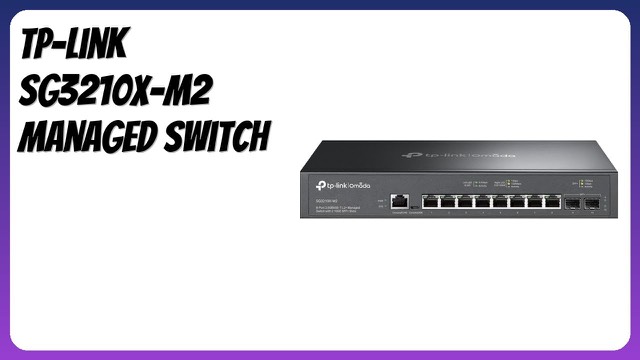
An 8-port 2.5G managed switch with two 10G SFP+ uplinks, Omada cloud management, QoS and 802.1X security. What the specs mean and what to check.
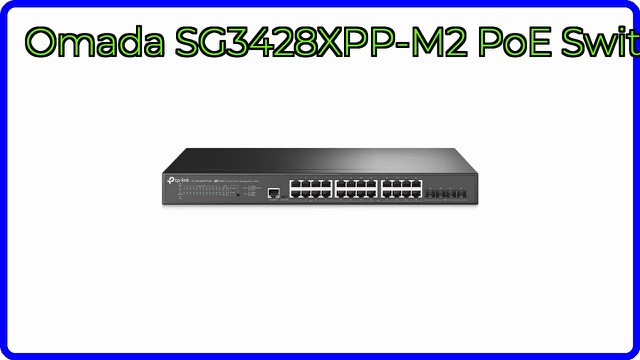
A managed switch with 24 2.5GBASE-T ports, four 10G SFP+ slots and 500W of PoE power for 16 PoE+ and 8 PoE++ ports. What the specs mean for a network.
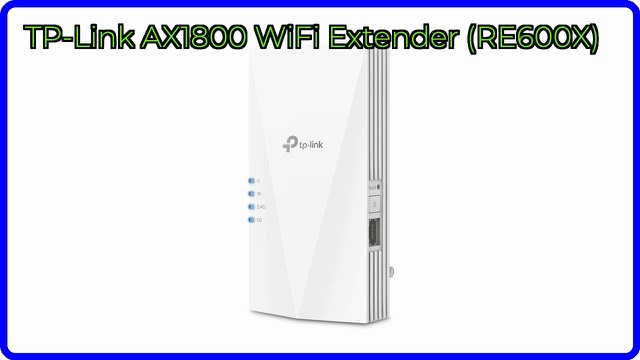
A dual-band WiFi 6 extender with speeds up to 1.8 Gbps, a gigabit Ethernet port, access point mode and OneMesh support. What the specs mean for dead zones.
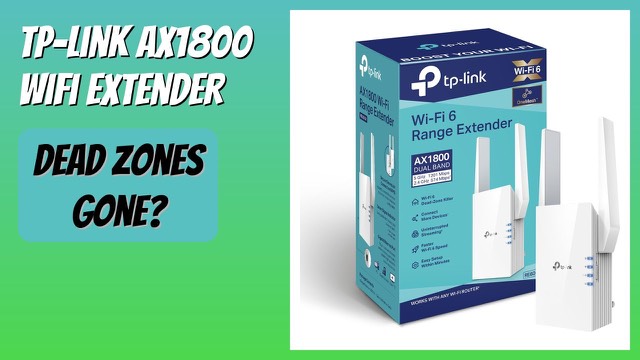
A dual-band WiFi 6 range extender rated at up to 1.8Gbps with a Gigabit port, AP mode and OneMesh support. What the specs mean and what to check.
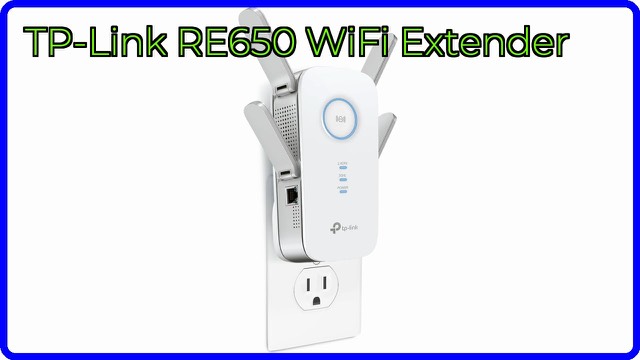
A dual-band AC2600 Wi-Fi range extender with four antennas, MU-MIMO and a Gigabit Ethernet port. What the specs mean and what to check before you set it up.
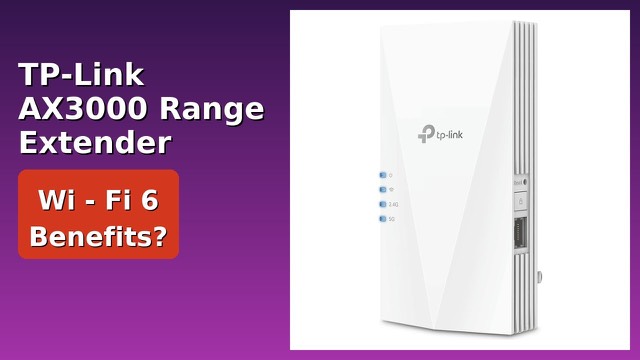
A dual-band WiFi 6 range extender with a Gigabit port, access point mode and OneMesh support. What AX3000 means and what to know about extenders.
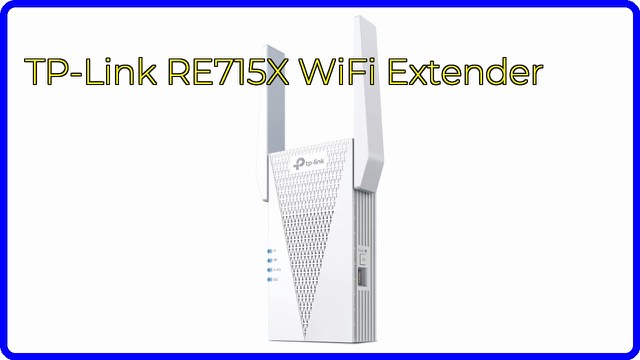
A dual-band WiFi 6 range extender rated at up to 3 Gbps, with a gigabit Ethernet port, access point mode and OneMesh support. What the specs mean.
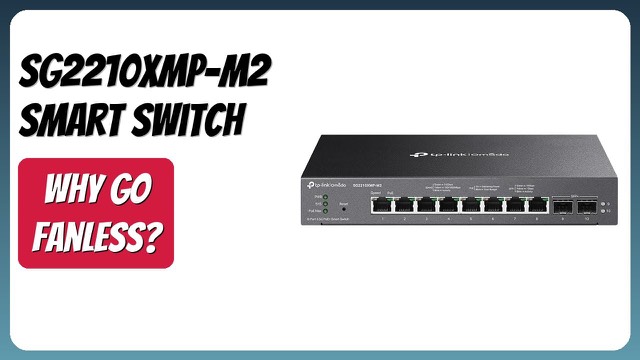
A TP-Link Omada smart switch with eight 2.5G PoE+ ports, two 10G SFP+ slots and a 160W PoE power limit. What the specs mean for WiFi 7 and WiFi 6 access points.
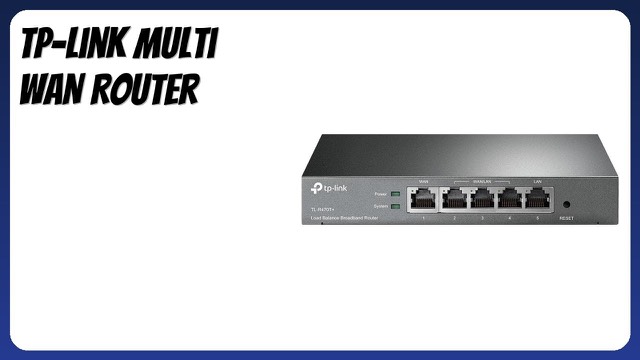
A compact TP-Link router that supports up to four WAN ports with load balancing, PPPoE server, DoS protection and lightning protection for small offices.
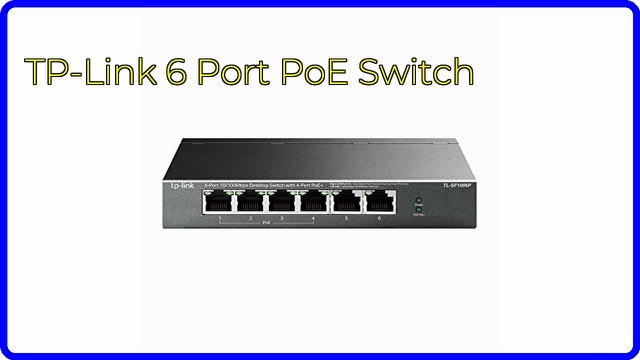
A compact desktop switch with six Fast Ethernet ports, four of them PoE+ with 67W of PoE power, plus Extend and Priority modes. What the specs mean in practice.
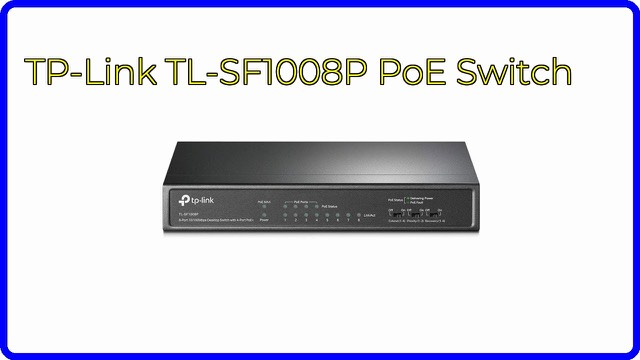
The TP-Link TL-SF1008P is a fanless 8-port 10/100Mbps desktop switch with four PoE ports, Extend and Priority modes and a PoE auto-recovery button. What the specs mean.
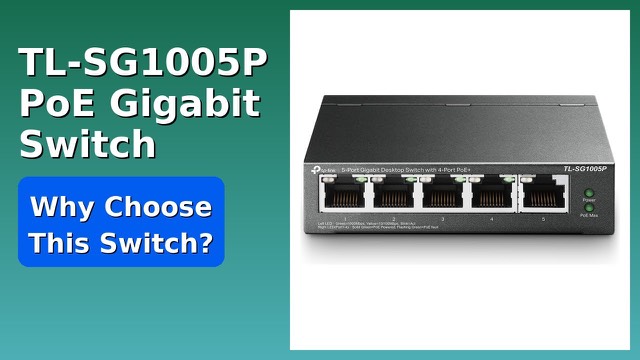
A compact fanless five-port Gigabit switch with four PoE+ ports and 65W of PoE power. What PoE+, QoS and IGMP snooping mean and what to check first.
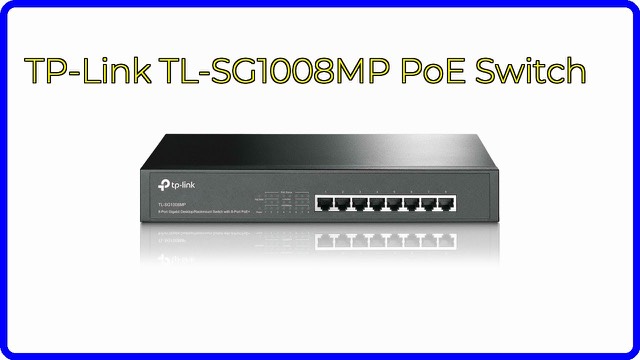
An unmanaged 8-port Gigabit switch where every port supplies PoE+ power. What the PoE power limit, port priority and rackmount design mean for a small network.
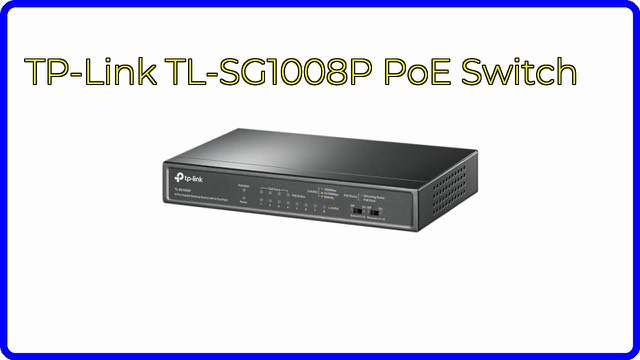
A fanless desktop switch with eight Gigabit ports, four of them PoE+ sharing 64W, plus QoS and IGMP snooping. What the specs mean and what to check.
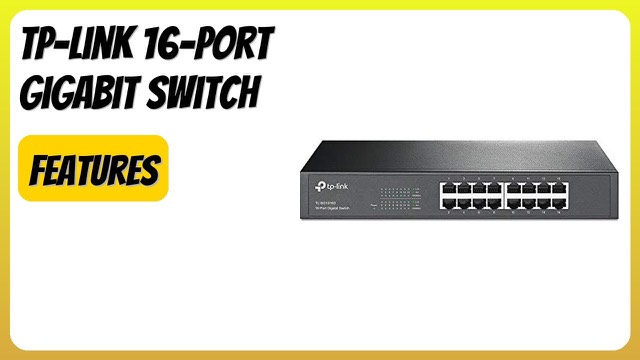
An unmanaged 16-port Gigabit Ethernet switch in a fanless metal case for desktop or rack use. What auto-negotiation, jumbo frames and the 32Gbps figure mean.
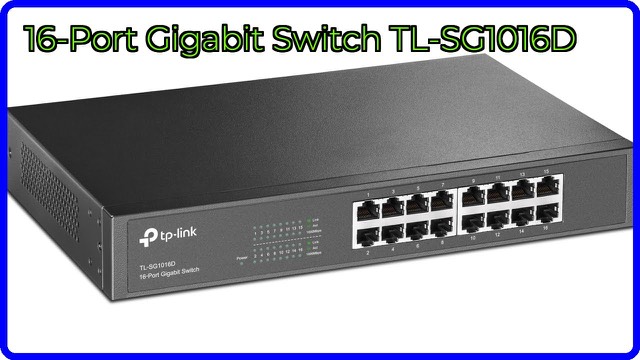
The TP-Link TL-SG1016D is a 16-port gigabit unmanaged desktop switch with a metal case, auto MDI/MDIX and energy-saving technology. What the specs mean.
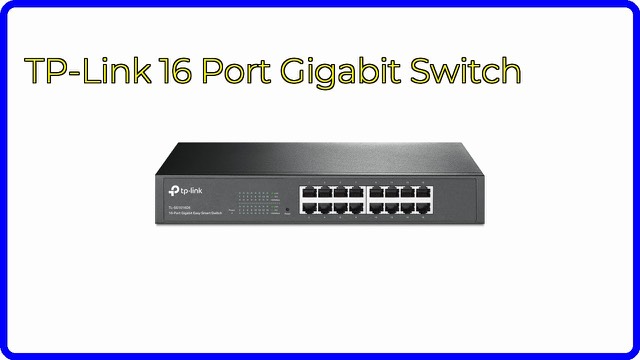
A 16-port Gigabit Easy Smart managed switch with VLAN, QoS, IGMP snooping, link aggregation and a metal case. What each feature does and who it suits.
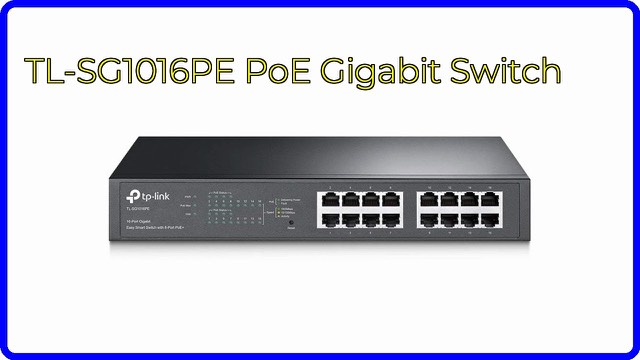
A 16-port Gigabit Easy Smart switch with eight PoE+ ports and a 150W power allowance, VLANs, QoS and IGMP snooping. What the specs mean and who it suits.
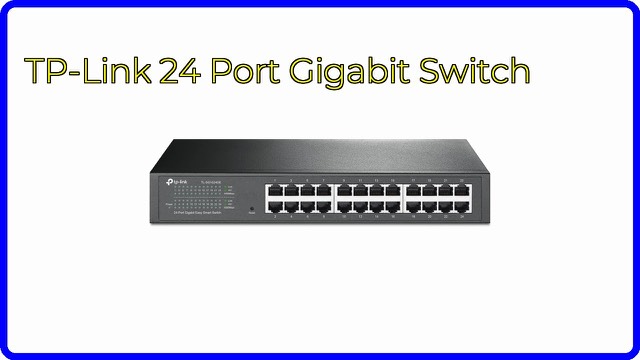
The TP-Link TL-SG1024DE is a 24-port Gigabit Easy Smart switch with VLAN, QoS, IGMP snooping and link aggregation. What those features mean for a network.
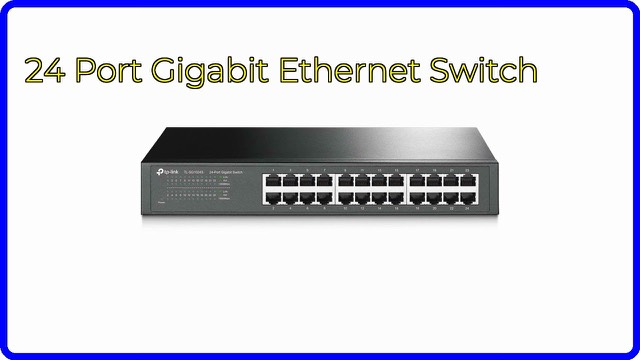
A 24-port unmanaged Gigabit Ethernet switch in a fanless metal case for desktop or rack use. What the specs mean and what to check before you buy one.
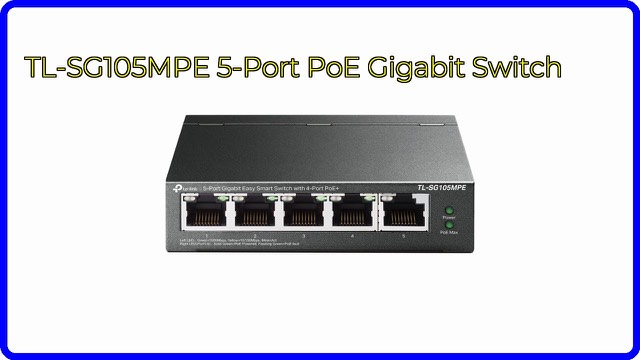
The TP-Link TL-SG105MPE is a fanless Easy Smart switch with four PoE+ gigabit ports, one uplink port and 120W of PoE power. What the specs mean.
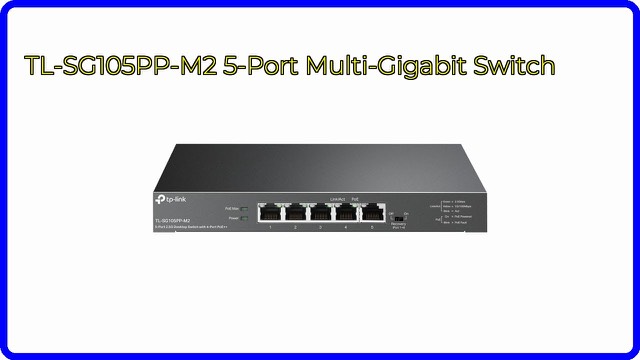
A fanless five-port 2.5-Gigabit switch from TP-Link with four PoE++ ports and a 123W power allowance. What multi-gig and PoE++ mean and what to check first.
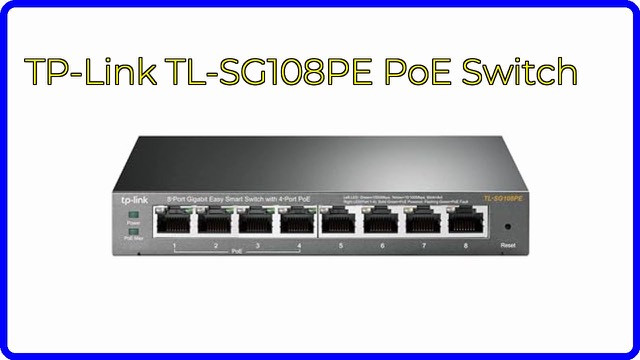
An 8-port Gigabit Easy Smart switch with four PoE+ ports and a 64W power limit, plus VLAN, QoS and IGMP Snooping. What the specs mean for a small network.
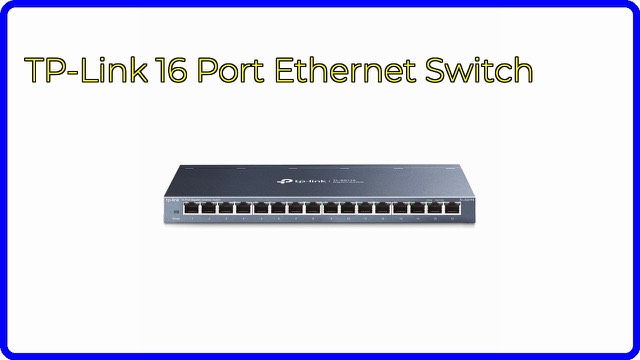
An unmanaged 16-port Gigabit Ethernet switch with a fanless metal case, QoS and IGMP snooping. What the specs mean and how to mount and use it.
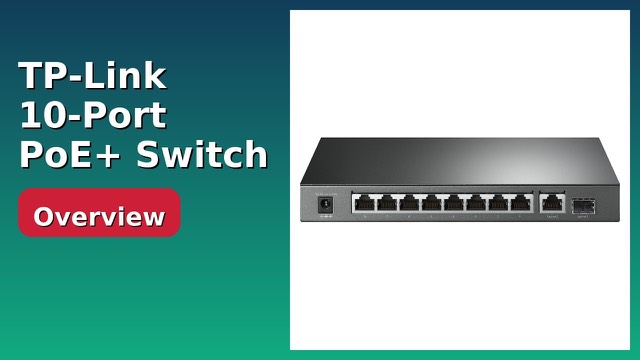
The TP-Link TL-SG1210P is a desktop 10-port gigabit switch with 8 PoE+ ports, one SFP slot and 63W of total PoE power. What the specs mean for cameras and access points.
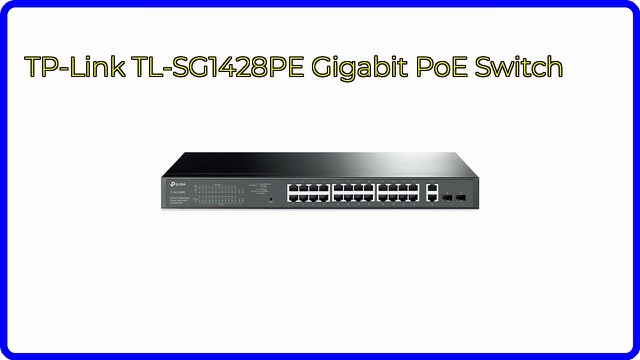
A rack-width Easy Smart switch with 24 PoE+ gigabit ports, 250W of total PoE power, two extra gigabit ports and two SFP slots. What the specs mean.
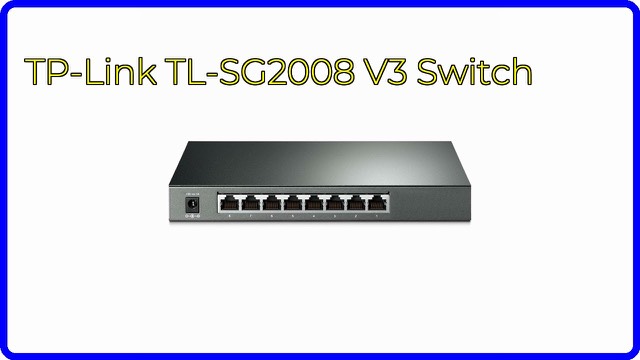
An 8-port gigabit smart managed switch with Omada SDN support, VLANs, QoS, link aggregation and PoE-in power on port 8. What the features mean for a network.