Garden greenhouses: glass or polycarbonate, frames, vents and bases
How glass and polycarbonate greenhouses compare, which frame suits you, how much ventilation you need, what to build it on, and the planning questions to ask first.
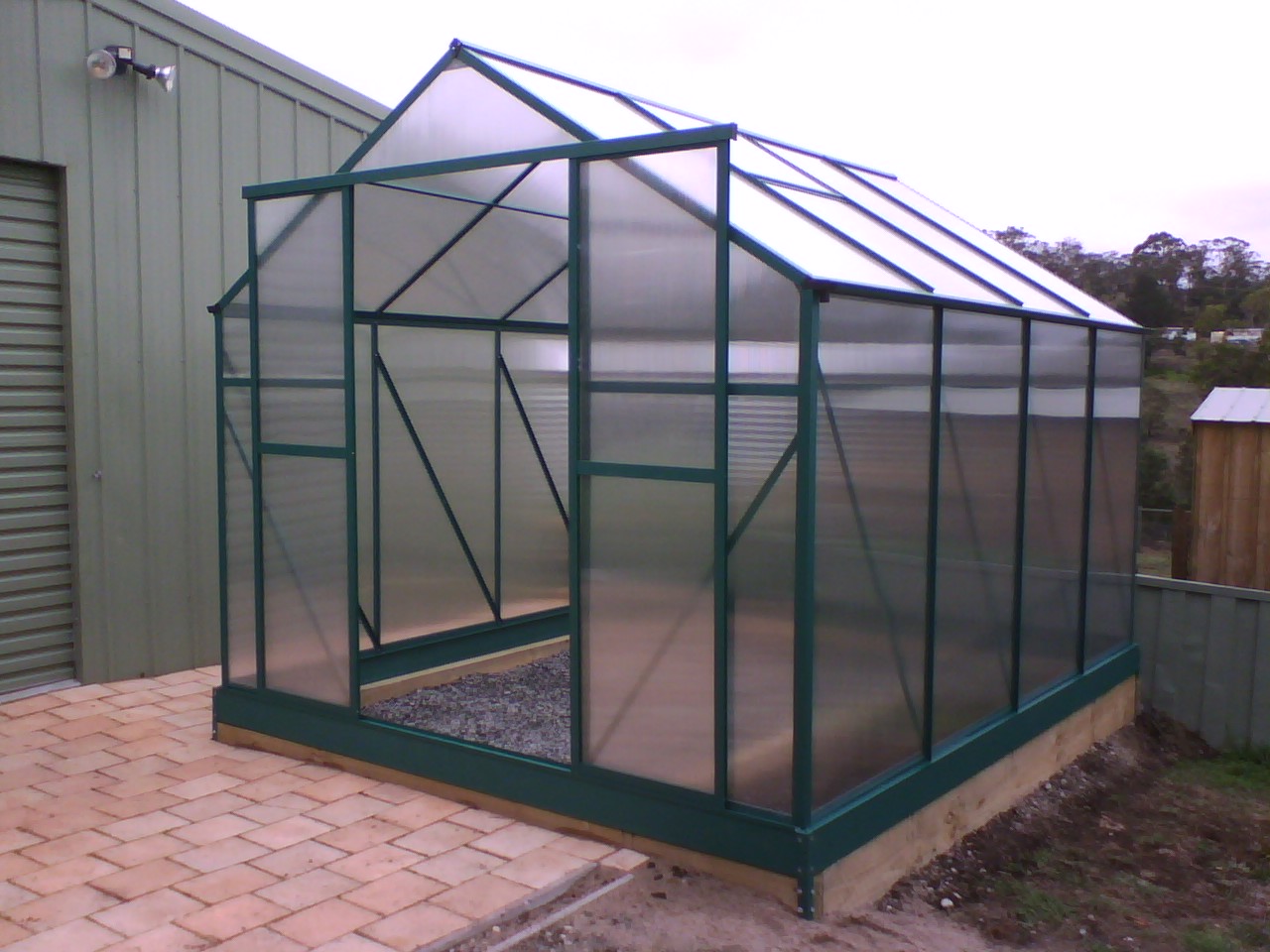
A greenhouse lets you start seeds earlier, grow tomatoes and peppers in a cool climate and keep tender plants through winter. But a greenhouse that overheats in June, blows over in a storm or sits in shade most of the day is more frustration than help. This guide compares glazing and frame materials, explains ventilation and bases, and lists the planning questions to check before you buy.
Glass or polycarbonate
The glazing decides how much light gets in, how well heat is kept and how safe the structure is around children and footballs.
| Glazing | Light | Insulation | Strength and safety | Notes |
|---|---|---|---|---|
| Horticultural glass | Highest, clear | Low | Breaks into sharp shards | Traditional look; small panes, easy to replace |
| Toughened (safety) glass | Highest, clear | Low | Stronger; breaks into small granules | Heavier; panes can't be cut to size |
| Twin-wall polycarbonate | Slightly lower, diffused | Good | Very hard to break | Light, insulating; can scratch and dull with age |
| Single-wall polycarbonate or acrylic | High | Low | Tough | Common on small, light kits |
| Polythene film (polytunnel) | Good, diffused | Low | Tears rather than breaks | Covers large areas simply; film needs replacing every few years |
Glass lets in the most light and stays clear for decades, which matters for winter growing and for anyone who wants the classic look. Toughened glass is the safer choice if children play nearby.
Twin-wall polycarbonate has two layers with air channels between them, so it holds heat noticeably better and spreads light evenly, which reduces scorching. It's light and almost unbreakable. Check that the sheets are UV-protected on the outside; unprotected or low-grade panels can yellow and turn brittle over the years.
Frames: aluminium, wood, steel or plastic
- Aluminium is the most common frame: light, rot-proof and low maintenance. Powder-coated finishes in green or black look softer in a garden than bare metal. The thin glazing bars let in plenty of light.
- Wood, usually cedar or another durable softwood, looks attractive, holds a little more heat and is easy to fix shelves and hooks to. It needs a protective treatment every few years. See our guide to wood finishes for exterior options.
- Galvanised steel is strong and is used for polytunnel hoops and larger frames.
- PVC or plastic frames are found on small mini-greenhouses and lean-tos. They're light and quick to put up, but less rigid in wind.
Whatever the frame, check how the glazing is held. Glass in aluminium frames is usually fixed with spring clips; adding extra clips or a glazing strip is a simple way to reduce rattling and wind damage.
Size, shape and where to put it
Rule of thumb: buy the biggest greenhouse your space, rules and budget allow. Gardeners very often wish they'd chosen one size up, because a small greenhouse fills fast and swings in temperature more quickly.
- Freestanding greenhouses get light from all sides. Lean-to greenhouses use a house or garden wall, which stores heat and is easier to supply with water and power.
- Check the eaves height and door width as well as the floor area, especially if you'll bring in a wheelbarrow.
- Choose the sunniest spot you have, away from overhanging trees, and sheltered from strong prevailing winds. Many gardeners run the ridge east to west for the best winter light, though in a sunny open spot either way works.
- Plan for water nearby. A water butt on the greenhouse gutters is ideal; see our guide to rain barrels and water butts. An outdoor power supply for heaters or propagators should be installed by a qualified electrician.
Ventilation and shading
Overheating, not cold, is the most common problem. On a sunny spring day, a closed greenhouse can become hot enough to damage plants within hours.
- Roof vents let hot air escape at the top. A common guideline is a total vent area of around one-fifth of the floor area; small kits often have just one roof vent, so it's worth adding another.
- Side louvres low down let cooler air in and set up a through-draught.
- Automatic vent openers use a wax-filled cylinder that expands as it warms and opens the vent without power. They're inexpensive and very useful if you're away during the day.
- Shading in summer, with shade netting, blinds or a shading wash painted on the glass, keeps temperatures down. Polycarbonate's diffused light helps but doesn't replace shading.
- Damping down, wetting the floor on hot days, raises humidity and cools the air.
In winter, a layer of horticultural bubble insulation on the inside cuts heat loss, and a small heater with a thermostat can keep the frost out. Heaters that burn paraffin or gas give off moisture and fumes, so they need ventilation; follow the maker's safety instructions.
Bases and anchoring
Every greenhouse needs a level, square and firm base, or the doors jam and the glass can crack. Common options:
- A steel or timber base frame, often sold with the greenhouse, set on slabs, blocks or a concrete footing.
- A concrete slab or strip footing around the edge: the most solid choice for larger and glass greenhouses.
- Paving slabs on a compacted sub-base, with the beds left open as soil.
- A dwarf wall of brick or timber, which raises the glass, keeps heat in and gives the classic Victorian look.
Most gardeners leave soil borders inside along the sides for planting and pave only a central path. Measure the diagonals to check the base is square before you start. Above all, anchor the greenhouse down: light aluminium and polycarbonate kits can be lifted by strong winds if they're only resting on the ground. Before digging, use your local utility-locating service to check for buried cables and pipes. Our garden sheds guide covers bases in more detail.
Planning rules and permits
Rules for greenhouses vary by country and municipality and change from time to time, so treat these as questions to ask:
- Size and height limits. Small garden greenhouses often don't need a building permit, but larger ones, or those above a certain height, may.
- Distance from boundaries. Zoning or planning rules may set minimum distances from fences and other buildings and limit height close to a boundary.
- Front gardens, heritage areas and listed buildings often have stricter rules. In the UK, many garden greenhouses count as outbuildings under "permitted development", within limits on size, height and position.
- Homeowners' associations, leases and covenants may restrict size, materials or position.
- Power and water connections can require a qualified installer or inspection.
Check the current rules with your local building or planning department before you order, and keep a written answer.
Inside and through the year
Staging and shelving double the growing space; slatted shelves let air move and water drain. A raised bed inside a large greenhouse keeps soil warm and easy to reach, and a simple drip irrigation kit with a timer helps in summer. In autumn, wash the glazing inside and out to let in winter light, clean gutters, replace broken panes and check clips and seals.
The short version
- Glass for maximum light and a classic look; toughened if children are around.
- Twin-wall polycarbonate for warmth, safety and lighter weight.
- Aluminium for low upkeep; wood for looks, with regular treatment.
- Ventilate generously, add automatic openers and plan for summer shading.
- Build a level base and anchor it.
- Check permits and setbacks before you buy.
Bloiq is reader-supported. Some links may earn us a commission; it never affects what we write. How we make money.
Cover photo: Sydneysell, Public domain, via Wikimedia Commons