Patio furniture materials: teak, aluminium, resin wicker and steel
How teak, aluminium, resin wicker and steel garden furniture compare for weather, wind, weight and upkeep, plus cushions, covers and storing it over winter.
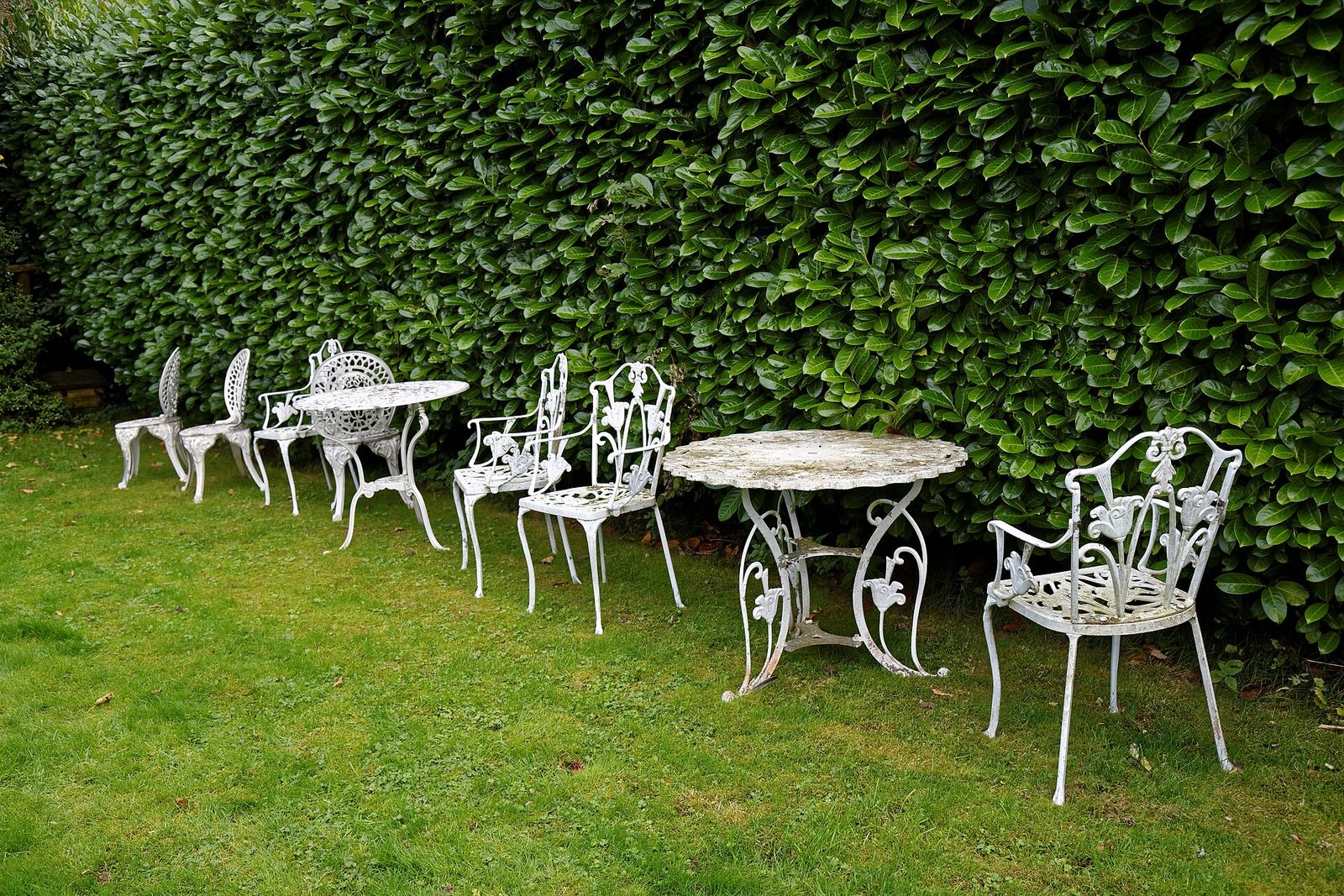
Garden furniture lives through sun, rain, frost and wind, and the material decides how it ages: whether it silvers gracefully, rusts at the joints, cracks in the sun or ends up in the neighbour's garden after a storm. This guide compares the four most common materials, then covers cushions, covers and how to store furniture through winter so it lasts.
The four materials at a glance
| Teak | Aluminium | Resin wicker | Steel | |
|---|---|---|---|---|
| Weather resistance | Excellent; turns silver-grey | Doesn't rust | Good if HDPE; weave can crack in strong sun if low quality | Rusts where the coating is damaged |
| Weight and wind | Heavy, stable | Light; can blow over | Light to medium | Heavy, stable |
| Upkeep | Clean; optional sealer | Wash; touch up coating | Wash; cover cushions | Wash; touch up chips quickly |
| Feel | Warm, natural | Can get hot or cold | Comfortable with cushions | Can get hot or cold |
| Coastal sites | Good | Good | Good (check the frame) | Poor unless stainless or well protected |
Teak and other hardwoods
Teak is a dense tropical hardwood with natural oils that resist rot, insects and water, which is why it has been used on ships' decks for centuries. Left untreated, it weathers to a soft silver-grey within a season or two; that's a surface change, not decay. If you prefer the original honey colour, clean it and apply a teak sealer or protector each year. Many makers advise against heavy oiling outdoors because a sticky layer can attract dirt and mildew, so follow the care instructions for your set.
What to check:
- Heartwood from the centre of the log is denser and oilier than sapwood. Descriptions such as "grade A" refer to this, though grades aren't standardised.
- Joinery: mortise-and-tenon joints and stainless-steel fixings last longer than plain screws.
- Source: look for certification such as FSC, which shows the timber comes from responsibly managed forests or plantations.
Other hardwoods, such as acacia and eucalyptus, look similar when new but are less naturally durable. They need regular oiling or sealing and benefit more from covers and winter storage. Clean any wood furniture with a soft brush and mild soapy water; a pressure washer on a high setting can raise and roughen the grain.
Aluminium: light and rust-free
Aluminium doesn't rust, which makes it a good choice for wet climates and coastal gardens. It comes in two main forms:
- Cast aluminium is poured into moulds, often in ornate traditional designs. It's heavier and sturdier than tubular frames.
- Extruded (tubular) aluminium is lighter and suits modern, clean-lined furniture, often with sling or rope seats.
Most aluminium furniture is powder-coated, which gives colour and further protection. Its main downside is weight: light chairs and tables can be lifted by strong gusts, especially with a parasol in place. In exposed gardens, choose heavier cast pieces, use a weighted parasol base and stack or tie down light chairs when storms are forecast. Dark coatings can get hot in full sun.
Resin wicker: comfortable and low upkeep
Resin wicker (also sold as synthetic or all-weather rattan) is a plastic strand woven over a frame. It gives the look of cane without the vulnerability to rain. Quality varies more than with any other material:
- HDPE (high-density polyethylene) strands with UV stabilisers resist fading and cracking far better than PVC strands, which can turn brittle in strong sun.
- The frame underneath matters as much as the weave. Aluminium frames won't rust; powder-coated steel frames are heavier but can rust if water gets in at joints.
- Weave quality: tight, even weaving with neat ends tucked in lasts longer than loose or stapled ends.
Resin wicker sofas and corner sets usually come with thick cushions, so they're comfortable for long evenings. Plan where the cushions will go when it rains.
Steel and wrought iron
Steel furniture is strong and heavy, so it stays put in wind and suits exposed terraces and balconies (check the weight limit of a balcony first). Traditional wrought iron and its modern equivalent, solid or tubular steel, offer classic designs at a range of weights.
Steel's weakness is rust. A good finish usually combines galvanising (a zinc layer) with powder coating; check which you're getting. Touch up chips and scratches with matching paint as soon as you see them, before rust spreads under the coating. Stainless steel resists rust much better; near the sea, higher-grade stainless (such as grade 316) copes better with salt air than standard grades. Like aluminium, metal seats get hot in summer sun and cold in the evening, so cushions help.
Cushions and fabrics
The cushions often wear out before the frame. Look for:
- Solution-dyed acrylic fabric, where the colour goes right through the fibre, holds its colour best in sun. Olefin (polypropylene) and coated polyester are common alternatives.
- Quick-dry foam or a reticulated foam core that lets water drain through.
- Removable, washable covers with zips.
Even "all-weather" cushions last much longer if they're brought in or put in a dry storage box when not in use. Damp cushions left in a closed box can grow mildew; let them dry first.
Covers: help or harm
Rule of thumb: a good cover keeps rain and dirt off but lets the furniture breathe. A waterproof bag that traps moisture can do more harm than no cover at all.
- Choose breathable, water-resistant fabric with vents to let moisture escape.
- Make sure it fits snugly with straps or a drawcord so it doesn't act as a sail.
- Keep the cover off the ground and stop water pooling on top; an upturned bucket or a pole under the centre of a table cover helps.
- Clean and dry furniture before covering it, so dirt and moisture aren't sealed in.
Winter storage
Where winters are wet or freezing, a few steps add years of life:
- Clean everything and let it dry fully.
- Store cushions, parasols and fabrics indoors, in a shed or garage. Our guide to garden sheds covers sizes.
- Bring glass tabletops inside where possible; frost, snow and temperature swings can damage them.
- Stack or fold chairs, and keep pieces off bare soil and grass on blocks or a hard surface.
- Check drain holes on hollow metal frames are clear, so water can't collect inside and freeze.
- Leave space for air if storing under a cover outdoors.
Teak and good-quality aluminium can stay outside year-round under a breathable cover. Resin wicker and steel benefit most from storage under a roof. Before spring, check fixings and touch up coatings. For keeping the patio usable into autumn, see our guides to patio heaters and pergolas and gazebos.
The short version
- Teak for natural looks and long life; let it silver or seal it each year.
- Aluminium for rust-free, light furniture; weigh it down in windy spots.
- Resin wicker in HDPE on an aluminium frame for comfort with low upkeep.
- Steel for weight and stability; touch up chips before rust starts.
- Breathable covers and dry cushion storage make any set last longer.
Bloiq is reader-supported. Some links may earn us a commission; it never affects what we write. How we make money.
Cover photo: Acabashi, CC BY-SA 4.0, via Wikimedia Commons