Dust extractors for power tools: L, M and H classes, auto-start and hoses
How a dust extractor differs from a shop vac, what the L, M and H dust classes mean, how auto-start works with corded and cordless tools, and which hose size to choose.
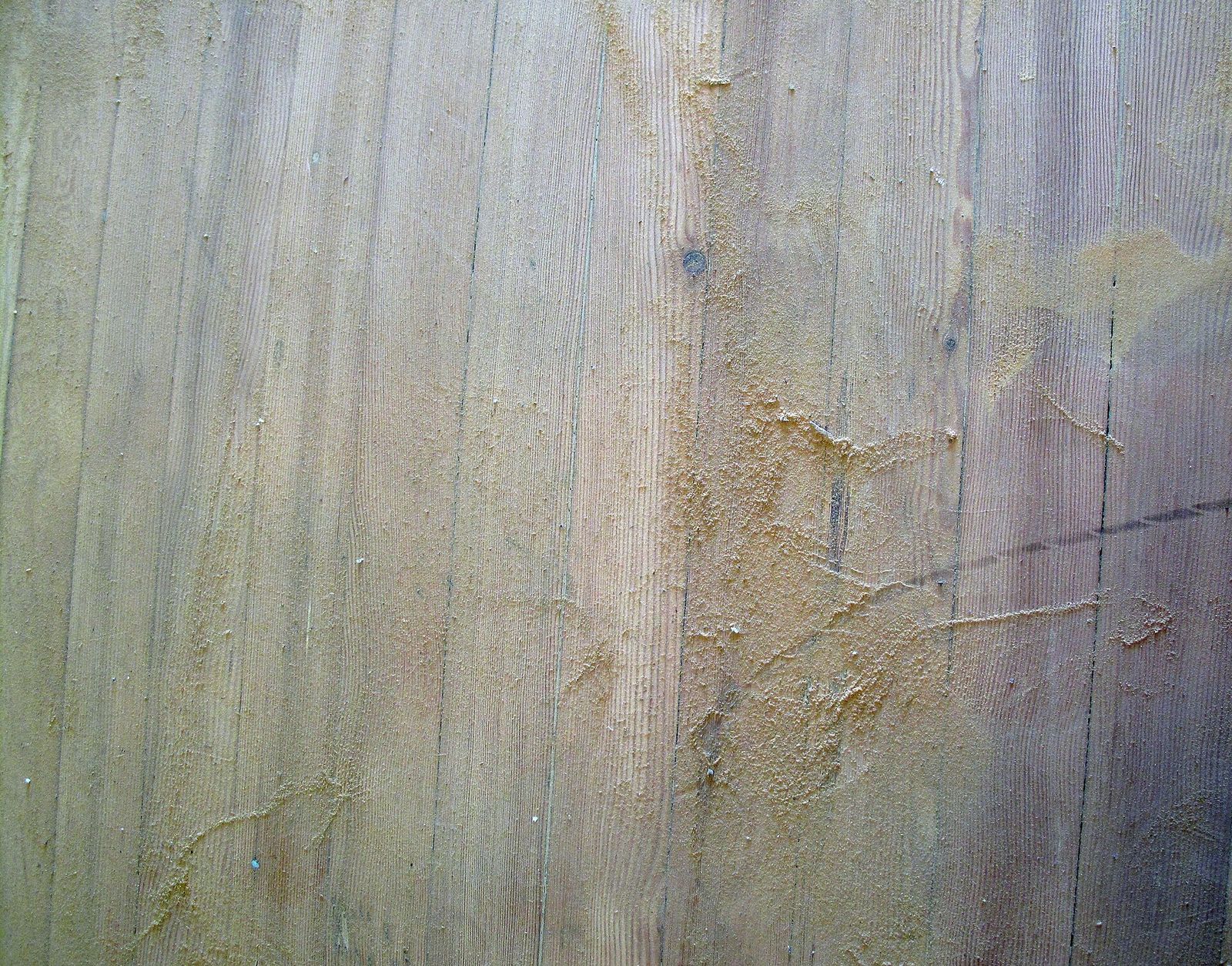
Sanding, cutting and drilling produce fine dust that hangs in the air long after the visible mess has settled, and some of it, such as wood and silica dust, is harmful to breathe. A dust extractor connected to the tool captures most of it at the source, keeps your work surface visible and makes clean-up quicker. This guide explains what sets a dust extractor apart from an ordinary shop vacuum, what the L, M and H dust classes mean, and how to choose features such as auto-start and hose size.
Dust extractor or shop vac?
A dust extractor is a vacuum designed to run attached to a power tool for long periods. A general-purpose wet/dry shop vac can do the same job to a degree, especially with the right filter and a separator; our wet/dry shop vacuums guide covers those. Dedicated extractors usually add:
- Finer filtration, often with a tested and certified dust class.
- An auto-start socket or wireless link so the extractor runs with the tool.
- Variable suction, so a sander doesn't clamp itself to the workpiece.
- Filter cleaning that keeps suction up during long sanding sessions.
- Quieter operation and antistatic hoses sized for tool ports.
- Low-dust disposal using bags rather than an open tank.
A dust collector, by contrast, is a large, low-pressure machine with wide ducting for stationary tools such as table saws, planers and thicknessers. It moves a lot of air but can't pull through the narrow ports of handheld tools.
The L, M and H dust classes
In Europe and many other countries, vacuums for hazardous dust are tested and classified under the standard IEC/EN 60335-2-69. The class tells you how much dust gets through the whole machine, not just the filter.
| Class | Typical dusts | Maximum dust passing through |
|---|---|---|
| L (low hazard) | General household dust and debris, soil | Less than 1% |
| M (medium hazard) | Wood dust, filler, concrete, brick, tile, mortar and other silica-containing dusts | Less than 0.1% |
| H (high hazard) | Carcinogenic and pathogen-carrying dusts, mould spores, and asbestos and lead under the applicable rules | Less than 0.005% |
Classes M and H also require a volume-flow warning: an alarm sounds if the airflow in the hose drops too low to capture dust properly, for example because the filter is clogged or the hose is blocked. They're designed for low-dust emptying, usually with a sealed bag.
Rule of thumb: class L for general clean-up, class M for wood, concrete, plaster and other everyday sanding and cutting, class H only for the most hazardous materials and with the right procedures.
In North America, extractors are usually described by filter efficiency, such as HEPA, rather than these classes. Workplace rules for silica dust in some regions set requirements for vacuum filters and filter cleaning when cutting or grinding masonry. Workplace rules vary by country and change over time, so check the current rules if you work professionally.
Asbestos is a special case. Material that may contain asbestos needs testing and, in most places, specialist removal. An H-class vacuum doesn't make it safe for a homeowner to work on it.
Auto-start: corded and cordless tools
Auto-start means the extractor switches on when you start the tool and runs on for a few seconds afterwards to clear the hose.
- Power-tool socket. You plug a corded tool into the extractor's own socket. Check the socket's maximum rated load and make sure the combined draw of tool and extractor doesn't overload your circuit.
- Wireless or Bluetooth auto-start. For cordless tools, many extractors accept a small module that pairs with a tool or a battery. The tool then starts the extractor remotely. Systems are usually brand-specific, so check compatibility with your cordless tool platform.
- Run-on delay. A few seconds is typical; some models let you adjust it.
Hose diameter and length
Hose size has a bigger effect on performance than many people expect. Narrow hoses are light and flexible but restrict airflow; wide hoses move more air and carry bigger debris but are heavier and stiffer.
- About 27 mm: sanders and small tools. Light and easy to manoeuvre, which matters on long sanding jobs.
- About 32–36 mm: saws, routers, planers and general clean-up. A good all-round size.
- 50 mm and more: clearing heavy debris and larger machines.
Shorter hoses suck harder at the tool. A 3.5 m hose is a common general length; longer hoses are handy around a room but reduce suction. Antistatic hoses prevent the shocks and dust clinging caused by static from moving fine dust through plastic. Tool ports vary between brands, so check that you can get adapters or connectors that fit snugly.
Airflow, suction and the numbers on the box
Extractors are usually rated by:
- Airflow, in cubic metres per hour, litres per second or CFM. This is what captures fine dust at a sander's pad or a saw's blade guard.
- Vacuum, in mbar, kPa or inches of water. This keeps the air moving through narrow hoses and dense filters.
- Motor wattage, a rough guide to size but not to performance.
These figures are usually measured at the motor without a hose. Compare models measured in the same way, and give more weight to the dust class and filter design than to a single big number.
Filters, bags and filter cleaning
Fine dust from sanding, plaster and concrete clogs filters fast, and suction drops with it.
- Fleece filter bags catch most of the dust before it reaches the main filter, keep suction more consistent and make emptying cleaner. Paper bags tear more easily and clog sooner.
- Main filters are usually pleated cartridges or flat panels, rated to match the extractor's dust class. Always reinstall the correct filter type.
- Filter cleaning. Manual systems knock or blow dust off the filter at the push of a button; automatic systems do it at intervals. Automatic cleaning is valuable for drywall and concrete work.
- Pre-separators, such as cyclone buckets, drop heavy debris before it reaches the extractor. They're useful for planers and routers but add hose length.
Getting good extraction from your tools
The extractor is only half the system. To capture as much dust as possible:
- Use tools with good dust ports: sanders with holes in the pad and matching sanding discs, track saws with enclosed blades, routers with dust hoods. Our guides to sanders and grits and track saws explain these features.
- Turn suction down on sanders if the tool drags, rather than removing the hose.
- For cutting and grinding concrete and masonry, use a dust shroud made for the tool.
- Mitre saws are hard to extract well because they throw dust in several directions; a hood behind the saw helps.
- Keep the hose off the floor and away from the cut with a boom arm or hose clip.
Even good extraction isn't perfect. Wear a suitable respirator for dusty jobs, especially for silica-containing materials; our workshop safety gear guide covers respirator ratings.
Other features worth checking
- Noise level. Quieter models are easier to live with in a garage or flat.
- Tank size and mobility. Smaller units fit on a stacking tool-box system; larger ones need castors.
- Cord and hose storage, and a tool socket long enough to reach.
- Cordless extractors for small jobs away from power, at the cost of runtime.
The short version
- Choose a dust extractor for handheld tools, a dust collector for big stationary machines.
- Class M suits wood, plaster, concrete and most home renovation dust.
- Get auto-start: a power-tool socket for corded tools, a wireless module for cordless ones.
- About 27 mm hose for sanders, 32–36 mm for saws and clean-up; keep it short and antistatic.
- Use fleece bags and filter cleaning for fine dust.
- Pair it with tools that have good dust ports, and still wear a respirator.
Bloiq is reader-supported. Some links may earn us a commission; it never affects what we write. How we make money.
Cover photo: Downtowngal, CC BY-SA 4.0, via Wikimedia Commons