Stovetop pressure cooker or electric multicooker? How to choose
How stovetop and electric pressure cookers differ on pressure, speed, functions, capacity and safety features, and which type suits the way you cook.
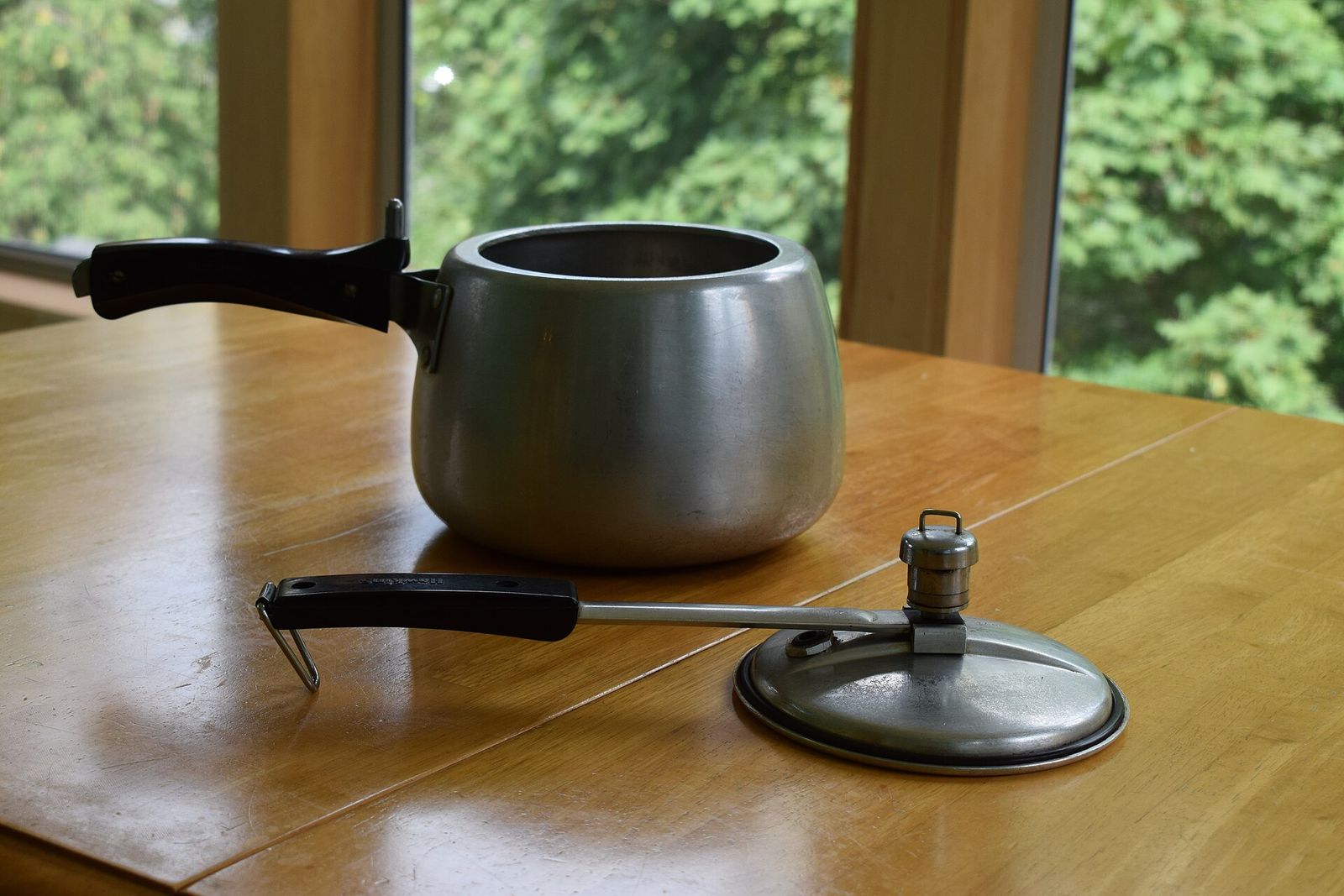
A pressure cooker turns dried beans, tough cuts of meat and stocks from afternoon projects into weeknight meals. The choice today is between a traditional stovetop pot and an electric multicooker that also slow-cooks, steams and makes rice. Both work on the same principle, but they differ in speed, convenience and what they can replace in your kitchen. This guide explains those differences and what to check before you buy.
How pressure cooking works
Water boils at about 100 °C at sea level. Seal it in a pot and keep heating, and the trapped steam raises the pressure inside, which raises the boiling point. At the pressure most stovetop cookers use on their high setting (about 1 bar, or 15 psi, above atmospheric pressure), water boils at roughly 120 °C. Hotter water and steam cook food much faster, and the moist environment is ideal for braises, pulses, grains and stocks.
A valve controls the pressure. Once it is reached, excess steam escapes, and on a stovetop model you turn the heat down to hold it there.
Stovetop vs electric: the core differences
| Stovetop pressure cooker | Electric multicooker | |
|---|---|---|
| Typical high pressure | About 15 psi (1 bar) | Often lower, roughly 10–12 psi |
| Speed | Faster to reach pressure on a strong burner; shorter cook times | Slower to heat; recipes run a little longer |
| Attention needed | You adjust the heat and watch the timer | Set it and walk away; switches to keep-warm |
| Other functions | Pressure cooking only (it is also a normal pot) | Slow cook, sauté, steam, rice, yoghurt and more |
| Lifespan | Can last decades; gaskets and valves are replaceable | Electronics limit lifespan; inner pot and ring replaceable |
| Browning | Excellent, on your hob | Adequate, but the sauté function is less powerful |
Choose stovetop if you want maximum speed, better searing and a pot that will outlast several appliances. Choose electric if you value hands-off cooking, timers and delayed start, or you want one appliance to cover several jobs.
Types of stovetop cooker
- Weighted or "jiggler" valve: a weight sits on a vent and rocks or hisses as steam escapes. Simple and durable, but noisier and it releases more steam.
- Spring valve: the modern design, usually with a pop-up indicator and two pressure settings. Quieter, loses less moisture and makes it easier to see when you are at pressure.
Check the base. If you cook on induction, the cooker needs a magnetic base; many stainless-steel models have a thick encapsulated base that works on all hobs, while plain aluminium models often don't. Our guide to cookware materials covers why the base matters for even heating.
Electric multicooker functions worth knowing
Most electric models offer a similar core set of programmes: pressure cook (high and low), sauté, steam, slow cook, rice and keep-warm. The rice setting is convenient, though a dedicated rice cooker offers more control over texture. Beyond that, features vary:
- Yoghurt and proving modes hold a low, steady temperature.
- Sous vide modes appear on some models, though temperature accuracy varies.
- Air-fry or crisping lids turn some models into a small air fryer; they work, but you need somewhere to store the second lid.
- Delayed start and programmable timers are useful, but leaving raw meat or dairy at room temperature for hours is not a good idea.
Treat the slow-cook setting with some caution. Some owners find it behaves differently from a traditional ceramic slow cooker, so recipes may need more time or a higher setting. And food safety authorities in North America advise against using electric multicookers for pressure canning; if you plan to can low-acid foods, use a dedicated pressure canner and tested recipes.
Capacity: what size to buy
Stovetop cookers are sold by volume in litres, commonly from about 3 to 10 litres. Electric models are often sold in quarts; roughly, 3 quarts is 2.8 litres, 6 quarts is 5.7 litres and 8 quarts is 7.6 litres.
The usable capacity is smaller than the label suggests. Standard guidance is to fill a pressure cooker no more than two-thirds full, and no more than half full for foods that foam or expand, such as beans, lentils, grains and rice. Every model also has a minimum liquid requirement to make enough steam.
Rule of thumb: about 3 litres for one or two people, around 5–6 litres for a family of three to five, and 7–8 litres or more if you batch-cook, make stock or cook for a crowd.
A cooker that is too large for small portions still works, but it takes longer to come to pressure and needs more liquid.
Safety features to look for
Modern pressure cookers are far safer than the rattling pots many people remember, because they have several independent safeguards:
- Lid locking: the lid cannot be opened while the pot is under pressure, and on many models it cannot pressurise unless it is locked.
- Primary pressure valve: regulates the working pressure.
- Secondary safety valve or overpressure plug: releases steam if the main valve is blocked.
- Gasket release window: on many stovetop models, a cut-out in the lid lets the sealing ring bulge out and vent steam as a last resort.
- Electric-specific protections: pressure and temperature sensors, lid-position detection and automatic shut-off if the pot boils dry or overheats.
Look for recognised safety marks for your market, such as UL, CSA or ETL in North America, or CE or UKCA markings in Europe and the UK. Stovetop models sold in Europe are commonly tested to the EN 12778 standard for domestic pressure cookers.
Just as important is following the basics: don't overfill, keep the valves clean, never force the lid, and replace the sealing ring when it becomes cracked, stiff or no longer seals properly. Many manufacturers suggest checking it regularly and replacing it roughly every year or two, depending on use.
Releasing pressure
When cooking finishes, the pressure has to come down before you can open the lid:
- Natural release: leave it to cool on its own, typically 10 to 30 minutes. Best for meat, beans and anything that foams.
- Quick release: open the valve to vent steam immediately. Good for vegetables and seafood that overcook easily. Keep your hands and face away from the vent.
- Cold-water release (stovetop only): run cool water over the lid edge, if your manual permits it.
Electric models handle natural release automatically and let you quick-release with a switch or button.
Materials and cleaning
Stainless-steel pots, and stainless inner pots in electric models, are durable and dishwasher-safe in most cases. Non-stick inner pots make rice and sautéing easier but wear over time and need gentle utensils. After each use, remove and wash the sealing ring and check that the vents are clear. Sealing rings can hold on to odours, which is why some cooks keep a spare for sweet dishes.
The short version
- Stovetop for speed, searing and longevity; electric for convenience and several appliances in one.
- Buy a size you will use: roughly 3 litres for one or two, 5–6 litres for most families.
- Remember the fill limits: two-thirds full, or half for beans and grains.
- Check for a locking lid, backup safety valve and a recognised safety mark.
- On induction, confirm the base is compatible.
- Budget for replacement sealing rings, and make sure they are easy to find for your model.
Bloiq is reader-supported. Some links may earn us a commission; it never affects what we write. How we make money.
Cover photo: Cantons-de-l'Est, CC BY-SA 4.0, via Wikimedia Commons