Rice cookers compared: basic, fuzzy logic, induction and pressure
How basic, fuzzy logic, induction heating and pressure rice cookers differ, what rice-cup capacity means and which features are worth paying for in your kitchen.
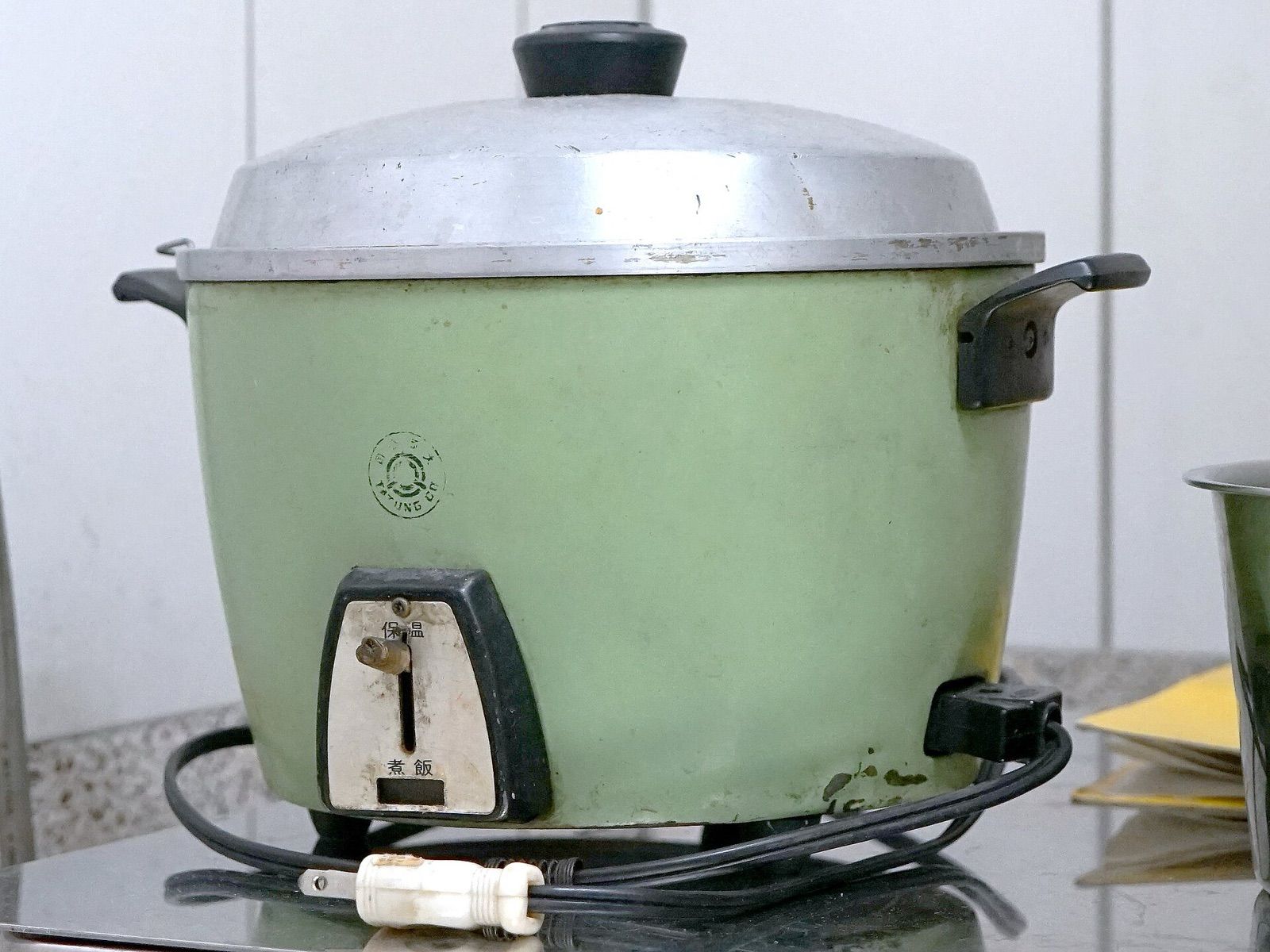
A rice cooker takes one of the most common kitchen tasks off the hob: add rice and water, press a button and walk away. Models range from simple one-switch pots to machines with microprocessors, induction heating and pressure cooking, and the price difference is large. This guide explains how each type works, what the extra technology does for the rice, and how to choose the right size.
The four main types at a glance
| Basic (on/off) | Fuzzy logic | Induction heating (IH) | Pressure IH | |
|---|---|---|---|---|
| Heating | Plate under the pot | Plate under the pot, with microprocessor control | Coil heats the whole inner pot | Induction coil plus pressure |
| Control | Simple thermostat | Sensors adjust time and temperature | Precise, even heating | Precise heating above 100 °C |
| Typical results | Good white rice; can form a crust | More consistent; better with brown and specialty rice | Very even, consistent texture | Softer, stickier texture; well suited to brown rice and mixed grains |
| Cooking time for white rice | Fast | Longer | Similar to fuzzy logic | Varies by model |
Basic rice cookers
The classic rice cooker has a heating plate under a removable inner pot and a thermostat. While there is water in the pot, the temperature can't rise much above boiling point. Once the water has been absorbed or boiled off, the temperature at the base rises, the thermostat trips, and the cooker switches to keep warm.
Basic cookers are cheap, compact, durable and fast. They cook ordinary white rice well once you've learned the right water level. Their limitations:
- No fine control: results depend on getting the water ratio right, and brown rice or specialty grains can be less consistent.
- Bottom crust: rice at the base can brown or stick (some people enjoy this).
- Simple keep-warm: rice kept warm for hours can dry out or discolour.
Fuzzy logic (microcomputer) rice cookers
"Fuzzy logic" or "micom" cookers add a microprocessor and temperature sensors. Rather than simply boiling until dry, they run a programme that typically includes soaking, a controlled heat-up, boiling, and a steaming or resting phase, adjusting as they go.
What that brings:
- More consistent rice, less sensitive to small errors in water measurement;
- Menu settings for white, brown, sushi, porridge, mixed grains and more;
- Better keep-warm, holding rice at a steady temperature for longer without drying it out as quickly;
- Delay timers so rice is ready when you get home.
The main downside is time: white rice can take noticeably longer than in a basic cooker because of the soaking and resting stages. Many models have a quick cook setting for when you're in a hurry.
Induction heating (IH) rice cookers
An induction heating rice cooker uses a coil to generate a magnetic field, which heats the metal inner pot directly, the same principle as an induction hob. Instead of heating mainly from a plate underneath, the heat is produced in the pot itself, often including the sides.
The result is more even heating and finer temperature control, which gives a more uniform texture from top to bottom. IH cookers usually have thicker, multi-layer inner pots and are more expensive and heavier than plate-heated models.
Pressure induction rice cookers
Pressure IH cookers seal the lid and raise the internal pressure during cooking. Under pressure, water boils at a higher temperature than 100 °C, which helps water penetrate the grains more thoroughly.
Pressure cooking tends to produce softer, stickier, more cohesive rice, which many people prefer for short-grain and Japanese-style rice. It also helps with brown rice and mixed grains, which have tougher outer layers. Some models let you adjust the pressure to change the texture. They are usually the most expensive type, and the lid mechanisms need regular cleaning.
If you prefer separate, fluffy grains, as with many long-grain rices, pressure is less of an advantage. A general-purpose electric pressure cooker can also cook rice well; our guide to pressure cookers and multicookers explains how they work.
Capacity: what "cups" means
Rice cooker capacity is almost always given in rice cups of uncooked rice. A standard rice cooker cup is about 180 ml, smaller than a US cup (about 240 ml) or a metric cup (250 ml). Always use the measuring cup that comes with the cooker, since the water lines inside the pot are designed around it.
Common sizes:
- 3 cups (about 0.5 litres): one or two people.
- 5.5 cups (about 1 litre): the most common size, for families of three to five.
- 10 cups (about 1.8 litres): larger families, meal preparation or entertaining.
Rice roughly doubles to triples in volume when cooked. Cookers generally work best when not filled to their maximum, and larger cookers can struggle with very small amounts, so choose a size that matches your usual quantity.
Inner pot and other features
The inner pot is where much of the quality lies:
- Thicker pots spread heat more evenly.
- Most have a non-stick coating. Use the supplied paddle and avoid metal utensils to protect it; check whether replacement pots are available.
- Water lines for different rice types make measuring easy.
Other useful features:
- a removable inner lid and steam vent that can be washed;
- a steaming basket for vegetables or dumplings;
- a reheat function;
- retractable cords and carry handles.
If you import a cooker, check the voltage: some models made for a specific domestic market run on a different voltage from your home's supply and need a suitable transformer.
Food safety with cooked rice
Standard food-safety advice is not to leave cooked rice at room temperature for long. The keep-warm function holds rice at a safe, hot temperature, but for leftovers, cool the rice quickly, refrigerate it, and use it within a day or so, and reheat it until steaming hot throughout. Follow the manual's guidance on how long to use keep-warm.
The short version
- Choose basic for simple, fast, affordable white rice.
- Choose fuzzy logic for consistency, more menus and better keep-warm.
- Choose induction heating for the most even cooking and texture.
- Choose pressure IH if you like soft, sticky rice or cook lots of brown rice and grains.
- Remember capacity is in 180 ml rice cups of uncooked rice; 5.5 cups suits most families.
- Look for a thick inner pot, a washable inner lid and a delay timer.
Bloiq is reader-supported. Some links may earn us a commission; it never affects what we write. How we make money.
Cover photo: Solomon203, CC BY-SA 4.0, via Wikimedia Commons