Home / Travel / Japan · Itineraries
Osaka in 3 days: a food-first itinerary with a Nara half-day
A three-day Osaka plan: the castle and Dotonbori, then Kuromon, Shinsekai and Tennoji, then a Nara morning and Umeda at sunset, with booking and timing tips.
This guide contains affiliate links, marked as such. If you book through them, Bloiq may earn a commission at no extra cost to you.
Osaka rewards travellers who arrive hungry. Its big sights are fewer than Kyoto's, which leaves more time for what the city does best: eating, from street-stall takoyaki to tiny counter bars. This plan gives each day one part of the city to keep transit short: the castle and the neon of Minami, then the old south around Shinsekai and Tennoji, and finally a morning among Nara's temples and deer before an evening in Kita.
It suits first-time visitors at a moderate pace, with plenty of walking and short subway rides. Evenings run late here, but the castle, Kuromon Market and Nara are all calmer early in the day. For this plan, a base in Namba or Shinsaibashi works best; our guide to where to stay in Osaka compares the areas.
Day 1: Osaka Castle, Nakanoshima and Dotonbori
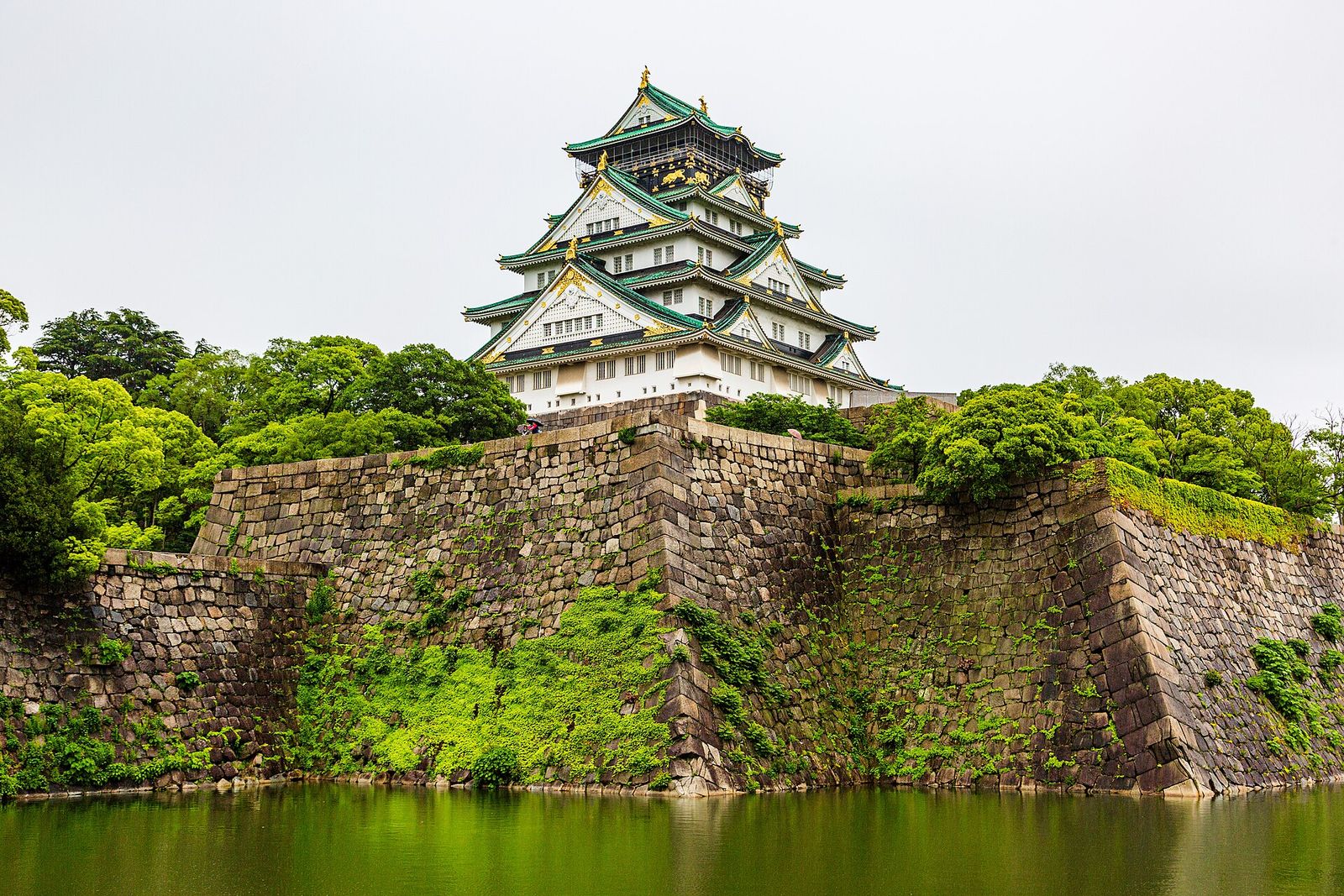
Morning. Start at Osaka Castle. Toyotomi Hideyoshi began building the castle in 1583, and the keep has been destroyed and rebuilt more than once. Today's is a concrete reconstruction from 1931, with a lift, a museum on Hideyoshi and the castle's history, and an observation floor at the top. The real marvels are older: the moats and the massive stone walls, built from granite blocks so large that the biggest, near the Sakura-mon gate, has its own name, Tako-ishi. Arrive near opening time, before the tour groups.
On the park's south-west side, the Osaka Museum of History covers the city from the ancient Naniwa Palace onwards, and its upper floors look out over the castle grounds.
Afternoon. Head west to Nakanoshima, the narrow island between two rivers in the centre of the city. Walk past the red-brick Central Public Hall to the rose garden at the island's eastern tip, then choose a museum: the National Museum of Art and the Nakanoshima Museum of Art sit side by side at the western end. River cruises leave from piers near the castle and the island if you'd rather see the city from the water.
Evening. Take the Midosuji line south to Shinsaibashi and walk the covered Shinsaibashi-suji arcade down to Dotonbori. From Ebisu Bridge you get the classic view of the canal, its giant signs and the neon reflected in the water. Eat as you go: takoyaki (octopus dumplings) and okonomiyaki (savoury pancakes) are the local classics. Just south, the stone-paved lanes of Hozenji Yokocho are lit by lanterns, and at the small Hozen-ji temple visitors splash water over a moss-covered statue of Fudo Myoo. For dinner, try the izakaya and small bars of Ura-Namba, the back streets east of Namba Station.
Day 2: Kuromon Market, Shinsekai and Tennoji
Morning. Start with breakfast at Kuromon Market, a long covered market a short walk east of Namba, where stalls grill scallops and skewers to order and sell fruit, sushi and rolled omelette. It is now firmly aimed at visitors, so expect crowds and visitor pricing, but it's a lively start. Walk on to Namba Yasaka Shrine, whose stage is built in the shape of a giant lion's head with its mouth wide open, said to swallow bad luck. Fans of electronics, games and anime can detour through Den Den Town in Nipponbashi.
Midday. Take the Midosuji line two stops south from Namba to Dobutsuen-mae, or walk, to reach Shinsekai, a retro district laid out in the early 20th century around the Tsutenkaku tower. Its narrow streets are packed with restaurants serving kushikatsu, deep-fried skewers of meat, fish and vegetables. Where a shared pot of sauce sits on the counter, dip each skewer only once.
Afternoon. Walk through Tennoji Park and its traditional garden to Shitennoji, which according to tradition was founded by Prince Shotoku in the late sixth century, making it one of Japan's oldest Buddhist temples. Its gate, pagoda and main hall stand in a straight line, an early layout; the buildings have been rebuilt many times, most recently after the Second World War.
Evening. Go up Abeno Harukas, one of Japan's tallest skyscrapers, around sunset. The observation deck at the top looks across the whole city to Osaka Bay and the mountains. Have dinner around Tennoji and Abeno, or return to Shinsekai when its neon comes on.
Day 3: a Nara half-day, then Kita
Morning. Leave early. Kintetsu trains from Osaka-Namba reach Kintetsu-Nara in roughly 35–40 minutes, and the station is a short walk from Nara Park; JR trains run to JR Nara, a little farther out. Walk up through the park past Kofuku-ji, whose five-storey pagoda is under long-term restoration, so expect scaffolding. Then visit Todai-ji, where the Great Buddha Hall, one of the largest wooden buildings in the world, houses a colossal bronze Buddha. Behind it, a short climb leads to the veranda of Nigatsu-do hall, with views over the town. With more time, continue to Kasuga Taisha, a shrine known for its thousands of stone and bronze lanterns.
More than a thousand deer roam the park, and many bow for the special crackers sold there. They are wild animals: they can nip, butt or chase anyone holding food, so keep children close and don't tease them. Allow four to five hours for Nara, including the train.
Afternoon. Return to Osaka and head north to Kita. Walk part of Tenjinbashi-suji, often described as Japan's longest shopping street, and visit Osaka Tenmangu, the shrine at the heart of the Tenjin Matsuri festival in late July. Then stroll through the new Grand Green Osaka park beside Osaka Station.
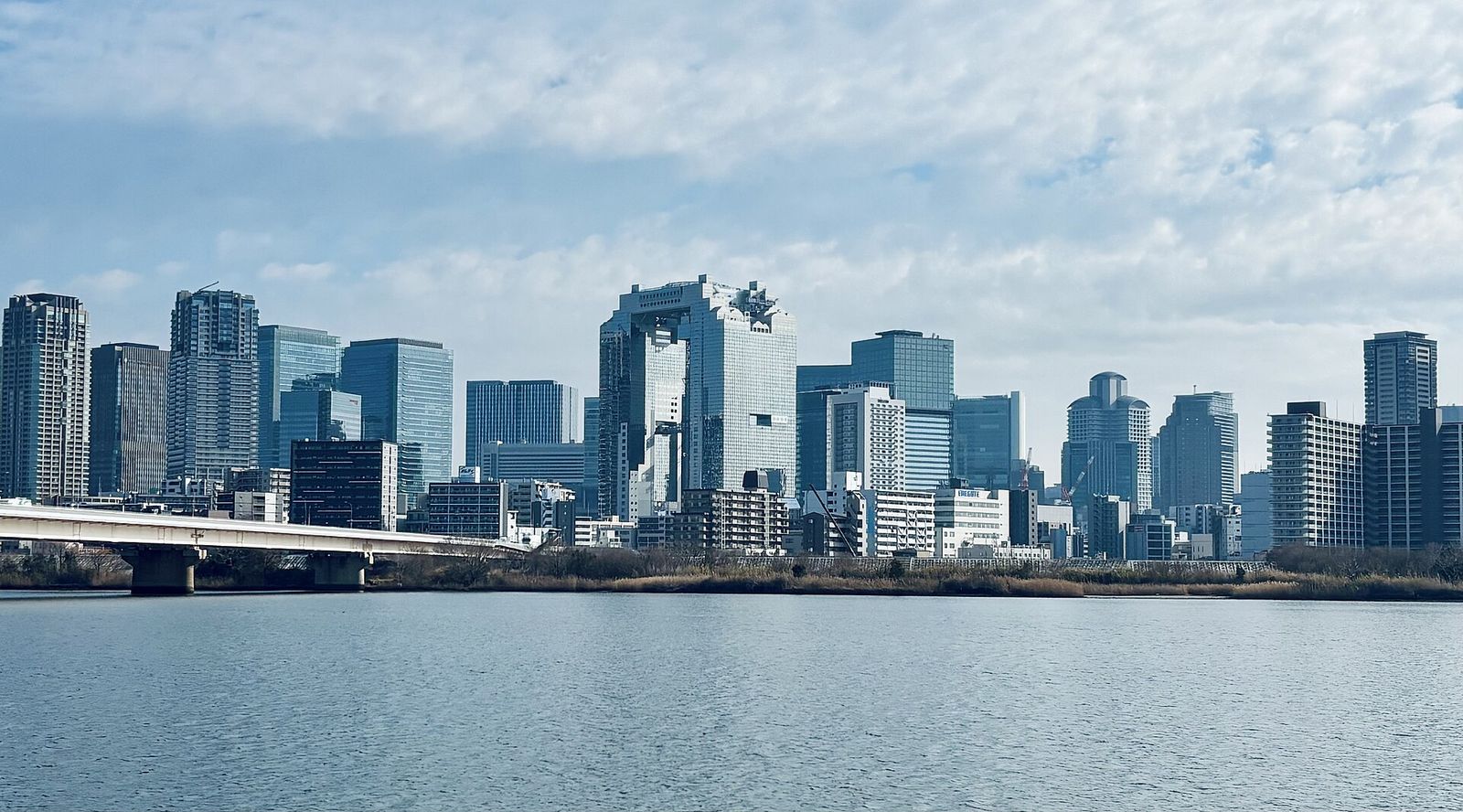
Evening. Watch the sunset from the Umeda Sky Building, whose open-air rooftop observatory spans the gap between two towers. For dinner, try the izakaya of Fukushima, one stop west of Osaka Station on the JR Loop Line, or the restaurant floors of the station's department stores.
What to book ahead
- Accommodation: book early for cherry blossom season (late March to early April), Golden Week (late April to early May), the mid-August holidays, New Year and the Tenjin Matsuri in late July.
- Universal Studios Japan: tickets are date-specific and best bought in advance, and popular areas and rides may need timed entry or add-on passes. Check the official site.
- Popular restaurants: sushi counters, kaiseki dinners and well-known okonomiyaki places often take reservations; casual spots usually mean a queue instead.
- Observation decks: tickets are sold on site, but sunset is the busiest time. Check the official sites for advance tickets and hours.
- Bunraku: the National Bunraku Theatre in Nipponbashi stages Osaka's traditional puppet theatre in seasonal runs. Check the performance calendar and book through the theatre.
Adapting the plan
- Rain: Umeda and Namba have huge underground shopping streets. The Osaka Museum of History, the Osaka Museum of Housing and Living near Tenjinbashi-suji, with its full-size reconstruction of an Edo-period street, and the Kaiyukan aquarium by the bay, known for its whale sharks, are all indoors.
- With children: the Nara deer, the Kaiyukan, Tennoji Zoo and the lion-head shrine tend to be favourites. Universal Studios Japan needs a full day, so swap it for Day 2.
- Slower pace: drop Nakanoshima and Namba Yasaka Shrine, and give Nara a whole day.
- A fourth day: Kyoto is under an hour away and Kobe and Himeji are easy too. Our guide to day trips from Kyoto compares Nara, Himeji, Uji, Kobe and more, and most of them work just as well from Osaka.
Practical booking tips
- Getting around: the Midosuji subway line links Umeda, Shinsaibashi, Namba and Tennoji, and the JR Loop Line circles the centre. Rechargeable IC cards such as ICOCA work on trains, subways and buses. Day passes and visitor passes bundle transport with sights; compare them with what you'll actually use.
- Accommodation tax: Osaka Prefecture charges a per-person, per-night tax on most stays. Check the current rate when you book.
- Cash: cards are widely accepted, but carry some cash for market stalls, small restaurants and shrines.
- Escalators: Osaka is known for standing on the right, unlike Tokyo, although many stations now ask people to stand still on both sides.
- Continuing on: for Kyoto, see our Kyoto in 3 days plan; for Tokyo, our Tokyo in 4 days itinerary.
Bloiq is reader-supported. Some links may earn us a commission; it never affects what we write. How we make money.
Cover photo: Otto Domes, CC BY-SA 4.0, via Wikimedia Commons