Home / Travel / Japan · Itineraries
Tokyo in 4 days: a first-visit itinerary that keeps travel short
A four-day Tokyo plan grouped by area: Asakusa and Ueno, Harajuku to Shinjuku, Ginza and the bay, and a flexible last day in Kamakura or west Tokyo.
This guide contains affiliate links, marked as such. If you book through them, Bloiq may earn a commission at no extra cost to you.
Tokyo isn't one centre but a cluster of them, each with its own character, and the rail network makes it tempting to zigzag across the city. This plan groups neighbourhoods that sit close together so that you spend your time exploring rather than changing trains. It suits a first visit at a steady pace, and it works well with jet lag: early mornings are used for the places that are calmest at dawn.
How this plan works
- One area per day, with neighbouring districts linked by short rides or walks, mostly on or near the JR Yamanote loop line.
- Temples, shrines and markets in the morning, when they're quietest; neon districts and viewpoints in the evening.
- Day 4 is flexible: a short trip to Kamakura, or a slower day in west Tokyo.
- Expect a lot of walking. Stations are large, and 15,000–20,000 steps a day is normal.
Day 1: Asakusa, Ueno and Akihabara
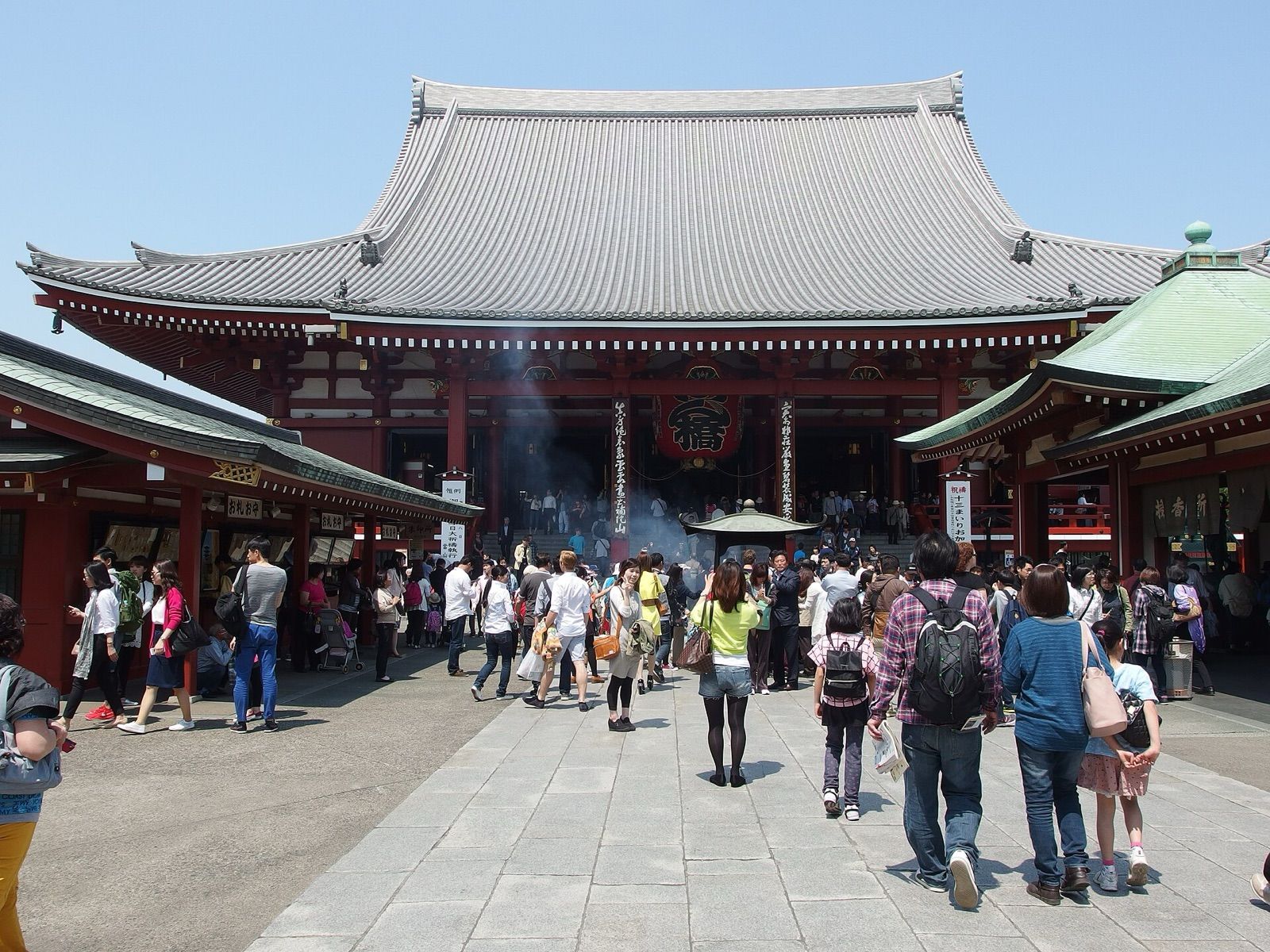
Morning: start at Senso-ji, Tokyo's oldest temple, entered through the Kaminarimon gate with its giant red lantern. Arrive early, before the shops on the approach street, Nakamise-dori, fill up with visitors. Walk down to the Sumida River for a view of the Tokyo Skytree across the water.
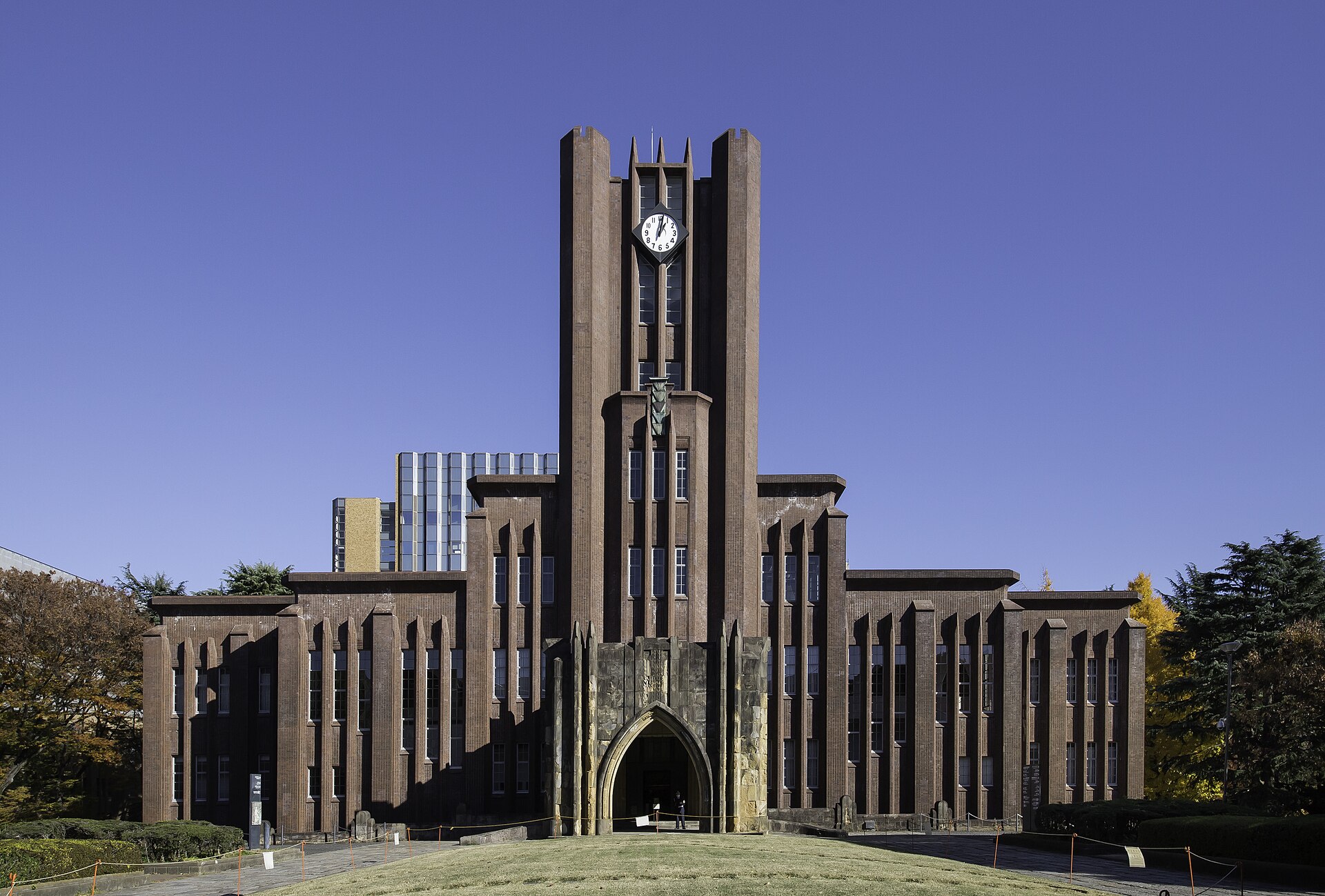
Afternoon: take a short ride to Ueno Park, home to several major museums. The Tokyo National Museum holds the country's largest collection of Japanese art and antiquities, so choose a gallery or two rather than trying to see it all. The park itself has a large pond, temples and shrines, and it's one of the city's classic cherry-blossom spots in spring. Afterwards, wander through Ameya-Yokocho, the busy market street running beside the railway tracks.
Evening: Akihabara, one stop or a short walk away, is the centre of electronics, anime, manga and gaming culture, and it's at its most vivid after dark.
Day 2: Harajuku, Shibuya and Shinjuku
Morning: walk through the forested grounds of Meiji Jingu, the great shrine dedicated to Emperor Meiji and Empress Shoken. The gravel paths and huge wooden torii gates feel far from the city. Then step out into Harajuku: Takeshita Street for youth fashion and snacks, and the wide, tree-lined Omotesando avenue for contemporary architecture and flagship stores.
Afternoon: walk or ride to Shibuya and its famous scramble crossing, best seen from above in one of the surrounding buildings. Explore the backstreets and department stores, and consider a rooftop observation deck at sunset (book this ahead).
Evening: head to Shinjuku. The free observation floors at the Tokyo Metropolitan Government Building offer a broad city view, and on clear days you may see Mount Fuji. Then explore the tiny bars and eateries of Omoide Yokocho and Golden Gai. Many Golden Gai bars seat only a handful of people and some charge a cover, so look for posted signs.
Day 3: Tokyo Station, Ginza and the bay
Morning: start early at the Tsukiji Outer Market for a breakfast of fresh seafood and street snacks. The wholesale fish market moved to Toyosu in 2018, but the outer market's shops and stalls remain, and many close by early afternoon. Walk on to Hama-rikyu Gardens, a traditional landscape garden on the bay with a teahouse on the water.
Afternoon: stroll through Ginza, Tokyo's upmarket shopping district, then on to the East Gardens of the Imperial Palace, where you can see the stone walls and foundations of the old Edo Castle keep. The gardens close on some weekdays, so check before you go. Tokyo Station's restored red-brick Marunouchi building is just beside them.
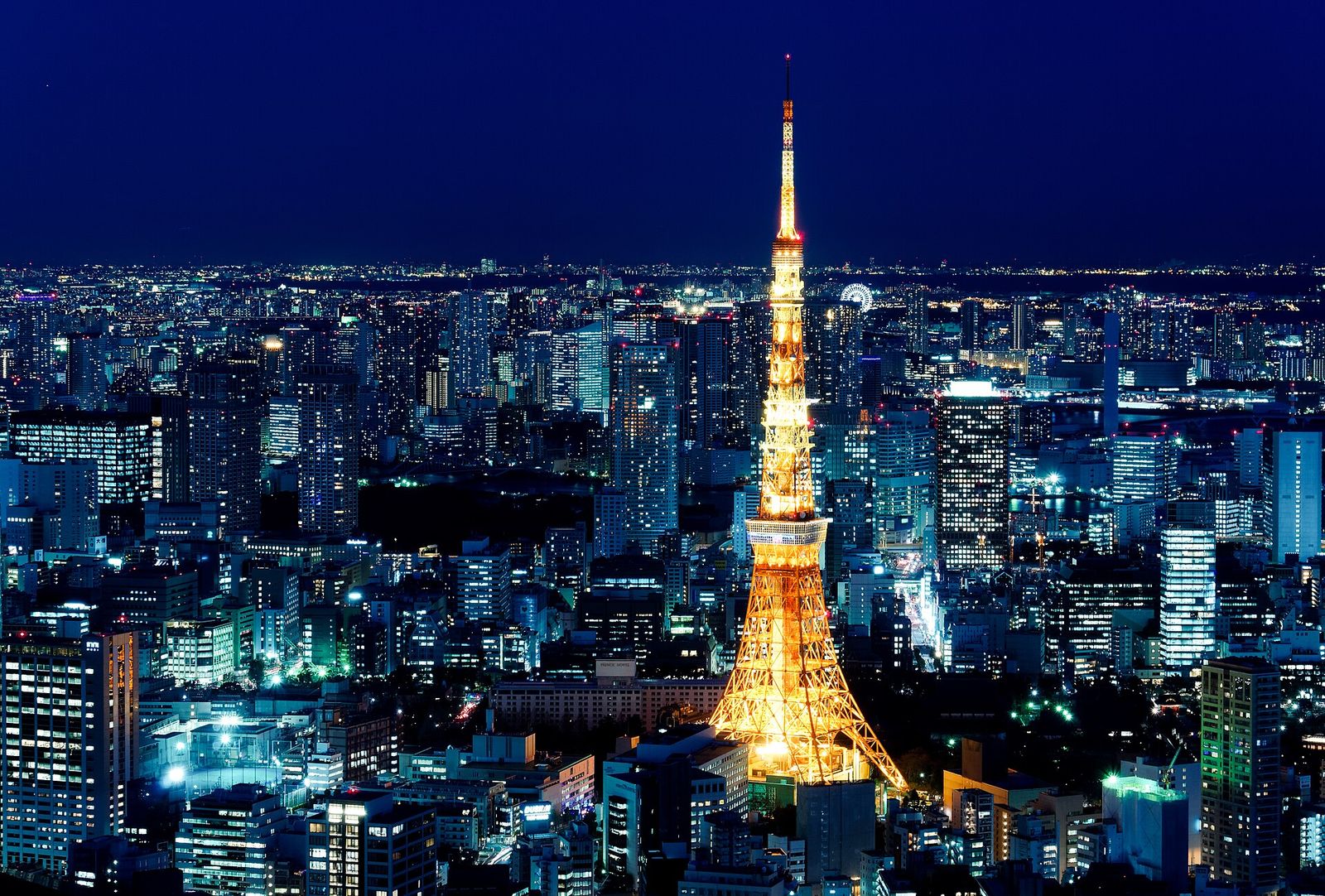
Evening: choose between Odaiba, reached by the elevated, driverless Yurikamome line across the Rainbow Bridge, for bay views and immersive digital-art museums, or Roppongi for Tokyo Tower, art museums and nightlife.
Day 4: Kamakura or west Tokyo
Option A: Kamakura. About an hour by train south of central Tokyo, Kamakura was Japan's political capital in the late 12th century. See the Great Buddha (Daibutsu), a bronze statue standing in the open air, the hillside Hase-dera temple with views over the sea, and the large Tsurugaoka Hachimangu shrine. The Enoden, a small local railway, runs along the coast. Allow a full day, and avoid weekends in the hydrangea season in June, when it gets very crowded.
Option B: west Tokyo, slowly. Spend the morning in Yanaka, an old neighbourhood near Ueno with temples, a cemetery and small shops that survived the wartime bombing. In the afternoon, head west to Shimokitazawa for vintage clothes and cafés, or to Kichijoji and Inokashira Park. If you've booked the Ghibli Museum in Mitaka, this is the day for it.
Evening: a last dinner in an izakaya, or a return to your favourite district.
What to book ahead
- Ghibli Museum: tickets are only sold in advance, released on a set schedule, and they go quickly.
- Rooftop observation decks at sunset, and the immersive digital-art museums: both use timed tickets and sell out on weekends and holidays.
- Sumo: Tokyo hosts three of the six annual tournaments at Ryogoku Kokugikan, in January, May and September; tickets sell out early.
- Popular restaurants, especially sushi counters and themed cafés, often need reservations weeks ahead, sometimes through the hotel.
- Day trips with reserved seats, such as limited express trains to Nikko or Hakone if you swap Day 4.
Check the official sites for current booking rules; several attractions change their ticketing systems from time to time.
Adapting the plan
- Rain: Tokyo does indoor well. Swap in museums in Ueno or Roppongi, department-store food halls, the digital-art museums, or the huge underground shopping streets around Tokyo Station and Shinjuku.
- With children: Ueno Zoo, the science museum Miraikan in Odaiba, and the observation decks are good bets. Avoid rush hour on the trains with a pushchair.
- Slower pace: drop the evening districts and keep one neighbourhood per day. Tokyo is safe and pleasant to wander without a plan.
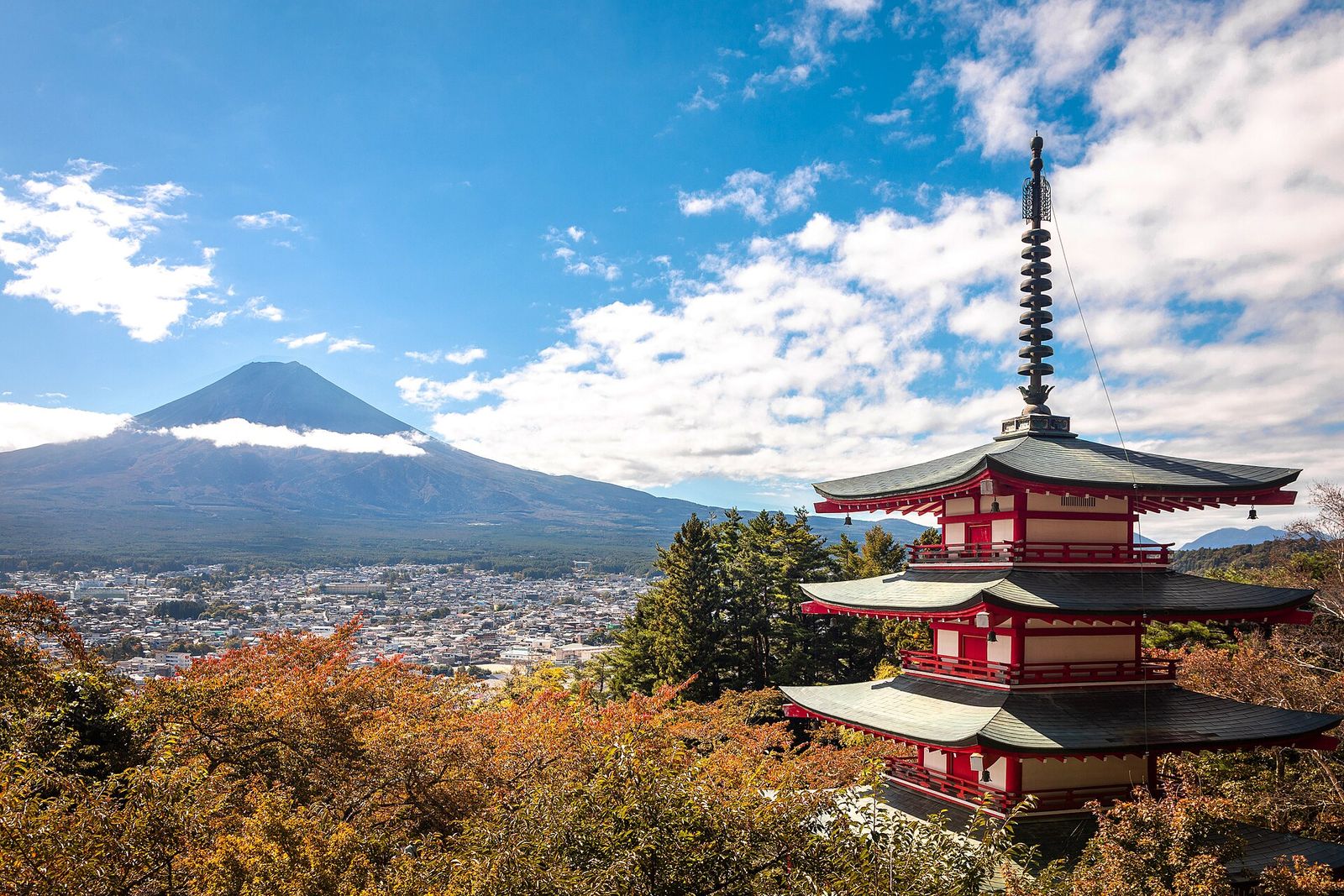
- Longer stay: add Nikko for shrines in the mountains, or Hakone for hot springs and views of Mount Fuji, ideally with an overnight stay.
Getting around and where to stay
A rechargeable IC card such as Suica or PASMO, or a mobile version in your phone wallet, covers almost every train, subway and bus. Availability of physical cards has varied in recent years, so check current options before you travel. Most lines stop around midnight.
For this plan, a base in Shinjuku, Shibuya, Ueno or near Tokyo Station keeps each day within a short ride. Our guide to where to stay in Tokyo compares the main areas.
Practical booking tips
- Check entry rules for your nationality on the official government site before you travel.
- Book early for peak seasons: cherry-blossom season, Golden Week in late April and early May, and the New Year period.
- Pick a hotel close to a station; walking distance to the platform matters more than the neighbourhood name.
- Carry some cash for smaller restaurants and shrines, though cards are now widely accepted.
- Use luggage forwarding if you're moving on to Kyoto or elsewhere, so you're not carrying cases through busy stations.
Four days is enough to see Tokyo's contrasts, from incense-filled temples to neon-lit alleys, if you let each day belong to one part of the city.
Bloiq is reader-supported. Some links may earn us a commission; it never affects what we write. How we make money.
Cover photo: Guilhem Vellut from Annecy, France, CC BY 2.0, via Wikimedia Commons
.jpg)