Home / Travel / Japan · Where to stay
Where to stay in Tokyo: the main areas compared for a first visit
Tokyo is vast, so your base shapes every day. How Shinjuku, Shibuya, Ginza, Asakusa, Roppongi, Ikebukuro and Shinagawa compare, plus trains, IC cards and airports.
This guide contains affiliate links, marked as such. If you book through them, Bloiq may earn a commission at no extra cost to you.
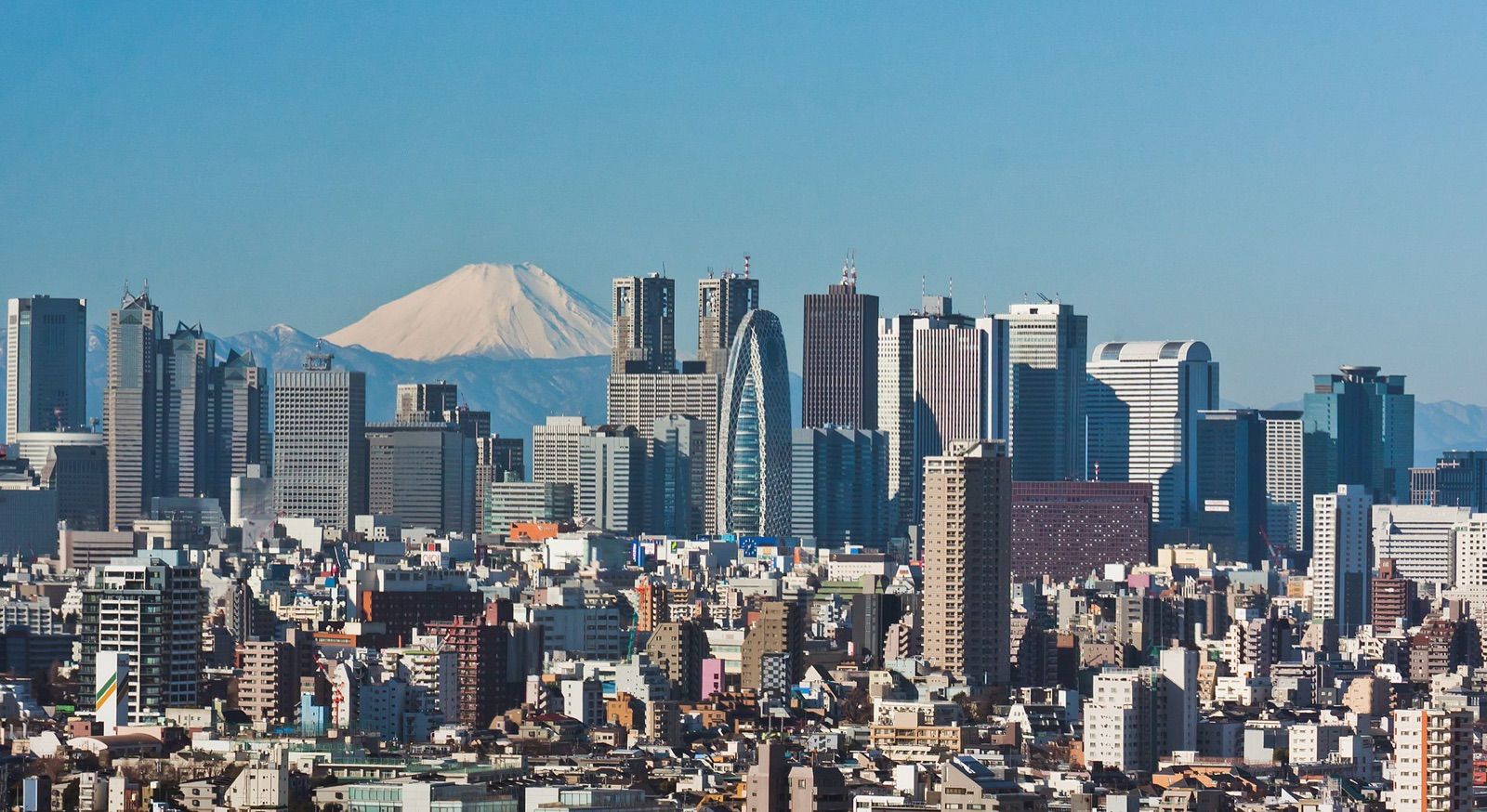
Tokyo doesn't have one centre. It's a cluster of busy hubs, each built around a major railway station, and the right base depends less on which area is "best" than on how close you are to a good station. Stay near the right line and the whole city is 20 or 30 minutes away; stay in the wrong corner and you'll spend your trip changing trains. Here's how the main areas compare.
The quick answer
- First visit, maximum convenience: Shinjuku.
- Young, lively and fashion-focused: Shibuya.
- Polished, central, Shinkansen day trips: Ginza or around Tokyo Station.
- Traditional atmosphere and better value: Asakusa or Ueno.
- Nightlife and art museums: Roppongi.
- Budget-friendly and well connected: Ikebukuro.
- Easy Haneda Airport and bullet-train access: Shinagawa.
Shinjuku: the all-rounder
Shinjuku Station is one of the busiest railway stations in the world, served by the JR Yamanote and Chuo lines, several metro and Toei subway lines and private railways heading west towards Hakone. Around it you'll find department stores, the skyscrapers and free observation decks of west Shinjuku, the tiny bars of Golden Gai and Omoide Yokocho, and the Shinjuku Gyoen garden.
Good for: first-time visitors who want easy access to everything, late dinners and plenty of hotel choice at every level. Consider: the station is a maze, so allow extra time and use the exit numbers. Kabukicho, north-east of the station, is the city's main red-light and nightlife district; it's generally safe, but many travellers prefer to sleep on the quieter south or west side.
Shibuya: energy and youth culture
Home of the famous scramble crossing, Shibuya is Tokyo at its most crowded and colourful. It's also a short walk or one stop from Harajuku and Omotesando, and close to calmer neighbourhoods such as Ebisu and Daikanyama. The area has been heavily redeveloped, with new towers, shopping centres and rooftop viewpoints.
Good for: younger travellers, shoppers and anyone who wants nightlife on the doorstep. Consider: it's intensely busy, especially at weekends, and rooms near the crossing can be small and expensive. The station is complicated too.
Ginza and Tokyo Station: central and refined
Ginza is the city's upscale shopping district, with wide avenues, flagship stores and excellent restaurants, and it's quiet late at night. Tokyo Station, a short walk north, is the main Shinkansen terminal for bullet trains to Kyoto, Osaka and northern Japan, and sits next to the Marunouchi business district and the Imperial Palace gardens.
Good for: couples, business travellers and anyone planning day trips or onward journeys by Shinkansen. Consider: it's one of the pricier parts of town, and the evening atmosphere is more sophisticated than lively.
Asakusa and Ueno: old Tokyo and good value
Asakusa grew up around Senso-ji, Tokyo's oldest temple, and keeps a low-rise, traditional feel, with craft shops, small restaurants and views across the Sumida River to the Tokyo Skytree. Ueno, nearby, has a large park with several major museums, a zoo and the lively Ameyoko market street. Both areas generally offer better value than the west side of the city.
Good for: budget-conscious travellers, families and anyone who wants a more traditional setting. Consider: Asakusa is quiet in the evening and 30 minutes or more from Shinjuku and Shibuya. Ueno has a direct express train to Narita Airport, and the Toei Asakusa line has through trains towards both airports, which makes arrivals easy.
Roppongi: nightlife and museums
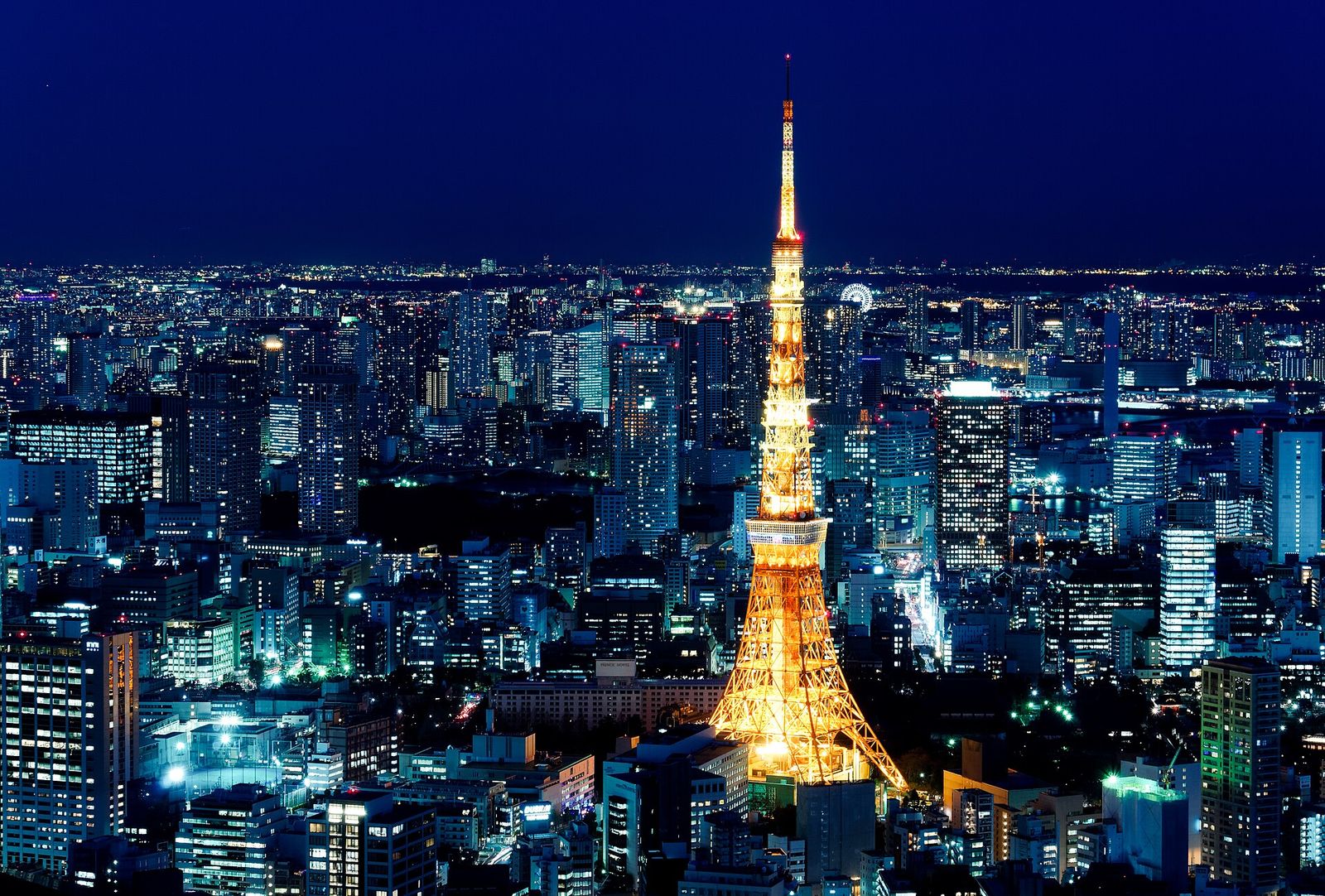
Roppongi has long been known for bars and clubs popular with foreign residents, but it's also home to modern developments with major art museums and a city observation deck. It's close to Tokyo Tower and Azabudai.
Good for: nightlife, art lovers and travellers who want a cosmopolitan, international feel. Consider: it isn't on the JR Yamanote line, so you'll rely on the metro, and some streets are loud and pushy with touts late at night.
Ikebukuro: practical and affordable
Ikebukuro is a large, busy hub on the north-west side of the Yamanote loop, with big department stores, a large shopping and entertainment complex, and a strong anime and games scene. It has good rail links, including express trains to the historic town of Kawagoe.
Good for: budget and mid-range travellers who want plenty of food and shopping without paying Shinjuku prices. Consider: it has fewer headline sights, and it feels more everyday than glamorous.
Shinagawa: the transport base
Shinagawa is a business district and a major station on the Shinkansen line, with a fast direct train to Haneda Airport. It has many large hotels and it's a practical choice for short stays, early flights or trips that combine Tokyo with Kyoto and Osaka.
Good for: stopovers, business trips and travellers covering several cities. Consider: it's short on atmosphere, so you'll travel out for most sightseeing and evenings.
How the areas compare
| Area | Atmosphere | Price level | Best transport link |
|---|---|---|---|
| Shinjuku | Busy, neon, all-hours | Mid to high | JR Yamanote and Chuo, many metro lines |
| Shibuya | Young, crowded | Mid to high | JR Yamanote, several metro lines |
| Ginza / Tokyo Station | Polished, quiet at night | High | Shinkansen, JR lines, metro |
| Asakusa / Ueno | Traditional, relaxed | Lower to mid | Metro, trains to Narita |
| Roppongi | International, nightlife | Mid to high | Metro only |
| Ikebukuro | Everyday, lively | Lower to mid | JR Yamanote, private railways |
| Shinagawa | Business-like | Mid | Shinkansen, direct Haneda trains |
Getting around Tokyo
- JR Yamanote line: the green loop line links Shinjuku, Shibuya, Tokyo Station, Ueno, Ikebukuro and Shinagawa. Being near a Yamanote station is the simplest rule for choosing a base.
- Metro and subway: two operators, Tokyo Metro and Toei, run a dense network with clear English signage and numbered stations. Visitor passes valid for 24, 48 or 72 hours on both networks are available.
- IC cards: rechargeable cards such as Suica and PASMO work on almost all trains, subways and buses in the city, as well as in convenience stores and vending machines. Tourist versions and phone-wallet versions are available; check which works for your phone and length of stay.
- Last trains: most lines stop running around midnight. Taxis are clean and reliable but expensive for long distances.
Rule of thumb: pick a hotel within a five-minute walk of a station on the line you'll use most. In Tokyo, walking distance to the station matters more than the name of the neighbourhood.
Arriving from the airports
- Haneda: the closer airport, on Tokyo Bay. The Keikyu line runs to Shinagawa and the Tokyo Monorail to Hamamatsucho, both in well under half an hour, and airport coaches serve major hotels and stations.
- Narita: much farther out, typically an hour or more by express train. The Narita Express serves Tokyo Station, Shinagawa, Shibuya, Shinjuku and Ikebukuro, while the Skyliner runs to Nippori and Ueno. Airport coaches are a good option with heavy luggage.
Practical tips before you book
- Expect small rooms. Standard city hotel rooms are compact, and "double" rooms often have one bed that's narrower than a North American queen. Check the room size in square metres and the bed width.
- Avoid rush hour with luggage. Commuter trains are packed between roughly 7:30 and 9:30 a.m. Luggage forwarding services can send bags between hotels and airports for a fee, usually by the next day.
- Check the exact exit. Big stations have dozens of exits, and a hotel "at" a station may be a 10-minute walk underground.
- Accommodation tax: Tokyo charges a small per-person, per-night tax on rooms above a certain rate. Check the current amount when you book.
- Book early for peak seasons, particularly cherry-blossom season in late March and early April, Golden Week in late April and early May, and the New Year holidays.
Choose Shinjuku or Shibuya for energy, Ginza for polish, Asakusa or Ueno for value and tradition, and Shinagawa for easy onward travel, and Tokyo's excellent trains will take care of the rest.
Bloiq is reader-supported. Some links may earn us a commission; it never affects what we write. How we make money.
Cover photo: Morio, CC BY-SA 3.0, via Wikimedia Commons
.jpg)