Food processors: bowl sizes, blades and discs, and when to buy one
How to choose a food processor: bowl capacity, the blades and discs that matter, motor power, and how it compares with a blender or a mini chopper.
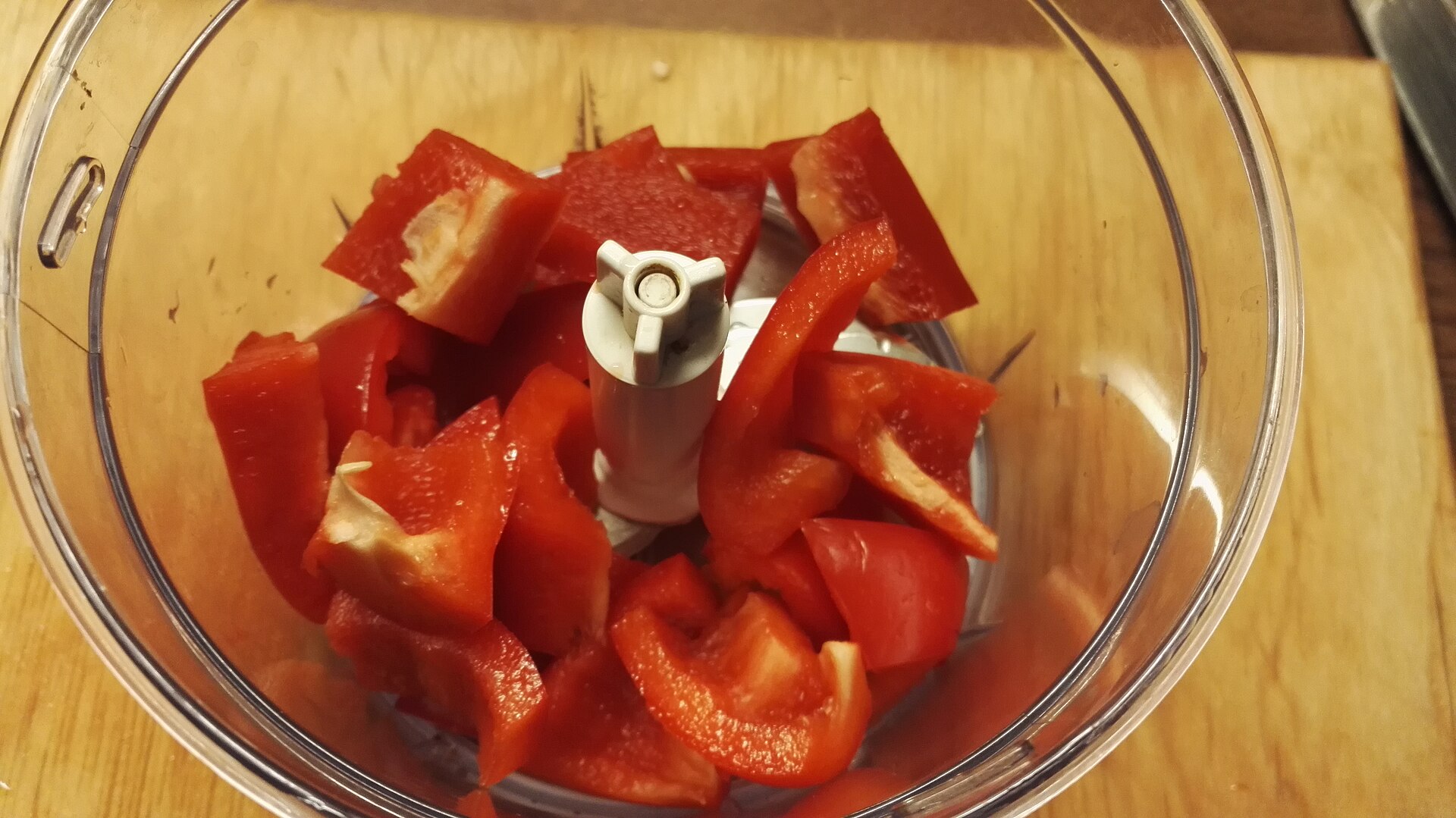
A food processor does the repetitive knife work in a kitchen: chopping onions, slicing a pile of potatoes, grating cheese, making pastry or hummus. It can save a great deal of time, but only if you buy the right size and the attachments you'll actually use. This guide explains bowl sizes, blades and discs, motor power, and how a food processor differs from a blender and a mini chopper, so you can decide whether you need one and which type.
Food processor, blender or mini chopper?
The three appliances overlap, but each is designed for different jobs.
| Mini chopper | Food processor | Blender | |
|---|---|---|---|
| Typical capacity | About 0.5–1 litre | About 1.5–3.5 litres | Jug of about 1.5–2 litres |
| What it does best | Small amounts of herbs, garlic, onion, nuts | Chopping, slicing, grating, doughs, thick dips | Smoothies, soups, sauces, anything liquid |
| Attachments | Usually one chopping blade | Chopping blade plus discs, often a dough blade | Fixed or removable blade |
| Limitations | Can't slice or grate; small batches | Leaks if overfilled with liquid; bulkier | Poor at chopping and slicing; needs liquid to circulate |
The key difference is shape. A blender has a tall, narrow jug that creates a vortex, pulling liquid down onto the blades, so it excels at smooth drinks and purées. A food processor has a wide, flat bowl and a blade that sits close to the base, so it chops solid ingredients evenly and handles thick mixtures without extra liquid. It also accepts slicing and grating discs, which a blender can't. A mini chopper is a small food processor with only the chopping blade.
For more on jugs and power, see our blender guide.
Bowl sizes: what the numbers mean
Food processor capacity is often quoted in cups in North America and in litres elsewhere. Rough equivalents:
- Mini (3–5 cups, about 0.7–1.2 litres): a handful of herbs, a few garlic cloves, a small batch of pesto or baby food.
- Compact (7–9 cups, about 1.7–2.1 litres): everyday meals for one to three people, small batches of dough and dips.
- Full-size (11–14 cups, about 2.6–3.3 litres): family cooking, bread and pastry dough, batch slicing and grating.
- Large (16 cups or more, about 3.8 litres and up): big batches, meal preparation and frequent baking.
Two details matter more than the headline figure:
- Liquid capacity is much lower than dry capacity. The bowl has a hollow central post around the drive shaft, and liquid above a certain level leaks out around it or under the lid. Look for the maximum liquid line, and blend soups in a blender instead.
- Small quantities get lost in big bowls. A large processor may throw a single clove of garlic around the bowl without chopping it. Many full-size models include a small mini bowl that nests inside the main one, which solves this.
Rule of thumb: choose the bowl for the batches you make most often, not the largest you can imagine. A compact processor with a mini bowl suits most households; bakers and big families should go full-size.
The blades and discs, and what each does
The S-blade (chopping or multi-purpose blade) sits on the central shaft and does most of the work: chopping, mincing, puréeing, mixing pastry and making nut butters and dips. Pulse it for control; run it continuously for smooth results.
The dough blade, usually blunter and often plastic, kneads bread and pizza dough. Many processors knead well with the S-blade too, so check the manual. Kneading is where weak motors struggle, so look at the maximum flour quantity the manufacturer states.
Slicing discs sit at the top of the bowl under the feed tube and slice vegetables, fruit and cheese as you push them through. Some are fixed at one thickness; others are adjustable, with a dial or lever that sets thickness from wafer-thin to thick. Adjustable discs are convenient but have more parts to clean.
Grating or shredding discs are often reversible, with fine and coarse sides. They make quick work of cheese, carrots, cabbage for coleslaw and potatoes for rösti.
Other attachments you may find:
- Julienne or chip discs for matchstick and chip cuts.
- Dicing kits, which cut cubes using a grid; useful if you dice a lot, but fiddly to clean.
- Whisk or emulsifying discs for egg whites or cream, although a stand mixer or hand mixer usually does these jobs better.
- Citrus presses and spiralizers on some models.
More attachments aren't automatically better. Every extra disc needs storage, and many owners use only the S-blade, one slicing disc and one grating disc.
Feed tubes and safety interlocks
The feed tube is the chute in the lid through which you push food onto a disc. A wide feed tube takes whole potatoes, blocks of cheese and large pieces of vegetable with less pre-cutting. Most have a pusher with a narrower inner tube for thin items such as carrots, which keeps slices neat.
All food processors have safety interlocks: the motor won't run unless the bowl and lid are correctly locked in place. Some designs are easier to assemble than others, and a lid that is awkward to line up quickly becomes a reason not to use the machine.
Motor power and build
Food processor wattage typically ranges from a few hundred watts for mini choppers to around 1,000 W or more for large models. As with blenders, wattage is only a rough guide.
- Heavier bases stay put when kneading dough or processing thick mixtures. A light processor may walk across the counter.
- Induction motors, used on some models, run more quietly and are often built for longer life. Many others use universal motors, which are lighter and louder.
- Speed settings: most food processors need only one speed plus pulse. Extra speeds help with some attachments, but they're not essential.
Check the warranty, especially on the motor, and whether replacement bowls, lids and blades are available. Bowls and lids are the parts most likely to crack over the years.
Mini choppers: when small is enough
A mini chopper is the right choice if you mostly chop onions, herbs, garlic, chillies and nuts, or make small batches of dressing, salsa or baby food. It takes little space, is quick to wash and costs much less. Some hand blenders come with a chopper bowl attachment that does the same job.
What a mini chopper can't do is slice, grate or knead, or handle large quantities. If you regularly grate cheese, slice vegetables for gratins or make dough, you'll outgrow one quickly.
Cleaning and storage
- Rinse straight away. Starchy and sticky foods are much easier to remove before they dry.
- Check dishwasher guidance. Many bowls, lids and blades are dishwasher-safe, but some manufacturers recommend the top rack only, and hot cycles can cloud plastic bowls over time.
- Handle blades and discs carefully. They're very sharp. A storage box or case keeps them safe and together.
- Plan counter space. A food processor you have to lift out of a cupboard gets used less. Measure the height under your wall cabinets if it will live on the counter.
If you already own a stand mixer, check whether a food-processor or slicer attachment is available for it; see our stand mixer guide. Good knife skills still matter for small jobs, and our chef's knife guide covers choosing one.
The short version
- Buy a blender for liquids, a food processor for chopping, slicing, grating and dough, and a mini chopper for small chopping jobs.
- For most households, a compact (7–9 cup) processor, ideally with a mini bowl, is the best balance. Choose full-size for families, baking and batch cooking.
- Look for an S-blade, one slicing disc and a reversible grating disc; add a dough blade if you bake.
- Check the maximum liquid line and the stated dough capacity.
- Prefer a heavy base, a wide feed tube and parts you can easily clean and replace.
Bloiq is reader-supported. Some links may earn us a commission; it never affects what we write. How we make money.
Cover photo: Teemeah, CC BY-SA 3.0, via Wikimedia Commons