Car seat covers and protectors: fabrics, fit, airbags and pets
How to choose car seat covers and protectors: fabrics and waterproofing, universal or custom fit, side-airbag compatibility, and pet and child-seat protectors.
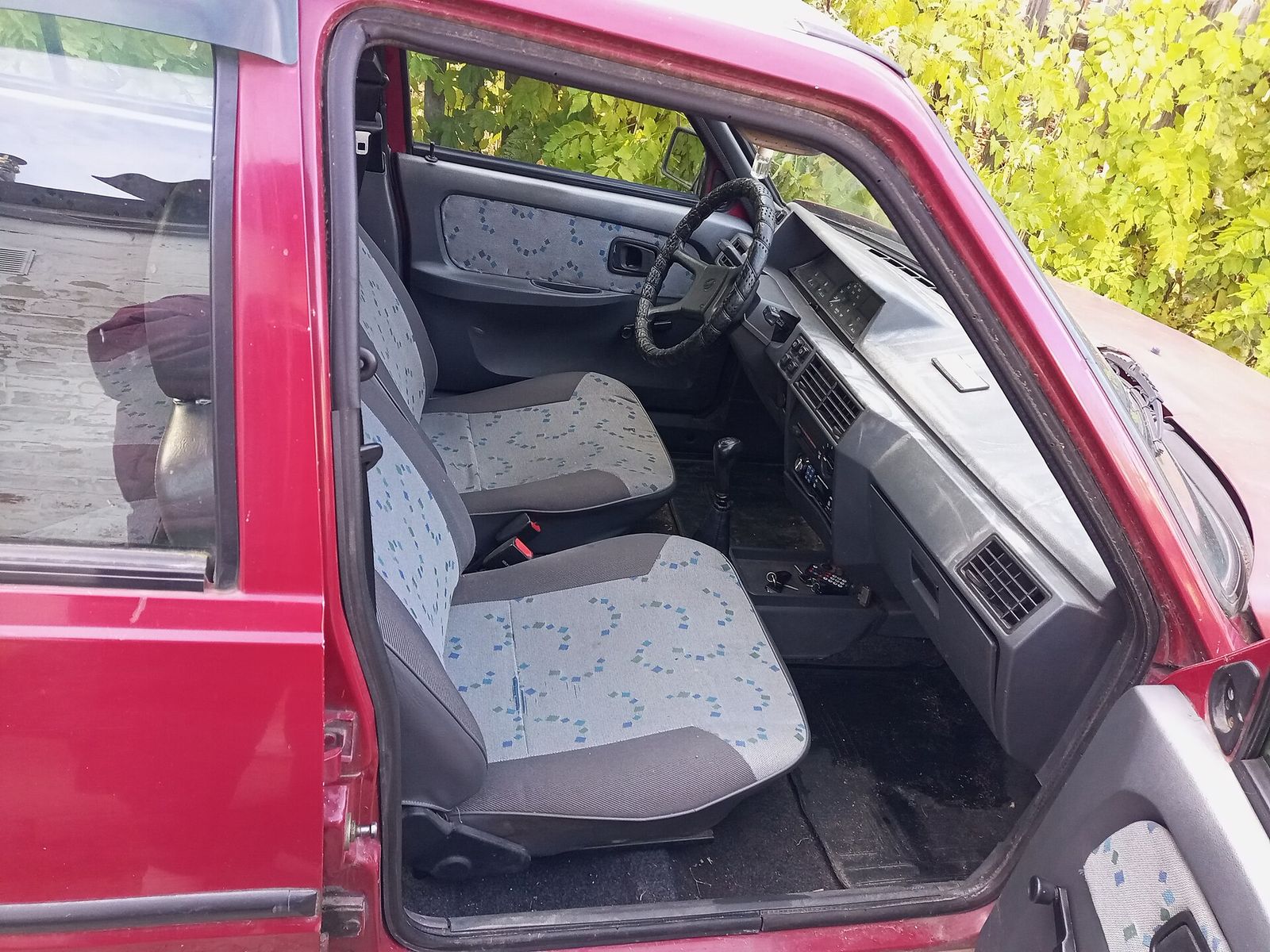
Seats take more abuse than any other part of a car's interior: muddy dogs, wet swimming kit, spilled coffee, children's shoes and years of sunlight. Covers and protectors can keep the original upholstery looking new, hide wear on an older car or make a work vehicle easier to clean. But a cover sits right over the side airbags and seat sensors in many modern cars, so the wrong one can do more than look untidy. This guide explains the types, the fabrics and the safety points to check.
Covers, protectors and liners
The products fall into a few groups:
- Full seat covers wrap the backrest, cushion and often the headrest, held on with elastic, straps and hooks under the seat. They change the look of the seat as well as protecting it.
- Seat protectors are simpler pads or sheets that cover the area that gets dirty, usually the cushion and the front of the backrest. They're quick to fit and remove.
- Rear-bench and pet covers, including hammock designs that clip to the front and rear headrests and close off the footwell.
- Seat-back protectors (kick mats) that hang on the back of the front seats and catch children's shoes.
- Child-seat protectors, thin mats meant to go under a child car seat.
For the floor, our floor mats and cargo liners guide covers the other half of keeping an interior clean.
Universal, semi-custom or custom fit
| Universal | Semi-custom | Custom (vehicle-specific) | |
|---|---|---|---|
| Fit | Stretches to fit many seats | Sized for a type of seat or a group of models | Patterned for one model and seat version |
| Look | Often baggy or wrinkled | Neater | Closest to factory upholstery |
| Openings | General | Some cut-outs | Exact cut-outs for levers, belts, armrests and headrests |
| Fitting | Quick | Moderate | Can take an hour or more |
Universal covers suit occasional use and older cars. If the covers will stay on for years, or if your seats have side airbags, integrated belts, split-folding backrests or armrests, a cover made for your model fits better and keeps everything working. Check the listing against your exact model, year and trim, since seats often change between versions.
Fabrics and what they're good at
- Neoprene: the wetsuit material. Water-resistant, soft and snug-fitting, popular for surfers, swimmers and outdoor sports. It can feel warm in hot weather.
- Polyester and polycotton canvas: tough, washable and usually affordable. Look for a water-resistant coating if you need it.
- Heavy-duty nylon (often called ballistic or high-denier): very abrasion-resistant, used for work vehicles, tools and dogs.
- Faux leather (PU or vinyl leatherette): wipe-clean and smart-looking, but can get hot in summer, cold in winter and sticky against bare skin.
- Sheepskin and synthetic fleece: warm in winter and cool-ish in summer, comfortable for long drives, but harder to clean and not waterproof.
- Mesh and spacer fabric: breathable, used in summer and sports covers.
- Velour and jacquard: soft, upholstery-like fabrics that are good for refreshing tired seats rather than protecting against mud.
Waterproof or water-resistant? "Water-resistant" fabric sheds splashes and light rain, but water will soak through under weight or over time. A genuinely waterproof cover has a backing layer, often a polyurethane coating or a thin membrane, and sealed or overlapping seams. For wet dogs, wetsuits or children who spill, look for a stated waterproof backing and a non-slip underside.
Side airbags: the most important check
Many cars have side airbags built into the outer bolster of the front seats, and some into the rear seats too. They deploy through a seam in the upholstery. A normal cover over that seam can slow or redirect the airbag, which could make it less effective in a crash.
How to check:
- Look for an "Airbag" or "SRS" label sewn into the side of the seat, or check the owner's manual.
- If your seats have side airbags, use only covers described as airbag-compatible. These have a special tear seam or an opening on the side, designed to split when the airbag deploys. They need to be fitted exactly as instructed, with the airbag side on the door side.
- Check whether the vehicle maker allows covers at all. Some handbooks advise against any covers on airbag seats.
Some front passenger seats also contain an occupant detection sensor that decides whether the passenger airbag should fire, based on weight or pressure. Thick or padded covers, or objects under the cover, can affect it. If the passenger airbag warning light behaves differently after fitting covers, take them off and check the handbook. Heated and ventilated seats also work less well under thick covers, and some makers advise against covering ventilated seats.
Pet covers and hammocks
For dogs, look for:
- A waterproof, quilted top layer that resists claws and wipes clean.
- A non-slip backing so the cover doesn't slide on leather or fabric.
- Side flaps that protect the doors and the edges of the bench.
- Seat-belt openings (usually Velcro or zip) so you can attach a harness tether or still use the belts.
- Hammock mode that stops the dog sliding into the footwell, or bench mode if people also sit in the back.
- Machine-washable fabric, or at least one you can hose down.
A cover isn't a restraint. Many road codes expect pets to be secured so they can't distract the driver or be thrown forward in a crash, typically with a crash-tested harness, a crate or a dog guard in the boot. Check the current rules where you drive.
Child-seat protectors: check the manuals first
Mats that sit under child car seats promise to stop dents and crumbs on the upholstery. The concern is that anything between the child seat and the vehicle seat can change how firmly the seat is installed, especially with seat belts or with ISOFIX/LATCH connectors and a support leg. Many child-seat makers advise against using anything underneath unless they've approved it.
- Read both the child-seat manual and the vehicle handbook.
- Choose thin, non-slip protectors that the child-seat maker allows, or ones it sells itself.
- Check the installation is just as firm after fitting the mat.
- Kick mats on the front seatbacks are a lower-risk way to protect the car.
Our child car seat guide explains installation in more detail.
Fitting and care
- Fit covers with the seats empty and the backrest upright; work the material into the gaps with your hands.
- Keep levers, belt buckles, ISOFIX points and headrest adjusters accessible.
- Re-tension straps after a week or two, as covers stretch and settle.
- Wash according to the label. Many fabric covers go in a machine on a cool cycle; neoprene and faux leather are usually wiped or hand-washed. Air-dry rather than tumble-dry unless the label allows it.
- Vacuum the seats before fitting, and occasionally under the covers, as grit trapped underneath can wear the upholstery. A good car vacuum makes this easier.
The short version
- Decide what you're protecting against: mud and water, pets, wear or style.
- Choose custom fit for long-term use; universal for occasional jobs.
- Pick the fabric to match the job: neoprene or a waterproof backing for wet use, heavy nylon for dogs and tools, sheepskin or mesh for comfort.
- Check for side airbags and use only airbag-compatible covers, fitted as instructed.
- Watch the passenger airbag light and avoid thick covers on heated or ventilated seats.
- Use pet covers alongside a proper restraint, and follow both manuals before putting anything under a child seat.
Bloiq is reader-supported. Some links may earn us a commission; it never affects what we write. How we make money.
Cover photo: Natalka Ukraine, CC BY 4.0, via Wikimedia Commons