Car vacuums guide: cordless vs 12 V, filters, tools and suction claims
Cordless and 12 V car vacuums compared, what pascal, air-watt and watt figures really measure, why filters and attachments matter, and how to care for batteries.
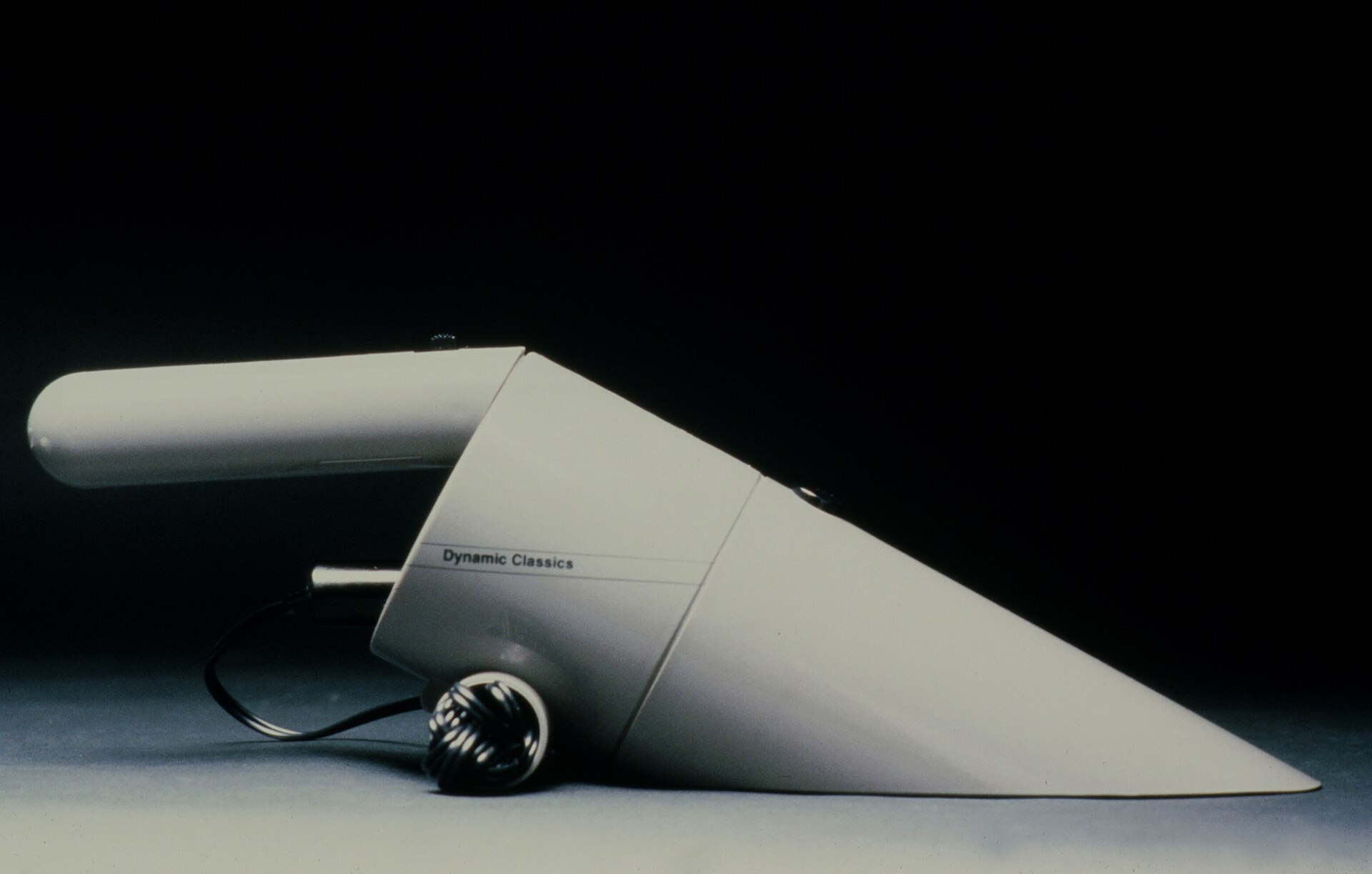
Cars collect crumbs, sand, pet hair, grit and road salt in places a household vacuum struggles to reach. A dedicated car vacuum makes cleaning quick enough to do often, which keeps carpets and upholstery in better condition. The choice is mainly between cordless models and ones that plug into the car's 12 V socket, and the spec sheets are full of suction figures that are hard to compare. This guide explains what matters.
Cordless or 12 V corded?
| Cordless (battery) | 12 V corded | |
|---|---|---|
| Power source | Rechargeable lithium-ion battery | Car's 12 V accessory socket |
| Run time | Limited, often around 10–30 minutes on normal power, less on maximum | As long as you need, within the car battery's limits |
| Suction | Varies widely; the best are strong | Limited by the socket's power |
| Convenience | Grab and go; use anywhere, including at home | Cable to manage; only works in or near the car |
| Longevity | Battery wears over years; replaceable on some | No battery to wear out |
Cordless vacuums are the most convenient and the most popular. Some use removable batteries shared with a range of power tools, which is handy if you already own that system. Check the run time on the power setting you'd actually use, and the recharge time.
12 V corded vacuums plug into the accessory socket. They never run out of charge mid-job, but their power is capped. A typical accessory socket is protected by a fuse of around 10–20 A, which limits the vacuum to roughly 120–240 W of input power. Check your car's manual for the socket rating and use a vacuum within it; overloading blows the fuse. Also check the cable length reaches the boot and the far rear footwell from the front socket.
With a 12 V vacuum, a long session with the engine off will drain the car battery. Running the engine avoids this, but never run the engine in a closed garage because of carbon monoxide.
A household cordless stick vacuum with a handheld mode, or a small wet/dry shop vacuum, can also do an excellent job on cars if you already own one.
Making sense of suction claims
Vacuum makers use several different figures, and they don't measure the same thing:
- Pascals (Pa) or kilopascals (kPa) measure sealed suction: how strongly the vacuum pulls when the inlet is blocked. It shows lifting power, but not how much air moves.
- Air watts (AW) combine suction and airflow into a single figure of cleaning power. It's generally more useful than pascals alone, but how it's measured isn't always stated.
- Watts (W) on corded models usually means input power, the electricity consumed. That indicates motor size, not cleaning performance.
- Airflow, in litres per second or cubic feet per minute, matters for picking up light debris and hair, yet is rarely quoted.
Because test methods vary, compare figures only when they're the same kind of measurement, ideally from the same maker, and note which power mode the figure applies to; headline figures are often for a maximum setting that runs the battery down quickly. Nozzle design, brush tools and a well-sealed body also make a big difference in real use. Our robot vacuum guide explains pascal ratings in more detail.
Filters
Filters protect the motor and determine how much fine dust goes back into the car.
- Cyclonic separation spins larger debris out of the airflow before it reaches the filter, helping keep suction steady as the bin fills.
- Mesh pre-filters catch hair and larger particles.
- HEPA filters trap very fine particles. A true HEPA filter meets a recognised standard for efficiency; wording such as "HEPA-type" or "HEPA-style" may not mean the same.
- Washable filters save on replacements, but must be completely dry before refitting, often a day, or they can grow mould and damage the motor.
Check that replacement filters are easy to obtain. A clogged filter is the most common cause of weak suction, so empty the bin and clean the filter often. The bin on a handheld is small, often a fraction of a litre, so expect to empty it several times on a dirty car.
Attachments worth having
- Crevice tool: long and narrow, for between seats and along the edges of the console. The single most useful car attachment.
- Brush tool: for dashboards, vents and upholstery, loosening dust as it vacuums.
- Motorised or turbo brush: a small spinning brush that lifts embedded pet hair and grit from carpets and fabric seats.
- Flexible extension hose: for footwells, under seats and the boot, without holding the whole vacuum in awkward positions.
- Built-in light: useful for dark footwells.
- Storage bag: keeps tools together in the boot.
Wet messes
Most handheld vacuums are for dry debris only. Sucking up liquid can damage the motor and create an electrical hazard. For spilled drinks or wet mud, use a vacuum clearly rated for wet/dry use, and follow its instructions for emptying and drying. For salt residue on winter carpets, let the carpet dry and vacuum the loose salt, then treat stains separately.
Battery care for cordless models
- Charge with the supplied charger, following the maker's instructions.
- Don't store a cordless vacuum in a hot or freezing car for long periods; temperature extremes shorten lithium-ion battery life. Keep it indoors and bring it out when needed.
- Don't use or charge a battery that's swollen, damaged or unusually hot.
- For long-term storage, a partial charge is generally kinder to lithium-ion batteries than full or empty.
If you want to charge tools on road trips or at camp, see our guide to portable power stations.
Features worth checking
- Run time in normal mode and charge time (cordless).
- Cable length and socket rating (12 V).
- Weight and balance for one-handed use.
- Bin capacity and easy emptying.
- Filter type and availability of replacements.
- Included attachments, especially a crevice tool and brush.
- Noise, if you'll be using it early in the morning or in a shared car park.
The short version
- Cordless for convenience; 12 V corded for unlimited run time with a power cap.
- Treat suction figures with care; pascals, air watts and watts measure different things.
- Keep the filter clean; choose washable or HEPA filters to suit.
- A crevice tool, brush and extension hose matter more than headline power.
- Use wet/dry models only for liquids, and store battery vacuums indoors in extreme weather.
Bloiq is reader-supported. Some links may earn us a commission; it never affects what we write. How we make money.
Cover photo: MichaelCousins1, CC BY-SA 4.0, via Wikimedia Commons