Home / Travel / Portugal · Where to stay
Where to stay in Porto: Ribeira, Baixa, Cedofeita, Gaia and more
Porto is compact but steep, and the Douro splits it in two. How Ribeira, Baixa, Cedofeita, Vila Nova de Gaia, Boavista and Foz compare, and who each area suits.
This guide contains affiliate links, marked as such. If you book through them, Bloiq may earn a commission at no extra cost to you.
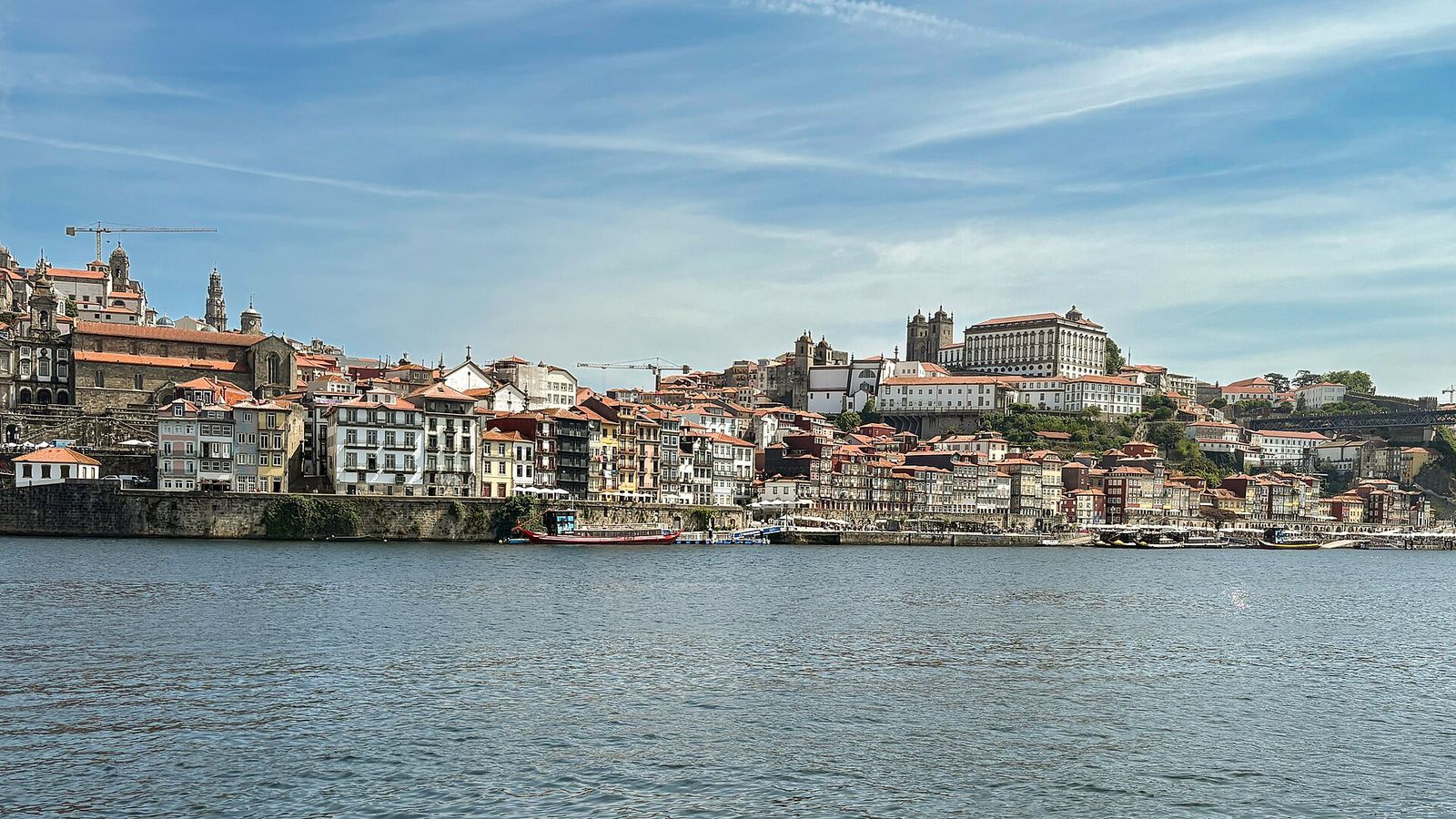
Porto's historic centre is small enough to cross on foot, but it climbs steeply from the river, and the hotel that looks a few minutes from the waterfront on a map may be a stiff walk uphill. The Douro also divides the city from Vila Nova de Gaia, home of the port wine cellars, so "Porto" covers two quite different riverbanks. Here's how the main areas compare and who each one suits.
The quick answer
- First visit, want everything on foot: Baixa, around the Avenida dos Aliados and São Bento station.
- Riverside atmosphere and postcard views: Ribeira.
- Views of the old town and the port cellars: the Vila Nova de Gaia riverside.
- Creative, local and a little quieter: Cedofeita and the Miguel Bombarda arts quarter.
- Old streets near the cathedral, close to everything: Sé and Batalha.
- Lower prices and a residential feel: Bonfim.
- Larger modern hotels and concerts: Boavista.
- Sea air and a slower pace: Foz do Douro.
Ribeira: the historic riverfront
Ribeira is the Porto of postcards: tall, narrow houses in faded colours stacked above the quay, with the double-decker Dom Luís I bridge at one end. It's part of the UNESCO World Heritage Site "Historic Centre of Oporto, Luiz I Bridge and Monastery of Serra do Pilar", inscribed in 1996. The quay is lined with restaurants and terraces, and river cruises leave from here.
Good for: couples and first-time visitors who want to step out onto the river. Consider: everything else is uphill, many old buildings have stairs and no lift, and terraces stay lively late into the evening. During the São João festival in late June, the streets around the river are packed and loud all night.
Baixa and Aliados: the practical centre
Baixa is the downtown area spreading out from the Avenida dos Aliados, the grand boulevard with the City Hall at its top. São Bento station, with its famous blue-and-white tiled hall, the shopping street of Rua de Santa Catarina, the restored Bolhão market and the Clérigos Tower are all within a few minutes' walk. Ribeira is roughly 10–15 minutes downhill.
Good for: first-time visitors, short trips and anyone planning day trips by train. Consider: the streets around Rua da Galeria de Paris and Rua de Cândido dos Reis form the main bar district, and weekend nights there are loud. Choose a room a few blocks away if you want to sleep early.
Sé and Batalha: old and central
Between Baixa and the river, the area around the cathedral (the Sé) is one of the oldest parts of the city, with steep lanes, viewpoints and stairways tumbling down towards Ribeira. Praça da Batalha, at its eastern edge, has the São João National Theatre and good bus connections. The Guindais funicular links Batalha with the riverside, but it was suspended in 2026, so check whether it's running.
Good for: travellers who want character and a central location at slightly gentler prices than the riverfront. Consider: the hills are relentless, and some lanes feel very quiet after dark.
Cedofeita and Miguel Bombarda: the creative quarter
West of the centre, Cedofeita is a lived-in neighbourhood of tiled houses, independent shops and cafés along the pedestrian Rua de Cedofeita. Nearby Rua de Miguel Bombarda is lined with art galleries and design shops. Much of the area is gentler underfoot than the old town, and Aliados is about 10–20 minutes' walk away.
Good for: repeat visitors, couples and longer stays in guesthouses and apartments. Consider: fewer big sights on the doorstep, and the walk to the river is downhill there and uphill back.
Vila Nova de Gaia: port cellars and the best views
Strictly a separate city, Gaia faces Ribeira across the Douro. Its riverside, the Cais de Gaia, is lined with port wine cellars offering tours and tastings, and it has the classic view of Porto's old town stacked above the river. A cable car runs above the riverside, and the Serra do Pilar monastery terrace higher up gives one of the best panoramas in the region. The bridge's lower deck leads straight to Ribeira; the upper deck carries the metro and a walkway.
Good for: views, port-wine visits and newer riverside hotels. Consider: the land rises steeply behind the quay, evenings are quieter away from the waterfront, and Gaia charges its own tourist tax.
Bonfim: residential and good value
East of Batalha, Bonfim is a traditional residential district of small cafés, local shops and steep streets running down to the Fontainhas viewpoints over the river. It has become popular with guesthouses and apartments and is handy for Campanhã, the main long-distance railway station.
Good for: budget-conscious travellers and longer stays. Consider: fewer sights and restaurants close by, and you'll walk 15–20 minutes or take a bus or the metro to the centre.
Boavista: modern and well connected
Boavista is Porto's business district, built around a large roundabout and wide avenues. It has many of the city's larger hotels, the Casa da Música concert hall and good metro connections. The Serralves museum of contemporary art and its park lie between Boavista and the sea.
Good for: business trips, families who want bigger rooms and concert-goers. Consider: it's modern rather than historic, and the old town is a metro ride or a longer walk away.
Foz do Douro: where the river meets the sea
Where the Douro reaches the Atlantic, Foz has a seafront promenade, rocky beaches, a lighthouse, and an upmarket residential feel with good restaurants. Historic tram line 1 runs along the river from near Ribeira, and buses connect it with the centre. Farther north, Matosinhos has wide beaches and is known for its seafood restaurants, with a metro line to the city.
Good for: slow trips, summer stays and anyone who prefers sea air to city bustle. Consider: expect 20–40 minutes to reach the old town, and the Atlantic is cool even in summer.
Getting around
- From the airport: metro line E runs to the city centre in roughly half an hour; taxis and ride-hailing are also available.
- Metro: the lines meet at Trindade in the centre, and line D crosses the upper deck of the Dom Luís I bridge to Gaia. Rechargeable transport cards work on the metro, buses and urban trains.
- Trains: São Bento in the centre handles regional and suburban trains, including services to Braga, Guimarães and the Douro Valley. Long-distance trains to Lisbon, roughly three hours away, leave from Campanhã.
- Historic trams: lines 1, 18 and 22 are more a pleasant ride than practical transport, but line 1 is a scenic way to reach Foz.
- Walking: comfortable shoes with good grip are essential. The granite paving and cobbles get slippery in the rain.
Practical tips before you book
- Check the exact street, not just the neighbourhood: a few blocks decide whether you face a steep climb or a bar street at night.
- Ask about a lift if you're carrying heavy luggage; many old buildings have only stairs.
- Think about the weather. Porto is wetter than Lisbon, and older buildings can feel damp in winter, so heating is worth checking. Air conditioning is welcome in a summer heatwave.
- Tourist tax: Porto and Vila Nova de Gaia each charge a per-person, per-night tourist tax, capped at a number of nights. Check the current rates when you book.
- Book early for late June, when the São João festival fills the city, and for big weekends and events.
- Day trips: if the Douro Valley, Braga or Guimarães are on your list, staying near São Bento saves time. On a wine-tasting trip, take the train or a tour rather than driving.
- Combining with Lisbon? See our guide to where to stay in Lisbon and our three days in Lisbon itinerary.
Choose Baixa for convenience, Ribeira or Gaia for the river, and Cedofeita for a calmer, local feel, and the whole of Porto will be within easy reach.
Bloiq is reader-supported. Some links may earn us a commission; it never affects what we write. How we make money.
Cover photo: Dale Cruse, CC BY 4.0, via Wikimedia Commons

.jpg)