Home / Travel / Portugal · Itineraries
Lisbon in 3 days: an itinerary for the hills, river and Belém
A three-day Lisbon plan grouped by neighbourhood: Baixa and Alfama, Belém and the riverside, then Chiado, Príncipe Real and the city's viewpoints.
This guide contains affiliate links, marked as such. If you book through them, Bloiq may earn a commission at no extra cost to you.
Three days is a good amount of time for Lisbon. The historic centre is compact, but it's spread over steep hills, and the monuments of Belém sit a few kilometres west along the river. This plan groups each day by area so you spend your time walking streets rather than waiting for trams, and it leaves room for long lunches and slow evenings, which is how the city is best enjoyed.
It suits first-time visitors who are reasonably comfortable on foot. If hills are a concern, read the section on adapting the plan before you start, and see our guide to where to stay in Lisbon for the flattest and most central bases.
Before you start: how the city fits together
- Baixa is the flat, 18th-century grid in the valley, running from Rossio square down to Praça do Comércio on the river.
- Alfama and the castle rise to the east; Chiado and Bairro Alto climb to the west.
- Belém is about 6 km west along the Tagus, reached by tram 15, the coastal train from Cais do Sodré, bus or taxi.
- Miradouros (viewpoints) are scattered across the hilltops and are free to visit. They're the easiest way to understand the city's layout.
Wear shoes with good grip. Lisbon's polished limestone pavements (calçada) are beautiful and genuinely slippery, particularly when wet or on a slope.
Day 1: Baixa, the castle and Alfama
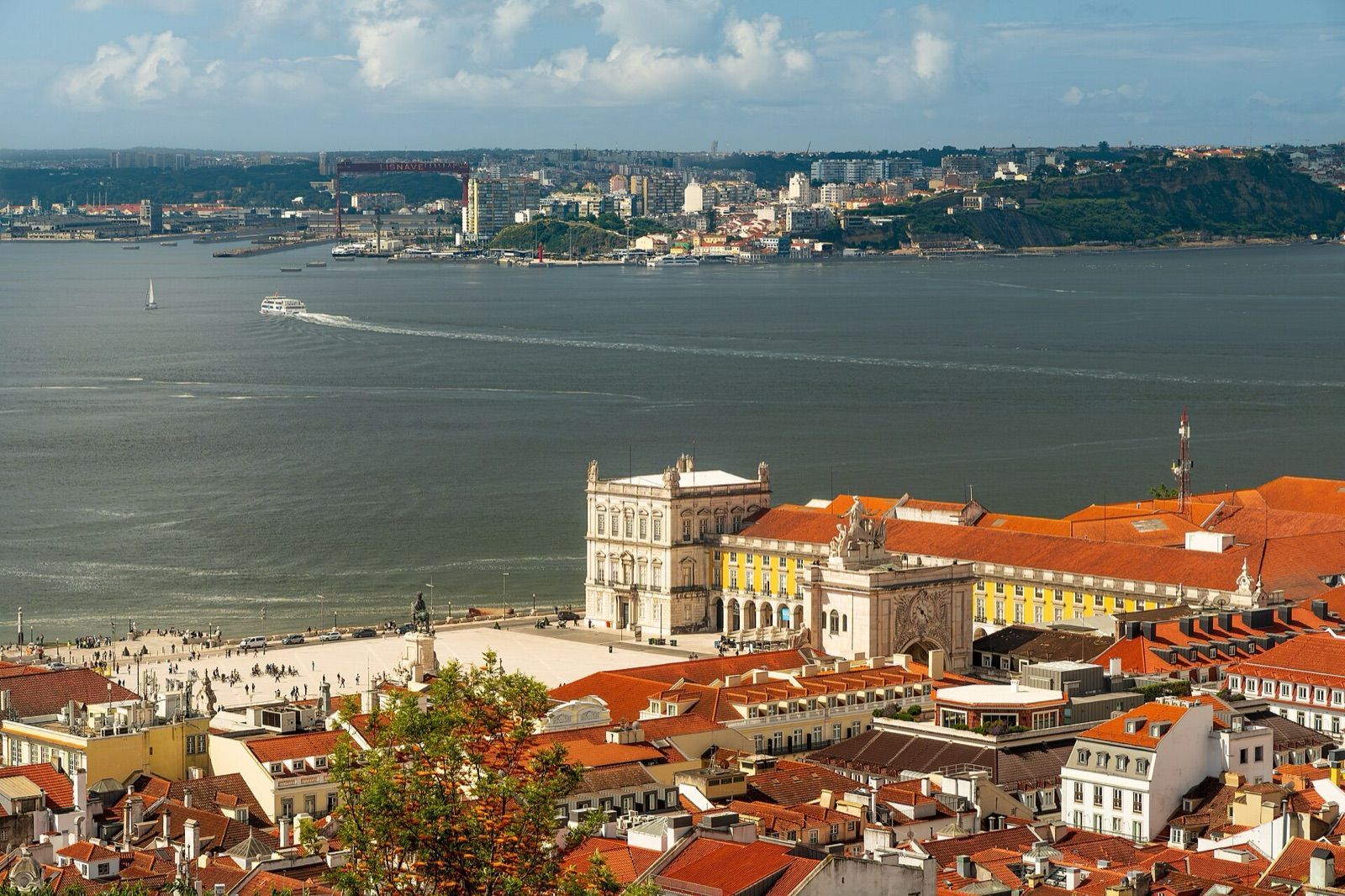
Morning. Start at Praça do Comércio, the great riverside square rebuilt after the 1755 earthquake, and walk through the triumphal arch up Rua Augusta into Baixa. The grid runs straight to Rossio and the neighbouring Praça da Figueira. From here, head uphill (or take a tram or taxi) to the Castelo de São Jorge, the Moorish-era castle on the highest hill of the old town. Arriving early means shorter queues and softer light over the rooftops.
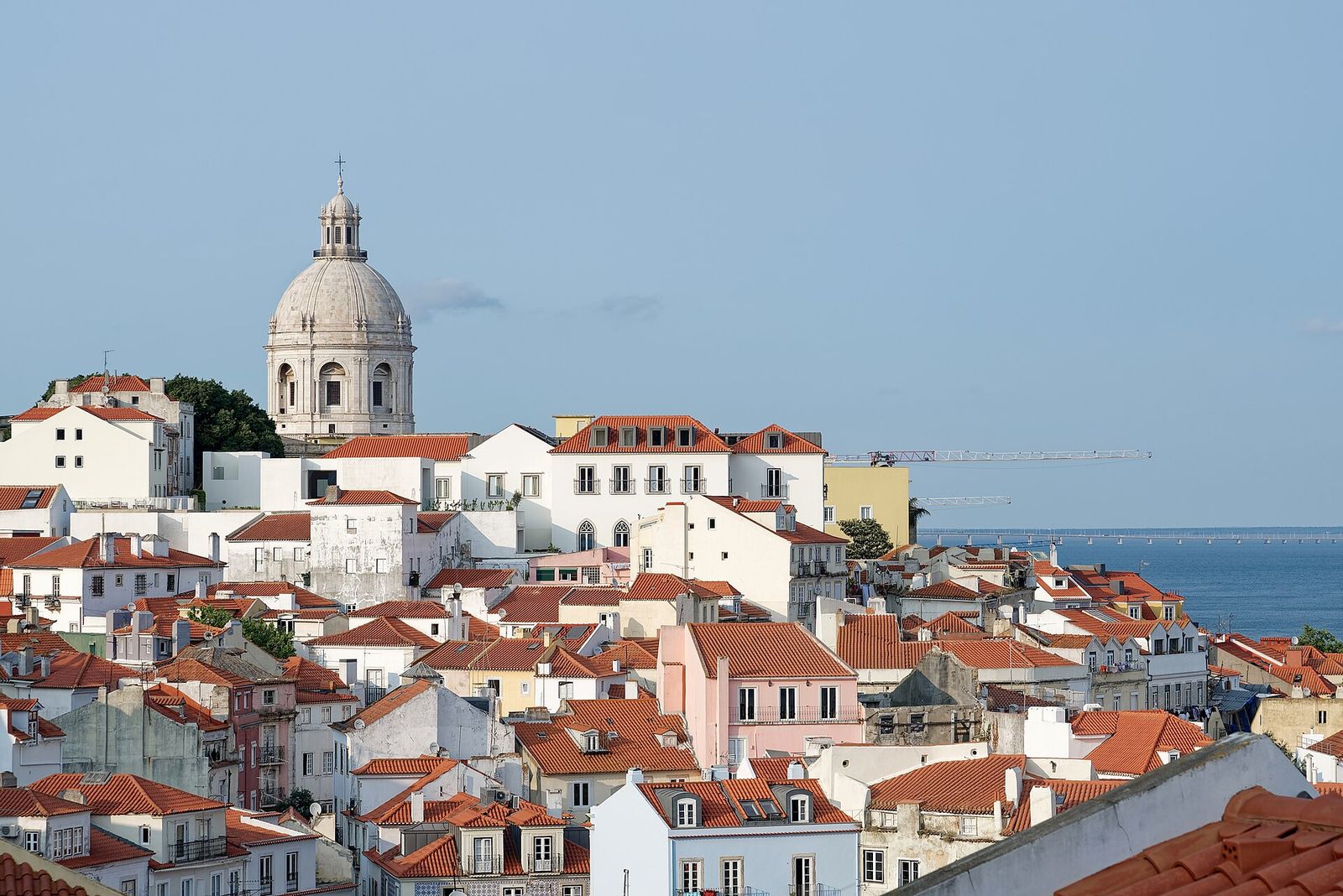
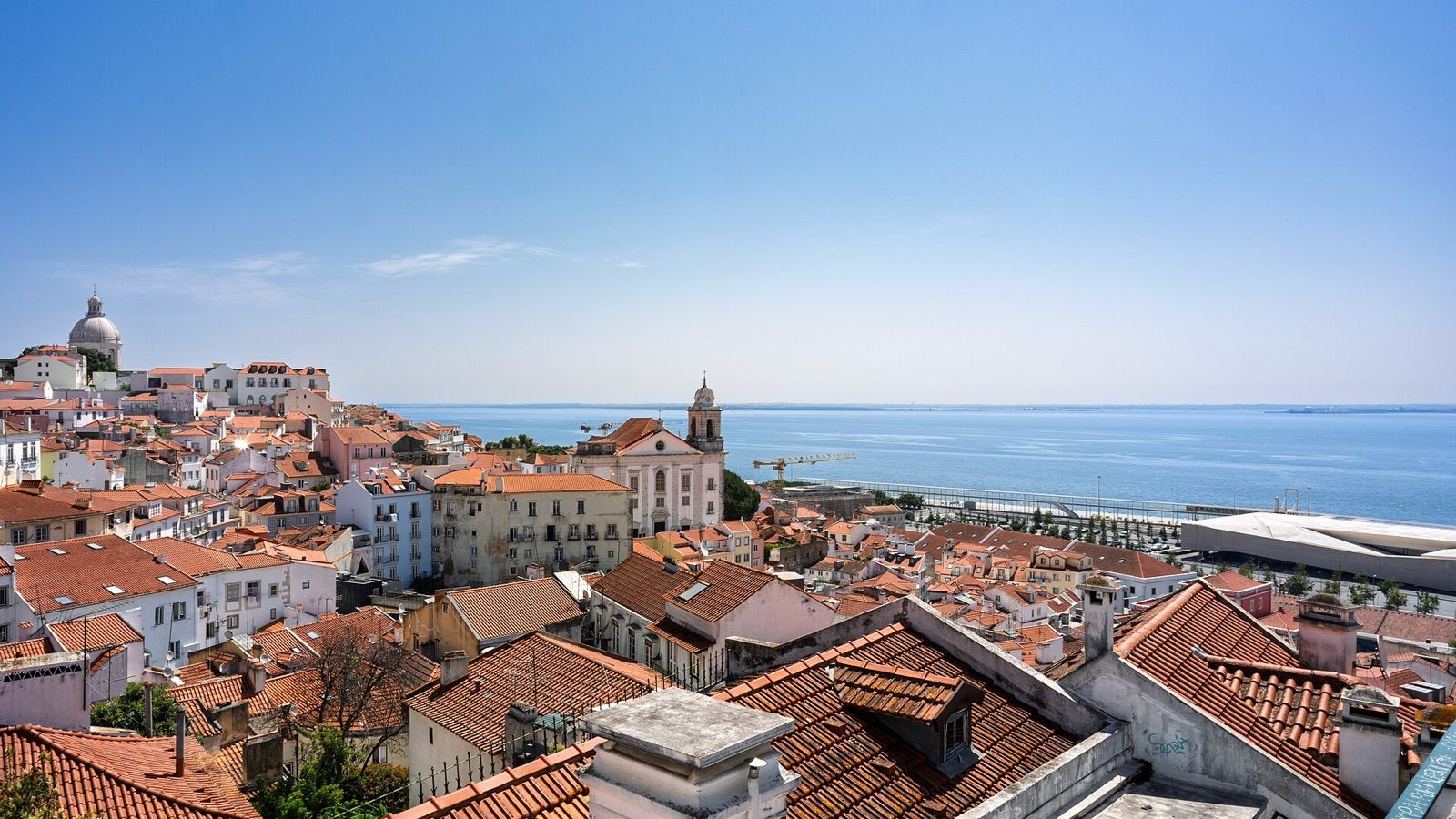
Afternoon. Walk down through Alfama, the oldest district, a tangle of stairways and lanes that survived the earthquake largely intact. Stop at the Miradouro de Santa Luzia and the neighbouring Portas do Sol for classic views over the river, then continue down to the Sé, Lisbon's Romanesque cathedral. If you have energy left, the National Tile Museum (Museu Nacional do Azulejo), in a former convent a short ride east of Alfama, explains the tiles you'll see on façades all over the city.
Evening. Alfama and neighbouring Mouraria are the traditional home of fado, Portugal's melancholy song. Many small restaurants host performances in the evening; ask your accommodation for current suggestions, and expect people to stay quiet while the singer performs.
Day 2: Belém and the riverside
Morning. Go west to Belém early. The Jerónimos Monastery, a masterpiece of the Manueline style funded by the wealth of Portugal's sea voyages, draws long queues by mid-morning. Its church holds the tomb of the navigator Vasco da Gama. Nearby are the Monument to the Discoveries (Padrão dos Descobrimentos) on the waterfront and the Belém Tower, a small fortified tower in the river that's often photographed more than it's entered. Both the monastery and the tower are UNESCO World Heritage Sites. Belém is also the traditional place to try pastéis de nata, the custard tarts sold across the city.
Afternoon. Walk the riverside promenade back east towards the MAAT (the Museum of Art, Architecture and Technology), whose curved roof you can walk over, and continue to the LX Factory in Alcântara, a former industrial complex under the 25 de Abril bridge that now holds shops, studios and cafés. Art lovers might instead spend the afternoon at the Calouste Gulbenkian Museum, north of the centre, which has an outstanding collection from ancient Egypt to the early 20th century set in a fine modernist garden.
Evening. Return to Cais do Sodré for dinner near the river and watch the sun set over the Tagus.
Day 3: Chiado, Bairro Alto and the viewpoints
Morning. Start in Chiado, the elegant quarter of theatres, bookshops and historic cafés just uphill from Baixa. The ruined Carmo Convent, left roofless after the 1755 earthquake and now home to an archaeological museum, is one of the most striking sights in the city. Continue up to the Miradouro de São Pedro de Alcântara for a view across to the castle.
Afternoon. Walk north to Príncipe Real, a leafy residential area with a garden square and independent shops. Then either take tram 28 through Graça and Alfama (board near its start point, or early in the day, if you want a seat) or head to Graça's viewpoints: the Miradouro da Graça and the higher Miradouro da Senhora do Monte look back over the whole centre. If it's a Tuesday or Saturday, the Feira da Ladra flea market is held near the National Pantheon in the morning and early afternoon.
Evening. Bairro Alto comes alive after dark, with small bars spilling into the streets. It's lively rather than refined, and it gets louder as the night goes on.
What to book ahead
Lisbon needs less advance planning than Paris or Rome, but a few things are worth sorting out before you arrive:
- Timed tickets: the castle and the Jerónimos Monastery offer online tickets, which help you skip at least part of the queue in busy months. Check the official sites for current entry arrangements.
- Monday closures: many national museums and monuments, including those in Belém, close on Mondays. Check before you fix your Belém day.
- Fado evenings: the best-known venues fill up on summer weekends; reserve a table if you have a particular place in mind.
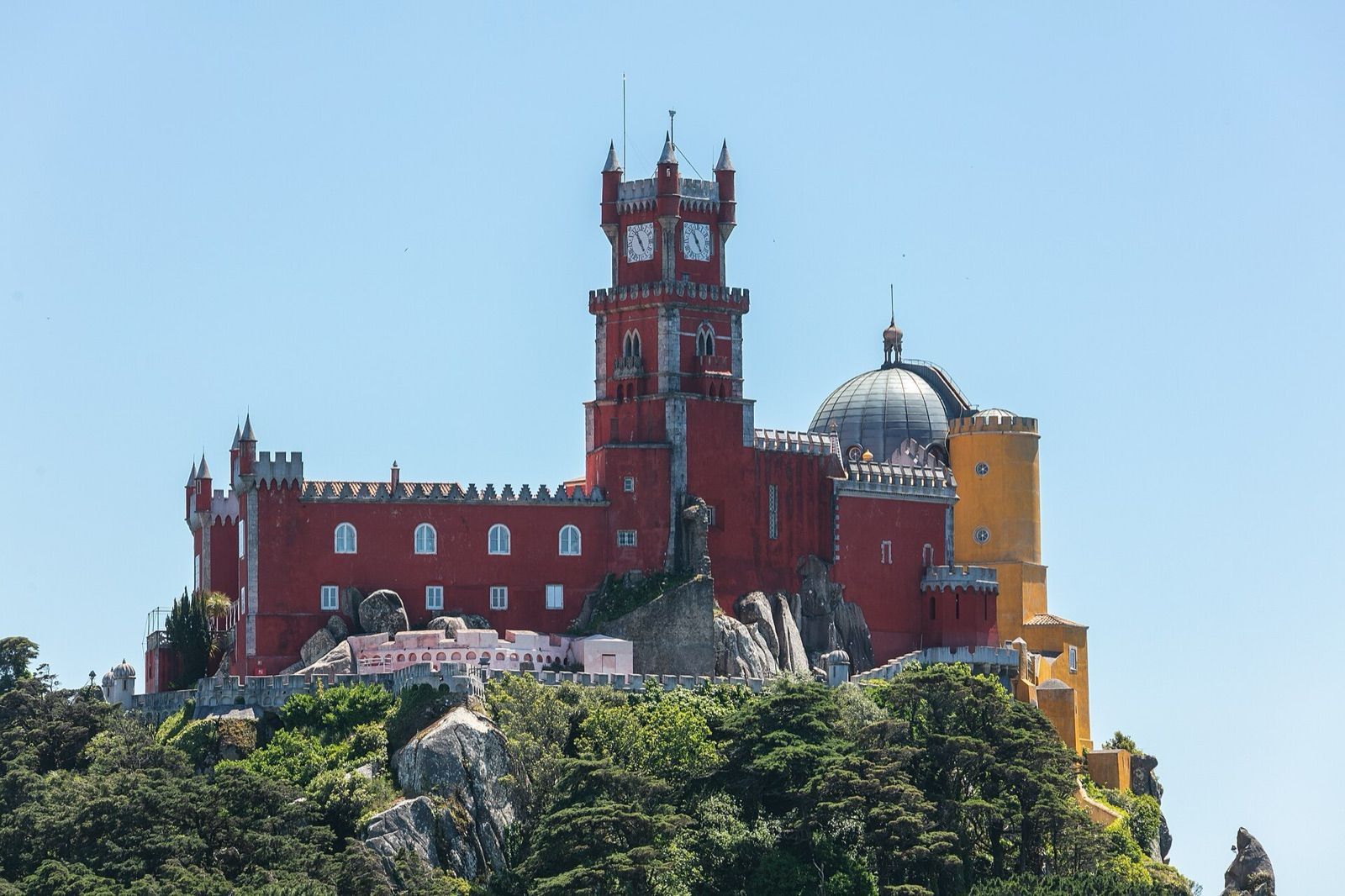
- Day trips: if you're adding Sintra, book its palace tickets ahead too. Our guide to day trips from Lisbon covers Sintra, Cascais and Évora.
Rule of thumb: plan one hill per half-day. Pair each climb with a flat stretch (Baixa, the riverside, Belém) and the city stays enjoyable instead of exhausting.
Adapting the plan
- Rain: swap the viewpoints for the Gulbenkian, the National Tile Museum or the Oceanário in Parque das Nações, all of which are indoors and easy to reach by metro.
- With children: the Oceanário, one of Europe's largest aquariums, is a strong half-day. The riverside at Belém has space to run around, and a short ferry ride across the Tagus to Cacilhas is an easy adventure.
- Slower pace or limited mobility: stay in Baixa and use trams, taxis and ride-hailing for the hills. Belém and the riverside are flat. Lisbon's historic funiculars and the Santa Justa lift help with the steepest climbs when they're running; check current service, as they are sometimes closed for maintenance or safety work.
- Four days or more: add a day trip to Sintra, or spend a morning in Parque das Nações to see Lisbon's modern side.
Practical booking tips
- Getting around: a rechargeable transport card works on the metro, buses, trams, funiculars and ferries. Tram 28 is popular with pickpockets; keep bags closed and in front of you.
- Heat: from June to September, do the climbing in the morning and save the afternoon for museums or the river.
- Festivals: in June, the Santo António festivities fill Alfama and the old quarters with street parties. It's a great time to visit, and a noisy one to sleep there.
- Tourist tax: Lisbon charges a per-person, per-night tax, usually paid at your accommodation. Check the current rate when you book.
- Where to base yourself: Baixa and Chiado put all three days within walking distance. Our where to stay in Lisbon guide compares the neighbourhoods in detail.
Bloiq is reader-supported. Some links may earn us a commission; it never affects what we write. How we make money.
Cover photo: NorbertNagel, CC BY-SA 4.0, via Wikimedia Commons