Home / Travel / Portugal · Where to stay
Where to stay in Lisbon: the neighbourhoods compared
Lisbon is small but hilly, and where you sleep shapes your trip. A practical guide to Baixa, Chiado, Alfama, Príncipe Real, Belém and more, and who each one suits.
This guide contains affiliate links, marked as such. If you book through them, Bloiq may earn a commission at no extra cost to you.
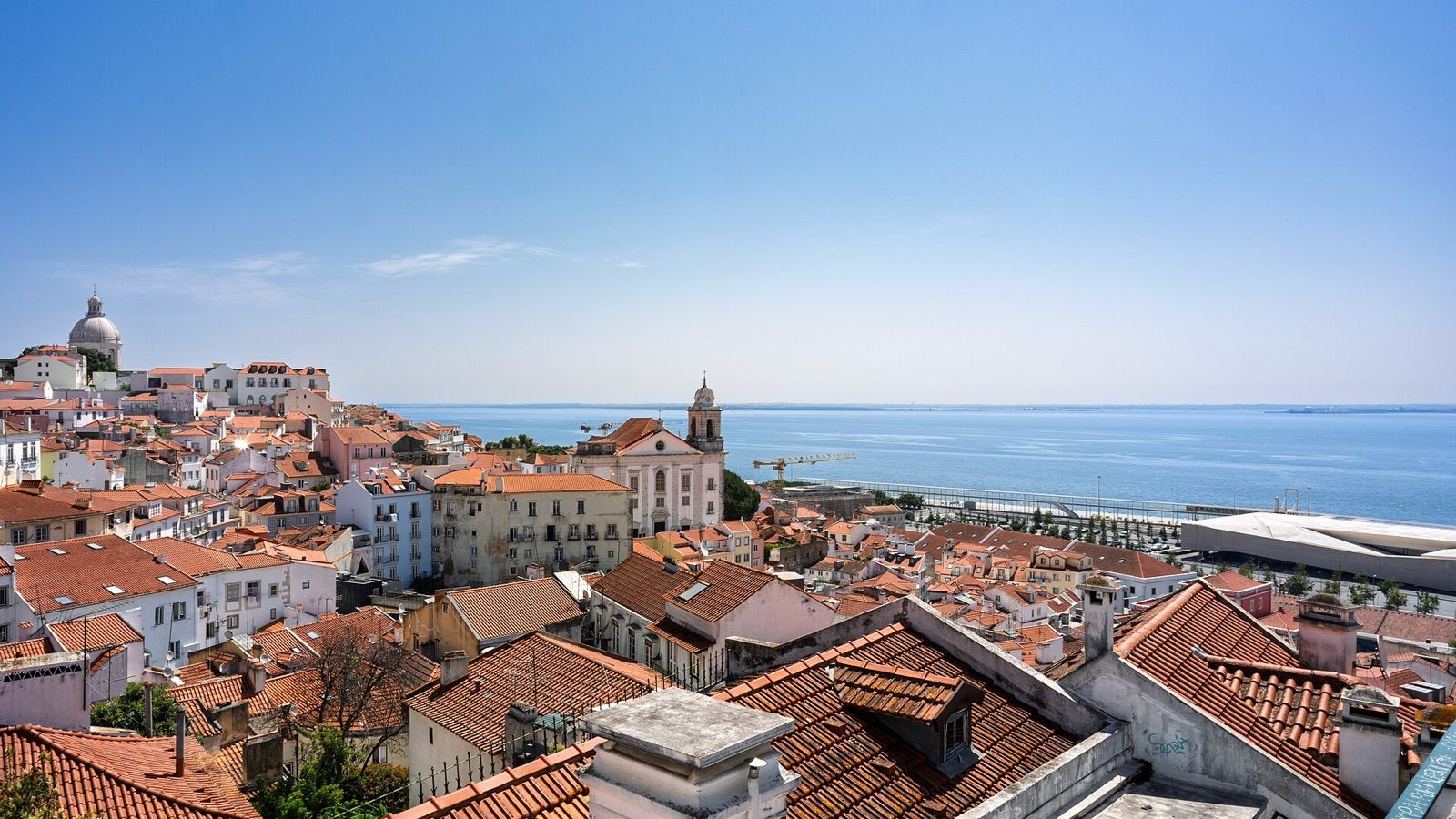
Lisbon rewards visitors who choose their base carefully. The city centre is compact, but it's built on steep hills with cobbled streets, and a hotel that looks close on a map can be a stiff climb away. Nightlife is concentrated in a few streets, so the same neighbourhood can be lively or sleepless depending on the block. Here's how the main areas compare.
The quick answer
- First visit, want everything on foot: Baixa or Chiado.
- Atmosphere and views, don't mind hills: Alfama.
- Quiet, stylish and residential: Príncipe Real.
- Nightlife: Bairro Alto (to go out, not necessarily to sleep) or Cais do Sodré.
- Wide streets and big hotels: Avenida da Liberdade.
- Monuments and a slower pace: Belém.
- Modern, flat, near the airport: Parque das Nações.
Baixa: the flat, central grid
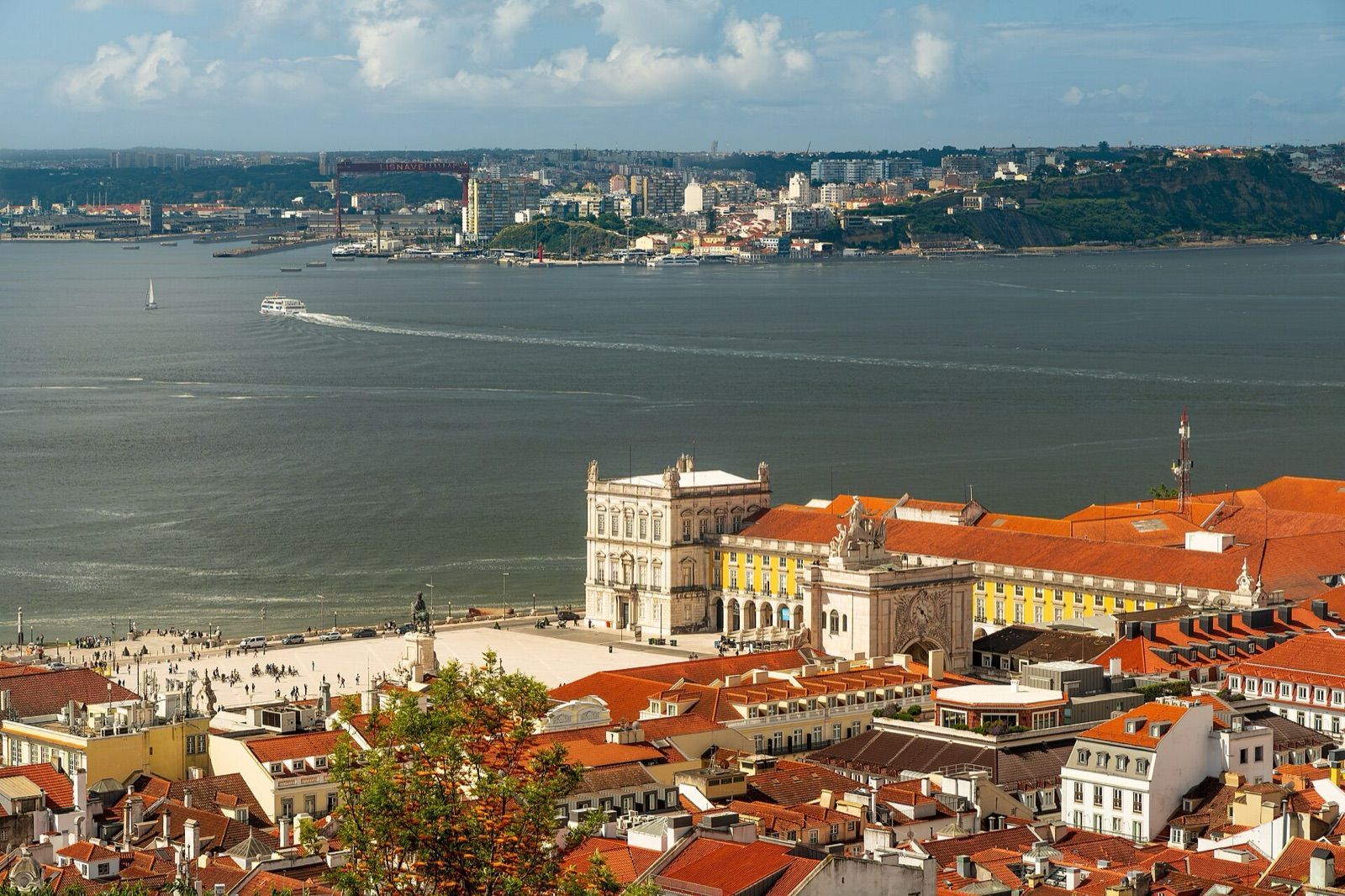
Rebuilt in an orderly grid after the 1755 earthquake, Baixa is the valley floor between the city's hills. It's the most practical base in Lisbon: flat, walkable, full of shops and cafés, and close to metro stations, the river at Praça do Comércio and the Rossio train station for day trips to Sintra.
Good for: first-time visitors and anyone who wants to minimise climbing. Consider: it's busy and commercial, and some streets feel more touristy than local in the evening.
Chiado: elegant and central
Just uphill from Baixa, Chiado has historic cafés, theatres, bookshops and upscale shopping. It sits between Baixa and Bairro Alto, so everything central is within a short walk.
Good for: couples and culture lovers who want a polished, central base. Consider: prices are among the highest in the city, and streets nearest Bairro Alto can be noisy late at night.
Alfama: old Lisbon on the hill
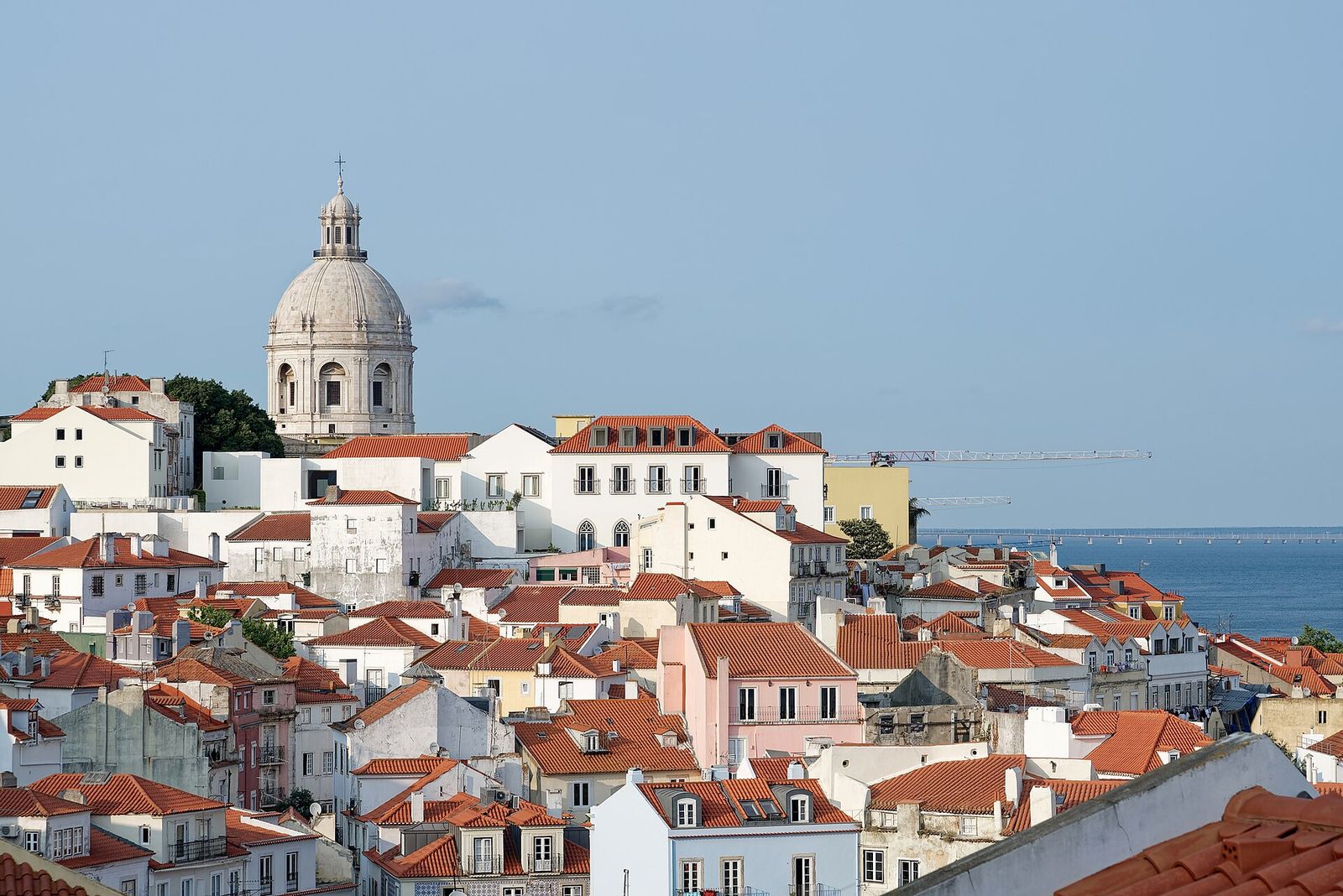
The oldest district, below the castle, is a maze of narrow lanes, stairways, laundry lines and viewpoints (miradouros) over the river. It's the home of fado music, and staying here feels like the Lisbon of postcards.
Good for: atmosphere, photography and evening fado. Consider: steep stairs, few cars and a lot of walking uphill with luggage. Summer festivals in June make parts of it very loud.
Bairro Alto: the nightlife district
By day a quiet grid of old houses; by night the streets fill with bars and people drinking outside until late. It's a fun place to spend an evening and an awkward place to sleep, particularly at weekends.
Good for: travellers who plan to be out late anyway. Consider: if you want to be near it, stay in Chiado or Príncipe Real and walk over.
Príncipe Real: quiet and stylish
North of Bairro Alto, Príncipe Real is a leafy, residential area with a garden square, independent design shops, good restaurants and some of the city's nicest boutique hotels and guesthouses. It's about a 15–20 minute walk, mostly downhill, to Baixa.
Good for: repeat visitors, couples and anyone who values quiet evenings. Consider: the walk back up is uphill, and it's a little farther from the metro.
Avenida da Liberdade: the grand boulevard
Lisbon's tree-lined main avenue runs north from Restauradores. It has many of the larger international hotels, luxury shops and good metro access, and it's flat along its length.
Good for: travellers who want a conventional large hotel, business trips and easy airport transfers. Consider: it feels less characterful than the old quarters, though they're only a short walk away.
Cais do Sodré: riverside and transport hub
On the river west of Baixa, Cais do Sodré combines the Time Out Market, a lively bar street and the station for trains along the coast to Belém, Oeiras and Cascais, plus ferries across the Tagus.
Good for: beach days and exploring the coast. Consider: weekend nights can be loud near the bars.
Belém: monuments and space
About 6 km west of the centre, Belém has the Jerónimos Monastery, the Belém Tower, museums and the original pastéis de Belém bakery. It's calmer and more spacious than the centre.
Good for: families and slower trips focused on sightseeing. Consider: you'll rely on the tram, train or taxis to reach the rest of the city, and evenings are quieter.
Parque das Nações: modern and flat
Built for Expo '98 on the eastern riverside, this area has wide promenades, the Oceanário aquarium, modern hotels and quick access to the airport and Oriente station.
Good for: conferences, short stopovers and families who like flat walking. Consider: it's modern rather than historic, and the old town is a metro ride away.
Getting around
- From the airport: the airport is close to the city, and the red metro line connects it to the centre with one change; taxis and ride-hailing are also quick outside rush hour.
- Metro: clean and simple, with four lines covering the centre, Avenida da Liberdade and Parque das Nações.
- Trams and funiculars: the famous tram 28 climbs through Graça and Alfama, and funiculars and a public lift help with the steepest hills. They're charming but crowded at peak times.
- Walking: comfortable shoes with good grip matter more than you'd expect. The polished limestone pavements get slippery in the rain.
Practical tips before you book
- Check the exact street, not just the neighbourhood name: a few blocks can make the difference between quiet and noisy, flat and steep.
- Look for a lift if you're carrying heavy luggage; many historic buildings have only stairs.
- Air conditioning is worth having from June to September.
- City tourist tax: Lisbon charges a per-person, per-night tourist tax, capped at a number of nights and usually paid at the hotel. Check the current rate when you book.
- Day trips: if Sintra or Cascais are on your list, staying near Rossio (for Sintra) or Cais do Sodré (for Cascais) saves time.
Choose Baixa or Chiado for convenience, Alfama for atmosphere, and Príncipe Real for calm, and you'll have the city within easy reach.
Bloiq is reader-supported. Some links may earn us a commission; it never affects what we write. How we make money.
Cover photo: Dale Cruse, CC BY 4.0, via Wikimedia Commons
.jpg)