Home / Travel / Türkiye · Itineraries
Istanbul in 3 days: Sultanahmet, the bazaars, the Bosphorus and Asia
A three-day Istanbul plan grouped by area: Hagia Sophia and Topkapı, the bazaars and Süleymaniye, then a Bosphorus ferry, Galata and an evening on the Asian side.
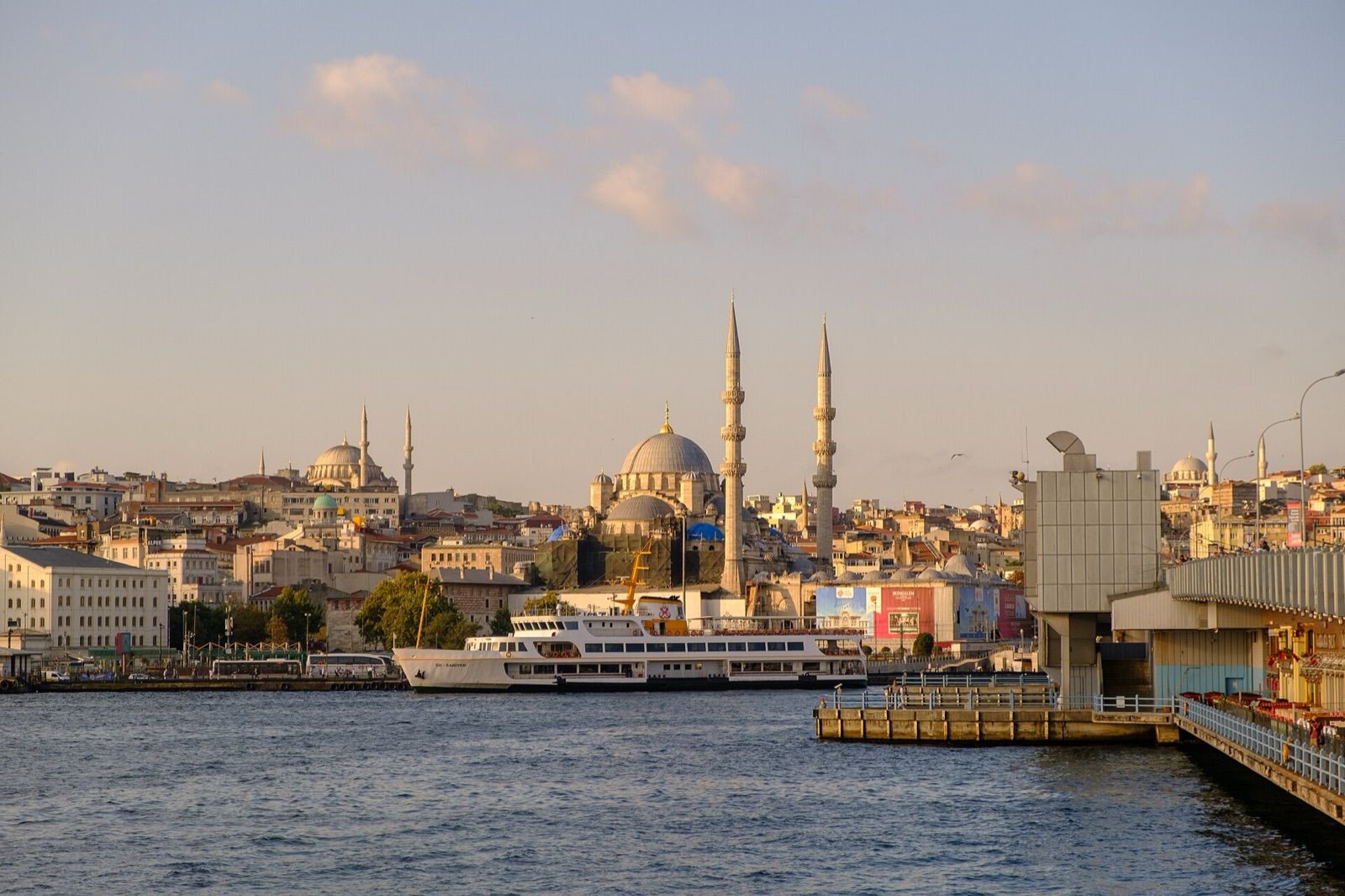
Istanbul was the capital of two empires, the Byzantine and the Ottoman, and it spreads across two continents on either side of the Bosphorus. That makes it thrilling and, on a short trip, easy to overload. Three days works well if you give each day one part of the city: the historic peninsula first, then the bazaars and the hills above the Golden Horn, then the water and the Asian side.
The plan suits first-time visitors at a moderate pace. Expect hills, cobbles and crowds in the old city; the trams, ferries and metro are the best way to link the areas, and the ferries are a highlight in their own right.
Day 1: Hagia Sophia, the Blue Mosque and Topkapı
Morning. Start early at Hagia Sophia, built as a cathedral under Emperor Justinian in the 530s, later a mosque, then a museum, and a mosque again since 2020. Its vast dome and the Byzantine mosaics are the reason to come. Arrangements for visitors have changed in recent years, with a separate visitor route and ticketing for foreign visitors, and it closes to visitors around prayer times, so check the current rules on official sites before you go.
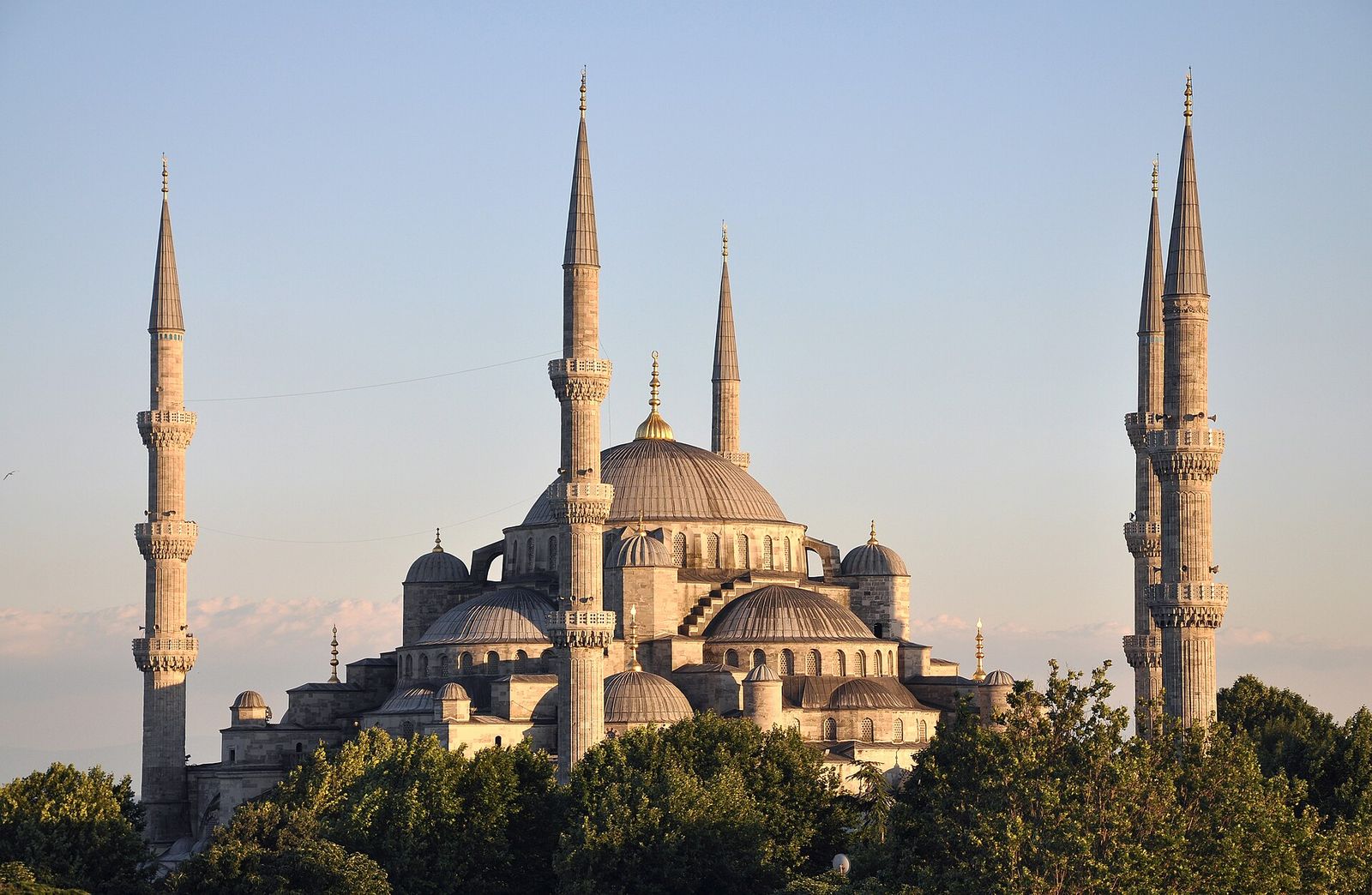
Cross the square to the Sultan Ahmed Mosque, the "Blue Mosque", completed in the early 17th century and named for the blue İznik tiles inside. It's an active mosque that welcomes visitors outside prayer times. Remove your shoes, dress modestly (shoulders and knees covered; women cover their hair, and scarves are usually available) and keep your voice down.
Next to it is the Hippodrome, the old Byzantine racecourse, now a long square with an Egyptian obelisk and the bronze Serpent Column.
Afternoon. Walk to Topkapı Palace, the residence of the Ottoman sultans for about four centuries. Allow at least three hours: the courtyards, the treasury, the relics and the tiled pavilions with views over the Bosphorus. The Harem usually needs a separate ticket and is worth it. The palace closes one day a week, so check before you plan.
Evening. Go down into the Basilica Cistern, a 6th-century underground reservoir with a forest of columns and two Medusa heads, now atmospherically lit. Then have dinner in Sultanahmet or walk down to the Eminönü waterfront for the view across the Golden Horn as the lights come on.
Day 2: The bazaars, Süleymaniye and Galata
Morning. Enter the Grand Bazaar, one of the oldest and largest covered markets in the world, with thousands of shops along vaulted lanes: carpets, lamps, ceramics, jewellery and textiles. It closes on Sundays and public holidays. Bargaining is normal in many shops; take your time and only start negotiating if you mean to buy.
Afternoon. Walk uphill to the Süleymaniye Mosque, built in the 1550s for Süleyman the Magnificent by the great architect Mimar Sinan, whose tomb is beside it. Its terraces have one of the best views over the Golden Horn. Then walk downhill through the busy shopping streets to the Spice Bazaar (Mısır Çarşısı) in Eminönü, for Turkish delight, dried fruit, tea and spices. Close by, the small Rüstem Pasha Mosque, also by Sinan, has some of the finest İznik tilework in the city.
Cross the Galata Bridge on foot, with anglers lining the rails, to Karaköy.
Evening. Climb to the Galata Tower, a medieval Genoese tower with a panoramic gallery, then walk up through Beyoğlu to İstiklal Avenue, a long pedestrian street of 19th-century buildings, shops and side-street restaurants, with the historic tram running down the middle. The meyhane (taverns) around the side streets serve meze late into the evening.
Day 3: A Bosphorus ferry and the Asian side
Morning. Take a ferry up the Bosphorus, the strait between Europe and Asia. The public ferries give you three easy options:
| Option | What it is | Time to allow |
|---|---|---|
| Long Bosphorus tour | Public ferry from Eminönü up to Anadolu Kavağı near the Black Sea, with a break before the return | Most of a day |
| Short Bosphorus tour | Round trip as far as the second bridge and back, without stops | Around two hours |
| Commuter ferries | Hop across between Europe and Asia on regular routes | 15–25 minutes per crossing |
The short tour suits this plan best. You pass Dolmabahçe Palace, the 19th-century Ottoman palace on the European shore, the waterside mansions (yalı), the Rumeli Fortress and the bridges. If you'd rather see Dolmabahçe inside, it runs guided visits and closes on some weekdays; check before you go.
Afternoon. Take a commuter ferry to Üsküdar on the Asian side. Walk the waterfront to the view of the Maiden's Tower, a small tower on an islet just offshore, and look into the Mihrimah Sultan Mosque by the pier, another work by Sinan. Then take the ferry or the Marmaray rail line south to Kadıköy.
Evening. Kadıköy's market streets around Güneşlibahçe Sokak are full of fishmongers, delis, pickle shops and small restaurants, and the neighbourhood feels far more local than the old city. Walk to Moda for the sunset over the Sea of Marmara, then take a late ferry back to Europe. Watching Sultanahmet's skyline from the water at night is a good way to end the trip.
What to book ahead
- Topkapı Palace and the Harem: buy tickets online or arrive at opening to limit queuing.
- Basilica Cistern: often busy; timed tickets help.
- Hagia Sophia: check the current visitor arrangements and opening times before you go.
- Bosphorus tours: the public ferries don't usually need advance booking, but check the timetable, which changes by season.
- Accommodation: spring and autumn are popular for the mild weather; book early.
A museum pass can cover several state museums, but it does not cover everything, so compare it with what you plan to see.
Mosque visits: what to expect
- Mosques close to visitors during the five daily prayers, and for longer around Friday midday prayers. Plan visits between them.
- Dress modestly: long trousers or skirts, covered shoulders, and a headscarf for women. Some mosques lend coverings.
- Remove your shoes before going in and carry them in a bag; don't walk in front of people who are praying.
- Photography is usually allowed without flash, but be discreet and don't photograph people praying.
Adapting the plan
- Rain or heat: the Istanbul Archaeology Museums near Topkapı, the Museum of Turkish and Islamic Arts on the Hippodrome and the former Byzantine church of Chora (now the Kariye Mosque), with its superb mosaics and frescoes, are good indoor options. Summers are hot and humid; winters are cool and wet.
- With children: ferry rides, the cistern, the Galata Tower and the waterside parks usually work well. The many stairs and hills make a lightweight pushchair or a carrier easier.
- Slower pace: drop the Galata Tower and the Rüstem Pasha Mosque, and give Topkapı and the bazaars more time.
- A fourth day: take a ferry to the Princes' Islands in the Sea of Marmara, where motor traffic is largely restricted, or explore the Fener and Balat neighbourhoods along the Golden Horn.
Practical booking tips
- Where to stay: Sultanahmet puts the big sights on your doorstep, while Karaköy, Galata and Kadıköy are livelier in the evening. Our guide to where to stay in Istanbul compares the areas.
- Getting around: a rechargeable transit card (Istanbulkart) works on trams, the metro, buses, funiculars and ferries. The T1 tram links Sultanahmet, Eminönü and Karaköy.
- Airports: Istanbul Airport on the European side and Sabiha Gökçen on the Asian side are both a long way out. Allow an hour or more in traffic; the metro now serves both, and airport buses run too.
- Entry rules: visa and e-visa requirements depend on your nationality and change from time to time, so check the current rules on official sites well before you travel.
- Money and bargaining: card payment is common, but small shops and market stalls may prefer cash. In taxis, make sure the meter is running, or use the official taxi apps.
- Continuing on: for another city with a great food scene and a river through the middle, see our Budapest in 3 days itinerary, or our guide to where to stay in Athens.
Bloiq is reader-supported. Some links may earn us a commission; it never affects what we write. How we make money.
Cover photo: Moonik, CC BY-SA 3.0, via Wikimedia Commons