Home / Travel · Where to stay
Where to stay in Istanbul: Sultanahmet, Galata, Kadıköy and more
Istanbul spans two continents, and your base shapes every day of the trip. Compare Sultanahmet, Eminönü, Galata, Taksim, Cihangir, Nişantaşı and Kadıköy.
This guide contains affiliate links, marked as such. If you book through them, Bloiq may earn a commission at no extra cost to you.
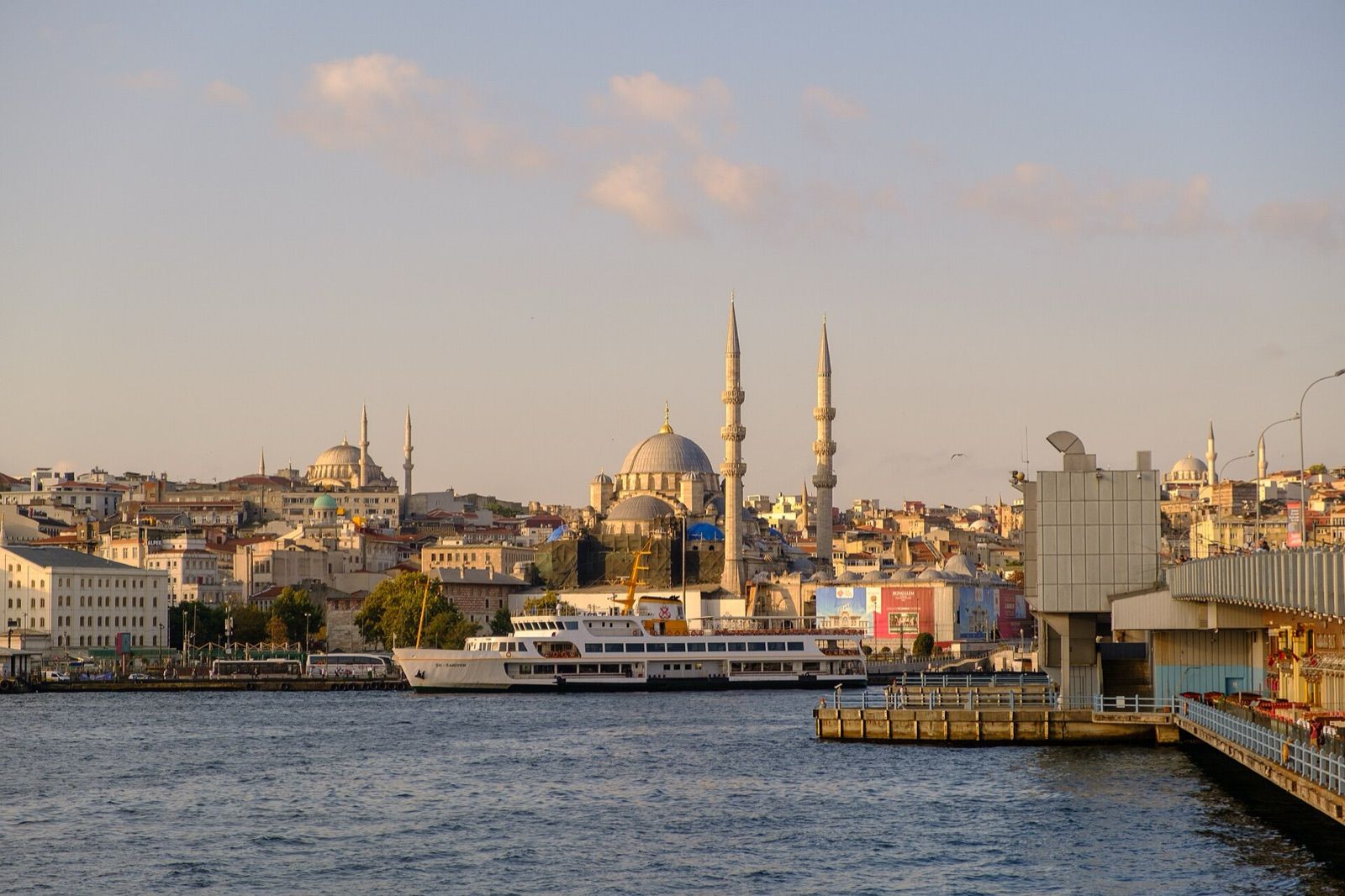
Istanbul is enormous, hilly and split by water: the Golden Horn divides the old city from Beyoğlu, and the Bosphorus separates Europe from Asia. Road traffic can be slow, so the best base is usually one close to a tram line, a metro station or a ferry pier. The historic peninsula has the great monuments; the districts across the Golden Horn have most of the nightlife, restaurants and modern city life. Here's how the main areas compare.
The quick answer
- First visit, monuments on foot: Sultanahmet.
- Transport hub, markets and ferries: Sirkeci and Eminönü.
- Restaurants, bars and a lively street scene: Beyoğlu, Galata and Karaköy.
- Big hotels and an easy airport run: Taksim.
- Bohemian, residential and quieter: Cihangir.
- Upmarket shopping and dining: Nişantaşı.
- Local life on the Asian side: Kadıköy.
Sultanahmet: the historic heart
Sultanahmet is the centre of the old city, home to Hagia Sophia, the Blue Mosque, Topkapı Palace and the Basilica Cistern, with the Grand Bazaar a short walk or tram ride away. Many small hotels here occupy old wooden or stone houses, and some have roof terraces looking over the Sea of Marmara.
Good for: first-time visitors with a sightseeing-heavy plan, and anyone who wants to reach the major sights early, before the crowds. Consider: the area is quiet in the evening, with fewer good restaurants than across the water, and persistent carpet-shop touts are part of daily life. The call to prayer from nearby mosques starts before dawn, so light sleepers may want earplugs.
Sirkeci and Eminönü: markets and ferries
Just downhill from Sultanahmet, on the Golden Horn, Sirkeci and Eminönü are busy commercial districts around the old railway terminus, the Spice Bazaar and the ferry piers at the southern end of the Galata Bridge. The T1 tram, the Marmaray rail line under the Bosphorus and ferries to the Asian side all meet here.
Good for: travellers who plan to move around a lot and like a practical, well-connected base. Consider: the streets are packed and noisy by day, many shops close in the evening, and hotels range widely in quality. It feels more like a working district than a place to linger.
Beyoğlu, Galata and Karaköy: the lively side of the Golden Horn
Across the Galata Bridge, Karaköy's waterfront has cafés, galleries and restaurants in restored warehouses, and the Istanbul Modern art museum. Streets climb steeply to the medieval Galata Tower and on to İstiklal Avenue, the long pedestrian street running up to Taksim, served by a heritage tram. The historic Tünel funicular links Karaköy with the top of the hill.
Good for: couples, food lovers and anyone who wants nightlife and a big-city feel. Consider: the hills are very steep, and cobbled lanes can be hard work with luggage. Streets near the bars in Beyoğlu can be loud until late, especially at weekends. The old city is a tram ride or a 20–30 minute walk away across the bridge.
Taksim: the modern hub
Taksim Square sits at the top of İstiklal Avenue and is one of the city's main transport junctions, with the M2 metro and a funicular down to the Kabataş ferry and tram stop. Many of Istanbul's large international hotels are here or along the nearby avenues.
Good for: business travellers, those who prefer a large hotel, and easier transfers to Istanbul Airport. Consider: the square itself is busy and functional rather than attractive, and traffic around it is heavy. The historic sights are a funicular and tram ride away.
Cihangir: bohemian and residential
Cihangir drops from near Taksim towards the Bosphorus, a neighbourhood of apartment buildings, small cafés, antique shops in neighbouring Çukurcuma, and the street cats Istanbul is known for. It's popular with artists, writers and expatriates, and many visitors stay in rented apartments here.
Good for: longer stays, repeat visitors and anyone who wants a neighbourhood that feels lived in. Consider: the streets are steep and there are few hotels. Nightlife in Beyoğlu is close, but the old city is a longer trip.
Nişantaşı: upscale and polished
North of Taksim, Nişantaşı is the city's smartest shopping district, with fashion boutiques, well-regarded restaurants and wide pavements. Maçka Park and the Bosphorus shore at Beşiktaş are within walking distance, and the M2 metro stops nearby.
Good for: shoppers, travellers who want calm, orderly streets, and those on a return visit. Consider: it's a fair distance from the historic peninsula, usually a metro and tram or a taxi ride through heavy traffic, and it's more expensive than most districts.
Kadıköy: the Asian side
Kadıköy, on the Asian shore, is where many Istanbulites go out to eat and drink. Its market streets are full of food shops and small restaurants, and the neighbouring Moda district has a seafront promenade and a relaxed café scene. Ferries cross to Eminönü, Karaköy and Beşiktaş throughout the day, a scenic crossing of roughly 20–30 minutes.
Good for: food lovers, repeat visitors and anyone who wants to see everyday city life. It's also handy for Sabiha Gökçen Airport, which is linked by metro. Consider: every visit to the old city means a ferry or a Marmaray train, and there are fewer hotels than on the European side.
Getting around
- Airports: Istanbul Airport, the main international hub, is well north of the city on the European side; it's linked to the centre by a metro line, express airport buses and taxis. Sabiha Gökçen Airport is on the Asian side, with a metro connection towards Kadıköy and airport buses. Both can take an hour or more to reach the centre, longer in heavy traffic.
- Tram: the T1 line runs through Sultanahmet, Sirkeci and Eminönü, across the Galata Bridge to Karaköy and on to Kabataş. It's the single most useful line for visitors.
- Metro and Marmaray: the M2 metro runs through Taksim and Nişantaşı, and the Marmaray line crosses under the Bosphorus between Europe and Asia.
- Ferries: public ferries link Eminönü, Karaköy, Beşiktaş, Kadıköy and Üsküdar. They're quick, inexpensive and one of the best ways to see the city.
- Tickets: a rechargeable city transport card works on trams, metro, buses, funiculars and ferries. Buy one on arrival and top it up at machines in stations.
Practical tips before you book
- Stay near a tram, metro or ferry stop. Traffic can turn a short distance into a long taxi ride, and rail and water routes avoid it.
- Check the gradient, not just the distance. Galata, Cihangir and parts of Sultanahmet involve steep climbs.
- Ask about lifts and air conditioning. Many older buildings have narrow stairs, and summers are hot and humid.
- Dress respectfully for mosques: covered shoulders and knees for everyone and a headscarf for women. Visits usually pause during prayer times.
- Check the current entry requirements for your passport before you travel, as visa rules differ by nationality and can change.
Choose Sultanahmet for the monuments, Galata or Karaköy for atmosphere and food, and Kadıköy if you'd like to wake up on the other side of the Bosphorus.
Bloiq is reader-supported. Some links may earn us a commission; it never affects what we write. How we make money.
Cover photo: Tarikkaanmuslu, CC BY-SA 4.0, via Wikimedia Commons