Home / Travel / Australia · Where to stay
Where to stay in Melbourne: CBD, Southbank, Fitzroy, St Kilda compared
Melbourne's neighbourhoods feel very different from one another. Compare the CBD, Southbank, Fitzroy, St Kilda, South Yarra and more to find the right base.
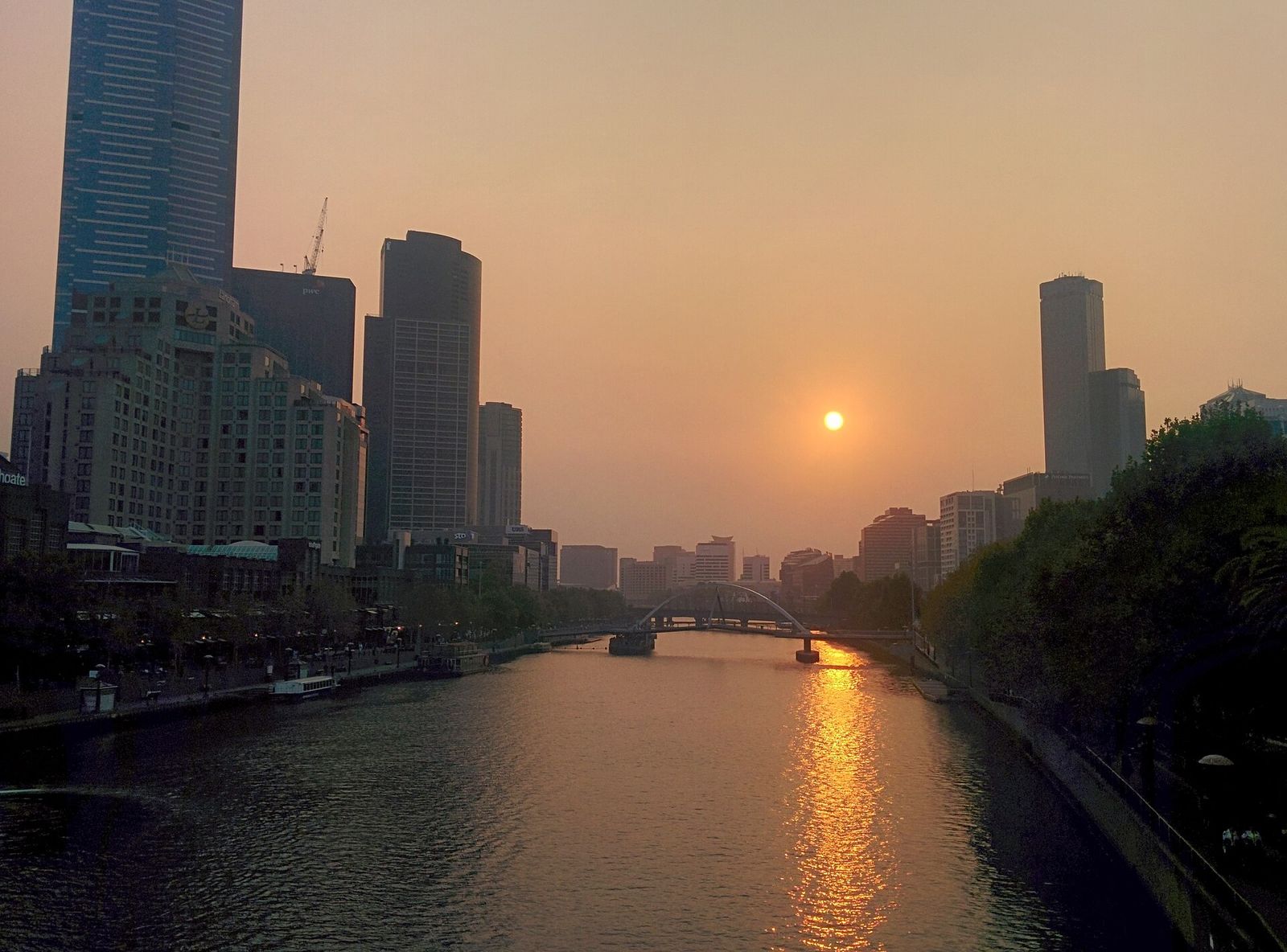
Melbourne doesn't have one postcard sight that everyone stays next to. Its appeal is spread across laneway cafés, galleries, sporting venues, inner suburbs with their own high streets and a bayside beach strip. The good news is that the tram network, one of the largest in the world, ties it all together. Here's how the main bases compare and who each one suits.
The quick answer
- First visit, everything on foot: the CBD.
- Arts, river views and big hotels: Southbank.
- Cafés, bars and independent shops: Fitzroy or Collingwood.
- Seaside feel with a tram into town: St Kilda.
- Shopping, dining and leafy streets: South Yarra and Prahran.
- Families near the museum and gardens: Carlton or East Melbourne.
- Sport-focused trips: East Melbourne or Richmond, close to the MCG and Melbourne Park.
The CBD: laneways and trams on the doorstep
The central business district is laid out on a neat rectangular grid (the Hoddle Grid) on the north bank of the Yarra. Between the main streets runs a network of lanes and arcades packed with coffee bars, small restaurants and street art, such as Degraves Street, Centre Place and Hosier Lane. Flinders Street Station, Federation Square, the State Library and Queen Victoria Market are all within the grid or on its edge, and trams within the CBD fall inside a free tram zone.
Good for: first-time visitors, short stays and anyone without a car. Consider: rooms can be compact, the western and northern edges are mostly offices and apartment towers, and some streets are noisy at night. The blocks around Collins Street, Flinders Lane and Bourke Street are the liveliest.
Southbank: the arts precinct by the river
Across the Yarra from Flinders Street, Southbank is a strip of riverside promenades, restaurants and tall towers, including Eureka Tower with its observation deck. Arts Centre Melbourne, the National Gallery of Victoria's international collection and the Recital Centre sit along St Kilda Road, and the Royal Botanic Gardens are a short walk south. The convention and exhibition centre lies at the western end, near South Wharf.
Good for: couples, culture lovers, conference visitors and anyone who wants river or city views. Consider: the area around the large casino and entertainment complex is busy late into the night, and away from the river the streets are mostly high-rise apartments. Check how close your hotel is to a tram stop or footbridge into the CBD.
Fitzroy and Collingwood: the creative inner north
Just north-east of the CBD, Fitzroy is Melbourne's best-known bohemian neighbourhood. Brunswick Street and Gertrude Street are lined with Victorian terraces, vintage shops, galleries, pubs, live music venues and some of the city's most talked-about cafés. Smith Street, on the border with Collingwood, carries on in the same spirit, with converted warehouses and breweries further east.
Good for: food and coffee lovers, younger travellers, repeat visitors and anyone who wants a neighbourhood feel. Consider: most options are boutique hotels, guesthouses and apartments rather than big hotels, and weekend nights are loud on the main streets. Trams run down Brunswick Street and Smith Street into the city, and Carlton Gardens are a short walk west.
St Kilda: the bayside option
About 6 km south of the centre, St Kilda sits on Port Phillip Bay. It has a palm-lined foreshore, a sandy beach, a long pier, the century-old Luna Park amusement park and Acland Street, known for its cake shops. A colony of little penguins lives on the breakwater by the pier; if you go to see them, follow the volunteers' guidance and the rules about lights and distance.
Good for: beach lovers, backpackers, longer stays and anyone who wants a holiday feel. Consider: it's around 20–30 minutes by tram from the CBD, Fitzroy Street and the Esplanade can be rowdy on weekend nights, and the bay is for strolling and paddling rather than surfing. Several tram routes run from the city, along St Kilda Road or through South Melbourne.
South Yarra and Prahran: shopping and dining
South-east of the centre, across the river, South Yarra centres on Chapel Street and Toorak Road, with fashion boutiques, restaurants, bars and the Prahran Market, one of Melbourne's oldest food markets. The Royal Botanic Gardens and the river paths are close by, and residential streets are lined with mature trees and period houses.
Good for: shoppers, couples and travellers who want a polished neighbourhood with good transport. Consider: it's mostly apartment hotels and smaller properties. South Yarra station has frequent suburban trains, and trams run along Chapel Street and Toorak Road, so check which line your accommodation is closest to.
Carlton, East Melbourne and Richmond: three more options
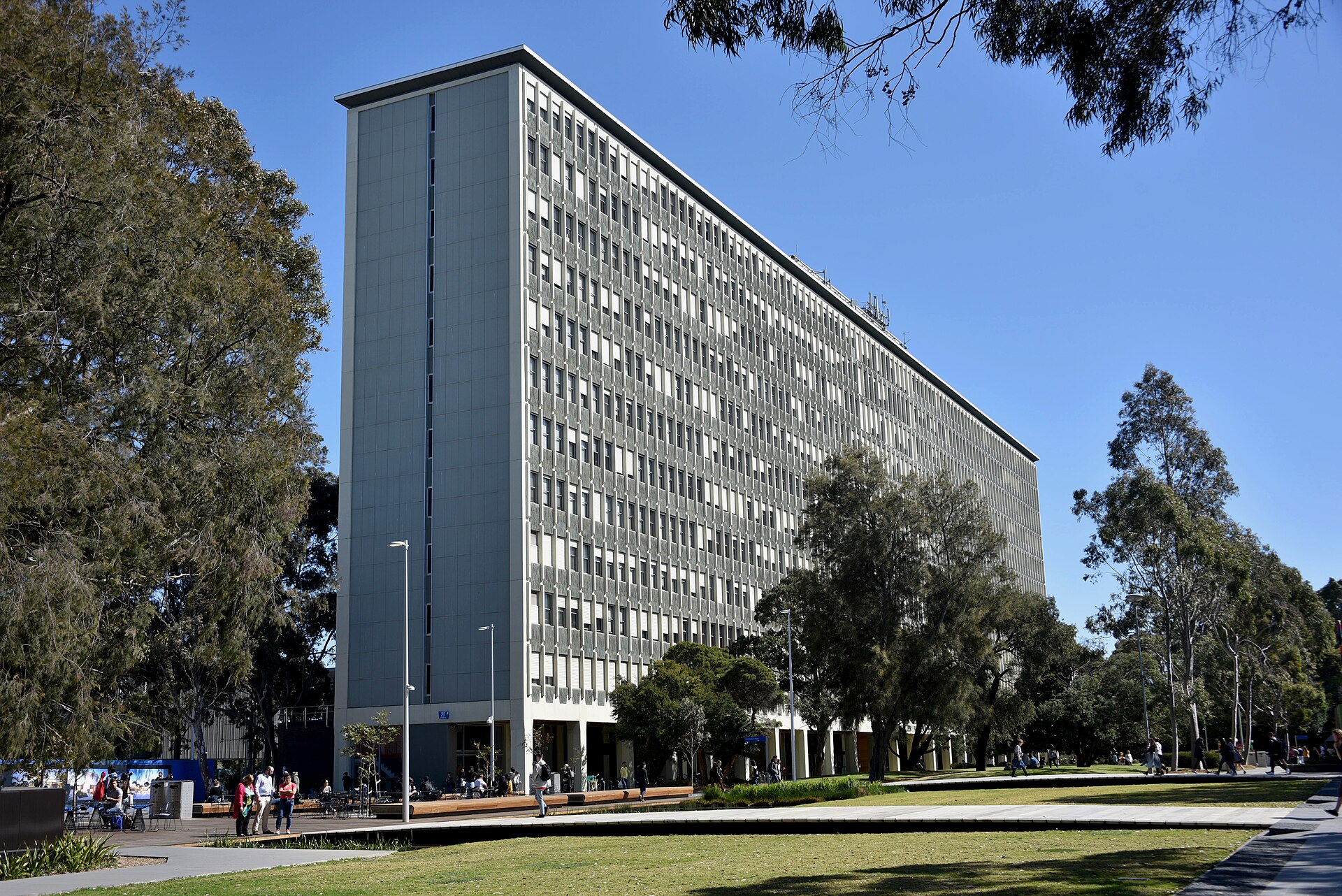
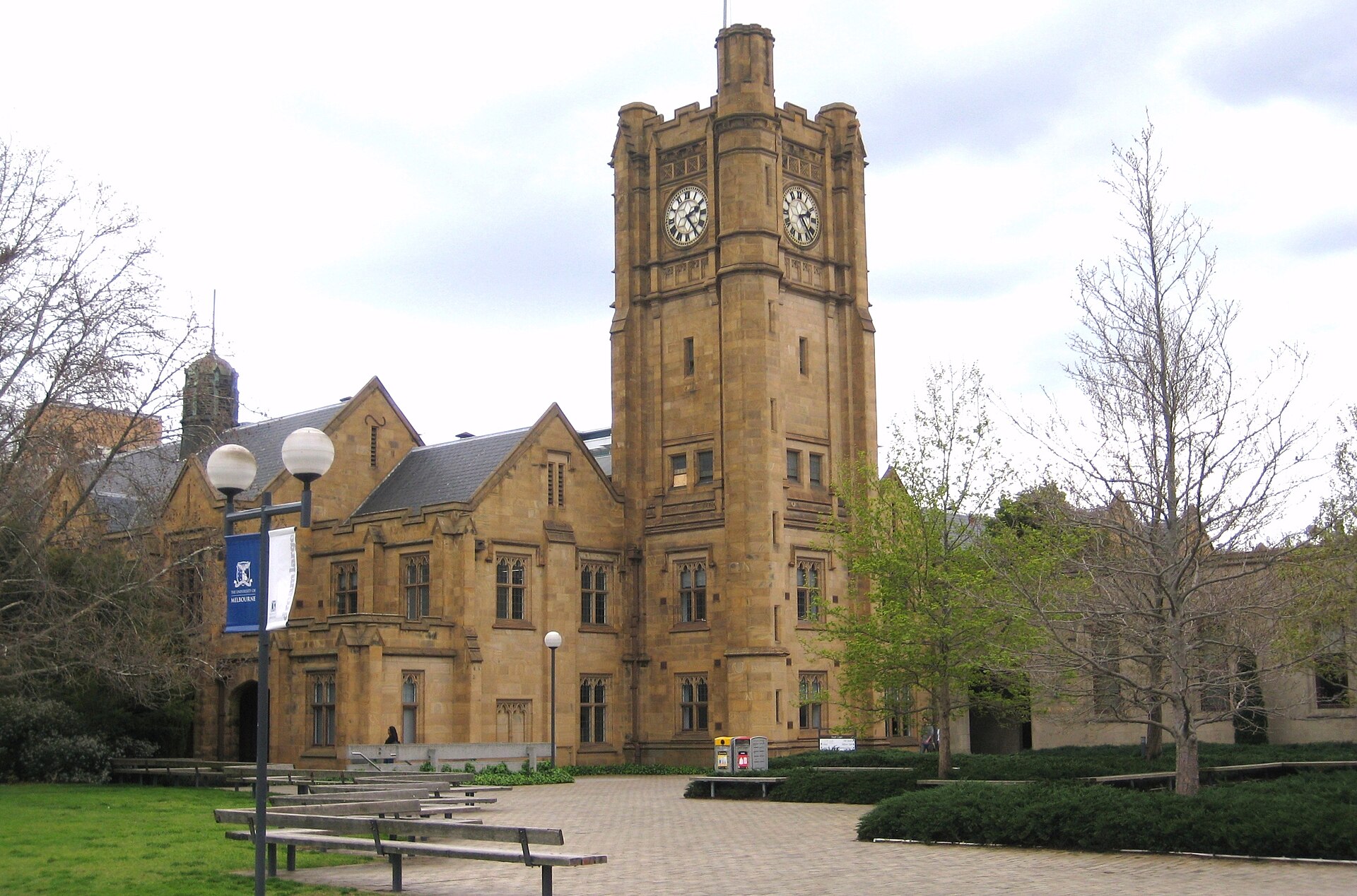
- Carlton, just north of the CBD, has Lygon Street's long-established Italian restaurants, the University of Melbourne, and Carlton Gardens with the Royal Exhibition Building, inscribed on the UNESCO World Heritage List in 2004, and the Melbourne Museum. It suits families and anyone who likes a quieter, academic feel.
- East Melbourne is a small, calm area of Victorian houses between Fitzroy Gardens and the Melbourne Cricket Ground (MCG). It's an easy walk to both the CBD and the sporting precinct.
- Richmond, further east, is known for its Vietnamese restaurants on Victoria Street, pubs and Swan Street, and sits next to the MCG and Melbourne Park, home of the Australian Open.
Getting around
- From the airport: Melbourne Airport (Tullamarine) is roughly 20–25 km north-west of the city. An express airport bus runs frequently to Southern Cross station in the CBD, typically taking 30–40 minutes depending on traffic. Taxis and ride-hailing are available but slow in peak hours.
- Trams: the network covers the CBD and inner suburbs. Rides that start and end within the CBD free tram zone cost nothing; elsewhere you pay a standard fare.
- Paying: trains, trams and buses use the myki ticketing system. Payment options have been changing, so check the current options on the official public transport site before you go.
- Trains: suburban lines run through the City Loop and Flinders Street Station. The Metro Tunnel added new underground stations under the city and along St Kilda Road.
- Walking and cycling: the CBD and inner north are flat and easy to walk, and riverside paths run along the Yarra.
Practical tips before you book
- Watch the events calendar. The Australian Open (January), the Formula 1 Grand Prix at Albert Park (usually in March), the AFL Grand Final (late September) and the Melbourne Cup (early November) push up rates and fill hotels. Check the official dates.
- Pack for changeable weather. Melbourne is famous for "four seasons in one day": summer heatwaves can break with sudden cool changes, and winters are cool and damp.
- Check heating and cooling. Air conditioning matters in summer, and heating is worth confirming in older buildings.
- Plan day trips from the right side of town. The Great Ocean Road, Phillip Island, the Yarra Valley wine region, the Dandenong Ranges and the Mornington Peninsula are popular. A CBD or Southbank base works for coach tours, and staying near Southern Cross helps for regional trains.
- Combine it with Sydney. Many visitors pair the two cities; see our guide to where to stay in Sydney.
- Entry requirements: most visitors need a visa or electronic travel authority before travelling to Australia. Check the current rules on the official government site before you go.
Pick the CBD for convenience, Fitzroy or South Yarra for neighbourhood life, Southbank for the river and the arts, or St Kilda for the bay, and Melbourne's trams will take care of the rest.
Bloiq is reader-supported. Some links may earn us a commission; it never affects what we write. How we make money.
Cover photo: MusikAnimal, CC BY-SA 4.0, via Wikimedia Commons