Home / Travel / Australia · Where to stay
Where to stay in Sydney: CBD, The Rocks, Darling Harbour, Bondi, Manly
Sydney wraps around a huge harbour, so your base decides how you spend each day. Compare the CBD, The Rocks, Darling Harbour, Bondi, Manly and the inner suburbs.
This guide contains affiliate links, marked as such. If you book through them, Bloiq may earn a commission at no extra cost to you.
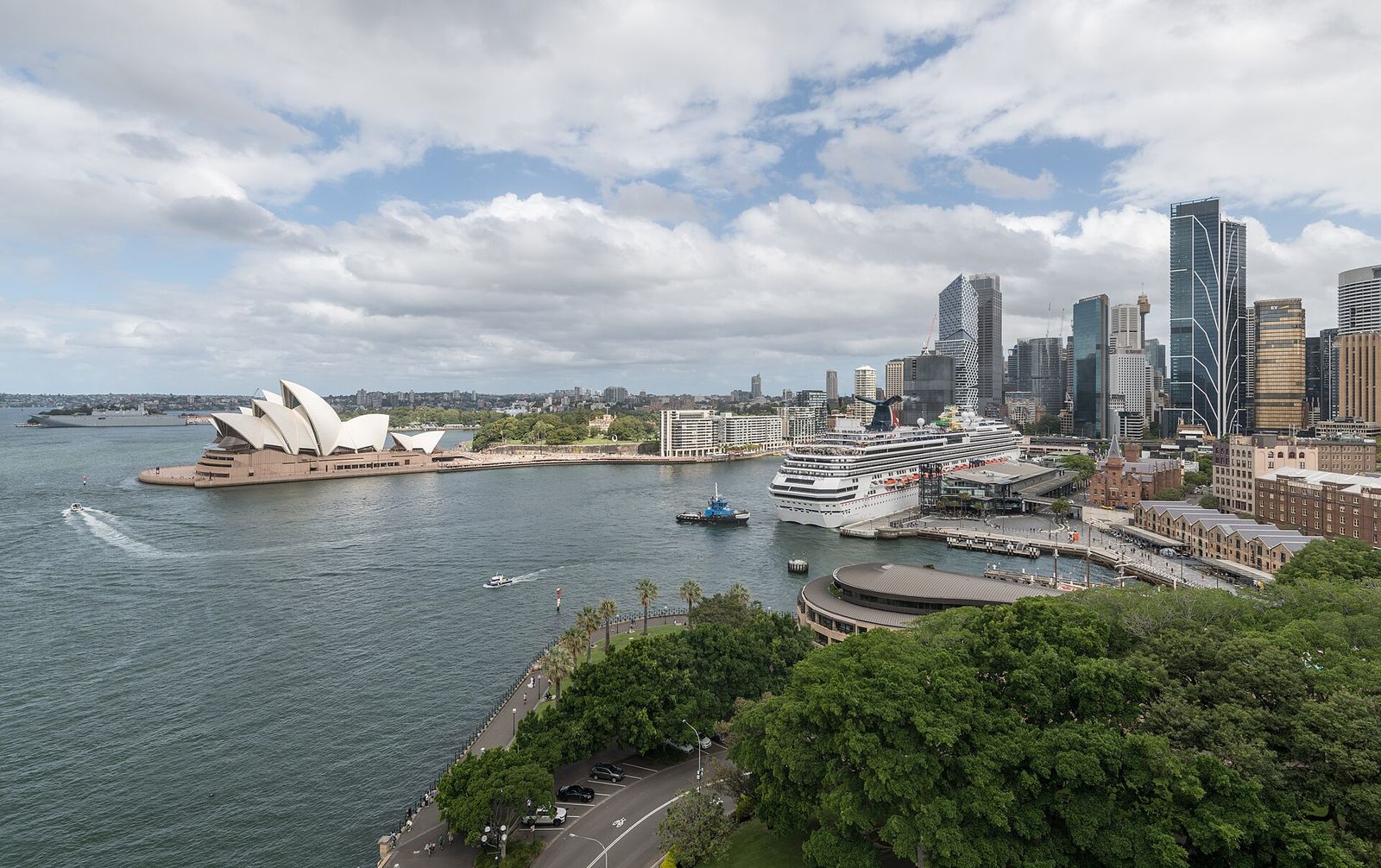
Sydney is a large, spread-out city wrapped around one of the world's great natural harbours, and where you sleep decides whether your mornings start with a stroll to the Opera House, a ferry across the water or a swim at the beach. Public transport links most areas well, but distances add up quickly. Here's how the main bases compare and who each one suits.
The quick answer
- First visit, sights on foot: The Rocks, Circular Quay or the CBD.
- Families and conference trips: Darling Harbour, Pyrmont or Barangaroo.
- Food, cafés and a local feel: Surry Hills or Darlinghurst.
- Quiet and leafy, close to the centre: Potts Point and Elizabeth Bay.
- Beach life with a bus into town: Bondi or Coogee.
- Beach life with a ferry commute: Manly.
- Alternative and lively: Newtown.
The Rocks and Circular Quay: the harbour at your door
The Rocks, on the western side of Circular Quay, is where the British colony began in 1788. Its sandstone terraces, laneways and historic pubs sit right under the Harbour Bridge, and the Opera House is a short walk around the quay. Circular Quay is also the hub of the ferry network, with trains and light rail at the same spot, and weekend markets fill the streets of The Rocks.
Good for: first-time visitors, short stays and anyone who wants postcard Sydney outside the door. Consider: it's one of the most expensive areas to stay, the quay is crowded by day, and everyday shops and neighbourhood restaurants are thinner on the ground than in the inner suburbs.
The CBD: central and practical
The central business district runs south from Circular Quay to Town Hall and Central station. It has many of the big hotels, department stores, Hyde Park, the Queen Victoria Building and most transport lines, including the metro line through the city centre that opened in 2024.
Good for: business trips, short stays and travellers who want transport in every direction. Consider: office streets go quiet at weekends and late in the evening. A hotel near Hyde Park, Wynyard or the quay usually has more life around it than one deep among the office towers.
Darling Harbour, Pyrmont and Barangaroo: the western waterfront
Darling Harbour is a car-free waterfront of restaurants, the convention centre, the aquarium and the maritime museum, with the Chinese Garden of Friendship at its southern end. Pyrmont, on the western shore, mixes converted warehouses with apartment hotels. Barangaroo, to the north, is a newer district of offices, restaurants and a landscaped headland park.
Good for: families, conference visitors and anyone who likes flat, easy walking. Consider: the waterfront is busy with events and can feel built for visitors. Check how far your hotel is from a light rail stop or metro station.
Surry Hills and Darlinghurst: food and character
South-east of the CBD, Surry Hills is a neighbourhood of Victorian terraces, small bars and some of Sydney's best-regarded cafés and restaurants. Darlinghurst, next door, runs along Oxford Street, the centre of the city's LGBTQ+ scene and the route of the Mardi Gras parade, usually held in late February or early March.
Good for: food lovers, couples and repeat visitors. Consider: most places to stay are smaller hotels and apartments, and Oxford Street can be loud late at weekends. Central station, a short walk from Surry Hills, makes airport and day-trip connections easy.
Potts Point and Elizabeth Bay: leafy and calm
East of the centre, beyond Kings Cross, Potts Point has tree-lined streets, Art Deco apartment buildings, good cafés and harbour glimpses down every side street. Kings Cross station puts the CBD a few minutes away by train.
Good for: couples and longer stays. Consider: it's mainly residential, and the main road through Kings Cross is busier and less attractive than the quiet streets behind it, so check the exact address.
Bondi and Coogee: the eastern beaches
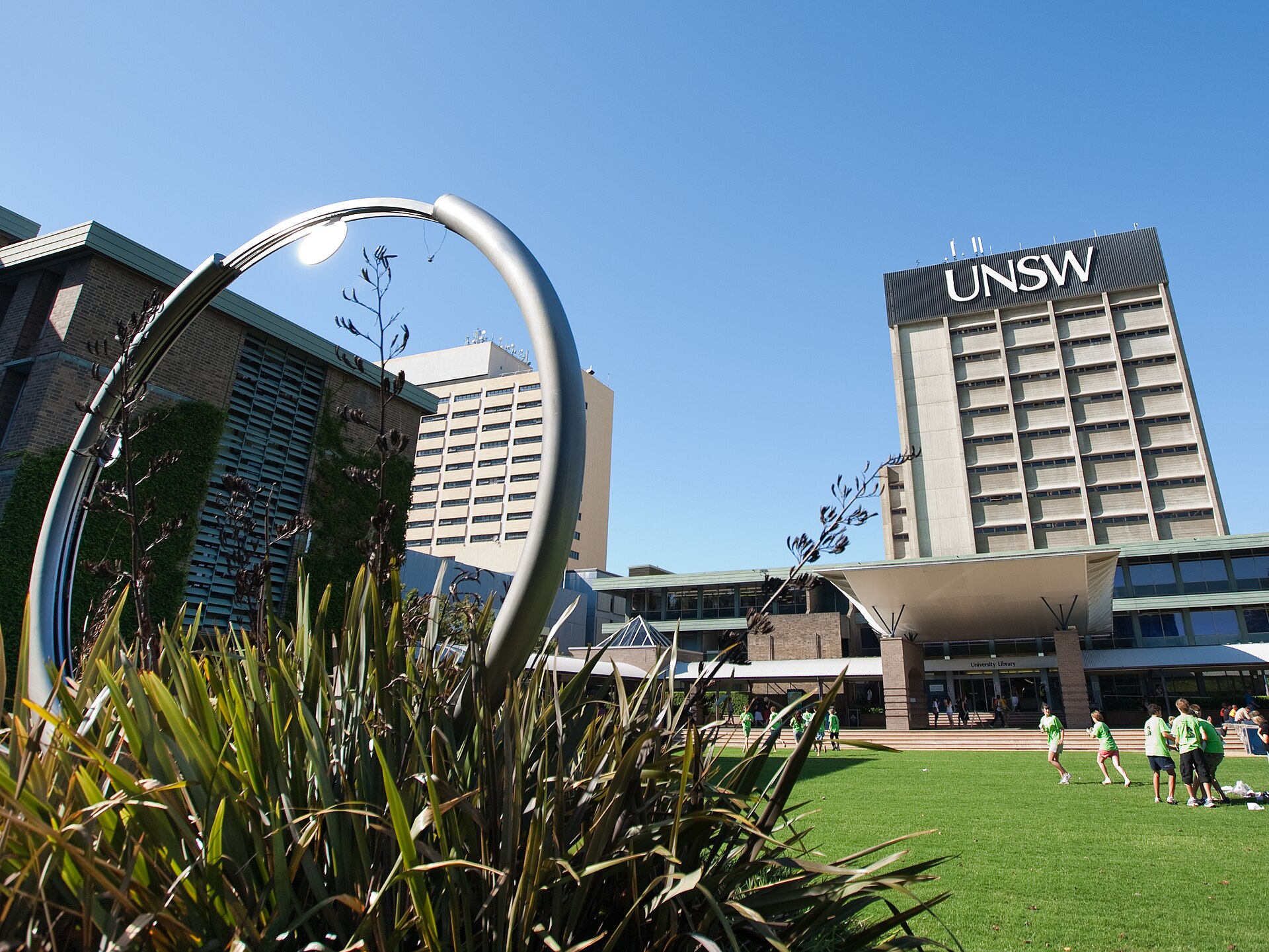
Bondi is Australia's most famous beach: a long crescent of sand with an ocean pool at its southern end, surf schools, cafés and the start of the clifftop coastal walk to Coogee, roughly 6 km south. Coogee is a smaller, more relaxed beach suburb at the far end of that walk, close to the University of New South Wales.
Good for: beach holidays, surfers and longer stays with an outdoor rhythm. Consider: neither has a train station. Buses to the city, or to Bondi Junction station, take roughly 20–40 minutes depending on traffic, and summer weekends are very busy.
Manly: a beach town by ferry
Manly sits on a narrow strip of land with a long surf beach on the ocean side and a calm harbour beach on the other. The regular ferry to Circular Quay takes about 30 minutes, with faster services available, and the crossing is one of the best views in Sydney. Walks lead to Shelly Beach and the cliffs of North Head.
Good for: families, beach lovers and anyone who wants a holiday-town feel. Consider: evenings in the city depend on ferry times, so check the last services, and it's the farthest of these bases from the airport.
Newtown: the inner west
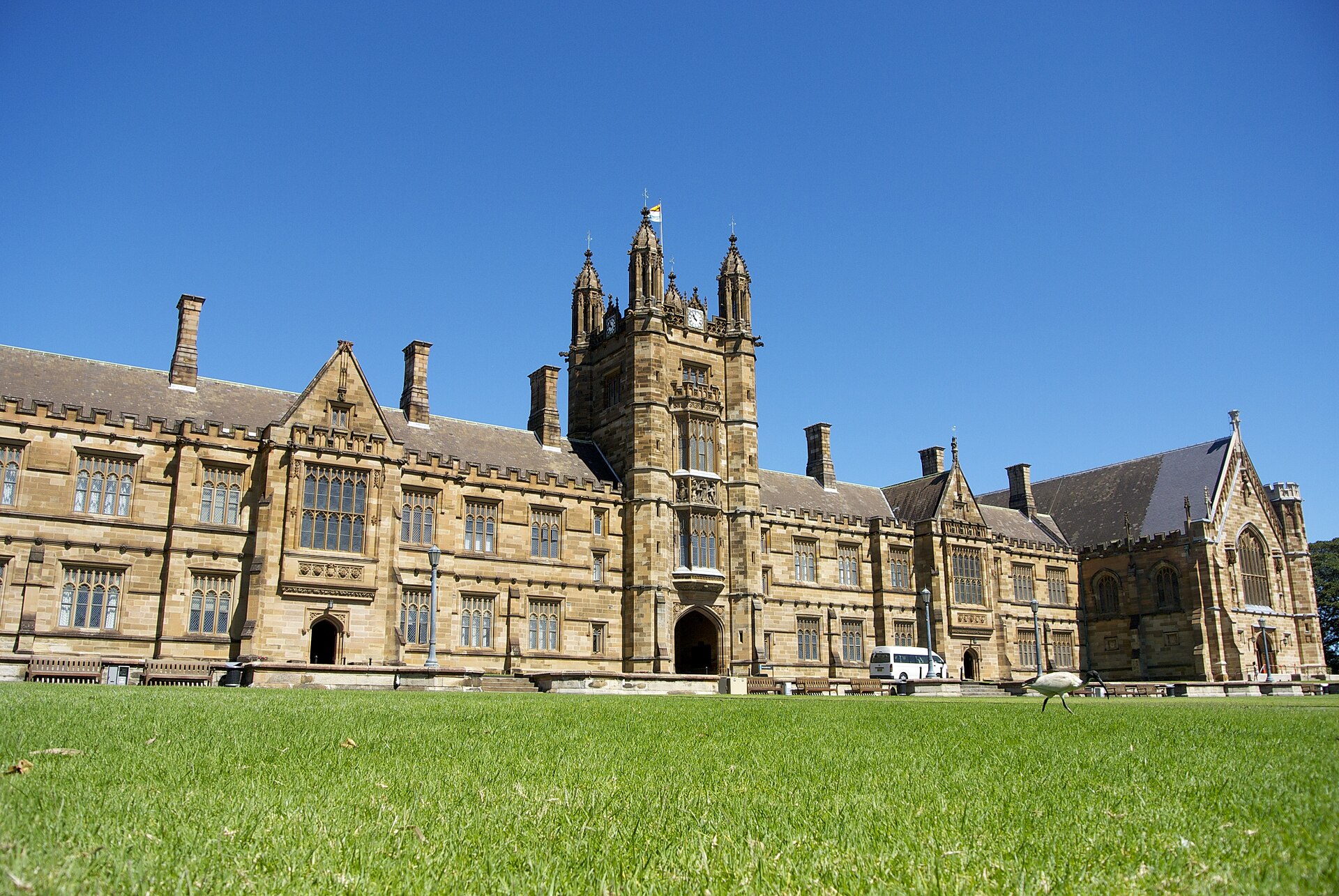
Newtown's King Street is lined with independent shops, bookshops, bars, live music venues and restaurants from almost every cuisine. The University of Sydney sits on its northern edge, which keeps the area young and busy.
Good for: younger travellers, students and visitors who want a lively local neighbourhood. Consider: there are few hotels, so most options are guesthouses and apartments, and the harbour sights are a train or bus ride away.
Getting around
- From the airport: Sydney Airport is roughly 8 km south of the CBD. Trains from the domestic and international terminals reach Central in around 15 minutes and continue to the city stations; an extra station access charge applies at the airport stations. Taxis and ride-hailing are slower at rush hour.
- Opal and contactless: trains, the metro, buses, ferries and light rail all use the Opal system. You can tap on and off with a contactless bank card or phone instead of buying a card.
- Ferries: Circular Quay is the hub for Manly, Taronga Zoo, Watsons Bay and the Parramatta River. Ferries are transport and sightseeing in one.
- Metro, trains and light rail: the metro links Barangaroo, Martin Place and Central with the north shore; suburban trains cover the rest. Light rail runs down George Street to Central and on to Randwick and Kingsford, and from Central through Darling Harbour and Pyrmont to the inner west.
- Walking: central Sydney is walkable, with some hills. The harbour foreshore from the Opera House through the Royal Botanic Garden makes a lovely walk.
Practical tips before you book
- Book early for big events. Harbour-view rooms around the New Year's Eve fireworks sell out months ahead, and rates rise sharply. The winter light festival (usually late May to mid-June) and Mardi Gras also fill hotels; check the official dates.
- Know the seasons. Summer (December to February) is peak season and coincides with the long Australian school holidays. Winter (June to August) is mild and quieter.
- Check air conditioning for summer, and heating in older buildings for cool winter nights.
- Beach safety: swim between the red and yellow flags at patrolled beaches, and take the sun seriously; UV is strong even on cloudy days.
- Day trips: if the Blue Mountains are on your list, staying near Central saves time, as trains to Katoomba leave from there and take around two hours.
- Entry requirements: most visitors need a visa or an electronic travel authority before travelling to Australia. Check the current rules on the official government site before you go.
Choose The Rocks or the CBD for convenience, Surry Hills or Potts Point for neighbourhood life, and Bondi or Manly for the beach, and Sydney's ferries and trains will cover the rest.
Bloiq is reader-supported. Some links may earn us a commission; it never affects what we write. How we make money.
Cover photo: DXR, CC BY-SA 4.0, via Wikimedia Commons