Home / Travel · Where to stay
Where to stay in Athens: neighbourhoods compared, plus ferry logistics
Plaka, Monastiraki, Syntagma, Koukaki or Kolonaki? How the main areas of Athens compare, who each suits, and how to reach your island ferry at Piraeus on time.
This guide contains affiliate links, marked as such. If you book through them, Bloiq may earn a commission at no extra cost to you.
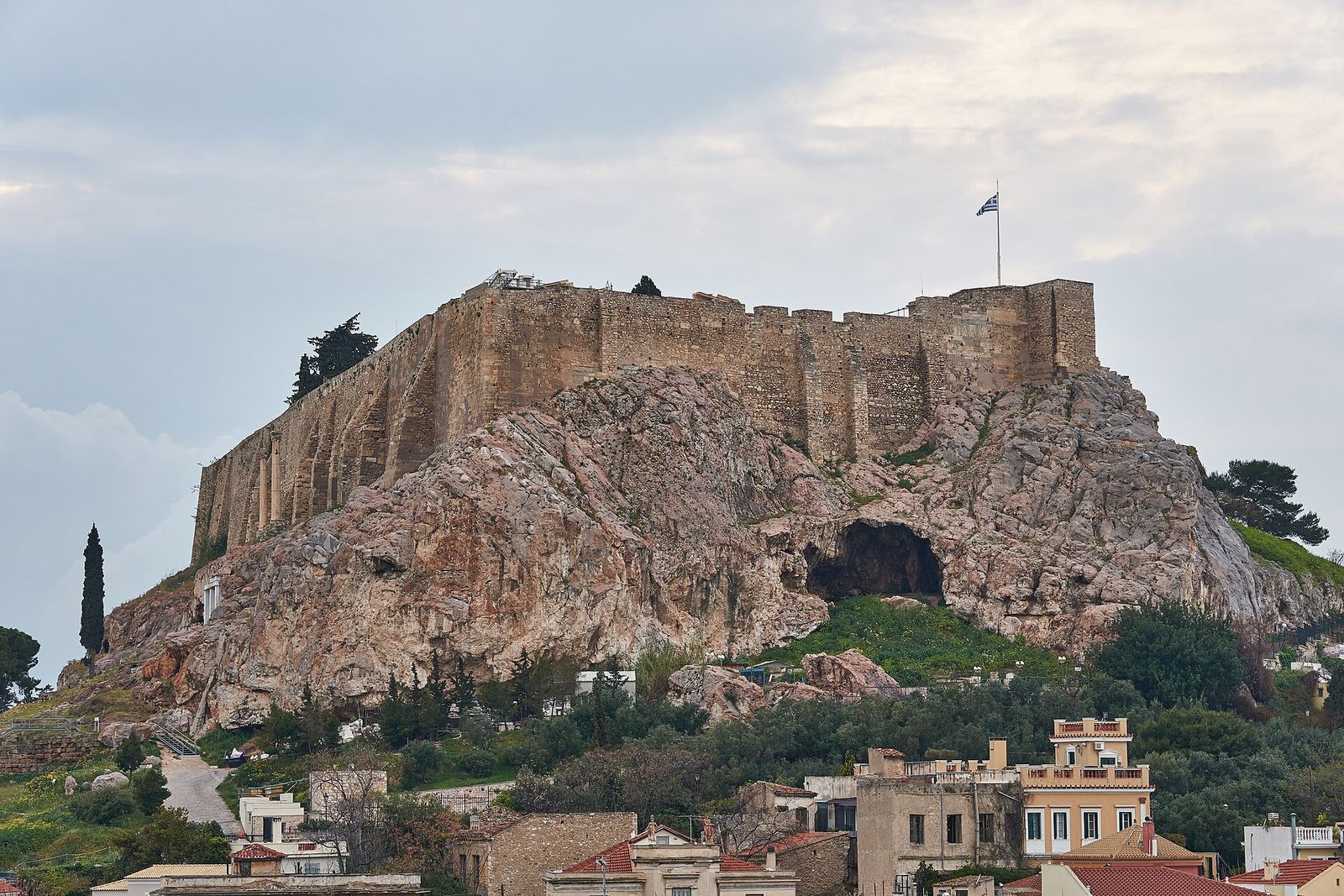
Athens is a huge city, but the part most visitors come for is small. The Acropolis, the ancient Agora, the main museums and the old quarters all sit within a half-hour walk of each other. The choice of base is really about noise, hills and character. Many travellers also have a ferry to catch, and that adds a second question: how early you need to be at the port. This guide compares the central areas and explains how to get to the islands from Piraeus.
The quick answer
- First visit, everything on foot: Plaka or Syntagma.
- Lively, central and good value: Monastiraki or Psyrri, if you sleep soundly.
- Quieter and close to the Acropolis: Koukaki or Makrygianni.
- Upmarket shopping and museums: Kolonaki.
- A local, residential feel: Thissio, Pangrati or Petralona.
- A very early ferry: one night in Piraeus.
- Beach time: the coast around Glyfada and Vouliagmeni.
Plaka: the old town below the Acropolis
Plaka is the oldest inhabited quarter, a tangle of mostly car-free lanes with neoclassical houses, small museums, tavernas and souvenir shops on the northern and eastern slopes of the Acropolis. Above it, the tiny whitewashed quarter of Anafiotika looks like a piece of a Cycladic island.
Good for: first-time visitors, couples and short stays; the main sights are minutes away. Consider: it's the most tourist-oriented part of the city, with restaurant prices to match. The lanes are stepped and cobbled in places, and taxis can't reach every door.
Monastiraki and Psyrri: lively and central
Monastiraki's square, flea market and metro interchange make it one of the most convenient spots in Athens, with the ancient Agora and Hadrian's Library next door. Psyrri, just to the north, is a former workshop district that has become a dense quarter of tavernas, bars, street art and small hotels. The central market on Athinas Street is close by.
Good for: nightlife, eating out, rooftop bars with Acropolis views and quick metro links to both the airport and Piraeus. Consider: it's noisy late into the night, especially at weekends. Ask for a room at the back or on a high floor, and expect graffiti and a slightly gritty look.
Syntagma: the transport hub
Syntagma Square, in front of the Greek Parliament, is the centre of modern Athens. Two metro lines meet here, the airport express bus terminates beside the square, and the tram to the coast starts nearby. Ermou, the main pedestrian shopping street, runs downhill to Monastiraki, and the National Garden is next door. Many of the city's larger and grander hotels are here.
Good for: short stays, business trips and anyone with an early flight or a lot of luggage. Consider: it's busy and commercial, not charming. Demonstrations are held in the square from time to time, and they can close the metro station and the surrounding streets for a few hours.
Koukaki and Makrygianni: quiet, south of the Acropolis
Makrygianni is the small area around the Acropolis Museum; Koukaki continues to the south and west. Together they offer residential streets, neighbourhood cafés and bakeries, pedestrian lanes with restaurants and two metro stations. The Acropolis entrance and the broad pedestrian promenade of Dionysiou Areopagitou are a short walk away.
Good for: couples, families and longer stays; you get local life without giving up the location. Consider: it's a 15–20 minute walk to Monastiraki, and the streets on the slope of Filopappou Hill are steep.
Kolonaki: upmarket and hilly
On the slope of Lycabettus Hill, north-east of Syntagma, Kolonaki is the city's polished district: designer boutiques, galleries, smart cafés and several excellent museums, including the Benaki Museum and the Museum of Cycladic Art.
Good for: shoppers, museum-goers and repeat visitors who want a refined, less touristy base. Consider: prices are high, the streets climb steeply, and the Acropolis is 20–30 minutes away on foot.
Other areas worth knowing
- Thissio and Petralona: west of the Acropolis, with a pedestrian promenade, outdoor cafés and some of the best sunset views of the rock. Petralona, next door, is known for traditional tavernas. Both are on the metro line to Piraeus.
- Pangrati and Mets: residential streets behind the Panathenaic Stadium, with a good local food scene. Expect a longer walk or a bus ride to the sights.
- Exarchia: the student and alternative quarter near the National Archaeological Museum, with bookshops, bars and cheap places to eat. It has a long tradition of political protest and occasional clashes with police, so it suits travellers who know what to expect.
- Omonia and Metaxourgeio: well connected and often the cheapest central option. Some streets here feel rough after dark, so check the exact location before you book.
- The Athens Riviera: Glyfada, Voula and Vouliagmeni have beaches, marinas and resort hotels. They suit a beach stay with a day or two of sightseeing, since the centre is a long tram or taxi ride away.
Getting around
- Metro: three lines cover most visitors' needs. One runs between the airport, Syntagma, Monastiraki and Piraeus; another links the port of Piraeus with Thissio, Monastiraki and the northern suburbs; the third serves the Acropolis Museum area, Syntagma and the main railway station.
- From the airport: the metro takes roughly 40 minutes to Syntagma, with trains about every half hour. Express buses run around the clock to Syntagma and to Piraeus. Taxis are plentiful; check the current fixed fare to the centre before you get in.
- On foot: the historic centre is walkable, and a chain of pedestrian streets links the Acropolis Museum, Thissio and Monastiraki. Pavements elsewhere are uneven, and marble surfaces are slippery, so wear shoes with grip.
- Tram and buses: the tram runs from near Syntagma to the coast. Buses fill the gaps, but traffic makes them slow.
Catching a ferry from Piraeus
Piraeus is the main port for the Cyclades, Crete, the Dodecanese and the nearby Saronic islands. From Monastiraki, the metro reaches it in about 20 minutes, and the airport line also runs there directly in about an hour.
- The port is big. Departure gates are numbered E1 to E10 and are spread along several kilometres of quay. Some are opposite the metro station; the farthest are a long walk, and a shuttle bus normally runs inside the port. Your ticket shows the gate, so check it the day before.
- Arrive early. Aim to be at the gate 45–60 minutes before departure, and earlier with a car. Ferries don't wait for late passengers.
- Early sailings. Many island ferries leave around 7 a.m. From a hotel near a metro station in central Athens that is manageable; if you'd prefer not to rush, spend the night before in Piraeus. It's a working port city, pleasant around the small harbours of Zea and Mikrolimano, but it isn't a base for sightseeing.
- Other ports. Some sailings to Andros, Tinos and Mykonos leave from Rafina, on the east coast and closer to the airport. Lavrio serves Kea and Kythnos. Both are reached by regional bus or taxi, so check which port your ferry uses.
- Wind. In July and August, the strong northerly meltemi can delay or cancel sailings, particularly high-speed ferries. Don't plan to arrive back from an island on the day of an international flight; leave a night in Athens as a buffer.
- Booking. Reserve ahead for July, August, Greek Easter and the days around 15 August, and check whether your ticket is electronic or must be collected at the port.
Practical tips before you book
- Air conditioning is essential from June to September. Summer afternoons are very hot, and sights such as the Acropolis may close during the hottest hours in a heatwave.
- Check for a lift and for street noise; double glazing matters in Monastiraki and Psyrri.
- A rooftop view of the Acropolis is a common selling point. Confirm that the view is from the room you're booking, and not only from the roof terrace.
- Accommodation tax: Greece charges a nightly fee per room that varies with the hotel's category and the season, usually paid at the property. Check the current rate.
- Acropolis tickets are sold for timed entry slots, and popular times sell out in summer. Check the current rules on the official site before you go.
- Watch your pockets on the metro, especially on the airport and Piraeus lines.
Choose Plaka or Syntagma for convenience, Koukaki for calm and Monastiraki for energy, and keep the last night before a flight in Athens, not on an island. If your trip continues east, see our guide to where to stay in Istanbul.
Bloiq is reader-supported. Some links may earn us a commission; it never affects what we write. How we make money.
Cover photo: George E. Koronaios, CC BY-SA 4.0, via Wikimedia Commons