Home / Travel / Australia · Day trips
Day trips from Melbourne: Great Ocean Road, Phillip Island and more
The best day trips from Melbourne compared by travel time: the Great Ocean Road, Phillip Island's penguins, Yarra Valley wineries and the Dandenong Ranges.
Melbourne is a city of laneways, galleries and coffee, but some of Victoria's best scenery lies within a couple of hours of it: a famous coastal road, wild penguins coming ashore at dusk, wine country and cool fern forests. Distances are bigger than they look on a map, and public transport outside the city is limited, so the right choice depends on how much time you have and whether you'll drive. This guide compares the classic trips by travel time, explains how to reach each one and how long to allow.
The quick comparison
- Great Ocean Road: about 1.5 hours to the start at Torquay; around 3 to 3.5 hours each way to the Twelve Apostles. Best for coastal scenery. A very long day; better with a night away.
- Phillip Island: about 2 hours by road. Best for the penguin parade and wildlife. An afternoon into the evening.
- Yarra Valley: about 1 to 1.5 hours. Best for wineries, food and native animals at Healesville. A full day.
- Dandenong Ranges: about 1 hour, and reachable by train. Best for forest walks, a heritage steam train and hill villages. Half a day to a full day.
The Great Ocean Road: cliffs, surf beaches and the Twelve Apostles
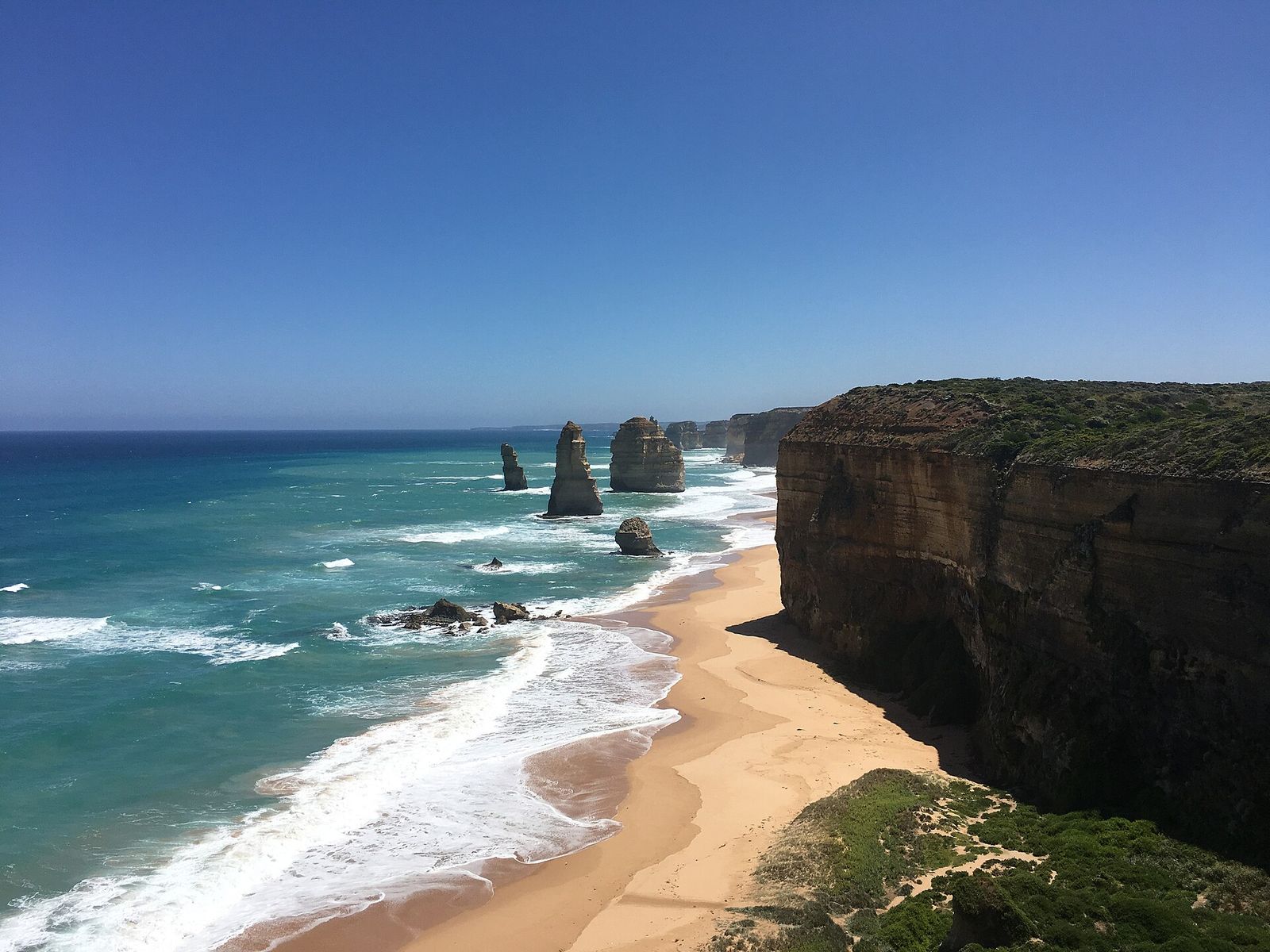
The Great Ocean Road runs for about 240 km along Victoria's south-west coast, from Torquay to near Allansford. It was built by returned soldiers after the First World War and is dedicated to those who died in it, which makes it the world's largest war memorial by many accounts.
Getting there: most people drive or join a coach tour. From Melbourne, the freeway leads past Geelong to Torquay, the surf town at the start of the road. Trains run to Geelong, and regional coaches continue along parts of the coast, but they are infrequent, so public transport works best for an overnight trip.
What to see: - Torquay and Bells Beach: surfing beaches and the start of the drive. - Lorne and Apollo Bay: seaside towns, good for lunch and a break. - Great Otway National Park: temperate rainforest, waterfalls and the Cape Otway lighthouse. Koalas are often seen in the trees around Kennett River, but sightings are never guaranteed. - Port Campbell National Park: the Twelve Apostles limestone stacks, Loch Ard Gorge and London Bridge (now London Arch), all a short walk from car parks.
How long: doing the whole route as a return day trip means eight or more hours of driving. A common plan is to drive along the coast and return via the faster inland route, or to stay a night in Lorne, Apollo Bay or Port Campbell. If you have only one day and want to see the Apostles, a tour lets you rest instead of driving.
Phillip Island: the penguin parade
Phillip Island, in Western Port south-east of Melbourne, is famous for its colony of little penguins, the world's smallest penguin species. Every evening at dusk they come ashore at Summerland Beach and waddle up to their burrows, watched from viewing stands within the Phillip Island Nature Parks.
Getting there: it's about two hours by car, across a bridge from the mainland at San Remo. Public transport is limited, so most visitors drive or take a tour that times the trip around the parade.
What to see: - The Penguin Parade: the main event. Tickets are timed by sunset and sell out in busy periods, so book ahead on the official site. Photography of the penguins is not allowed, to protect them. - The Nobbies: boardwalks over the cliffs on the island's western tip, with views to Seal Rocks, home to a large colony of Australian fur seals. - Koala Conservation Reserve: treetop boardwalks where koalas can be seen in their natural habitat. - Churchill Island: a heritage farm reached by a small bridge.
How long: leave Melbourne in the early afternoon. The penguins come ashore around sunset, which is late in the evening in summer, so you'll get back to the city late. Drive carefully at dusk, when wildlife is most active on the roads.
The Yarra Valley: wine, food and wildlife
North-east of the city, the Yarra Valley is one of Australia's best-known cool-climate wine regions, known for chardonnay, pinot noir and sparkling wine. Rolling vineyards are mixed with dairies, chocolate makers, cheese producers and restaurants.
Getting there: about an hour to an hour and a half by car. Trains run as far as Lilydale, with buses on to Healesville, but wineries are spread out, so a guided tour or a driver is the easiest way to taste wine.
What to see: - Cellar doors: most wineries offer tastings; some need a booking, particularly at weekends. - Healesville Sanctuary: a wildlife park run by Zoos Victoria, with native animals such as platypus, koalas and wombats, and a raptor show. - Hot-air balloon flights: sunrise flights over the valley are popular and depend on the weather. - Art and gardens: several wineries and galleries in the valley host art and sculpture.
How long: a full day. Victoria enforces drink-driving laws strictly, so if you plan to taste, take a tour or have a designated driver who doesn't drink.
The Dandenong Ranges: forest, ferns and a steam train
The Dandenong Ranges, on Melbourne's eastern edge, are low, cool mountains covered in tall mountain ash forests and tree ferns, with small villages such as Olinda and Sassafras known for tearooms, gardens and craft shops.
Getting there: about an hour by car. The suburban train runs to Belgrave, at the foot of the hills, which makes this the easiest trip without a car.
What to see: - Puffing Billy Railway: a heritage steam railway from Belgrave through the forest. Book ahead, especially at weekends and in school holidays. - The 1000 Steps: a steep walk through ferny forest in the Dandenong Ranges National Park, a memorial to the Kokoda Track campaign of the Second World War. - Sherbrooke Forest: quieter walks, where lyrebirds may be heard or seen. - Gardens and villages: cool-climate gardens such as the National Rhododendron Gardens in Olinda, at their best in spring.
How long: half a day for the steam train, a full day with walks and the villages.
More ideas if you have time
- Mornington Peninsula: beaches, wineries and hot springs, about 1 to 1.5 hours south.
- Ballarat: a gold-rush city with Sovereign Hill, an outdoor museum of the 1850s, about 1.5 hours by car or train.
- Wilsons Promontory: beautiful coastal national park, but at around three hours each way, it's better with a night or two.
Practical tips for day trips from Melbourne
- Driving is on the left. Roads like the Great Ocean Road are winding, so allow extra time, use the lookouts to stop and don't drive tired.
- Watch the weather and fire danger. In summer, check fire danger ratings and any warnings before heading to the bush; conditions on the coast can change quickly at any time of year.
- Book what sells out. Penguin Parade tickets, Puffing Billy seats and winery lunches are best booked in advance.
- Fuel up and download maps. Mobile coverage can be patchy along the coast and in the hills.
- Choose a base with easy access. A central base near Southern Cross or Flinders Street station makes trains and tours simple. Our guide to where to stay in Melbourne compares the areas.
Bloiq is reader-supported. Some links may earn us a commission; it never affects what we write. How we make money.
Cover photo: BennyG3255, CC BY-SA 4.0, via Wikimedia Commons