Home / Travel · Where to stay
Where to stay in Buenos Aires: Palermo, Recoleta, San Telmo, Puerto Madero
Palermo, Recoleta, San Telmo and Puerto Madero compared: what each Buenos Aires neighbourhood is like, who it suits and how to get around the city.
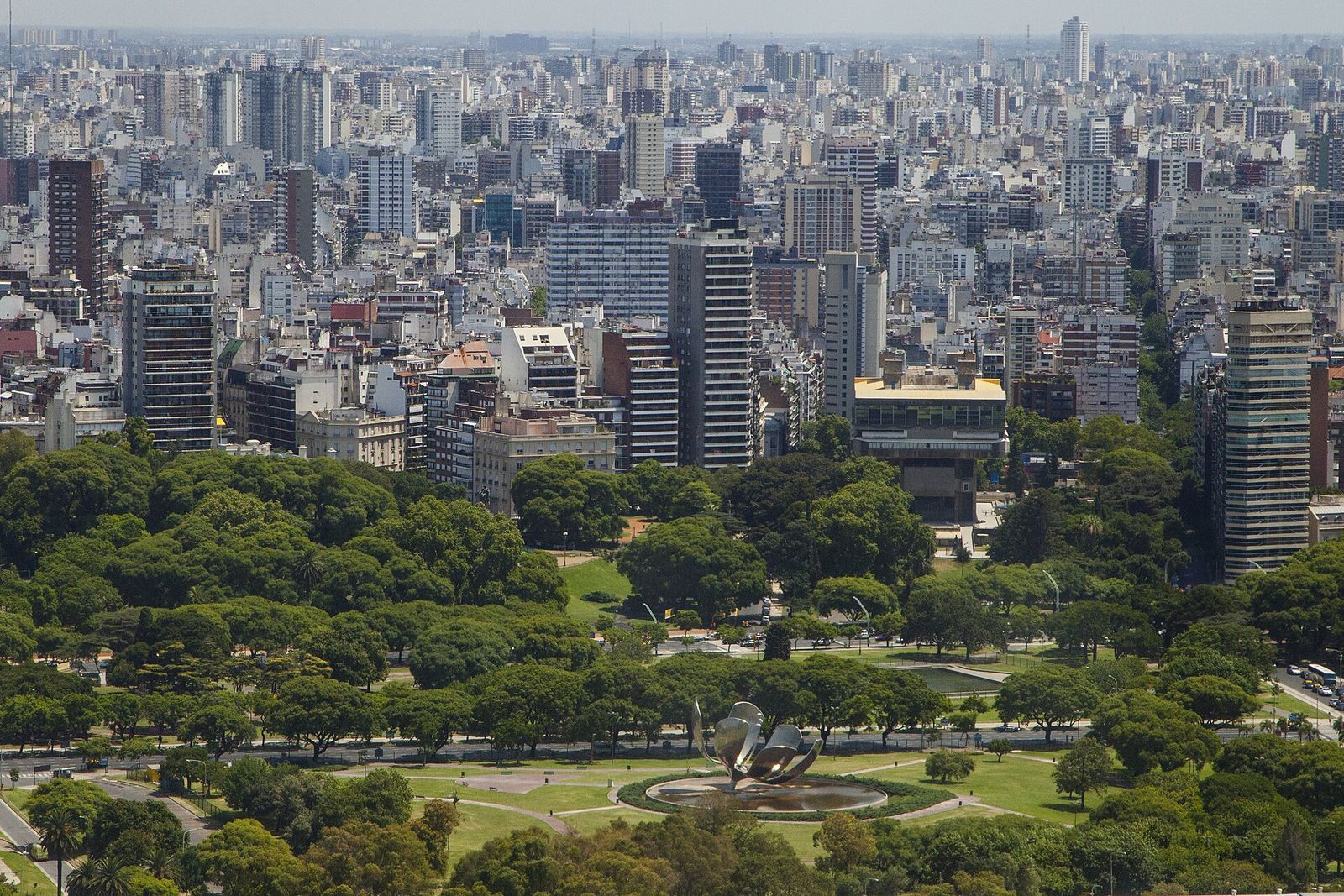
Buenos Aires is a huge city of distinct barrios, each with its own pace. Where you stay shapes your trip more than in most capitals: one area is leafy and full of restaurants, another is grand and quiet, a third is cobbled and historic. The good news is that the four areas most visitors choose are all within a taxi ride or a few metro stops of each other. Here's how they compare.
The quick answer
- Restaurants, bars, parks and a lively local feel: Palermo.
- Elegant, central and calm: Recoleta.
- History, tango and character: San Telmo.
- Modern towers, river views and quiet nights: Puerto Madero.
Palermo: leafy, lively and the most popular choice
Palermo is the city's largest barrio and the one many first-time visitors pick. Its best-known parts are Palermo Soho (also called Palermo Viejo), with low houses, tree-lined streets, independent shops and cafés around Plaza Serrano, and Palermo Hollywood, across the railway tracks, known for its restaurants and nightlife.
Palermo also has the city's great green space, the Bosques de Palermo, with lakes, a rose garden and the Japanese Garden. The Botanical Garden and the MALBA museum of Latin American art are close by.
Good for: food lovers, younger travellers, longer stays and anyone who enjoys a neighbourhood with plenty going on. Consider: it's a fair distance from the historic centre and San Telmo, so you'll often take the metro or a taxi. Porteños eat and go out late, and streets with bars can be loud well after midnight, particularly at weekends.
Recoleta: Parisian avenues and grand museums
Recoleta is Buenos Aires at its most elegant, with French-style mansions, embassies, wide avenues such as Avenida Alvear, and smart apartment buildings. Its most famous sight is the Recoleta Cemetery, a city of ornate family tombs where Eva Perón is buried. Nearby are the Basílica del Pilar, the National Museum of Fine Arts and, in a park by the main avenue, the Floralis Genérica, a giant metal flower sculpture.
Good for: first-time visitors who want a central, calm and comfortable base, families and travellers interested in museums and architecture. Consider: evenings are quieter than in Palermo, and it can feel formal. It's a short metro, bus or taxi ride to the historic centre, and Palermo is walkable from its western edge.
San Telmo: cobbles, antiques and tango
San Telmo is one of the oldest barrios, with cobbled streets, colonial-era houses and faded grand buildings that were divided into tenement homes when wealthy families moved north in the 19th century. Plaza Dorrego is its heart, and on Sundays a large street fair spreads along Calle Defensa with antiques, crafts and performers. The covered San Telmo Market mixes antique stalls with food counters, and the neighbourhood is closely tied to tango, with milongas (tango dance halls) and shows.
It's also close to the historic centre: Plaza de Mayo, the Casa Rosada and the Metropolitan Cathedral are a walk to the north, and the colourful streets of La Boca are a short ride to the south.
Good for: travellers who want atmosphere and history, tango fans and those on a tighter budget. Consider: it's grittier than Palermo or Recoleta, with uneven pavements and some streets that feel empty at night. Keep valuables out of sight, take a taxi or ride-hail late at night, and ask your host which streets they'd recommend. Sunday fair days are busy and loud.
Puerto Madero: the renovated docks
Puerto Madero is the city's newest barrio, built on the old port beside the centre. Its 19th-century red-brick warehouses have been converted into restaurants and offices, and glass towers rise behind them. The Puente de la Mujer, a white pedestrian swing bridge designed by Santiago Calatrava, crosses one of the docks. To the east, the Costanera Sur Ecological Reserve is a large area of wetland and paths along the river, popular with walkers, cyclists and birdwatchers.
Good for: business travellers, families and anyone who wants modern, spacious hotels and quiet nights within reach of the centre and San Telmo. Consider: it can feel corporate and lacks the street life of the older barrios, and its restaurants are aimed at visitors and expense accounts. Evenings are calm, and it's a ride to Palermo or Recoleta.
How the areas compare
| Area | Feel | Night noise | Best for |
|---|---|---|---|
| Palermo | Leafy, trendy | Medium to high | Food, nightlife, longer stays |
| Recoleta | Elegant, calm | Low | First visits, museums |
| San Telmo | Historic, bohemian | Medium | Tango, history, budget |
| Puerto Madero | Modern, quiet | Low | Business, families, views |
Getting around
- From the airports: most international flights use Ezeiza (EZE), roughly 35 km south-west of the centre. The drive typically takes 45 minutes to over an hour, depending on traffic; official taxis, transfer services, ride-hailing and airport buses are the usual options. Aeroparque Jorge Newbery, close to Palermo, handles most domestic and some regional flights and is much nearer to the centre.
- The Subte: the metro has several lines that link the centre with Recoleta, Palermo and the edge of San Telmo. Puerto Madero is a short walk from stations in the centre.
- Buses: the city's colectivos go almost everywhere, around the clock on many routes. The metro and buses are paid with a rechargeable SUBE card or other contactless methods; check the current options.
- Taxis and ride-hailing: both are common and are sensible late at night. Use official taxis or call one through an app.
- On foot: each barrio is good for walking, but distances between them are large, so plan to combine walking with the metro or taxis.
Practical tips before you book
- Money: Argentina's currency rules and exchange rates have changed often in recent years, and the best way to pay (card, cash, transfer services) can change quickly. Check current advice shortly before you travel.
- Seasons are reversed. Summer (December to February) is hot and humid, and many residents leave the city in January. Spring and autumn are the most comfortable times to visit.
- Late hours: dinner often starts at 9 pm or later, and nightlife runs into the early morning. Choose a quieter street if you sleep early.
- Check the exact street in Palermo and San Telmo, where the character can change from one block to the next.
- Air conditioning is worth having from December to March.
- Taxes and rules for visitors change: check whether any charges or tax refunds apply to foreign visitors when you book.
Stay in Palermo for food and energy, Recoleta for calm and convenience, San Telmo for history and tango, or Puerto Madero for space and quiet, and the rest of the city is a short ride away.
Bloiq is reader-supported. Some links may earn us a commission; it never affects what we write. How we make money.
Cover photo: Ricardo Patiño, CC BY-SA 2.0, via Wikimedia Commons