Home / Travel / Taiwan · Itineraries
Taipei in 3 days: temples, night markets, Taipei 101 and Beitou or Jiufen
A three-day Taipei plan grouped by area: old Wanhua and its temples, the National Palace Museum with a Beitou or Jiufen half-day, then Dadaocheng, Taipei 101 and Raohe.
Taipei is one of Asia's easiest cities for a first visit: a clean, efficient metro, food on every corner and a mix of incense-filled temples, Japanese-era buildings and glass towers, with green mountains on almost every side. Three days is enough for the highlights if you give each day its own area: the old western districts first, then the north of the city with a half-day at the hot springs or in the hills, then the old trading streets and the modern east.
The plan suits first-time visitors at a moderate pace. Each day ends at a night market, because that's when Taipei is at its liveliest. Expect heat and humidity for much of the year, and plan the outdoor parts for the morning or evening.
Day 1: Chiang Kai-shek Memorial Hall, Longshan Temple and Ximending
Morning. Start at the National Chiang Kai-shek Memorial Hall, the white, blue-roofed monument to the former president of the Republic of China, completed in 1980. It stands at the end of Liberty Square, a huge plaza framed by the classical-style National Theater and Concert Hall. Inside the hall are a large bronze statue and an exhibition about Chiang's life. Nearby, the green 228 Peace Memorial Park and the National Taiwan Museum are a short walk north.
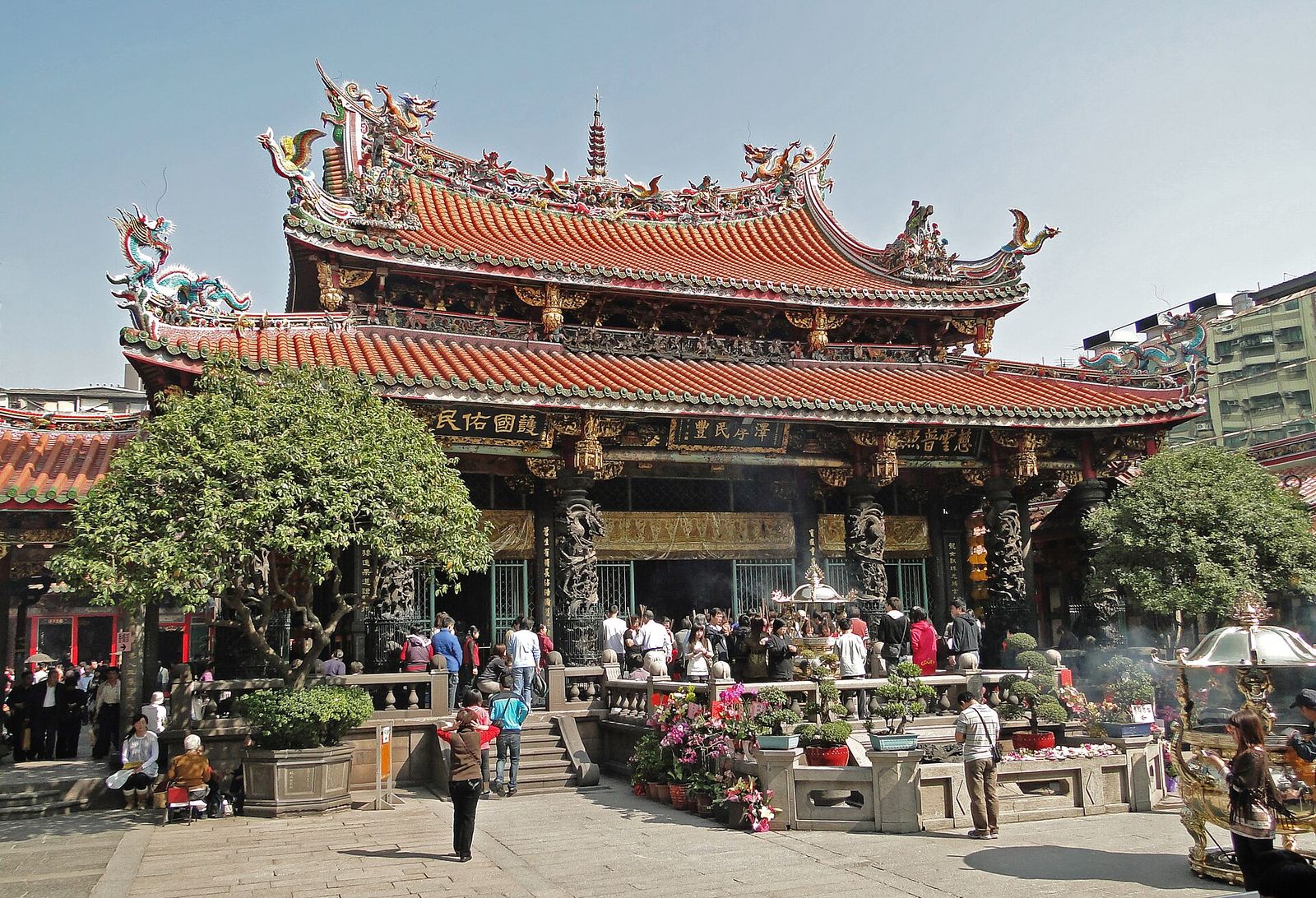
Afternoon. Take the MRT to Longshan Temple station in Wanhua, the oldest district of the city. Longshan Temple (Mengjia Longshan Temple) was founded in 1738 by settlers from Fujian and is dedicated mainly to Guanyin, the bodhisattva of compassion, alongside many folk and Taoist deities. It's an active place of worship: walk quietly, don't step on the raised thresholds of the halls, and avoid getting in the way of people praying with incense or divination blocks. Then walk to the Bopiliao Historic Block, a preserved street of brick shopfronts from the Qing and Japanese periods.
Evening. Walk or take one stop to Ximending, a pedestrian district of youth fashion, street performers, snack stalls and cinemas. The octagonal Red House, a market hall from 1908, now holds craft shops and, around it, bars and cafés. If you'd like a classic night market instead, Ningxia Night Market near Zhongshan is compact and known for traditional Taiwanese food: oyster omelettes, braised pork rice and taro balls.
Day 2: The National Palace Museum and Beitou
Morning. Head to the National Palace Museum in Shilin, one of the great collections of Chinese art in the world. Much of it came from the imperial collection in Beijing and was moved to Taiwan in 1948–49. Bronzes, jade, ceramics, calligraphy and paintings are shown in rotation, so the famous pieces, such as the Jadeite Cabbage, aren't always on display. Two to three hours is enough for a first look. Bus links run from Shilin MRT station.
Afternoon. Ride the red MRT line north to Beitou, then take the short branch line to Xinbeitou, the hot-spring district in the hills. Walk up through Beitou Park to the Beitou Hot Spring Museum, a former public bathhouse from the Japanese era, and on to Thermal Valley, a steaming, sulphurous pool of spring water (look, don't touch). The wooden Beitou Public Library, built as an eco-friendly building, is also on the way.
To bathe, choose between the open-air public pool (swimsuits required) and the private or shared baths at hot-spring hotels, which often sell day passes. People with heart conditions, high blood pressure or who are pregnant should check with a doctor first.
Evening. Come back down the red line to Jiantan station for Shilin Night Market, the city's largest and busiest, with a basement food court and streets of snack stalls: fried chicken, oyster omelettes and grilled squid.
Option: Jiufen instead of Beitou
Jiufen is a former gold-mining town that climbs a steep hillside above the northeast coast, about an hour or more from Taipei by bus, or by train to Ruifang followed by a short bus or taxi ride. Its narrow Old Street is lined with snack shops, and its teahouses look out over the sea. The town is at its most atmospheric late in the afternoon and at dusk, when the red lanterns are lit, so it fits this day in place of Beitou and Shilin.
- Allow: a half-day plus the travel, so leave Taipei by early afternoon.
- Nearby: the Gold Museum in Jinguashi, a short ride further, shows the area's mining history.
- Consider: weekends and holidays are very crowded, the steps are steep, and the coast is often misty or wet.
Day 3: Dadaocheng, Taipei 101 and Raohe Night Market
Morning. Start in Dadaocheng, the old river-port district, on Dihua Street, lined with restored shophouses selling dried goods, tea, herbs and fabrics. The small Xiahai City God Temple on the same street is busy with worshippers, and the restored buildings now house cafés and design shops.
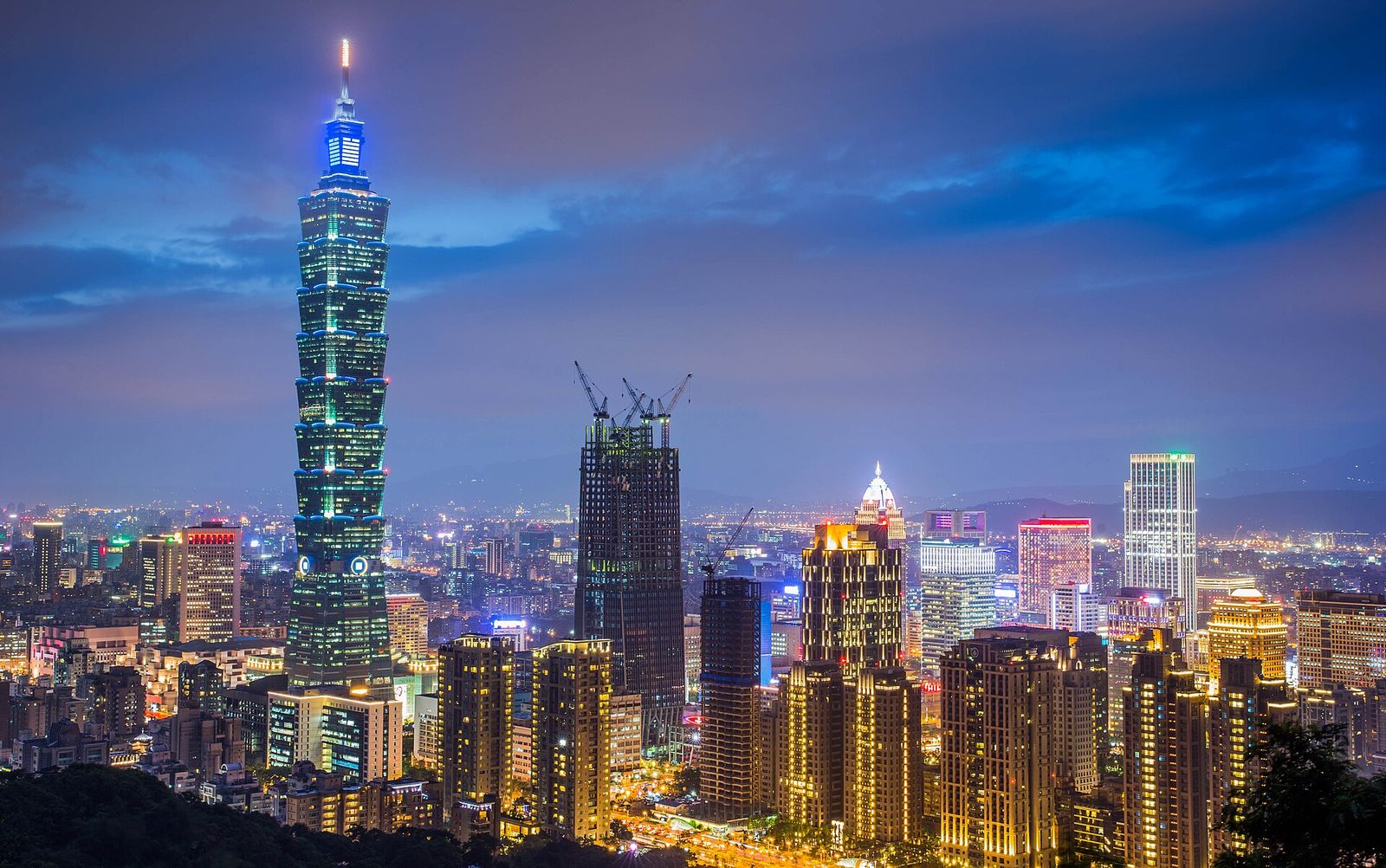
Afternoon. Take the MRT east to Taipei 101, which at 508 metres was the tallest building in the world from 2004 to 2010. The observatory near the top gives a full view of the city and the mountains, and a giant steel ball, the tuned mass damper that steadies the tower in wind and earthquakes, hangs in plain sight. Nearby, the Sun Yat-sen Memorial Hall and the Songshan Cultural and Creative Park, a former tobacco factory, make good stops between the towers.
Before sunset, walk to the Elephant Mountain (Xiangshan) trail beside Xiangshan MRT station. The climb up stone steps takes roughly 20–30 minutes and is steep, but the view of Taipei 101 at dusk is the best known in the city.
Evening. Take the MRT to Songshan station for Raohe Street Night Market, a single long lane of stalls beside the colourful Ciyou Temple. The pepper buns baked in clay ovens at the entrance usually have a queue, and it moves quickly.
What to book ahead
- National Palace Museum: tickets can be bought online, and special exhibitions may need a timed entry.
- Taipei 101 observatory: timed tickets help at sunset and on weekends.
- Hot-spring hotels: private baths and day passes can be booked in advance at many places.
- Jiufen: no booking is needed, but go on a weekday if you can.
- Accommodation: book early around Lunar New Year, when the city slows down, and for the New Year's Eve fireworks at Taipei 101.
Many museums close on Mondays, so check the official sites before you plan each day.
Adapting the plan
- Rain or typhoon season: rain is common, and typhoons are possible, mostly from summer into early autumn. Swap outdoor parts for the museums, the Taipei 101 mall and the underground shopping streets around Taipei Main Station, and check official weather warnings.
- With children: the MRT, the Maokong Gondola up to the tea hills, Taipei Zoo at its base, and the night markets usually work well.
- Slower pace: drop Dadaocheng or the Chiang Kai-shek Memorial Hall, and spend longer in Beitou.
- A fourth day: combine Jiufen with the Pingxi line, where people release sky lanterns at Shifen, or take the MRT to the riverside town of Tamsui for the sunset.
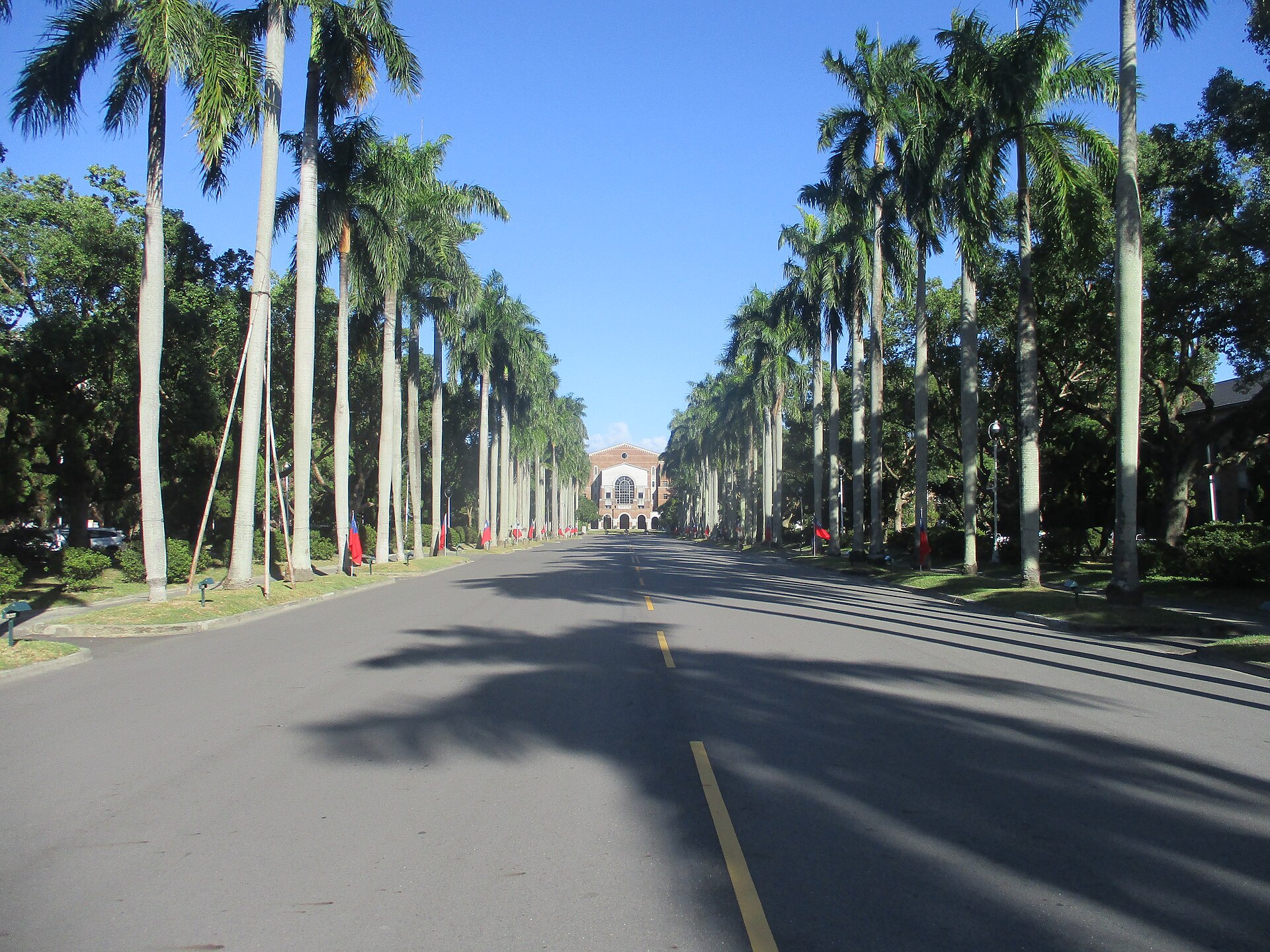
- Students and families: see our National Taiwan University campus guide; the campus is in Da'an, a short ride from the Memorial Hall.
Practical booking tips
- Where to stay: Zhongshan and the area around Taipei Main Station are the most convenient for this plan; Beitou makes a good extra night for the hot springs. Our guide to where to stay in Taipei compares the areas.
- Getting around: a rechargeable transit card (EasyCard) works on the MRT, buses and some trains, and in many convenience stores. Eating and drinking are not allowed in the MRT stations or on trains.
- Airport: Taoyuan International Airport is linked to Taipei Main Station by the Airport MRT; the express service takes roughly 35–40 minutes.
- Night markets: bring small cash, as many stalls don't take cards. Look for stalls with a steady local queue.
- Entry rules: visa-free entry and arrival requirements depend on your nationality and change from time to time, so check the current rules on official sites before you travel.
- Continuing on: for more cities in the region, see our Hong Kong in 3 days and Seoul in 3 days itineraries.
Bloiq is reader-supported. Some links may earn us a commission; it never affects what we write. How we make money.
Cover photo: Bernard Gagnon, CC BY-SA 3.0, via Wikimedia Commons