Home / Travel / Taiwan · Where to stay
Where to stay in Taipei: Zhongshan, Ximending, Da'an, Xinyi and more
Taipei is easy to get around, but each area feels different. Compare Zhongshan, Main Station, Ximending, Da'an, Xinyi and Beitou, and see who each one suits.
Taipei is one of the easiest big cities in Asia to visit: compact, well signposted in English and served by a clean, efficient metro. That makes the choice of base less about access and more about atmosphere. The older west side has temples, markets and historic shophouses, while the newer east has wide avenues, malls and Taipei 101. Pick an area near a metro station on a line you'll use often, and you can reach almost anything within half an hour. Here's how the main areas compare.
The quick answer
- First visit, food and easy connections: Zhongshan.
- Trains, the airport line and day trips: around Taipei Main Station.
- Young crowds, shopping and budget rooms: Ximending.
- Leafy streets, cafés and some of the city's best eating: Da'an and the East District.
- Taipei 101, malls and international hotels: Xinyi.
- Hot springs and a slower pace: Beitou.
| Area | Feel | Metro access | Best for |
|---|---|---|---|
| Zhongshan | Central, stylish | Red and Green lines | First visits, food |
| Main Station | Busy transport hub | Red and Blue lines, airport line, rail | Short stays, day trips |
| Ximending | Young, crowded | Blue and Green lines | Budget, nightlife |
| Da'an and East District | Residential, leafy | Several lines | Food, longer stays |
| Xinyi | Modern, upscale | Red and Blue lines | Business, shopping |
| Beitou | Quiet, hilly | Red line and Xinbeitou branch | Hot springs |
Zhongshan: central and well connected
Zhongshan stretches north from the main station along Zhongshan North Road, a tree-lined avenue of department stores, hotels and side streets full of small restaurants and cafés. The lanes around Chifeng Street have independent shops in old workshop buildings, and the Museum of Contemporary Art occupies a Japanese-era school building nearby. To the west, Dadaocheng and Dihua Street keep Taipei's best-preserved historic shophouses, with tea merchants, herbal medicine shops and fabric stores, and the riverside wharf is a favourite place to watch the sunset. Ningxia Night Market, one of the city's best for food, is a short walk away.
Good for: first-time visitors, couples and food lovers. Zhongshan station is on the Red line, which runs direct to Taipei 101, Shilin, Beitou and Tamsui. Consider: the main roads are busy, and many hotels are in older buildings, so check recent descriptions of the rooms.
Around Taipei Main Station: the transport hub
Taipei Main Station brings together the metro, the high-speed rail line down the west coast, conventional trains, long-distance buses and the airport metro line. Underground shopping streets run for long distances around it. Nearby are 228 Peace Memorial Park and the National Taiwan Museum, and the Chiang Kai-shek Memorial Hall, with the National Theater and Concert Hall on its vast square, is a short metro ride south.
Good for: short stays, early flights and anyone planning day trips by train to Jiufen, the Pingxi line or the east coast. Consider: the area is commercial and busy rather than charming, and the station's underground passages are easy to get lost in. Look for a hotel close to the exit you'll actually use.
Ximending: young, loud and good value
Ximending is a pedestrian district of fashion shops, street food, cinemas, tattoo parlours and street performers, at its busiest on weekend evenings. The octagonal Red House, a market hall built in 1908, is now a venue for craft shops and events. Longshan Temple, one of the city's most important temples, is one stop away on the Blue line, and the restored lanes of Bopiliao show what this old riverside district looked like a century ago.
Good for: younger travellers, shoppers and anyone watching their budget. Consider: it's crowded and noisy, rooms tend to be small, and the older streets of Wanhua beyond have a more workaday feel.
Da'an and the East District: food and green space
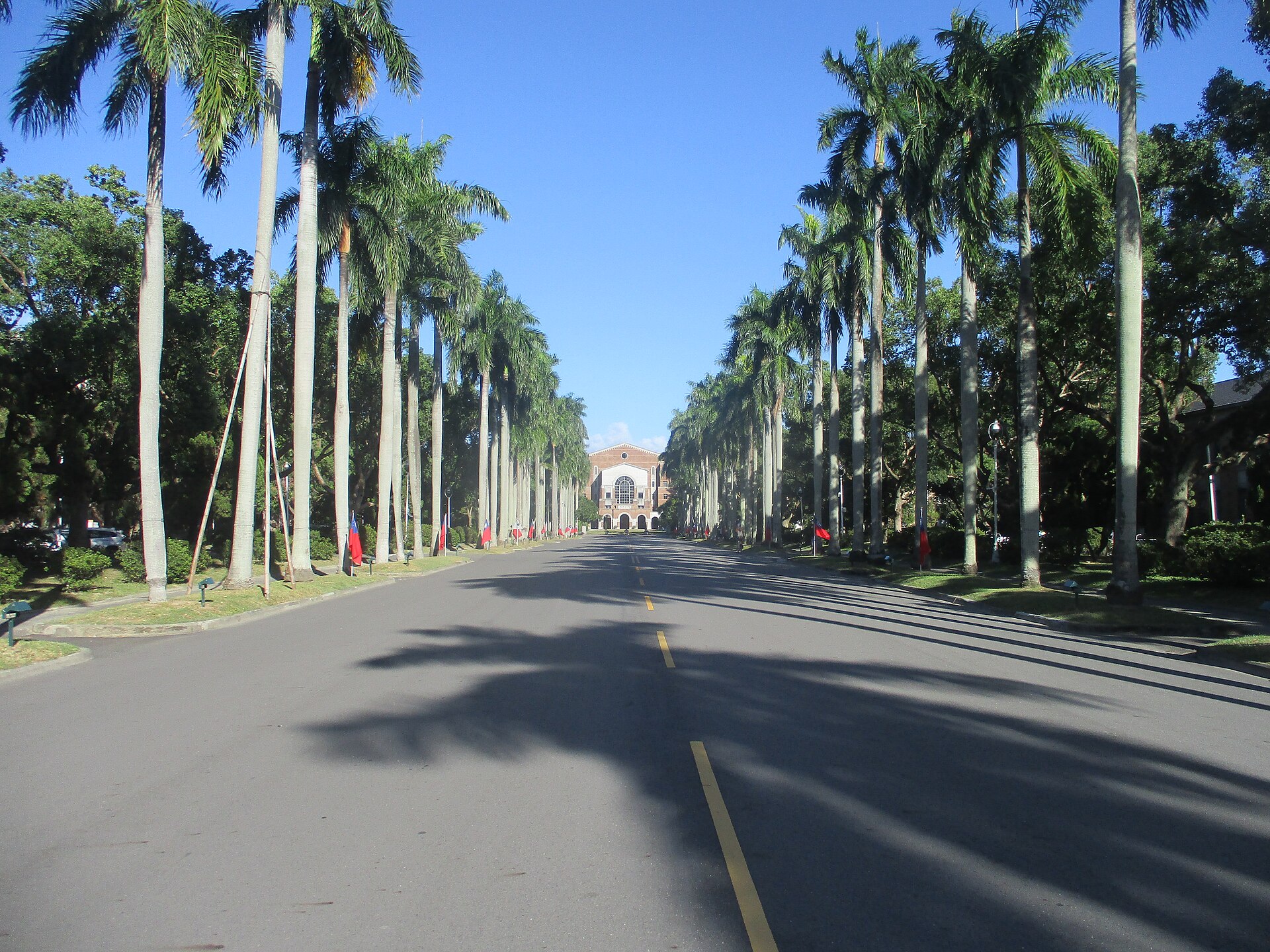
Da'an is a prosperous residential district with tree-lined lanes, independent cafés and some of Taipei's best eating. Yongkang Street, near Dongmen station, is famous for its restaurants, and Da'an Forest Park is a large green space in the middle of the district. Farther south, the Shida and Gongguan areas have night markets and a student feel around National Taiwan Normal University and National Taiwan University, whose campus is covered in our National Taiwan University campus tour. To the north-east, the East District around Zhongxiao Road has department stores, boutiques and bars.
Good for: food lovers, repeat visitors and longer stays. Consider: there are fewer large hotels here, so many options are smaller hotels and serviced apartments, and the historic sights of the west side are a metro ride away.
Xinyi: Taipei 101 and the modern city
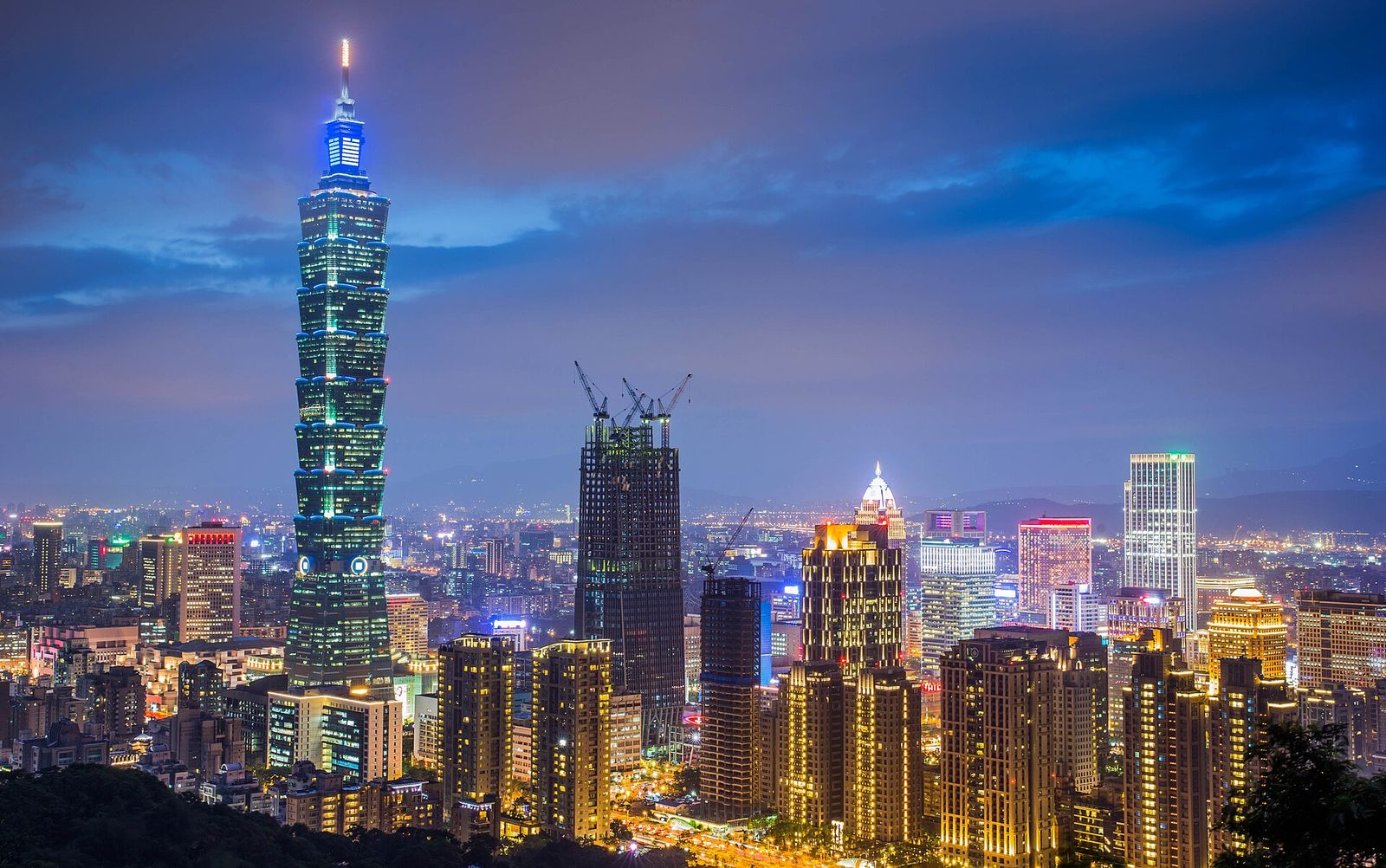
Xinyi is Taipei's newest district, built around Taipei 101, which was the world's tallest building from 2004 to 2010 and has an observatory near the top. Around it are malls, the city hall, international hotels and wide pedestrian walkways. Elephant Mountain, at the district's eastern edge, is reached by a short but steep stairway trail with the classic view of the skyline. Songshan Cultural and Creative Park, in a former tobacco factory, hosts exhibitions and design shops, and Raohe Street Night Market is a short ride north.
Good for: business travellers, shoppers and anyone who wants modern, spacious hotels. Consider: it's the most expensive area and has less historic character, and the older west side is 20–30 minutes away by metro. On New Year's Eve, the fireworks at Taipei 101 fill the district and its hotels.
Beitou: hot springs in the hills
Beitou, in the hills of the city's north on the Red line and its short Xinbeitou branch, has been a hot spring resort for more than a century. The Beitou Hot Spring Museum occupies a former public bathhouse, the steaming Thermal Valley lies a short walk up the valley, and many hotels have private hot spring baths. Yangmingshan National Park rises behind it, and on the way into the city the line passes Shilin, with its large night market and buses to the National Palace Museum.
Good for: couples, a relaxing end to a trip and walkers. Consider: the centre is 30–40 minutes away and evenings are quiet. Bathing rules differ between public baths, so check what's expected, such as swimwear, before you go.
Getting around
- From the airport: Taoyuan International Airport is about 40 km west of the city. The airport metro line runs to Taipei Main Station, with express trains taking roughly 35–40 minutes. Buses serve many districts, and taxis are available. Songshan Airport, inside the city on the Brown line, handles domestic and some regional flights.
- Metro: lines are colour-coded and numbered, with signs and announcements in English. Eating and drinking, including water and chewing gum, aren't allowed in the paid areas of stations or on trains, and the rule is enforced with fines.
- Transport cards: a stored-value card such as EasyCard works on the metro, buses, the YouBike bike-share scheme and in convenience stores. Top it up at stations and shops.
- Taxis: plentiful and metered. Many drivers speak little English, so have your destination written in Chinese.
Practical tips before you book
- Stay near the Red or Blue line. Between them they link the main station, Zhongshan, Ximending, Da'an and Xinyi, and the Red line continues to Shilin, Beitou and Tamsui.
- Check for a window. Some budget rooms in Taipei have none, and rooms in central hotels are often compact.
- Plan for the weather. Summers are hot and humid, the typhoon season runs roughly from summer into early autumn, and winters are mild but damp, in buildings that often lack heating. Spring and autumn are the most comfortable.
- Watch the holidays. Around Lunar New Year, many small restaurants close for several days and trains fill up, and New Year's Eve fills Xinyi.
- Pack the right adapter. Taiwan uses 110-volt power and the same flat-pin plugs as North America.
- Check the current entry rules before you fly, including any arrival forms you need to complete.
Choose Zhongshan for your first visit, Da'an for food and local life, Xinyi for comfort and views, and Beitou for a night or two of hot springs. For more East Asian cities, see our guides to where to stay in Tokyo and where to stay in Seoul.
Bloiq is reader-supported. Some links may earn us a commission; it never affects what we write. How we make money.
Cover photo: ynes95, CC BY-SA 2.0, via Wikimedia Commons