Home / Travel / Hong Kong · Itineraries
Hong Kong in 3 days: the Peak, Kowloon's markets and the Big Buddha
A three-day Hong Kong plan grouped by area: Central, Sheung Wan and Victoria Peak, then Kowloon's temples and markets, then Lantau's Big Buddha and Tai O.
Hong Kong packs skyscrapers, temples, street markets and green mountains into a remarkably small space, and its transport makes it easy to see a lot in three days. The trick is to group each day by area: Hong Kong Island and the Peak, then the markets and temples of Kowloon, then a day out on Lantau Island for the Big Buddha. Evenings belong to the harbour, which is at its best after dark.
This plan suits first-time visitors at a moderate pace. Expect plenty of stairs and hills, and heat and humidity for much of the year. For choosing a base, see our guide to where to stay in Hong Kong; Tsim Sha Tsui, Central and Sheung Wan all work well for this itinerary.
Day 1: Central, Sheung Wan and Victoria Peak
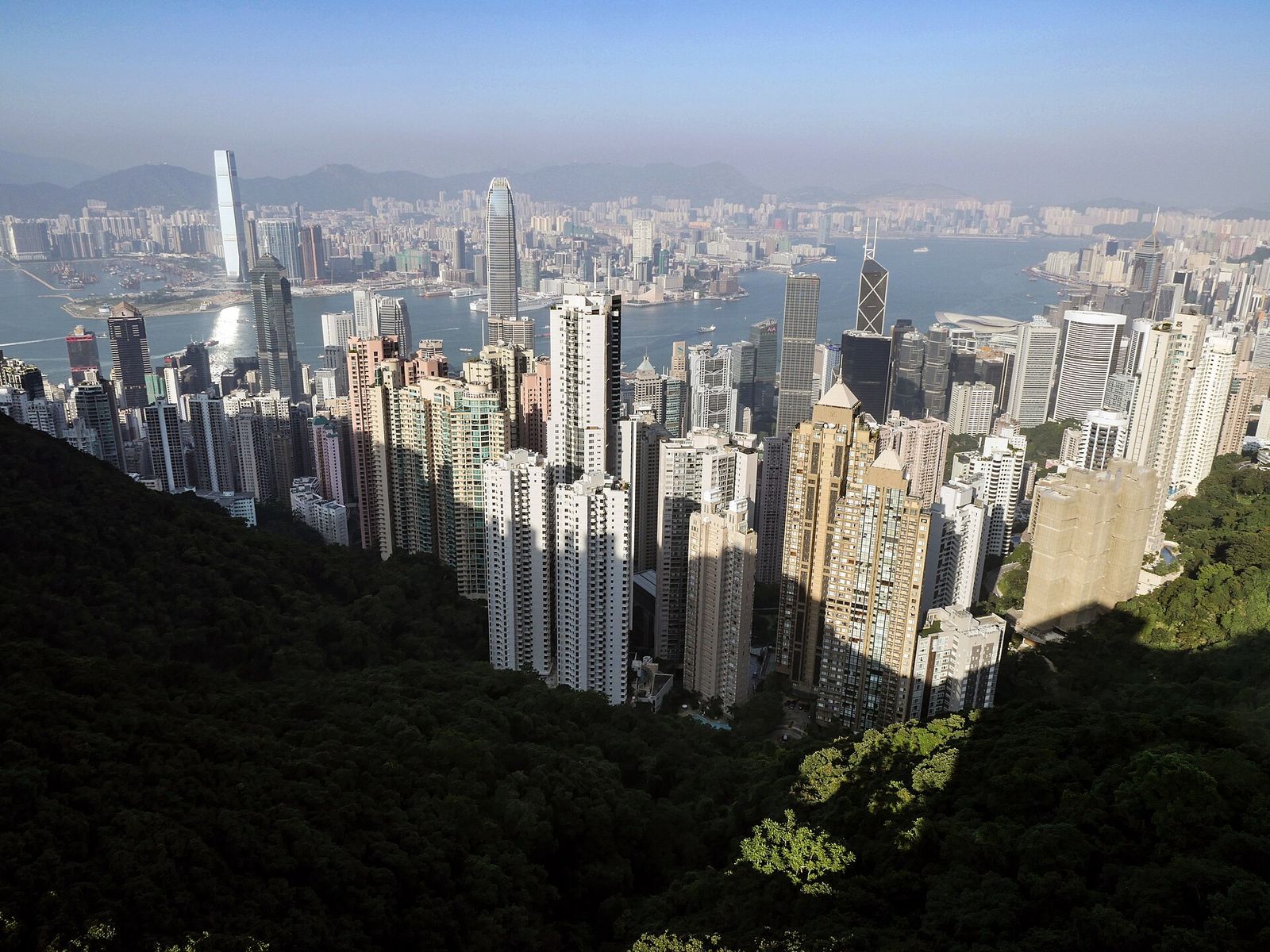
Morning: the Peak. Go early, before the queues build and while the air is often clearest. The Peak Tram, a funicular that has climbed the hillside since 1888, leaves from Garden Road in Central and rises steeply through the towers. At the top, skip the shopping centres and walk the Lugard Road and Harlech Road circuit, a mostly flat loop of about 3.5 km around the summit that takes about an hour, with the best free views over Victoria Harbour and Kowloon. Return by tram, by bus, or on foot down the steep Old Peak Road if your knees allow.
Afternoon: Central and Sheung Wan. Ride the Central–Mid-Levels Escalator, a long chain of covered outdoor escalators and walkways that climbs through SoHo (it runs downhill in the morning rush and uphill for the rest of the day). Step off to explore Tai Kwun, the restored Central Police Station compound, now a heritage and arts centre with galleries and courtyards, and PMQ, former police quarters turned design studios. Then walk west along Hollywood Road, lined with antique and art shops, to Man Mo Temple, built in the 1840s and dedicated to the gods of literature and war, its interior hazy with hanging incense coils. Below it, the streets of Sheung Wan sell dried seafood and traditional medicines.
Evening. Take a double-deck tram east along the north shore of the island; a seat at the front of the top deck is a fine place to watch the city light up. Then have dinner in Central, Wan Chai or Causeway Bay.
Day 2: Kowloon's temples and markets
Morning: temples and gardens. Take the MTR to Wong Tai Sin Temple, one of the city's busiest Taoist temples, where worshippers shake bamboo cylinders of fortune sticks (kau cim). One stop away at Diamond Hill, the Chi Lin Nunnery, a Buddhist complex rebuilt in the 1990s in Tang dynasty style using traditional timber joinery, faces the Nan Lian Garden, a calm classical Chinese garden with ponds, rocks and a golden pavilion. Both are active places of worship: dress modestly, keep your voice down, and don't photograph people praying.
Midday: Mong Kok's street markets. Head to Prince Edward for the Flower Market streets, the Yuen Po Street Bird Garden, where older residents bring songbirds in ornate cages, and the goldfish shops of Tung Choi Street. Walk south to the Ladies' Market, a long run of stalls selling clothes, souvenirs and accessories.
Afternoon: Yau Ma Tei. Visit the Tin Hau Temple complex, dedicated to the goddess of the sea, and the nearby Jade Market, which trades by day. If you'd rather see a museum, M+, the museum of visual culture, and the Hong Kong Palace Museum sit a short trip away in the waterfront West Kowloon Cultural District.
Evening. Eat at the Temple Street Night Market, where stalls and open-air restaurants fill the street as darkness falls, then walk or ride the MTR down to the Tsim Sha Tsui waterfront. The promenade by the old railway clock tower and the Avenue of Stars faces the island skyline; a light show, A Symphony of Lights, is held most evenings (check the current time). Cross back on the Star Ferry, running since the late 19th century, for the classic view from the water.
Day 3: Lantau's Big Buddha and Tai O
Morning: Ngong Ping. Take the MTR to Tung Chung, then the Ngong Ping 360 cable car, a ride of roughly 25 minutes over hills and sea with views back towards the airport. Some cabins have glass floors. In high winds or during maintenance periods the cable car doesn't run; the alternative is the bus from Tung Chung up a winding mountain road.
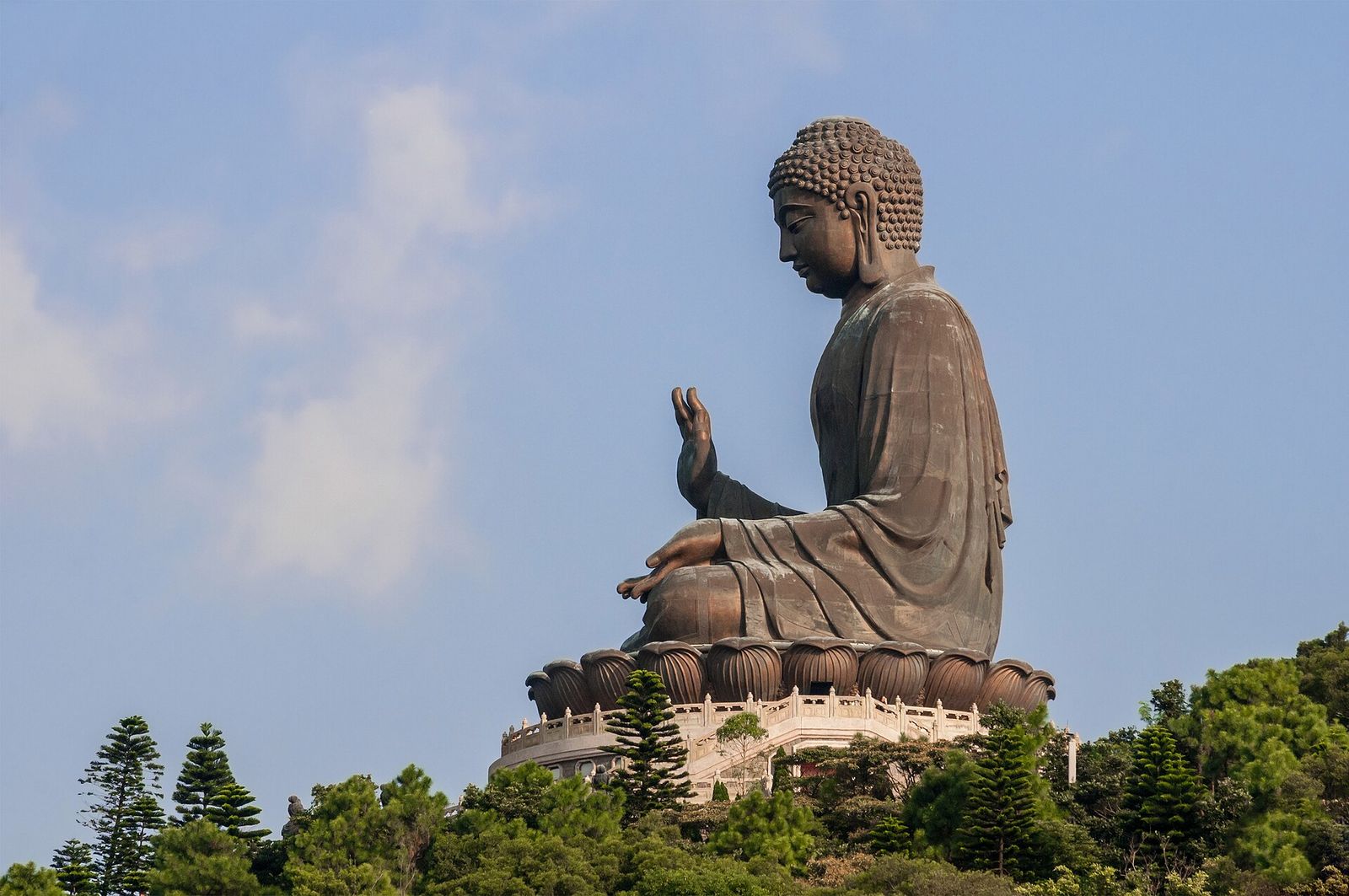
At the top, walk through Ngong Ping Village and climb the 268 steps to the Tian Tan Buddha, the Big Buddha, a seated bronze figure about 34 metres tall with its lotus base, completed in 1993. Below it, Po Lin Monastery, founded in the early 20th century, has colourful halls and a well-known vegetarian restaurant. A short walk away, the Wisdom Path sets wooden columns inscribed with the Heart Sutra in a figure-of-eight on the hillside.
Afternoon: Tai O. Take the local bus down to Tai O, a fishing village on Lantau's west coast where houses stand on stilts over the tidal creeks. Wander the lanes of dried seafood and shrimp paste stalls. Short boat trips go out to look for Chinese white dolphins, but sightings are never guaranteed, and some operators keep a more respectful distance than others. People live here, so be considerate with your camera.
Evening. Return by bus to Tung Chung for the MTR, or take a bus across the island to Mui Wo and the ferry back to Central. If the Peak was hazy on day 1, go back up for the night view, one of the great city panoramas.
What to book ahead
- Peak Tram: queues can be long at weekends, on holidays and around sunset. Buying tickets in advance reduces the wait; check the official site for current arrangements.
- Ngong Ping 360: book ahead for weekends and holidays, and check the maintenance closure dates before you set your Lantau day.
- Museums: the Hong Kong Palace Museum and M+ may use timed tickets for some exhibitions.
- Dim sum and well-known restaurants: many popular places don't take reservations; arrive early or go mid-afternoon. Classic afternoon tea at a grand hotel such as The Peninsula is a Hong Kong ritual; check how its booking works.
Rule of thumb: put the Peak and the Big Buddha on your clearest days. Both are about the view, and haze or low cloud can hide it completely.
Adapting the plan
- Rain or extreme heat: Tai Kwun, M+, the Palace Museum and the Hong Kong Museum of Art are all good indoor options, and covered walkways link much of Central and Admiralty.
- Typhoons and rainstorms: when the Hong Kong Observatory raises higher warning signals, ferries, cable cars and attractions can close. Keep the Lantau day flexible and swap it if needed.
- With children: the Peak Tram, trams and Star Ferry are usually hits. Hong Kong also has two big theme parks: Ocean Park on the south side of the island and the Disney theme-park resort on Lantau.
- Slower pace: split Kowloon over two days, adding the museums of West Kowloon.
- More time or more green: walk the Dragon's Back ridge trail on the island's south-east, take a ferry to Lamma or Cheung Chau islands, or explore the coast around Sai Kung. Macau is a ferry or bus ride away, but it has its own entry rules; check the current requirements before you go.
Practical booking tips
- Getting around: an Octopus card works on the MTR, buses, trams, ferries and in many shops. Many MTR gates also take contactless bank cards, but check before relying on one. Taxis are plentiful; red ones serve the urban areas.
- From the airport: the Airport Express reaches Kowloon Station and Hong Kong Station in under half an hour.
- When to go: autumn and early winter (roughly October to December) are usually the most comfortable. Summer is hot, humid and wet, and typhoons are possible from about May to November.
- Busy periods: Chinese New Year and mainland Chinese holiday weeks (around early May and early October) bring crowds and higher room rates.
- Plugs: sockets are the UK-style three-pin type.
- Entry rules: Hong Kong has its own immigration rules, separate from mainland China's. Check the current requirements for your passport before you travel, and again if you plan to visit Shenzhen or Macau.
- Base: stay near an MTR station on the Island or Tsuen Wan lines to make every day of this plan easy. Our where to stay in Hong Kong guide compares the districts.
Bloiq is reader-supported. Some links may earn us a commission; it never affects what we write. How we make money.
Cover photo: Béria Lima de Rodríguez, CC BY-SA 3.0, via Wikimedia Commons