Home / Travel / Hong Kong · Where to stay
Where to stay in Hong Kong: Central, Tsim Sha Tsui, Causeway Bay and more
Hong Kong packs very different districts into a small space. Compare Tsim Sha Tsui, Central, Sheung Wan, Wan Chai, Causeway Bay, Mong Kok and Lantau for your stay.
This guide contains affiliate links, marked as such. If you book through them, Bloiq may earn a commission at no extra cost to you.
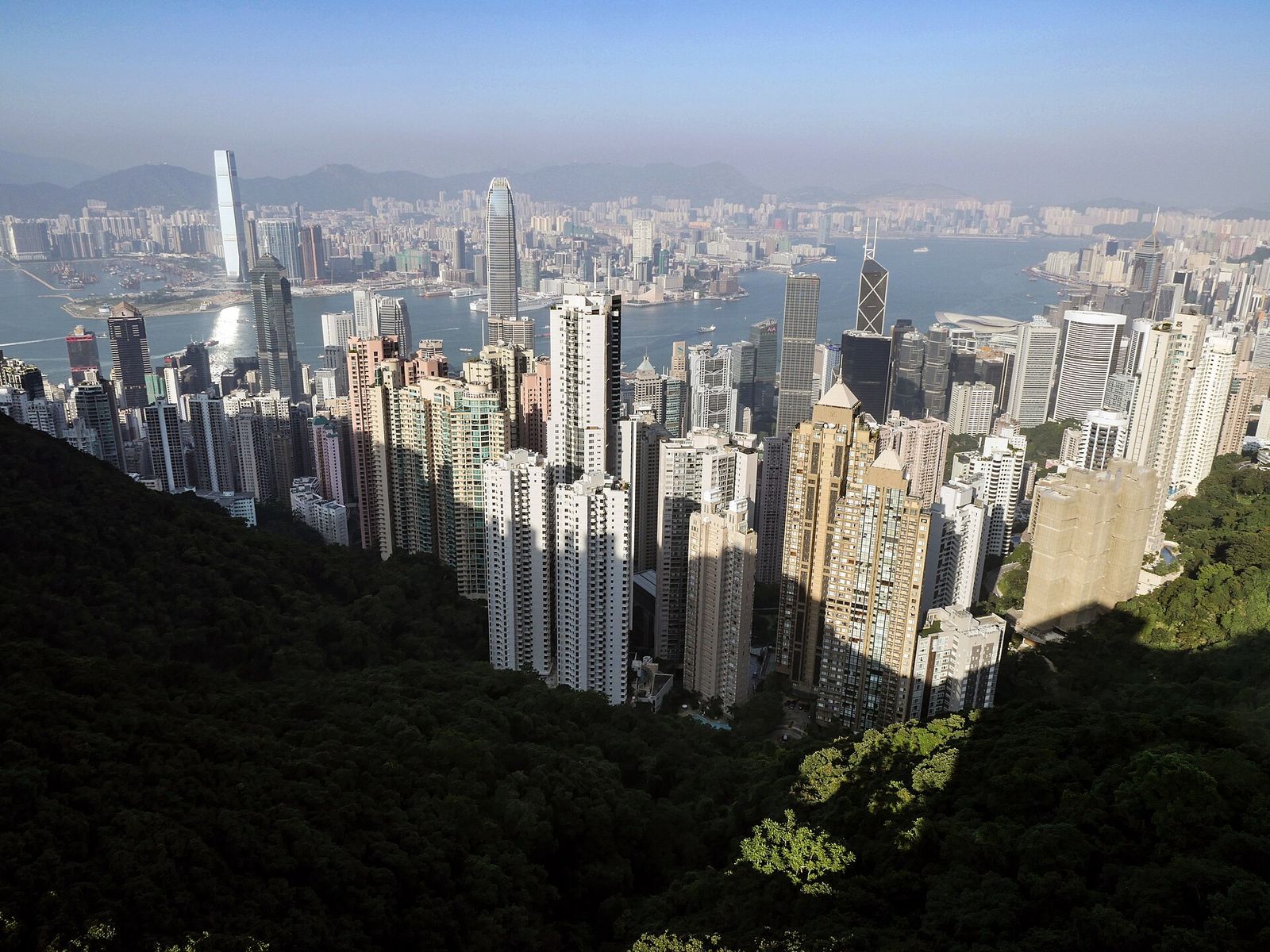
Hong Kong is compact, vertical and superbly connected, so most visitors stay within a few MTR stops of Victoria Harbour. The choice is really between the two sides of the water: Hong Kong Island, with its banks, hillside streets and trams, and Kowloon, with its harbour views, markets and neon. Rooms are famously small and the busiest districts are intensely crowded, so matching the area to your trip makes a real difference. Here's how the main neighbourhoods compare.
The quick answer
- Harbour views and a first visit: Tsim Sha Tsui.
- Restaurants, bars and the Peak on your doorstep: Central.
- Heritage streets, galleries and cafés: Sheung Wan and Sai Ying Pun.
- Mid-range hotels and good connections: Wan Chai and Admiralty.
- Shopping and round-the-clock buzz: Causeway Bay.
- Street markets and better value: Yau Ma Tei, Jordan and Mong Kok.
- Early flights, families and nature: Lantau.
Tsim Sha Tsui: the classic harbour view
At the southern tip of the Kowloon peninsula, Tsim Sha Tsui (TST) looks straight across the water at the Hong Kong Island skyline. The waterfront promenade runs past the old railway clock tower, the Hong Kong Cultural Centre and the Museum of Art, and the Star Ferry, running since the late 19th century, crosses to the island. Nathan Road heads north with shops, restaurants and hotels of every level, including grand historic hotels such as The Peninsula.
Just to the west, the newer West Kowloon district has the M+ museum of visual culture, the Hong Kong Palace Museum, a waterfront park, and Kowloon Station on the Airport Express line.
Good for: first-time visitors, harbour-view rooms, museums and easy transport. Consider: Nathan Road and the area around the ferry pier are very crowded, and a harbour view usually comes at a premium. Check exactly which way a room faces.
Central: the heart of the island
Central is Hong Kong's financial district, where skyscrapers rise behind the ferry piers and older streets climb the hill. The Peak Tram leaves from nearby for Victoria Peak, and the long chain of covered outdoor escalators up to the Mid-Levels passes through SoHo's restaurants. Lan Kwai Fong is the best-known nightlife quarter, and Tai Kwun, the restored former Central Police Station compound, is now a heritage and arts centre.
Good for: couples, business travellers, food lovers and nightlife. Hong Kong Station has the Airport Express. Consider: it's among the most expensive places to stay, the streets are steep, and Lan Kwai Fong is loud late at night.
Sheung Wan and Sai Ying Pun: old Hong Kong, new cafés
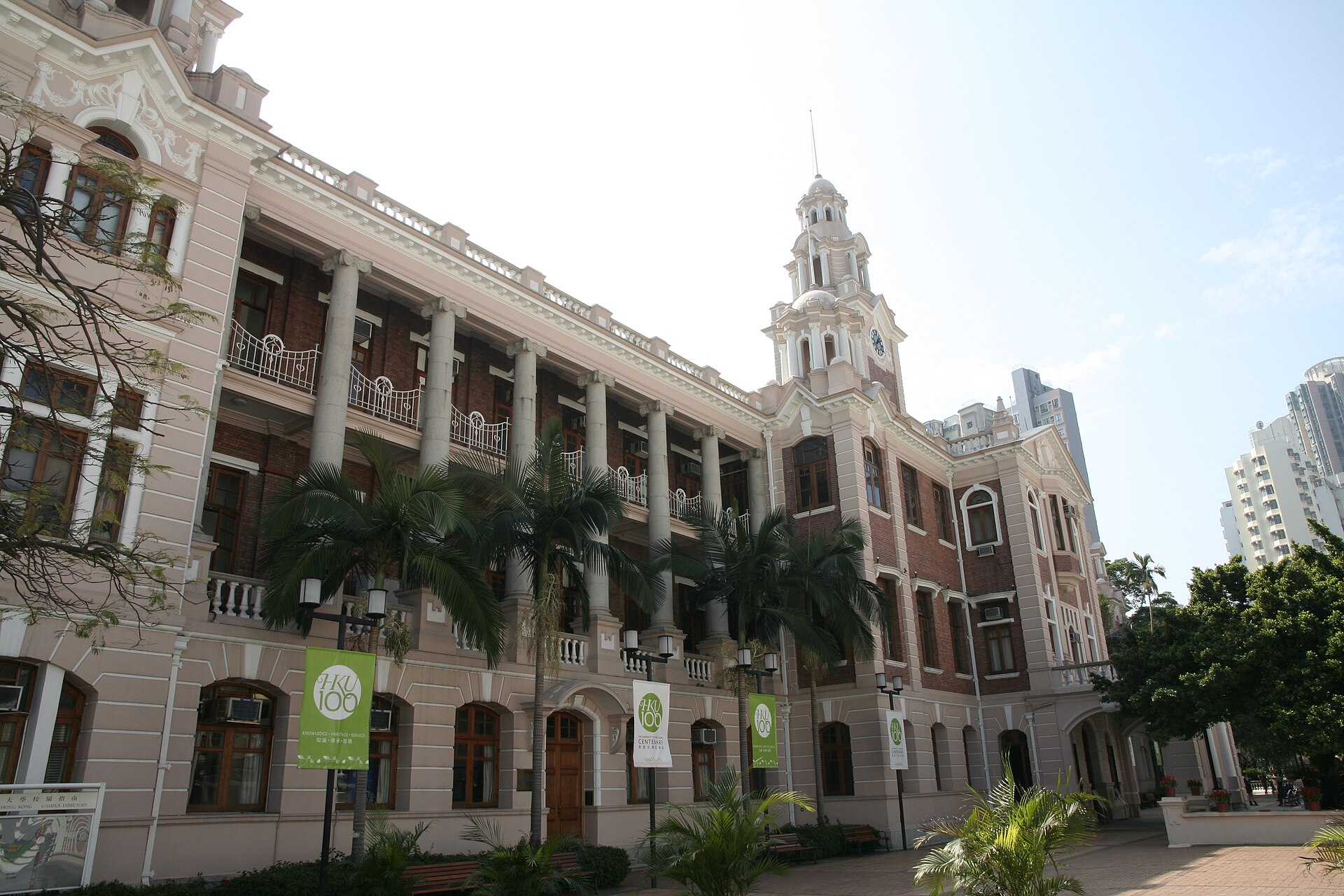
West of Central, Sheung Wan mixes old trades with galleries and cafés. Hollywood Road is lined with antique shops and leads to Man Mo Temple, dedicated to the gods of literature and war. Lower down, shops sell dried seafood and traditional medicine. Further west, Sai Ying Pun and Kennedy Town have a more residential, relaxed feel and a harbourside promenade, with MTR stations throughout. Ferries to Macau leave from Sheung Wan, and the University of Hong Kong is on the hillside above.
Good for: independent travellers, couples and longer stays. Consider: hotels are mostly smaller boutique and serviced-apartment buildings, the hills are steep, and evenings are quieter than in Central.
Wan Chai and Admiralty: central and practical
Admiralty, between Central and Wan Chai, has large hotels above shopping centres and the green space of Hong Kong Park. Wan Chai mixes office towers and the convention centre on the waterfront with older street markets, tiny restaurants and a strip of bars around Lockhart Road. Trams run through the middle, and the MTR's Island Line links both to Central in a few minutes.
Good for: good-value mid-range hotels, business trips, convention visitors and anyone who wants Central within a short ride. Consider: some streets are plain and commercial, the bar strip is noisy at night, and rates jump during big trade fairs.
Causeway Bay: shopping without pause
Causeway Bay is the island's busiest shopping district, a grid of department stores, malls and side streets that stay lively until late. Victoria Park offers some space, and Happy Valley, with its racecourse surrounded by towers, is a short walk or tram ride away.
Good for: shoppers, younger travellers and those who like to be in the thick of things. Consider: pavements are packed, especially at weekends and holidays, and rooms tend to be small. It's farther from the airport line, so arrivals mean a change of train, an airport bus or a taxi.
Yau Ma Tei, Jordan and Mong Kok: markets and neon
North of TST along Nathan Road, these districts show Kowloon at its densest and most energetic. Temple Street Night Market and the Tin Hau Temple are in Yau Ma Tei, with the Jade Market close by. Mong Kok has the Ladies' Market, streets dedicated to goldfish, flowers and sports shoes, and a traditional bird garden.
Good for: budget-conscious travellers, food lovers and anyone who wants street life. All three have MTR stations. Consider: crowds and noise are intense, and some budget accommodation is in older multi-use buildings with very small rooms, so read the details before you book.
Lantau: near the airport and the theme park
Lantau, Hong Kong's largest island, holds the airport, the Disney theme-park resort and much of the city's countryside. From Tung Chung, a cable car rises to the Big Buddha and Po Lin Monastery, and buses run to the stilt-house fishing village of Tai O and to beaches on the south coast.
Good for: families with theme-park plans, early or late flights, and walkers. Consider: central Hong Kong is a 30–40 minute train ride away, and evenings are quiet.
Getting around
- From the airport: the Airport Express reaches Kowloon Station in about 20 minutes and Hong Kong Station in about 24. Some hotels run their own shuttles from these stations, so ask. Airport buses are slower but reach many districts directly, and taxis are plentiful.
- MTR: fast, frequent and easy to use. An Octopus stored-value card works on almost all public transport and in many shops; many MTR gates also accept contactless bank cards, but not every line, so check before you rely on one.
- Star Ferry and trams: the ferry is the most scenic harbour crossing, and the double-deck trams along the island's north shore have run for more than a century.
- Taxis: red taxis serve the urban areas, green ones the New Territories and blue ones Lantau. Tunnel tolls and luggage charges can be added to the fare.
- On foot: covered walkways link many buildings in Central and Admiralty, which helps in rain and heat. Expect hills on the island.
Practical tips before you book
- Check room sizes. Rooms in Hong Kong are often very compact; look at the floor area and bed type, not just photos.
- Pick your season. Autumn and early winter (roughly October to December) are usually the most comfortable. Summer is hot, humid and wet, and the typhoon season runs roughly from May to November; storm and rainstorm warnings can close attractions and disrupt transport, so follow the Hong Kong Observatory.
- Watch for busy periods, including Chinese New Year, mainland holiday weeks around early May and early October, and major trade fairs and events, when rates rise and rooms sell out.
- Bring the right adaptor. Sockets are the UK-style three-pin type.
- Check entry rules. Hong Kong has its own immigration rules, separate from mainland China's; if you plan to visit Shenzhen or Macau too, check the requirements for each before you go.
Choose Tsim Sha Tsui for the view, Central or Sheung Wan for character and dining, Wan Chai for value, and Lantau if the airport or the theme park shapes your trip. For the region beyond, our guide to where to stay in Singapore compares a very different harbour city.
Bloiq is reader-supported. Some links may earn us a commission; it never affects what we write. How we make money.
Cover photo: Nir Yaniv, CC BY-SA 4.0, via Wikimedia Commons