Home / Travel / Singapore · Where to stay
Where to stay in Singapore: Marina Bay, Chinatown, Orchard and more
Singapore is compact and easy to get around, but each district has a distinct feel. Compare Marina Bay, Orchard, Chinatown, the riverside, Kampong Glam and Sentosa.
This guide contains affiliate links, marked as such. If you book through them, Bloiq may earn a commission at no extra cost to you.
Singapore is small, safe and exceptionally well organised, and the MRT reaches almost everywhere a visitor wants to go. That means you can't really choose a bad location, but you can choose the wrong one for your trip: the city's districts range from gleaming waterfront towers to shophouse streets and a resort island. Hotels are expensive by regional standards and rooms are often compact, so it's worth matching the area to your plans. Here's how the main neighbourhoods compare.
The quick answer
- Skyline views and the big sights: Marina Bay.
- Shopping and family-friendly hotels: Orchard Road.
- Heritage streets and hawker food: Chinatown.
- Riverside dining and nightlife: Clarke Quay and the Singapore River.
- Boutique stays and independent shops: Bugis and Kampong Glam.
- Colour, culture and better value: Little India.
- Beaches, theme parks and a resort holiday: Sentosa.
Marina Bay: the postcard skyline
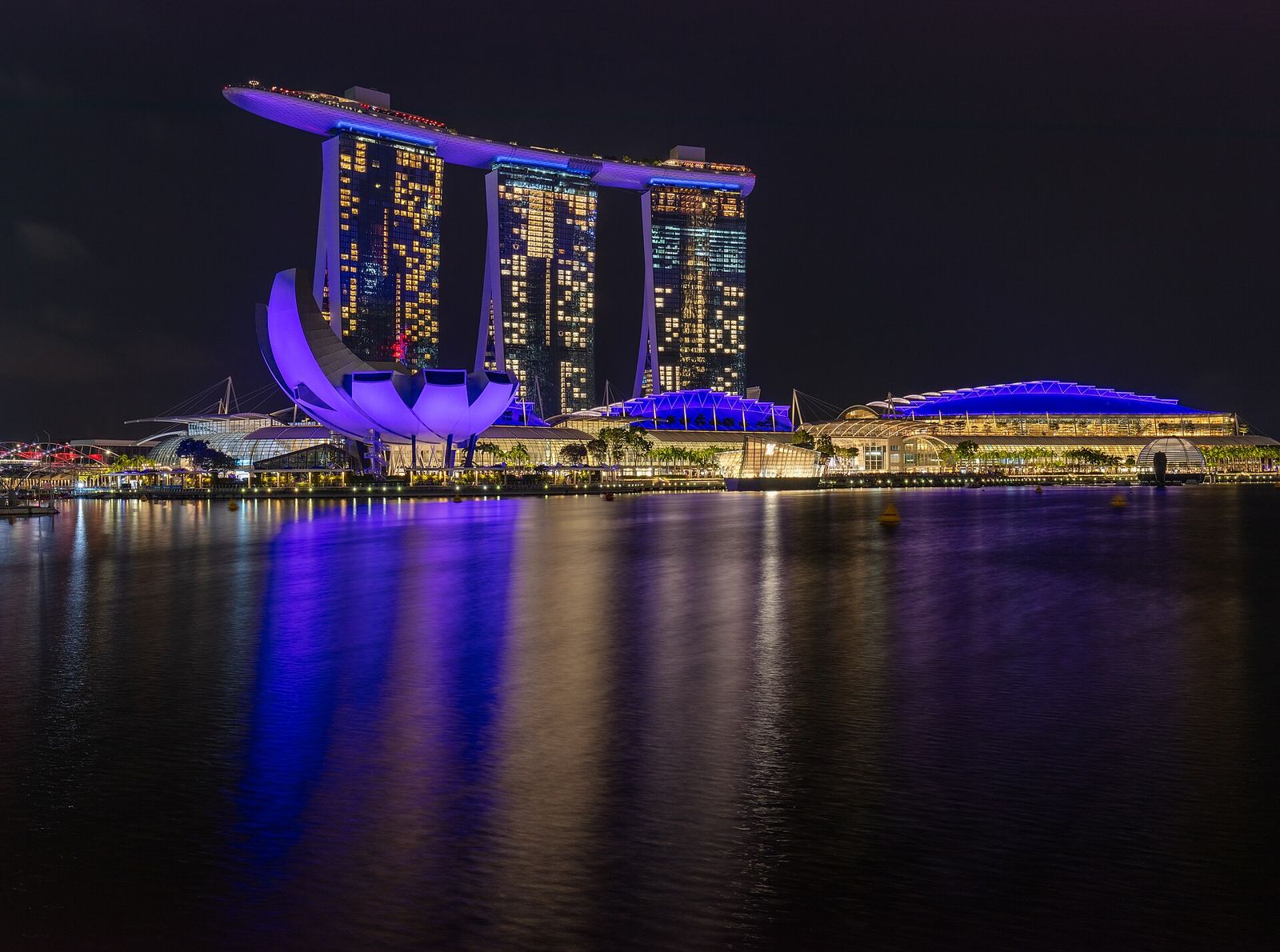
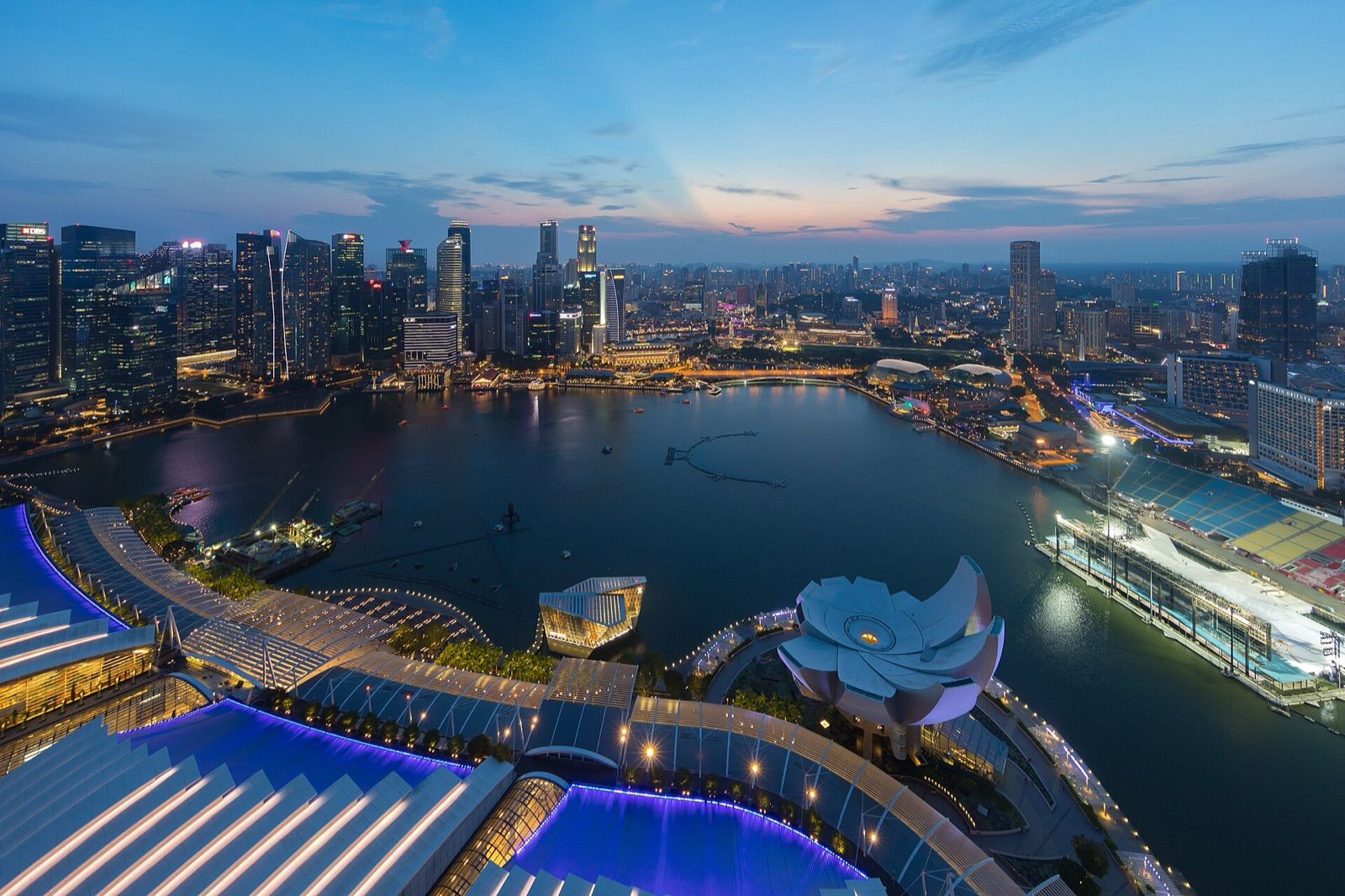
Built on reclaimed land around the bay, Marina Bay is modern Singapore at its most spectacular: Gardens by the Bay with its giant domed conservatories, the Esplanade arts centre, the Merlion and a waterfront promenade that loops around the bay. The financial district is just behind it.
Good for: first-time visitors, special occasions and anyone who wants to step out of the hotel onto the waterfront. Consider: it's the most expensive area to stay, and parts feel corporate, especially in the business district at weekends. Distances between the bay's attractions are longer than they look.
Orchard Road: shopping and space
Orchard Road is a long, tree-lined boulevard of shopping malls and department stores, many of them linked by underground passages. It has a large choice of international hotels, and the Singapore Botanic Gardens, a UNESCO World Heritage Site, are a short walk or bus ride from its western end. Several MRT stations serve the road.
Good for: families, shoppers and anyone who wants a large, comfortable hotel with easy transport. Consider: it's commercial rather than characterful, and it's a few stops from Chinatown, Marina Bay and the river. Evenings are quieter away from the malls.
Chinatown: shophouses and hawker centres
Chinatown's streets of restored shophouses hold temples, including Singapore's oldest Hindu temple and a large Buddhist temple, along with markets and some of the city's best-known hawker centres. The neighbouring Tanjong Pagar and Duxton Hill areas have boutique hotels in converted shophouses, and Keong Saik Road has good restaurants and bars.
Good for: food lovers, culture seekers, couples and travellers who want character with central convenience. Consider: the busiest streets are very crowded, particularly around Chinese New Year, and rooms in converted shophouses can be small and sometimes windowless. Check before you book.
Clarke Quay and the Singapore River: dining and nights out
The Singapore River runs through the heart of the city, and its banks are lined with restaurants and bars. Boat Quay is near the financial district, Clarke Quay is the liveliest nightlife stretch, and Robertson Quay, farther upstream, is quieter, with riverside cafés and serviced apartments. Fort Canning Park rises just behind, and river boats run down to Marina Bay.
Good for: couples, nightlife and anyone who likes a waterfront walk to dinner. Robertson Quay suits families and longer stays. Consider: Clarke Quay itself is loud late into the night, particularly at weekends, so look at the exact location if you want to sleep early.
Bugis and Kampong Glam: boutique and creative
Kampong Glam, the historic Malay and Muslim quarter, centres on the golden-domed Sultan Mosque, with Arab Street's textile shops and Haji Lane's small boutiques, cafés and bars close by. Neighbouring Bugis has markets, malls, the National Library and good MRT connections.
Good for: couples, younger travellers and those who want independent shops and a creative feel. There's a good spread of mid-range hotels. Consider: Haji Lane and nearby streets are busy in the evenings, and the lanes around the mosque can be crowded on Fridays and during Ramadan.
Little India: lively and good value
Little India, around Serangoon Road, is one of Singapore's most vivid districts, with Hindu temples, spice shops, flower-garland sellers and restaurants serving food from across South Asia. A large covered market and hawker centre is at its heart, and the streets are decorated for Deepavali.
Good for: travellers on a tighter budget, food lovers and anyone who wants a neighbourhood with strong character. It has several MRT stations. Consider: streets are busy and can be noisy, and hotels are often smaller and simpler than in Marina Bay or Orchard. Weekends and festivals are especially crowded.
Sentosa: the resort island
Sentosa, just off the south coast, is a resort island with beaches, a large theme park, an aquarium, golf courses and many resort-style hotels. It's connected to the mainland by a monorail, a cable car, a boardwalk and a road bridge from the HarbourFront area.
Good for: families with children, beach breaks and travellers who want a resort holiday with the city nearby. Consider: it's separate from the rest of Singapore, so trips into the city take longer and evenings out mean a taxi or a transfer back. It's also one of the more expensive places to stay.
Getting around
- From the airport: Changi Airport is at the eastern end of the island. The MRT connects it with the city (usually with a change of train), and taxis and ride-hailing are quick outside peak hours. The airport's glass-domed complex, with an indoor waterfall, is worth time if you arrive early for a flight.
- MRT: clean, frequent and air-conditioned, with lines that reach nearly every district in this guide. You can tap in and out with a contactless bank card or a stored-value transport card.
- Buses: extensive and reliable, and useful for the Botanic Gardens and places between MRT lines.
- Walking: covered walkways link many stations and buildings, but the heat and humidity make long walks tiring. Short trips are best done early or late in the day.
- River boats: a pleasant way to travel between the Singapore River quays and Marina Bay.
Practical tips before you book
- Check the total price. Hotel rates in Singapore are often quoted before service charge and tax, which are then added; make sure you're comparing final prices.
- Expect year-round heat and humidity, with sudden heavy showers and thunderstorms in any month. The wetter months are roughly November to January. A pool is worth having.
- Ask about windows and room size, especially in shophouse hotels and budget properties.
- Know the local rules. Eating and drinking are not allowed on the MRT, and littering and other offences carry fines. Check the rules on items such as chewing gum and e-cigarettes before you travel.
- Complete the arrival card online before you land, and check the current entry requirements on the official immigration site.
Choose Marina Bay for the views, Chinatown or Kampong Glam for character, Orchard for family comfort, and Sentosa if a resort holiday is the whole point.
Bloiq is reader-supported. Some links may earn us a commission; it never affects what we write. How we make money.
Cover photo: Basile Morin, CC BY-SA 4.0, via Wikimedia Commons