Home / Travel / South Korea · Itineraries
Seoul in 3 days: palaces, markets, Gangnam and a DMZ option
A three-day Seoul plan grouped by area: Joseon palaces and Bukchon, markets and Namsan, then Gangnam and the Han River, with a DMZ tour as an alternative day.
Seoul packs six centuries of history, a huge food culture and one of the world's most modern skylines into a city that's easy to get around but large enough to waste hours in transit. Three days is enough to see the essentials if you give each part of the city its own day: the royal palaces and old lanes north of the centre first, then markets, design and the view from Namsan, then the newer city south of the Han River.
The plan suits first-time visitors at a moderate pace. Expect a lot of walking, some hills and plenty of subway rides, which are quick, clean and well signed in English. If you'd rather spend a day at the border, the DMZ option below replaces Day 3 or makes a fourth day.
Day 1: Gyeongbokgung, Bukchon and Insadong
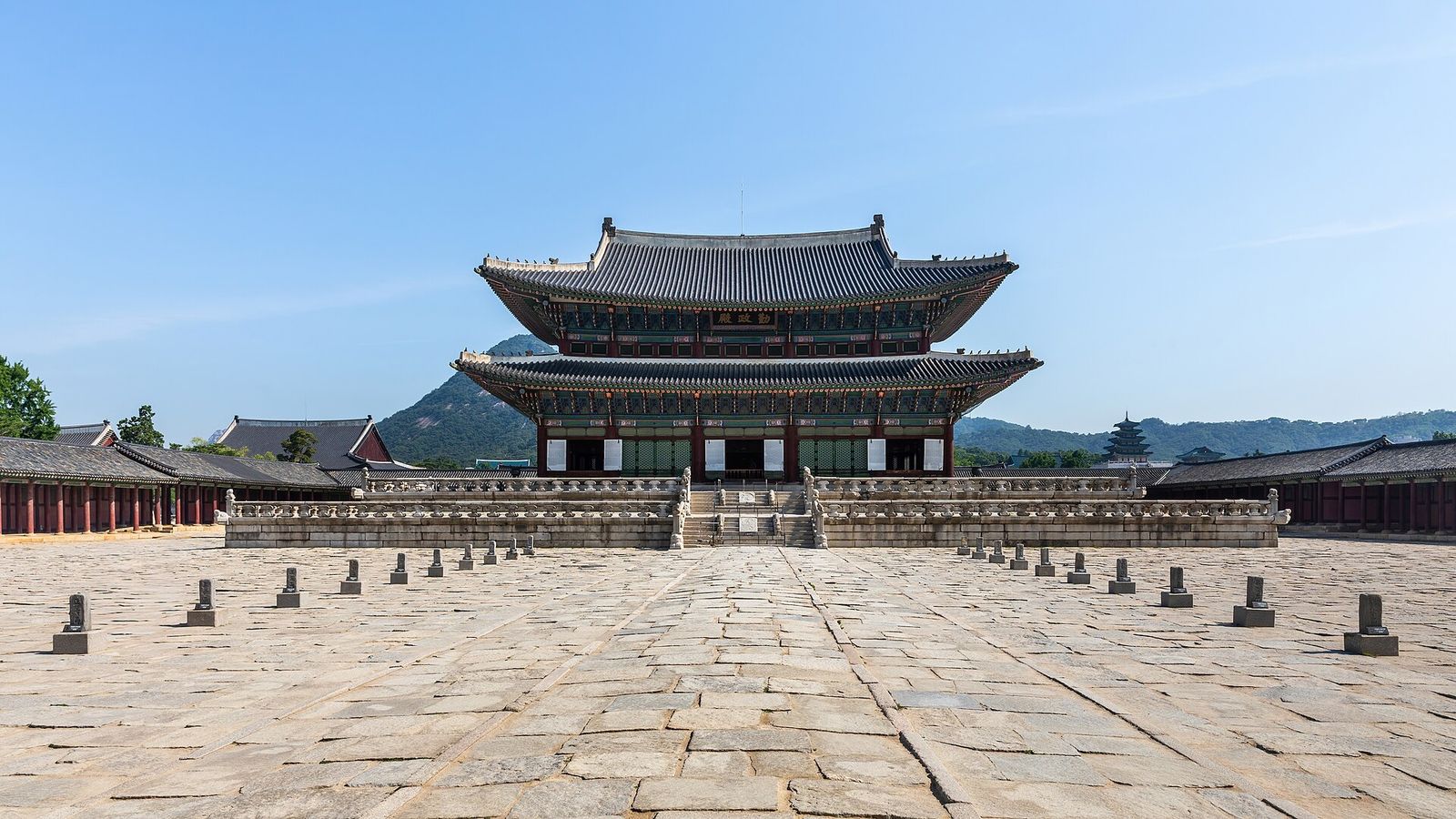
Morning. Start at Gyeongbokgung, the main royal palace of the Joseon dynasty, founded in 1395. Arrive near opening time, walk through the great Gwanghwamun gate and cross the courtyard to Geunjeongjeon, the throne hall, with the mountains rising behind it. Further in, Gyeonghoeru, a banquet pavilion standing on stone pillars in a lotus pond, is one of the most photographed sights in the city. A ceremonial changing of the royal guard takes place at the main gate on most days; check the schedule.
The National Palace Museum of Korea and the National Folk Museum of Korea are both inside or beside the palace grounds, and either is a good hour if the weather turns.
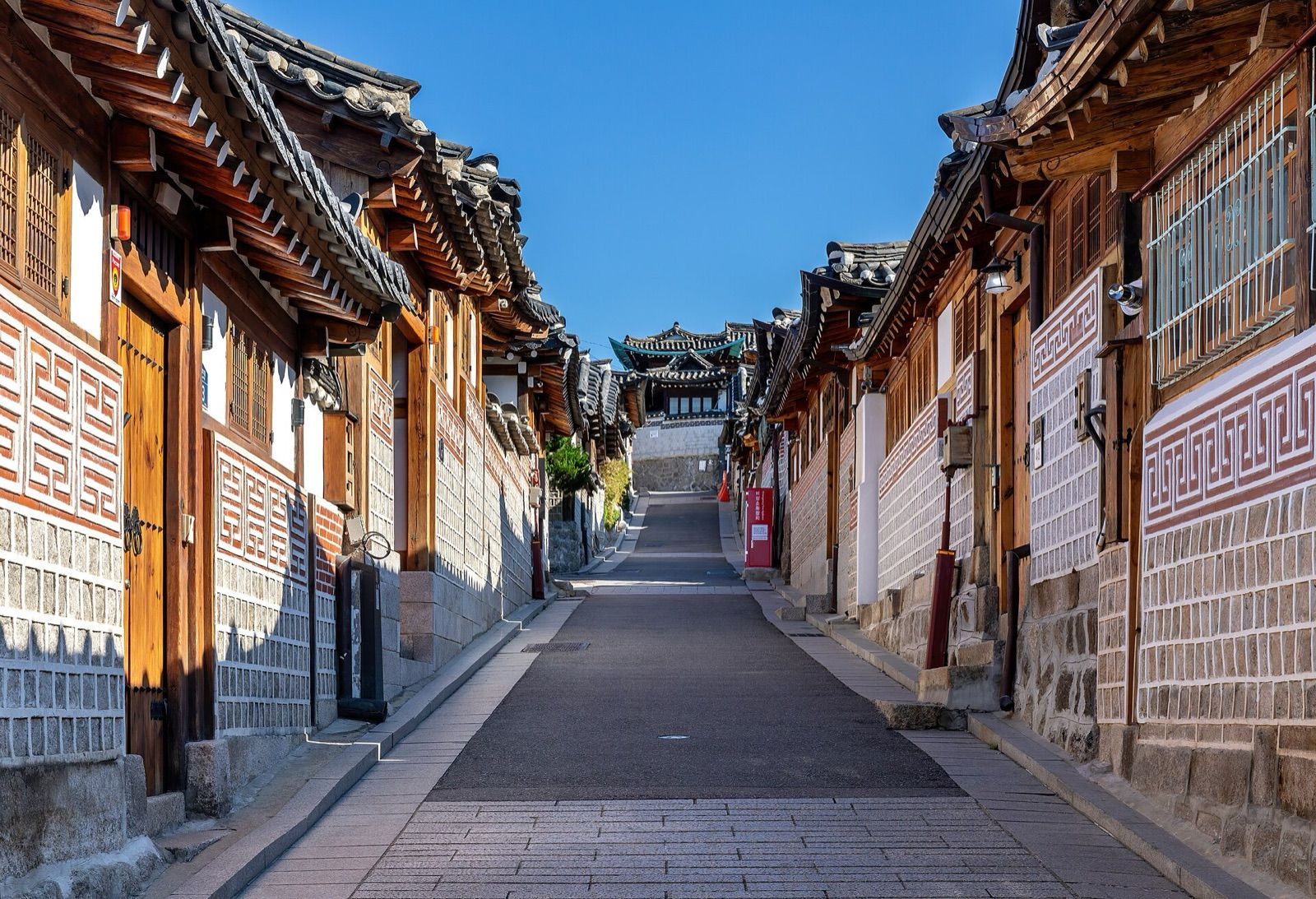
Afternoon. Walk east into Bukchon Hanok Village, a hillside neighbourhood of traditional tiled-roof houses between Gyeongbokgung and Changdeokgung. People live here, and parts of the area now limit visiting hours and tour groups, so keep your voice down, stay off doorsteps and check the current rules before you go. The lanes are best on a weekday morning or early afternoon.
Continue to Changdeokgung, a UNESCO World Heritage Site and the palace many visitors find the most beautiful, because its buildings follow the slope of the land. Its rear garden, Huwon (the "Secret Garden"), with pavilions around ponds in the woods, is usually visited on a guided tour with limited places.
Evening. Walk down to Insadong, a street of tea houses, galleries, paper and craft shops, and the spiral courtyard shopping complex of Ssamziegil. Nearby Ikseon-dong packs cafés and restaurants into a small grid of converted hanok. Finish with a walk along the Cheonggyecheon, a stream restored as a sunken walkway through the city centre, which is pleasant after dark.
Day 2: Markets, city walls and Namsan
Morning. Start at Jongmyo, the royal ancestral shrine and another World Heritage Site, a long, austere hall set in quiet woodland. Access is often by guided tour on some days, so check the format before you go. Then walk to Gwangjang Market, one of the oldest traditional markets in Seoul, for an early lunch at the food stalls: crispy mung-bean pancakes (bindaetteok), small rolls of gimbap and bowls of noodles, eaten at the counters.
Afternoon. Head to Dongdaemun Design Plaza, the curving, silver building designed by Zaha Hadid, which hosts exhibitions and design shops; the surrounding streets are a wholesale fashion district open late into the night. From here, walk up to Naksan Park and follow a stretch of the Seoul City Wall for views over the rooftops. The old Ihwa hillside neighbourhood below is residential, so walk it quietly.
Evening. Go to Namsan and ride the cable car or walk up the forest paths to N Seoul Tower for the view at sunset. Then come down to Myeongdong, where street-food stalls set up along the pedestrian lanes in the evening and the cosmetics shops stay open late. Namdaemun Market, a short walk west, is busier during the day but worth a look if you're still hungry.
Day 3: Gangnam, Jamsil and the Han River
Morning. Cross the river to Bongeunsa, a Buddhist temple founded in the late 8th century according to temple tradition, which now sits among Gangnam's office towers. Visitors are welcome in the grounds, but services take priority, so be quiet near the halls. Across the road, the COEX complex holds the Starfield Library, a towering wall of bookshelves in the middle of a shopping mall.
If you'd like something greener, the Seonjeongneung royal tombs, a short walk or one stop away, are grassy burial mounds in a wooded park and part of the Royal Tombs of the Joseon Dynasty World Heritage Site.
Afternoon. Take the subway to Jamsil and Lotte World Tower, one of the tallest buildings in the world, with an observation deck near the top. Below it, Seokchon Lake has a walking path around its two halves, lined with cherry trees in spring.
Evening. Spend sunset by the Han River. Yeouido Hangang Park and Banpo Hangang Park are popular for a picnic or a bike ride; at Banpo, the bridge fountain show runs in the warmer months, so check the season and times. Finish in Hongdae for live music, street performers and late-night food, or in Itaewon for a mix of international restaurants.
Option: a day at the DMZ
The Demilitarized Zone, the buffer strip between North and South Korea, is about an hour or more north of Seoul by road. Most visitors go on an organised tour, because several sites are inside a civilian-control area that needs an escort, and passports are usually required.
Typical tours combine:
- Imjingak, a park with memorials and the "Freedom Bridge";
- the Third Tunnel of Aggression, a tunnel discovered in the 1970s that you can walk partway into (it's steep, low and not for everyone);
- Dora Observatory, which looks across the border on a clear day.
Tours to the Joint Security Area at Panmunjom have been suspended for long periods and are subject to strict conditions when they run. Access to all of these sites can change at short notice, so check the current rules with official sources and your tour operator before you go. Allow a half day for the main sites, or most of the day with lunch.
What to book ahead
- Huwon at Changdeokgung: guided tours have limited places and can fill in spring and autumn.
- DMZ tours: book a few days ahead, and have your passport details ready.
- Observation decks: timed tickets help at sunset and on weekends.
- Popular restaurants: Korean barbecue and well-known restaurants in Gangnam and Hongdae may take reservations or have long queues.
- Accommodation: book early around cherry blossom season (usually early April) and autumn colour (late October to November).
The palaces close on different days of the week, and opening times change by season, so check the official sites before you plan each day.
Adapting the plan
- Rain or extreme heat: swap outdoor walks for the National Museum of Korea in Yongsan, one of the largest museums in Asia, or the War Memorial of Korea nearby. Summers are hot and humid, with a rainy season in July; winters are cold and dry.
- With children: the palace guard ceremony, the cable car up Namsan, the Han River parks and the museums tend to work well. The Lotte World theme park next to the tower in Jamsil is another option.
- Slower pace: drop Jongmyo and Seonjeongneung, and give the palaces a full day.
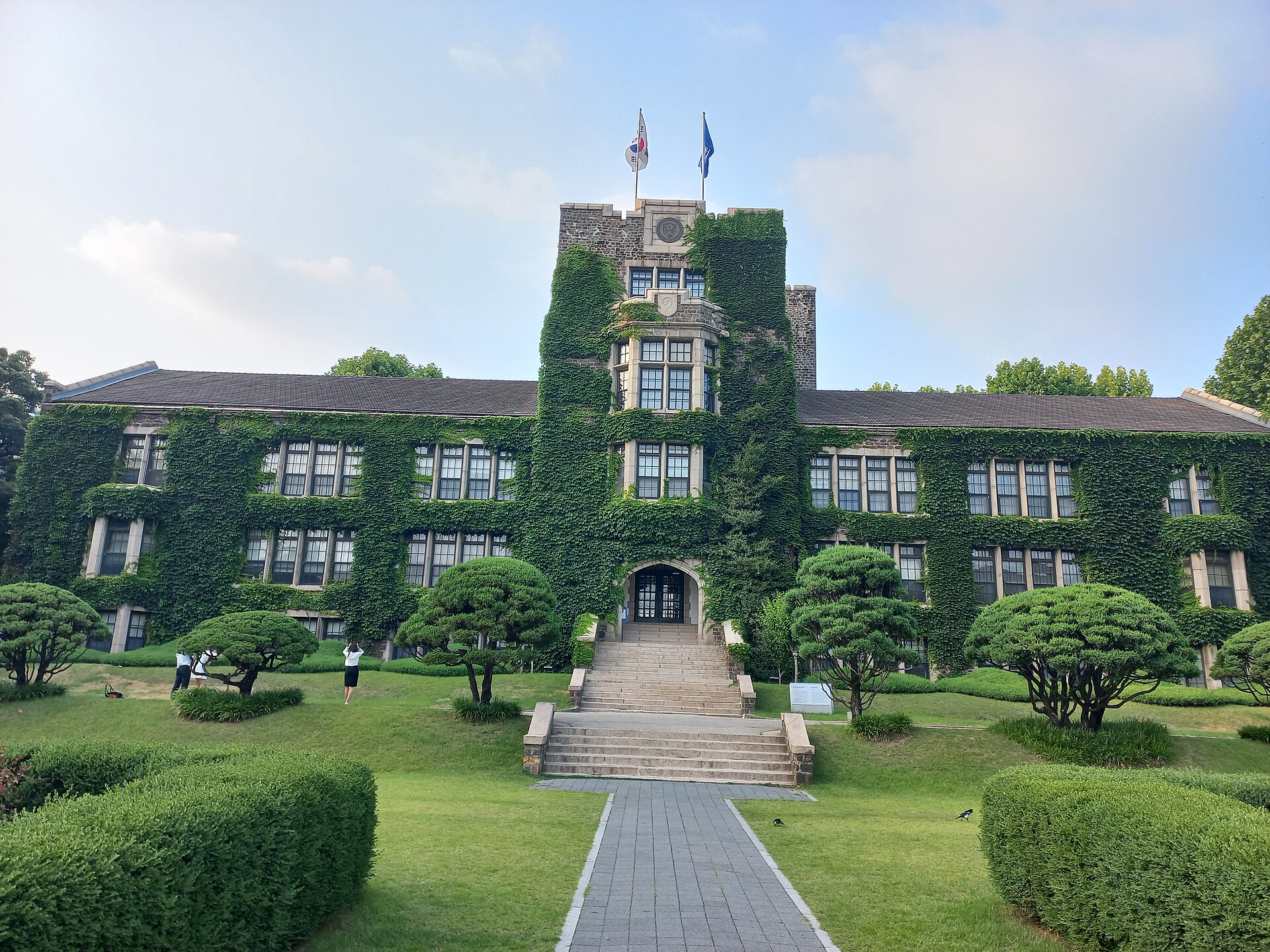
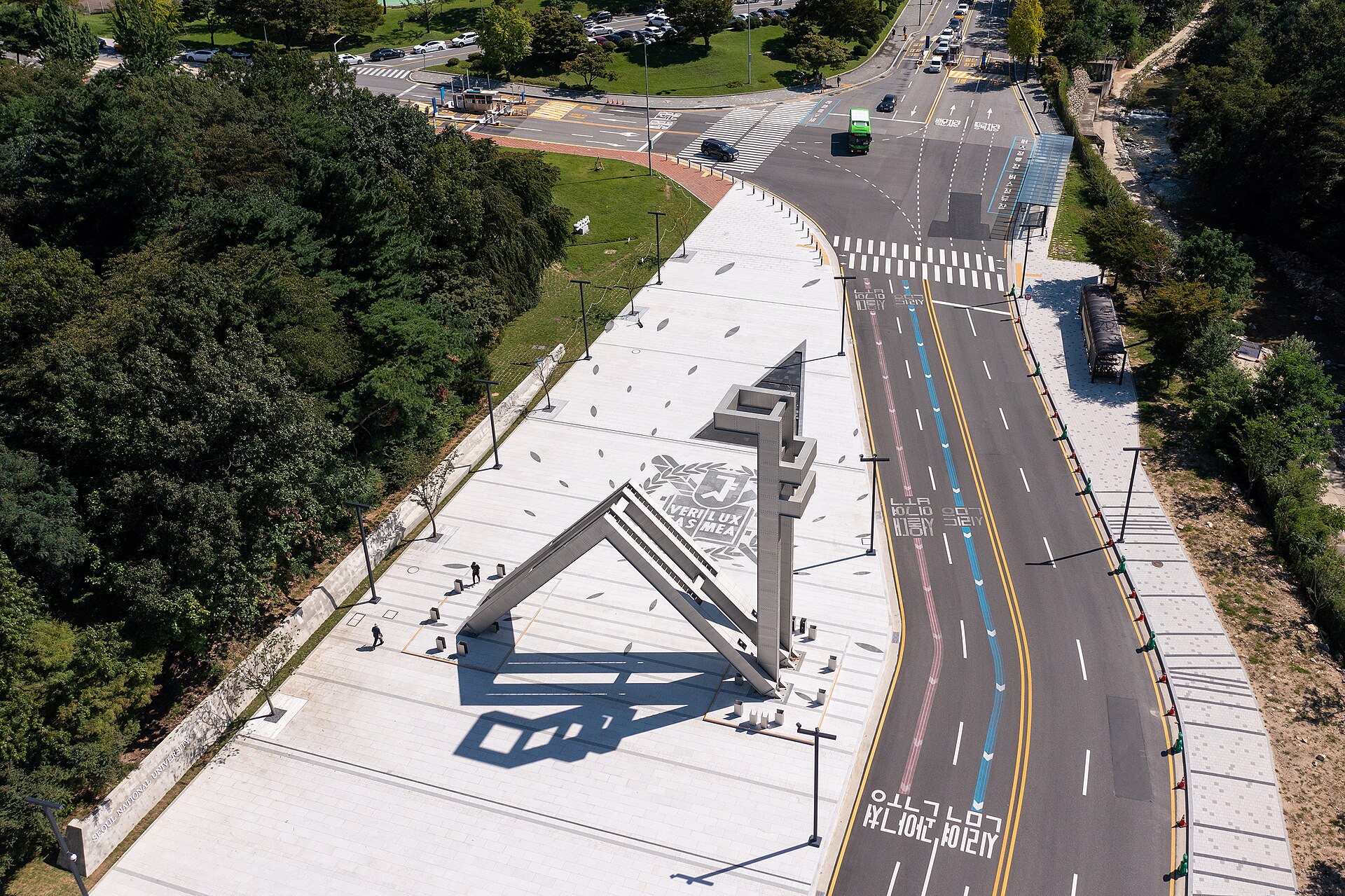
- Students and families: if you're visiting universities, see our Yonsei and Seoul National University campus guides; Yonsei is a short walk from Hongdae.
Practical booking tips
- Where to stay: a base north of the river, near a subway station on a useful line, keeps journeys short. Our guide to where to stay in Seoul compares Myeongdong, Jongno, Hongdae, Gangnam and more.
- Getting around: a rechargeable transit card works on the subway, buses and many taxis. Korean map apps such as Naver Map and KakaoMap usually give more reliable walking and transit directions than international ones.
- Hanbok: visitors wearing hanbok have often been given free admission to the palaces. Rental shops cluster near Gyeongbokgung; check the current policy.
- Entry rules: some nationalities need an electronic travel authorisation before flying, and requirements change, so check the current rules on official sites well before you go.
- Airport: Incheon is the main international airport, linked to the city by the AREX rail line and airport buses; allow roughly an hour or more.
- Continuing on: if you're heading to Japan next, see our Tokyo in 4 days and Osaka in 3 days itineraries.
Bloiq is reader-supported. Some links may earn us a commission; it never affects what we write. How we make money.
Cover photo: Basile Morin, CC BY-SA 4.0, via Wikimedia Commons