Home / Travel · Where to stay
Where to stay in Budapest: Buda vs Pest districts compared
Buda's Castle District and Víziváros or Pest's Belváros, Jewish Quarter, Terézváros and Ferencváros: how Budapest's districts differ and which suits your trip.
This guide contains affiliate links, marked as such. If you book through them, Bloiq may earn a commission at no extra cost to you.
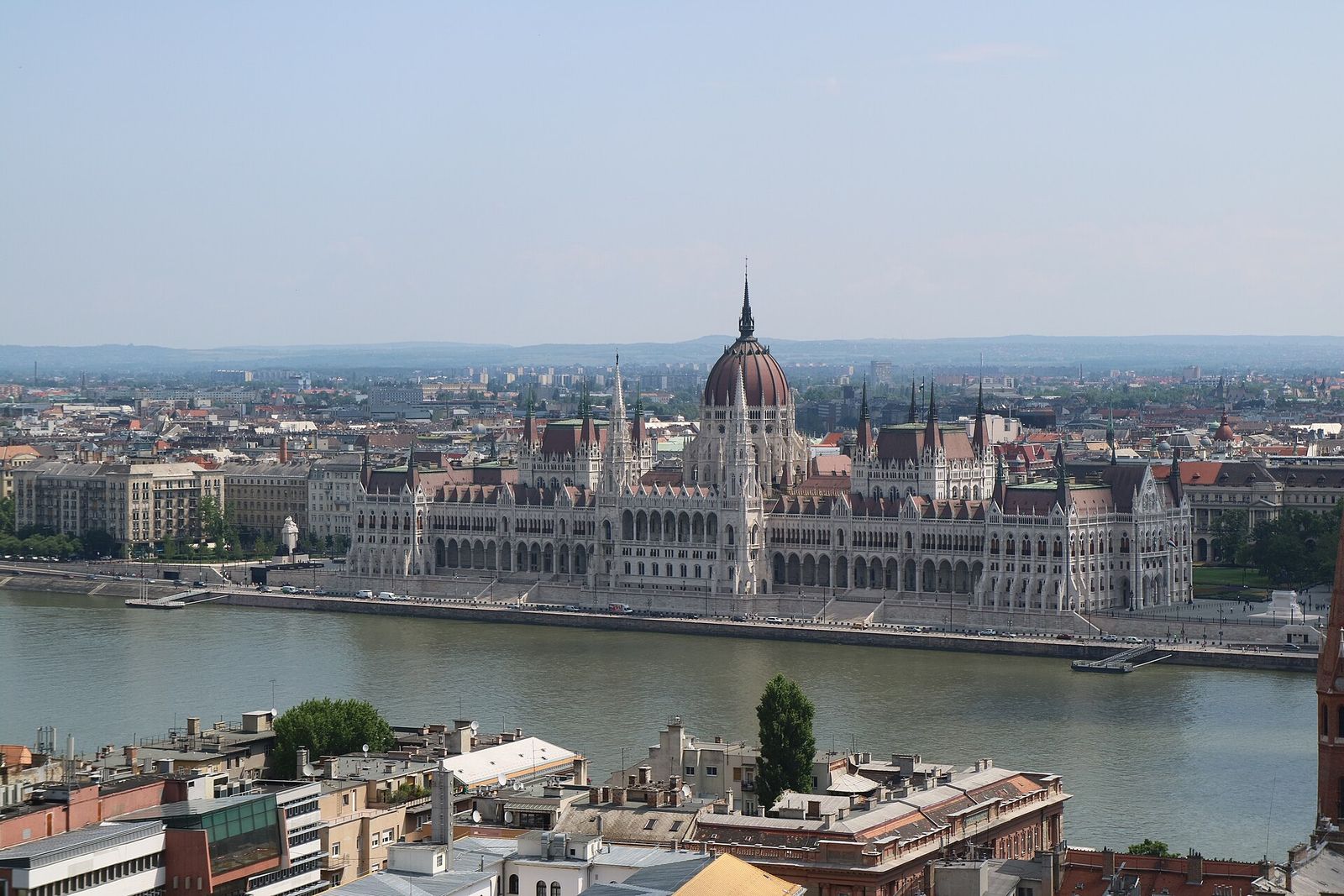
Budapest is two cities facing each other across the Danube. Buda, on the west bank, is hilly, green and quiet, crowned by the Castle District. Pest, on the east bank, is flat, busy and where most of the restaurants, bars, shops and hotels are. Most visitors are happiest in Pest, but Buda has real appeal for a calmer stay. Budapest's districts are numbered with Roman numerals, and the number appears in every address, which makes it easy to check where a place really is.
The quick answer
- First visit, sights on foot: Belváros-Lipótváros (District V), in Pest.
- Nightlife and ruin bars: the Jewish Quarter in Erzsébetváros (District VII).
- Elegant boulevards and the Opera: Terézváros (District VI).
- Markets, cafés and good value: Ferencváros (District IX) or the Palace Quarter (District VIII).
- Quiet, historic and scenic: the Castle District or Víziváros (District I), in Buda.
- Baths, cafés and a local feel in Buda: Újbuda (District XI), near Gellért Hill.
Buda or Pest?
| Buda (west bank) | Pest (east bank) | |
|---|---|---|
| Terrain | Hilly, green | Flat, dense |
| Atmosphere | Quiet, residential, historic | Lively, urban |
| Restaurants and nightlife | Fewer, more spread out | Plentiful |
| Views | Across the river to Parliament | Up to the castle |
| Best for | Couples, repeat visitors, calm stays | First visits, nightlife, short trips |
The two halves are joined by several bridges, including the Chain Bridge, and by the M2 and M4 metro lines, so crossing the river is quick wherever you stay.
Belváros-Lipótváros (District V): the centre of Pest
District V runs along the Pest riverbank and holds many of the city's landmark sights: the Parliament Building, St Stephen's Basilica, the Danube promenade, Vörösmarty Square and the pedestrianised Váci utca. The northern part, Lipótváros, is grand and governmental; the southern part, Belváros, is the old inner city, with more shops and restaurants.
Good for: first-time visitors and short stays. Consider: it's the most expensive part of Pest, and restaurants on the most touristy streets can be poor value. Rooms with river views cost a premium.
Erzsébetváros (District VII): the Jewish Quarter and ruin bars
The inner part of District VII is Budapest's historic Jewish Quarter, home to the Dohány Street Synagogue, the largest in Europe, and several smaller synagogues. It's also the centre of the city's nightlife, known for its "ruin bars", set up in the courtyards of old, semi-derelict buildings, as well as restaurants, street-food yards and cafés.
Good for: younger travellers, groups and anyone who wants bars and food on the doorstep. Consider: the busiest streets are very loud late at night, especially at weekends, and some are popular with stag and hen parties. Choose a street or two away from the bar cluster, or a room at the back, if sleep matters.
Terézváros (District VI): boulevards and the Opera
District VI is built around Andrássy út, a grand boulevard that is part of a UNESCO World Heritage Site. It runs past the Hungarian State Opera and the Oktogon to Heroes' Square and the City Park, home to the Széchenyi Baths. Liszt Ferenc Square has a cluster of restaurants and cafés, and Nyugati railway station is on the district's western edge.
Good for: couples, culture lovers and travellers who want a central base that's a little calmer than District VII. Consider: the parts nearest District VII share some of its nightlife noise, and the far end of Andrássy út is a metro ride from the river.
Ferencváros and the Palace Quarter (Districts IX and VIII): markets and value
Ferencváros, south of the centre, is home to the Great Market Hall, the city's largest covered market, and Ráday utca, a street of restaurants and cafés. Further south, along the river, are newer cultural venues. Next door in District VIII, the Palace Quarter around the Hungarian National Museum has grand 19th-century mansions and a growing number of cafés and small hotels.
Good for: food lovers, longer stays and travellers looking for value close to the centre. Consider: both districts become more ordinary, and parts of District VIII rougher, the further you go from the Small Boulevard (Kiskörút). Check the exact street.
Castle District and Víziváros (District I): historic Buda
The Castle District sits on a ridge above the river, with Buda Castle, Matthias Church and the Fisherman's Bastion, whose terraces give famous views across to Parliament. Below it, Víziváros ("Watertown") stretches along the Buda riverbank around Batthyány Square, with a metro station, older houses and a more everyday feel.
Good for: couples, photographers and anyone who wants a quiet, atmospheric base. Consider: Castle Hill is busy with day visitors but very quiet at night, with limited restaurants, and getting up and down means stairs, steep streets, a bus or the funicular. Víziváros is more practical and better connected.
Újbuda (District XI): Gellért Hill and a local feel
South of Gellért Hill, Újbuda is a large, mostly residential district with a big university campus. The streets around Bartók Béla út have a good café and gallery scene, and the historic thermal baths at the foot of Gellért Hill are close by. The M4 metro and several tram lines connect it with Pest.
Good for: repeat visitors, longer stays and anyone who wants to live like a local. Consider: you'll use transit for most sightseeing, and the outer parts are plain and residential.
Getting around
- From the airport: Budapest Airport is south-east of Pest. A dedicated airport express bus runs to the city centre and needs its own ticket; taxis are available from an official rank. Check current fares and ticket rules before you travel.
- Metro: four lines cover the centre. The M1, the Millennium Underground under Andrássy út, is one of the oldest underground railways in the world.
- Trams: trams 4 and 6 run along the Grand Boulevard (Nagykörút) with frequent services, and tram 2 runs along the Pest riverbank with fine views of Buda.
- Tickets: single tickets must be validated before or at the start of each journey, and inspectors are common. Passes for 24 hours or longer save money and hassle. Check the current options.
- Walking: Pest is flat and easy to explore on foot. Buda is hilly, so allow extra time.
Practical tips before you book
- Read the district number. Addresses begin with a four-digit postcode whose middle two digits give the district: 1051 is District V, 1072 District VII. It's a quick way to check a location.
- Currency: Hungary uses the forint. Cards are widely accepted; where euros are taken, the rate is often poor.
- Tourist tax: Budapest charges a local tax on overnight stays. Check the current rate when you book.
- Noise in District VII: if a listing is near the ruin bars, read recent guest comments about noise.
- Air conditioning isn't universal in older buildings, and Budapest summers are hot. Check if you're travelling in July or August.
- Busy dates: major events, such as the summer Formula One Grand Prix held just outside the city, and big festivals and conferences fill hotels. Check event calendars before you book.
Stay in District V for a first visit, District VI or IX for a relaxed central base, District VII if nightlife is the point, and in Buda if views and quiet evenings matter more than having restaurants on your doorstep. If you're combining cities, see our guides to where to stay in Vienna and where to stay in Prague.
Bloiq is reader-supported. Some links may earn us a commission; it never affects what we write. How we make money.
Cover photo: Erik Cleves Kristensen, CC BY 2.0, via Wikimedia Commons
.jpg)