Home / Travel / Austria · Where to stay
Where to stay in Vienna: the districts compared
Innere Stadt, Leopoldstadt, Neubau, Mariahilf, Wieden, Landstraße and the areas near the main stations: how Vienna's districts differ and who each suits.
This guide contains affiliate links, marked as such. If you book through them, Bloiq may earn a commission at no extra cost to you.
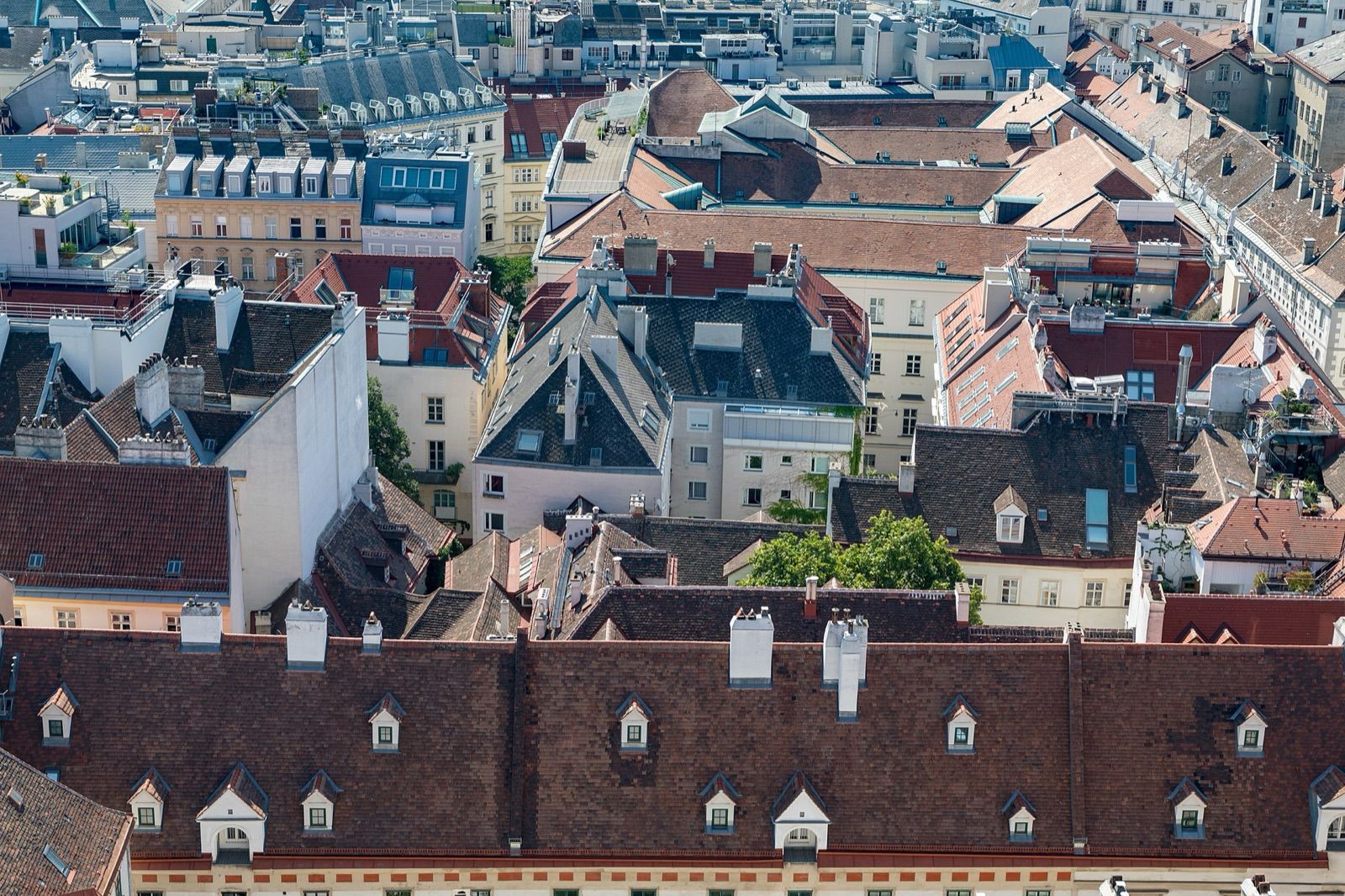
Vienna is one of the easiest European capitals to stay in. It's safe, clean and orderly, its public transport is superb, and almost every central district has good places to sleep. The choice is mainly between the grandeur and price of the historic centre and the more relaxed, lived-in districts just outside it. Vienna's districts are numbered, which makes addresses easy to read: the first district is the centre, and the numbers spiral outwards from there. Here's how the main areas compare.
The quick answer
- First visit, everything on foot: Innere Stadt (1st district).
- Good value close to the centre, plus parks: Leopoldstadt (2nd).
- Shops, cafés and museums: Neubau (7th) or Mariahilf (6th).
- Food markets and a local feel: Wieden (4th).
- Palaces, quiet streets and easy airport trains: Landstraße (3rd).
- Early trains and practical stays: near the Hauptbahnhof or Westbahnhof.
Innere Stadt (1st): the imperial centre
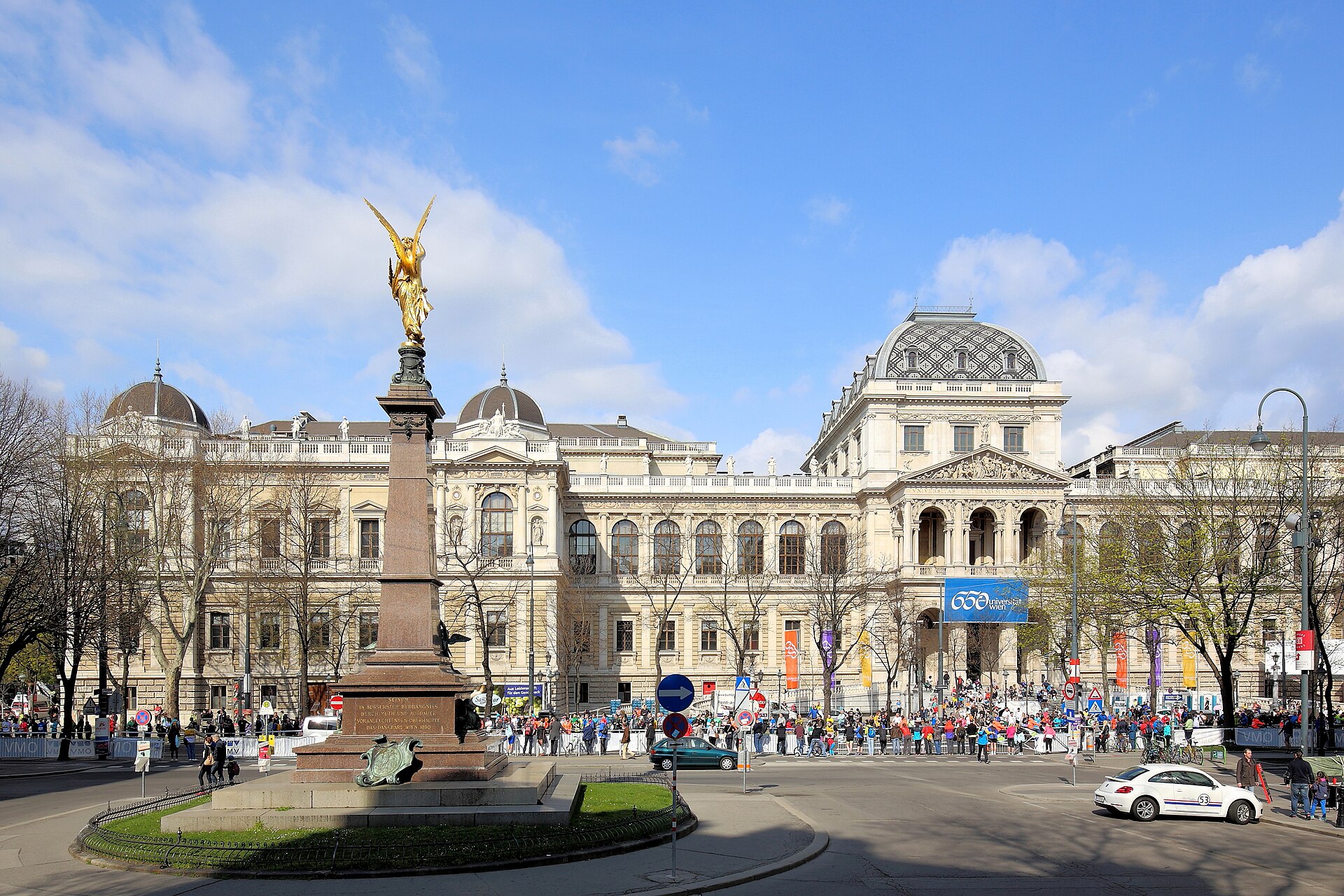
The Innere Stadt is the historic core inside the Ringstraße, the grand boulevard built where the city walls once stood. It holds St Stephen's Cathedral, the Hofburg palace, the State Opera, the Spanish Riding School, elegant shopping streets and many of the city's classic coffee houses. It's a UNESCO World Heritage Site, and it's almost entirely walkable.
Good for: first-time visitors, short stays and anyone who wants to step outside into history. Consider: it's the most expensive district, busy with visitors during the day, and some streets become quiet and a little lifeless late at night. Rooms in historic buildings can be small.
Leopoldstadt (2nd): parks and good value
Across the Danube Canal from the centre, Leopoldstadt combines the huge Prater park, with its famous Giant Ferris Wheel and amusement park, and the formal Augarten gardens. It has a long Jewish history, a lively market at Karmelitermarkt, and a growing restaurant scene. The Praterstern station and the U1 and U2 lines make it quick to reach the centre.
Good for: families, runners, trade-fair visitors and anyone looking for value close to the 1st district. Consider: the area immediately around Praterstern is busy and less pleasant at night. The streets nearest the canal are the most convenient.
Neubau (7th): creative and cosy
Neubau is Vienna's creative district, with independent shops, design studios, cafés and bars. It borders the MuseumsQuartier, one of the world's largest cultural complexes, home to the Leopold Museum and the museum of modern art (mumok), and it includes the Spittelberg quarter, a cluster of restored Biedermeier lanes that hosts a popular Christmas market.
Good for: couples, culture lovers and travellers who like browsing small shops. Consider: it's residential, so some evenings are quiet, and the historic centre is a 10- to 20-minute walk or a short U-Bahn ride away.
Mariahilf (6th): shopping and the Naschmarkt
Mariahilf is defined by the Mariahilfer Straße, Vienna's longest shopping street, parts of which are pedestrianised. The district runs south to the Naschmarkt, the city's best-known food market, and has good U-Bahn connections on the U3, U4 and U6 lines.
Good for: shoppers, first-time visitors on a budget and anyone who wants plenty of places to eat nearby. Consider: the main shopping street is crowded on Saturdays, and the Naschmarkt area stays busy into the evening. Side streets are quieter.
Wieden (4th): local and central
Wieden is a compact, residential district just south of the centre. It includes the baroque Karlskirche, the other side of the Naschmarkt, and the Freihausviertel, a small quarter of galleries, cafés and restaurants. The Belvedere palaces are just across its eastern edge, and the Hauptbahnhof is to the south.
Good for: travellers who want a local neighbourhood within walking distance of the centre and the Opera. Consider: there are fewer headline sights within the district itself, and the southern parts are more ordinary and residential.
Landstraße (3rd): palaces and quiet streets
Landstraße is a large, mostly residential district east of the centre. It contains the Belvedere, whose Upper Palace holds major Austrian art collections including works by Gustav Klimt, the colourful Hundertwasser House, and part of the Stadtpark. Wien Mitte station has direct trains to the airport.
Good for: art lovers, business travellers and anyone flying in or out, especially with an early departure. Consider: it's quieter and less atmospheric than the inner districts, and the outer parts are a tram or U-Bahn ride from everything.
Near the Hauptbahnhof and Westbahnhof: practical choices
The Hauptbahnhof, Vienna's main station, handles most long-distance and international trains, and the streets around it have been redeveloped with modern offices, apartments and hotels. The Westbahnhof, at the top of Mariahilfer Straße, still has rail services and is directly on the U3 and U6 lines.
Good for: early trains, short stopovers, day trips and travellers who want modern, practical rooms. Consider: neither area has much historic charm, and the busy Gürtel ring road near the Westbahnhof is noisy. You'll use the U-Bahn to reach the centre.
How the areas compare
| Area | Feel | Walk to St Stephen's | Best for |
|---|---|---|---|
| Innere Stadt (1st) | Imperial, historic | 0–15 min | First visits |
| Leopoldstadt (2nd) | Green, mixed | 10–30 min | Value, families |
| Landstraße (3rd) | Quiet, residential | 15–30 min | Art, airport trains |
| Wieden (4th) | Local, central | 15–25 min | Markets, local life |
| Mariahilf (6th) | Busy, commercial | 15–30 min | Shopping, food |
| Neubau (7th) | Creative, cosy | 15–25 min | Culture, cafés |
| Station areas | Modern, practical | U-Bahn ride | Early trains |
Getting around
- From the airport: Vienna International Airport is south-east of the city. A non-stop airport express train and the slower, cheaper S-Bahn both run to Wien Mitte, and long-distance trains run to the Hauptbahnhof. Check current fares, which differ considerably between the options.
- U-Bahn: the lines are frequent, clean and easy to navigate, and reach every district in this guide.
- Trams: trams run around the Ringstraße and out to the outer districts, and a tram ride around the Ring is an inexpensive way to see the grand buildings.
- Walking: the centre and the inner districts are compact and flat, and walking between them is often quicker than taking transit.
- Passes: time-based passes for 24 hours or longer are good value if you'll use transit several times a day. Check the current options.
Practical tips before you book
- Read the postcode. Vienna's postcodes encode the district: 1010 is the 1st district, 1070 the 7th, and so on. It's a quick way to see where a place really is.
- Stay in the low numbers. The inner districts, numbered 2 to 9, are generally within walking distance or a few stops of the centre; higher numbers are usually farther out.
- City tax: Vienna charges a local accommodation tax on overnight stays. Check the current rate when you book.
- Sunday closures: most shops are closed on Sundays, though cafés, museums, restaurants and station shops stay open.
- Air conditioning is not standard in older buildings, and Vienna's summers can be hot. Check if you're travelling in July or August.
- Christmas markets and events: Advent and the big ball and concert seasons fill central hotels. Book early for December.
Stay in the Innere Stadt for convenience, in Neubau, Mariahilf or Wieden for a relaxed, local base close to everything, and near the stations if trains are the backbone of your trip.
Bloiq is reader-supported. Some links may earn us a commission; it never affects what we write. How we make money.
Cover photo: Dietmar Rabich, CC BY-SA 4.0, via Wikimedia Commons