Outdoor pizza ovens: wood, gas or multi-fuel, stones and safety
How wood-fired, gas and multi-fuel pizza ovens compare, what temperatures different pizza styles need, how stones and thermal mass work, and how to use one safely.
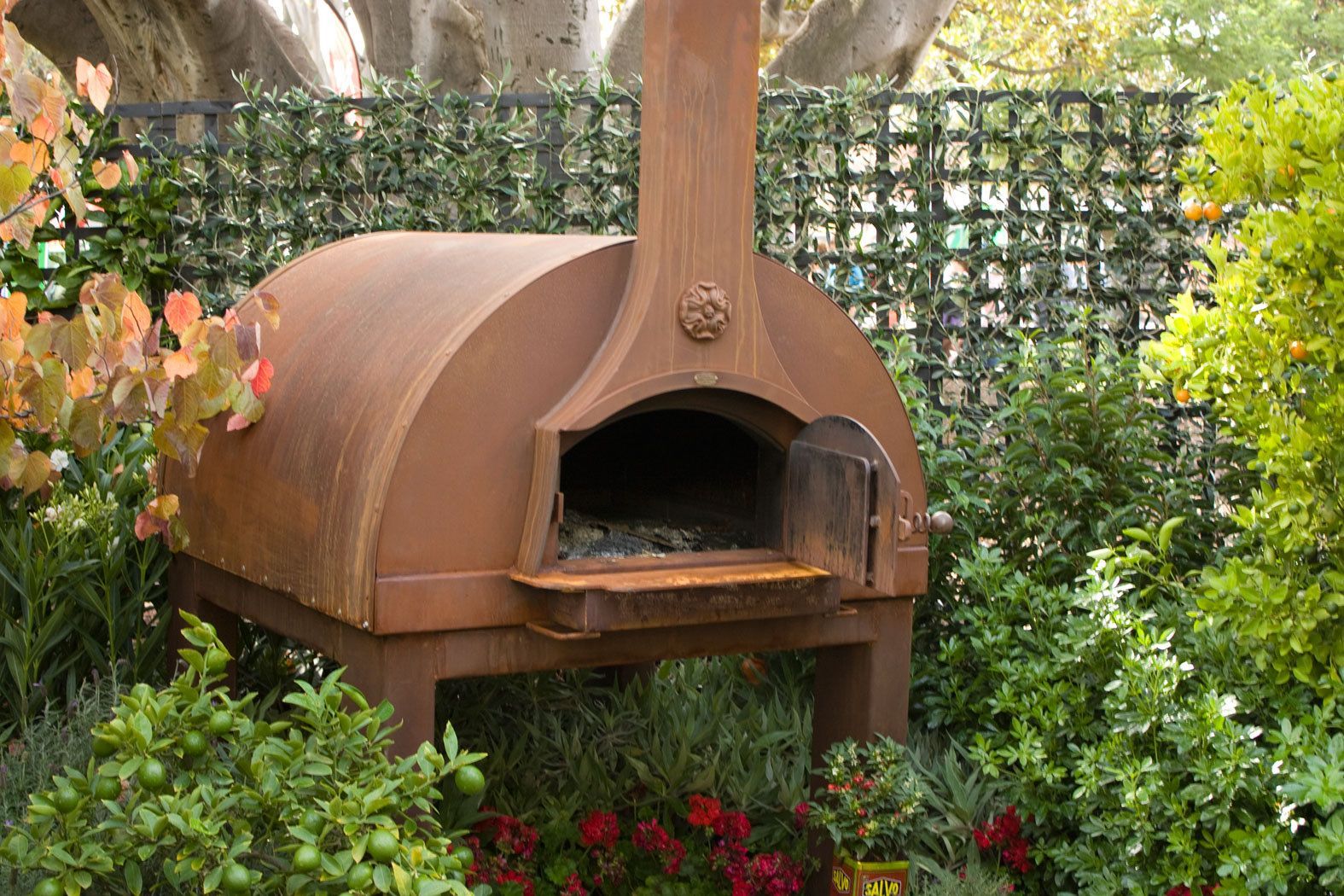
A kitchen oven usually tops out somewhere around 250–290 °C, which is why homemade pizza rarely has the blistered, puffy crust of a good pizzeria. An outdoor pizza oven can heat its floor to roughly twice that temperature and bake a pizza in a couple of minutes or less. Portable models have made this affordable and compact, but the choice between wood, gas and multi-fuel, and details such as stone material and opening size, decide how easy the oven is to live with. This guide explains them.
Why pizza needs so much heat
Pizza bakes from two directions: the hot stone floor cooks the base, and heat radiating from the dome and flame cooks the top. At very high temperatures the dough puffs and blisters before it dries out, giving a crisp outside and soft, airy inside.
Different styles need different heat:
- Neapolitan-style pizza is traditionally baked at around 430–480 °C (roughly 800–900 °F) for only about 60–90 seconds.
- New York-style and similar thin, crisp pizzas generally bake at lower temperatures, often somewhere around 290–350 °C (550–650 °F), for several minutes.
- Pan and thicker pizzas, bread and roasts need moderate heat and longer times.
If you mostly make one style, choose an oven that suits it. Very hot ovens can burn slower-baking pizzas unless you can turn them down.
Wood-fired ovens
Wood gives a live flame, a little smoky flavour and the traditional experience. It also takes more skill: you build and feed a fire, manage the flame and keep the floor evenly hot.
- Fuel: use dry, kiln-dried hardwood such as oak, ash, beech or maple, cut to fit the oven. Firewood with a moisture content under about 20% burns cleanly; wet wood smokes and struggles to get hot. Never burn treated, painted or pallet wood.
- Heat-up time: small portable ovens can be ready in roughly 15–30 minutes. Large masonry ovens with lots of thermal mass can take an hour or more, but then hold heat for hours, which is useful for baking bread afterwards.
- Attention: you'll add wood every few minutes on small ovens to keep the flame rolling over the dome.
Gas ovens
Gas ovens run on propane or, less commonly, natural gas. They light at the turn of a knob, heat quickly and let you adjust the flame, which makes consistent results much easier. There's no ash to clear and little smoke. The flavour is clean rather than smoky, which most people find hard to distinguish once toppings go on.
Gas appliances are made for specific gas types and supply pressures, which vary by country. Buy an oven set up for your gas and region, use the regulator specified by the manufacturer, and have any natural gas connection installed by a qualified gas fitter.
Multi-fuel and other types
Multi-fuel ovens can burn wood, charcoal or pellets, and many accept a gas burner attachment, sold separately or included. They give you the convenience of gas for quick weeknight pizzas and live fire when you have time. Check how easily you can switch and whether the gas burner comes in the box.
Pellet-fired ovens burn wood pellets from a hopper at the back. They're compact and light fast, but need regular topping up.
Electric pizza ovens exist as countertop units, often for indoor use. They avoid fuel altogether but are limited by household electrical supply.
Stones, floors and thermal mass
The floor is where the base cooks, so its material matters.
| Material | Characteristics |
|---|---|
| Cordierite | Common in portable ovens; resists thermal shock well; heats evenly |
| Firebrick or refractory clay | Used in masonry ovens; holds heat well |
| Steel | Conducts heat fast; better suited to kitchen ovens at lower temperatures |
Thickness matters: a thicker stone stores more heat and recovers faster between pizzas. Thin stones cool noticeably after each bake.
Rule of thumb: the air in the oven heats far faster than the stone. Wait until the floor reaches the temperature you want (an infrared thermometer is the easiest way to check), and let it recover for a minute or two between pizzas.
Stone care is simple. Never use soap, which soaks in; scrape off debris and let heat burn residue away. Stains are normal and harmless. Avoid sudden temperature shocks such as water on a hot stone, which can crack it.
Size, shape and practical details
- Floor size: portable ovens are commonly sized for about 30 cm (12 in) or 40 cm (16 in) pizzas. Larger floors are easier to launch onto and turn, but heavier.
- Opening height: a low opening keeps heat in; a taller one allows roasting tins and bread.
- Weight and portability: if you'll take it camping, check the weight and whether legs fold.
- Rotating stones: some ovens rotate the floor for even cooking. Otherwise you'll turn the pizza with a peel every 20–30 seconds in very hot ovens.
- Insulation: better-insulated ovens stay cooler outside, use less fuel and hold temperature in wind.
Tools you'll want: a wooden or composite peel for launching, a smaller metal turning peel, an infrared thermometer, heat-resistant gloves and a brush for the stone.
Safety
- Use outdoors only. Wood, charcoal, pellets and gas all produce carbon monoxide. Never use a fuel-burning pizza oven in a garage, shed, tent or enclosed space, and follow the manual on use under covers or pergolas.
- Place the oven on a stable, non-combustible surface, with the clearance to walls, fences and overhangs given in the manual. Outer surfaces of many ovens get very hot.
- Keep children and pets away, and wear heat-resistant gloves.
- Leak-test gas connections with soapy water before first use and each season; growing bubbles mean a leak.
- Check for burn bans and local fire restrictions before using wood or charcoal, especially in dry weather.
- Let the oven cool fully before covering or storing it, and put ashes in a metal container until cold.
The short version
- Decide which pizza style you make most, and check the oven reaches the right floor temperature.
- Gas for convenience and consistency; wood for flame and ritual; multi-fuel for both.
- Look for a thick cordierite or refractory floor that holds heat between pizzas.
- Choose a floor size that makes launching and turning easy.
- Budget for a peel, turning peel and infrared thermometer.
- Use it outdoors only, with proper clearances and leak checks. For more outdoor cooking and warmth, see our grill comparison and fire pit guide.
Bloiq is reader-supported. Some links may earn us a commission; it never affects what we write. How we make money.
Cover photo: Rexness, CC BY-SA 2.0, via Wikimedia Commons